
This is the kind of recipe I reach for when I want good food without a complicated process.
Most home cooks assume that restaurant-style grilled chicken comes from complex marinades or special equipment. The actual difference lies in how the marinade is built and how the heat level affects the char. When you combine minced chipotle peppers with their adobo sauce, then grill at very high heat, you create that smoky, slightly blackened crust that defines the restaurant version.
This copycat recipe for chipotle chicken uses boneless skinless chicken thighs, which hold moisture better than breasts during high-heat cooking. The marinade takes 10 minutes to coat and rest, and the grill time is just over 10 minutes total. You control the spice level, the salt balance, and the char intensity without waiting in line or paying extra for protein upgrades.
The homemade version tastes fresher because you grill the chicken right before serving. Restaurant chicken is often cooked in large batches and held warm, which dries out the edges. When you grill at home, you can pull the chicken at exactly 165°F and rest it properly, which keeps every slice juicy and tender.
How to Build the Chipotle-Style Marinade
Why Adobo Sauce Matters More Than the Peppers
The signature smokiness comes from adobo sauce, not just the chipotle peppers themselves. Adobo sauce is made from tomatoes, vinegar, garlic, and spices that have been cooked down with smoked jalapeños. When you mince the peppers and combine them with extra sauce from the can, you create a coating that clings to the chicken and caramelizes during grilling.
Use 2 tablespoons of minced chipotle peppers and 2 tablespoons of adobo sauce for 680 grams of chicken thighs. This ratio gives you noticeable heat without overwhelming the other flavors. If you prefer milder chicken, reduce the minced peppers to 1 tablespoon and keep the sauce at 2 tablespoons for smoky flavor without intense spice.
The Role of Oregano and Cumin in the Flavor Base
Dried oregano and ground cumin are the backbone of the marinade’s earthy, warm taste. Oregano adds a slightly floral note that balances the acidity of the adobo sauce, while cumin provides a toasted, nutty depth. Together, they mimic the spice profile used in many Mexican-inspired grilled dishes.
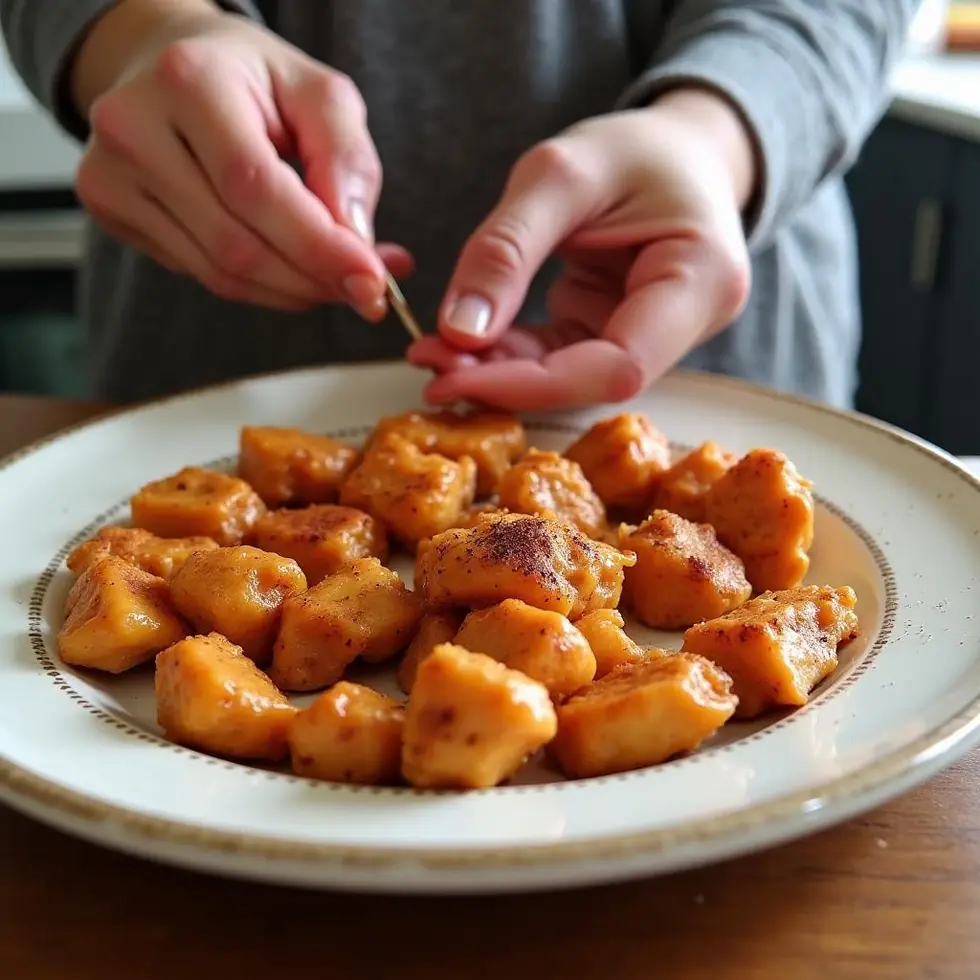
Whisk the marinade ingredients together in a bowl before adding the chicken. This ensures even distribution of the spices and prevents clumping. Coat the chicken thighs evenly, then let the marinade rest at room temperature for 10 minutes. This short rest allows the salt and acid to begin tenderizing the surface without over-marinating, which can make the texture mushy.
This marinade style forms the foundation of many copycat recipes that help you skip the takeout line and control your ingredients at home.
How to Keep the Chicken Juicy and Charred
This copycat recipe for chipotle chicken works best when the signature flavor, texture, and serving idea all support the same restaurant-style result.
Why High Heat Creates the Right Texture
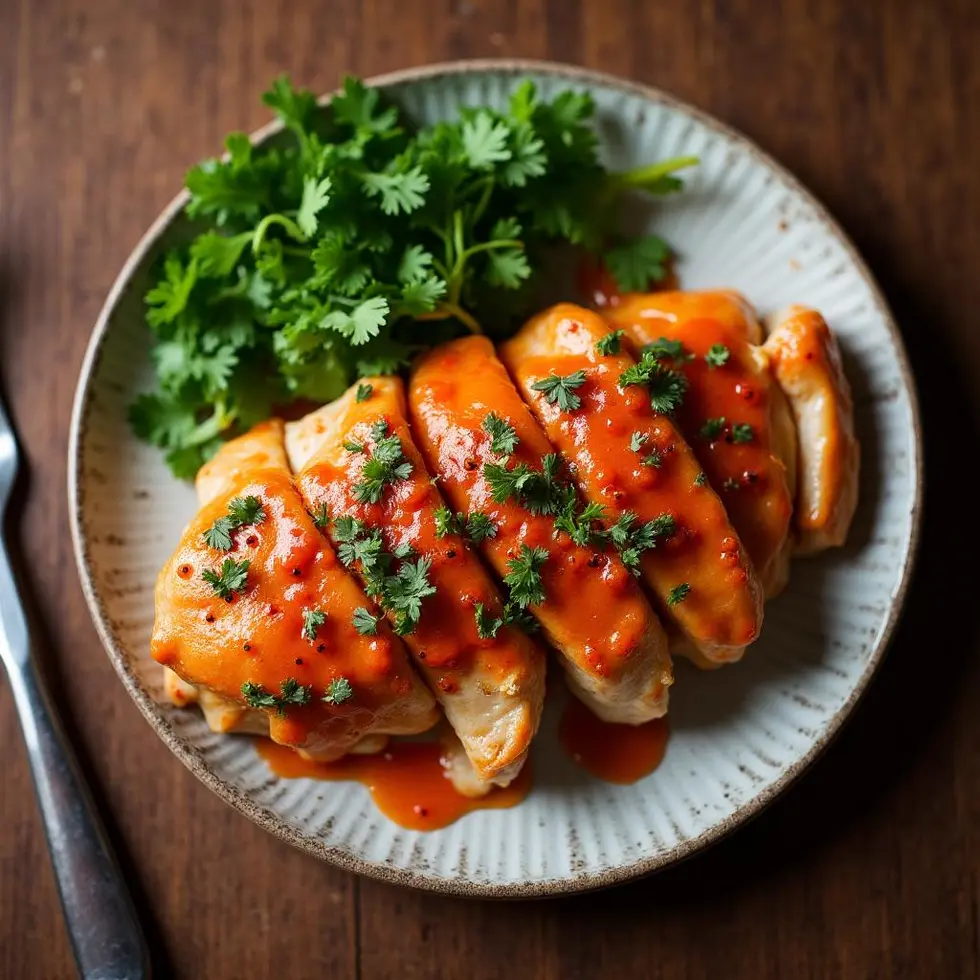
The restaurant version is grilled over a very hot surface, which creates a charred crust while keeping the interior moist. At home, heat a grill pan or cast iron skillet over medium-high heat until it feels very hot when you hold your hand a few inches above the surface. This temperature, around 375°F or higher, allows the sugars in the adobo sauce to caramelize quickly without steaming the chicken.
Grill the chicken thighs for 5 to 6 minutes per side without moving them. Flipping too early or pressing down with a spatula prevents the char from forming and releases moisture. The one thing that makes this chicken taste closer to the original is resisting the urge to flip multiple times.
How Resting Time Affects Juiciness
Pull the chicken when it reaches 165°F at the thickest part. The internal temperature will continue to rise a few degrees during the 3-minute rest period, which is long enough for the juices to redistribute without cooling the chicken completely. Slicing immediately after cooking causes the juices to run out onto the cutting board instead of staying in the meat.
Slice the chicken against the grain into strips. This shortens the muscle fibers and makes each bite more tender. Chicken thighs have a visible grain pattern that runs diagonally across the meat. Cutting perpendicular to that direction gives you the best texture for bowls, tacos, or salads.
Common Mistakes That Make Chipotle Chicken Dry
Using Chicken Breasts Instead of Thighs
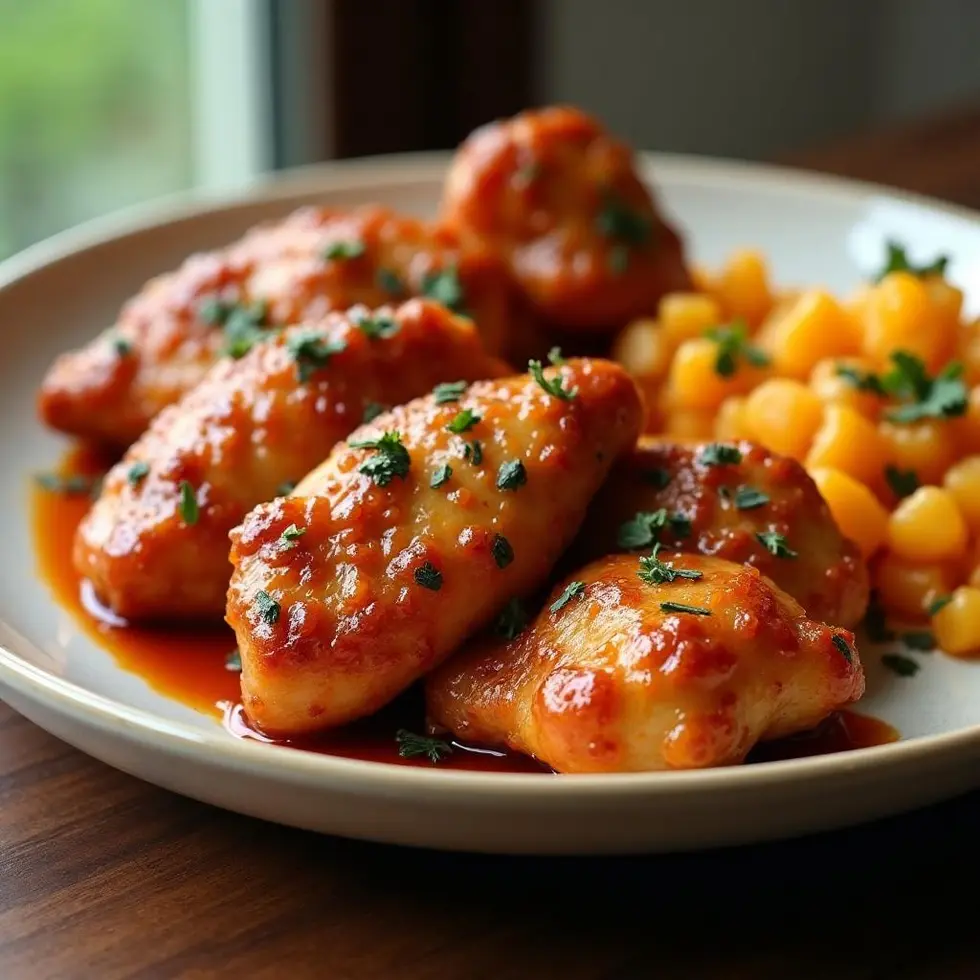
Chicken breasts dry out faster than thighs because they contain less fat and connective tissue. When you grill breasts at high heat for the same amount of time, they often become tough and chalky. Boneless skinless chicken thighs stay moist even when cooked to 165°F, which makes them more forgiving for home cooks who don’t have a commercial grill.
If you prefer chicken breasts, pound them to an even thickness before marinating and reduce the cook time to 4 to 5 minutes per side. Check the internal temperature early to avoid overcooking.
Skipping the Room Temperature Rest
Marinating cold chicken straight from the refrigerator and then grilling it causes uneven cooking. The outside chars before the inside reaches a safe temperature. Letting the chicken rest at room temperature for 10 minutes after coating with the marinade helps the meat cook more evenly and reduces the total grill time by a minute or two per side.
Another common mistake is crowding the pan. Leave at least an inch of space between each piece of chicken to allow steam to escape. If the chicken steams instead of searing, you lose the char and end up with a grayish, boiled appearance.
Not Adjusting the Spice Level
The chipotle marinade is moderately spicy by default. If you’re sensitive to heat, start with 1 tablespoon of minced chipotle peppers and 1 tablespoon of adobo sauce, then taste a small piece of the grilled chicken before serving. You can always add more heat by drizzling extra adobo sauce over the sliced chicken or serving it with a spicy salsa.
For a milder version, rinse the minced chipotle peppers under cold water to remove some of the seeds and sauce before adding them to the marinade. This keeps the smoky flavor without as much burn.
Once you have the grilled chicken ready, you can build a complete copycat Chipotle bowl at home with rice, beans, salsa, and your favorite toppings.
Last Tips Before You Plate
Slice the chicken just before serving to keep it warm and juicy. If you need to make it ahead, let the chicken cool completely, then store it in an airtight container in the refrigerator for up to 3 days. Reheat gently in a skillet over medium heat with a splash of water to prevent drying out.
Try grilling the chicken on a stovetop grill pan if you don’t have access to an outdoor grill. The ridges on the pan create char marks and allow fat to drip away from the meat. Watch for the smoky aroma and visible char lines, which tell you the heat level is correct and the chicken is developing that restaurant-style crust.
Frequently Asked Questions
Can I use chicken breasts instead of thighs for this recipe?
You can substitute boneless skinless chicken breasts, but they require a shorter cook time of 4 to 5 minutes per side to avoid drying out. Pound the breasts to an even thickness before marinating, and check the internal temperature early since breasts cook faster than thighs at high heat.
How spicy is this copycat chipotle chicken?
The recipe has a moderate heat level from the chipotle peppers and adobo sauce. If you prefer milder chicken, reduce the minced chipotle peppers to 1 tablespoon and use only 1 tablespoon of adobo sauce. For more heat, add an extra tablespoon of minced peppers or drizzle additional adobo sauce over the sliced chicken.
Can I marinate the chicken longer than 10 minutes?
You can marinate the chicken for up to 2 hours in the refrigerator, but do not exceed that time. The acid in the adobo sauce will start to break down the protein too much and create a mushy texture. If you marinate longer than 10 minutes, bring the chicken to room temperature for 10 minutes before grilling.
What’s the best way to reheat leftover chipotle chicken?
Reheat the chicken in a skillet over medium heat with a splash of water or broth to add moisture. Cover the pan with a lid and warm the chicken for 2 to 3 minutes until heated through. Avoid microwaving at full power, which dries out the edges and makes the texture rubbery.
Can I grill this chicken on an outdoor grill instead of a stovetop pan?
Yes, an outdoor grill works well for this recipe. Preheat the grill to medium-high heat, around 375°F to 400°F, and oil the grates to prevent sticking. Grill the chicken for 5 to 6 minutes per side, then rest for 3 minutes before slicing. The outdoor grill will add extra smoky flavor from the open flame.
Copycat Chipotle Chicken
Ingredients
Method
- Whisk together the minced chipotle peppers, adobo sauce, vegetable oil, oregano, cumin, garlic powder, and salt in a bowl.
- Coat the chicken thighs evenly with the marinade and let rest for 10 minutes at room temperature.
- Heat a grill pan or cast iron skillet over medium-high heat until very hot.
- Grill the chicken for 5 to 6 minutes per side until charred and cooked to 165°F / 74°C at the thickest part.
- Rest the chicken for 3 minutes, then slice against the grain into strips.
