
Fast food flavors, rebuilt for real home kitchens.
Written and edited by Achraf Talbi · Last reviewed: August 2026
Recipes Fast Food exists for one kind of reader: the person who loves a drive-through burger or a restaurant copycat sauce, and wants to make it at home on a Tuesday night without ruining twenty euros of groceries.
Most recipe pages fail that person in small, specific ways. They say “cook until done” instead of giving a temperature. They list an ingredient the method never uses. They promise fifteen minutes for something that takes forty. None of those are style problems — they are the reason dinner ends up in the bin.
So we built this site around a single commitment: every number on a page has to hold up. Temperatures match food-safety guidance. Prep and cook times add up to the total. Every ingredient in the list appears in the method, and every ingredient in the method is in the list.

Recipes Fast Food is run from a home kitchen in Morocco, by one person, with a family that has strong opinions about food.
Recipe ideas usually start at our own table, with the same question every time: can this restaurant-style dish be made simpler, cheaper, and more practical for an ordinary weeknight? My family shapes the answer — they suggest what they want to eat, they tell me what they think of the ones we cook, and they are not polite about it.
What they do not do is write the site. The research, the writing, the editing, the checking and the decision to publish are mine, and my name is on every page. If something here is wrong, it is my mistake to fix.
We are not pretending to be a restaurant kitchen or a test lab. This is a site about real home cooking: familiar ingredients, clear instructions, and fast food-style meals that a family can actually make on a weekday.

Meet the Creator
I’m an engineer, a home cook, and the person behind Recipes Fast Food. My working life is spent on systems — the kind where one wrong number quietly breaks everything downstream. It turns out that is also a decent way to think about a recipe.
That habit is the reason this site exists. I kept running into recipe pages that were pleasant to read and impossible to cook from: a chicken recipe with no internal temperature, a sauce with a quantity that contradicted the ingredient list, a “15-minute” dinner that clearly took half an hour. So I started writing the version I wanted to find.
I am not a chef and I have no professional culinary training. I am an engineer who cooks, reads the food science properly, and is careful with numbers. Everything on this site is built on that, and nothing more — which is exactly why I would rather tell you how the pages are made than let you guess.
Connect with me on LinkedInFour steps, every time, before a page is allowed to go live.
We start from dishes people already want: the copycat sauce, the air fryer side, the diner burger. Then we ask what actually makes the original work, and which parts a home kitchen can realistically reproduce with a supermarket shop and one pan.
Before a word is written, we work out why the dish behaves the way it does: why cornstarch crisps better than flour, why a cheesecake cracks, why gradual cooling matters. Cooking claims are checked against food science, not copied from other blogs.
Every page runs through a fixed checklist: safe internal temperatures, times that add up, quantities that match between the recipe card and the written method, and a FAQ that never contradicts the recipe it sits under.
Nothing is published in the state a draft arrives in. I read the finished page, fix what needs fixing, and put my name on it. When a recipe is improved later, the page is updated in place and the review date changes.
Our aim is a page you can cook from on a weeknight without checking a second source.
Being straight with you matters more to me than sounding impressive, so here is exactly how these pages come together.
I use AI tools to research techniques, structure articles and prepare drafts. Nothing is published in the state a tool produced it. Every page goes through the review process described above — a process I built, maintain and run myself — and I sign my name to what goes live. If a recipe on this site is wrong, that is on me, not on a tool.
Safe internal cooking temperatures for meat, poultry and eggs. Prep, cook and total times that add up. Ingredient quantities that match between the recipe card and the written method. Advice that does not contradict itself from one section to the next. And cooking science that is verified rather than repeated — you will not read “searing seals in the juices” here, because it is not true.
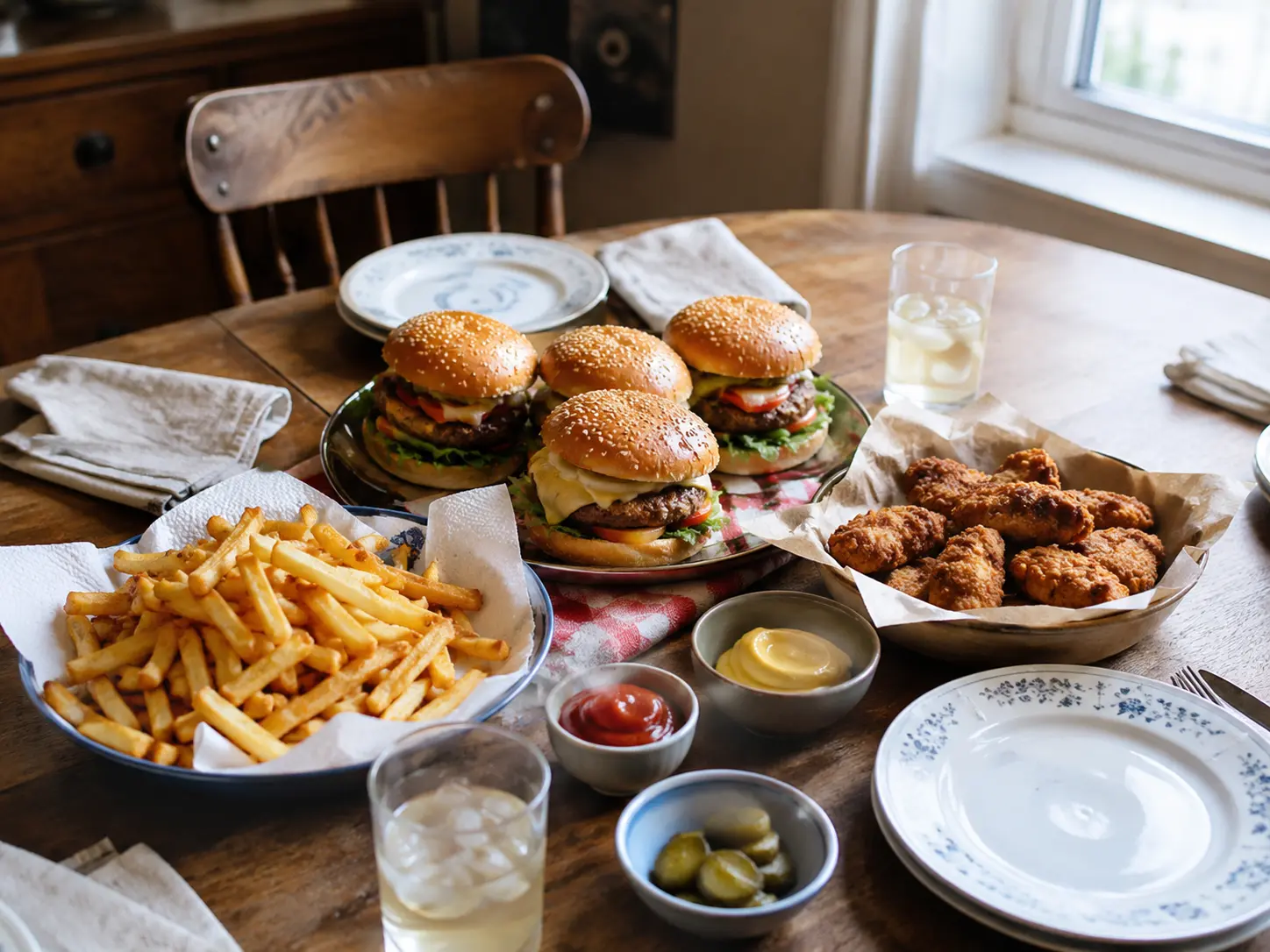
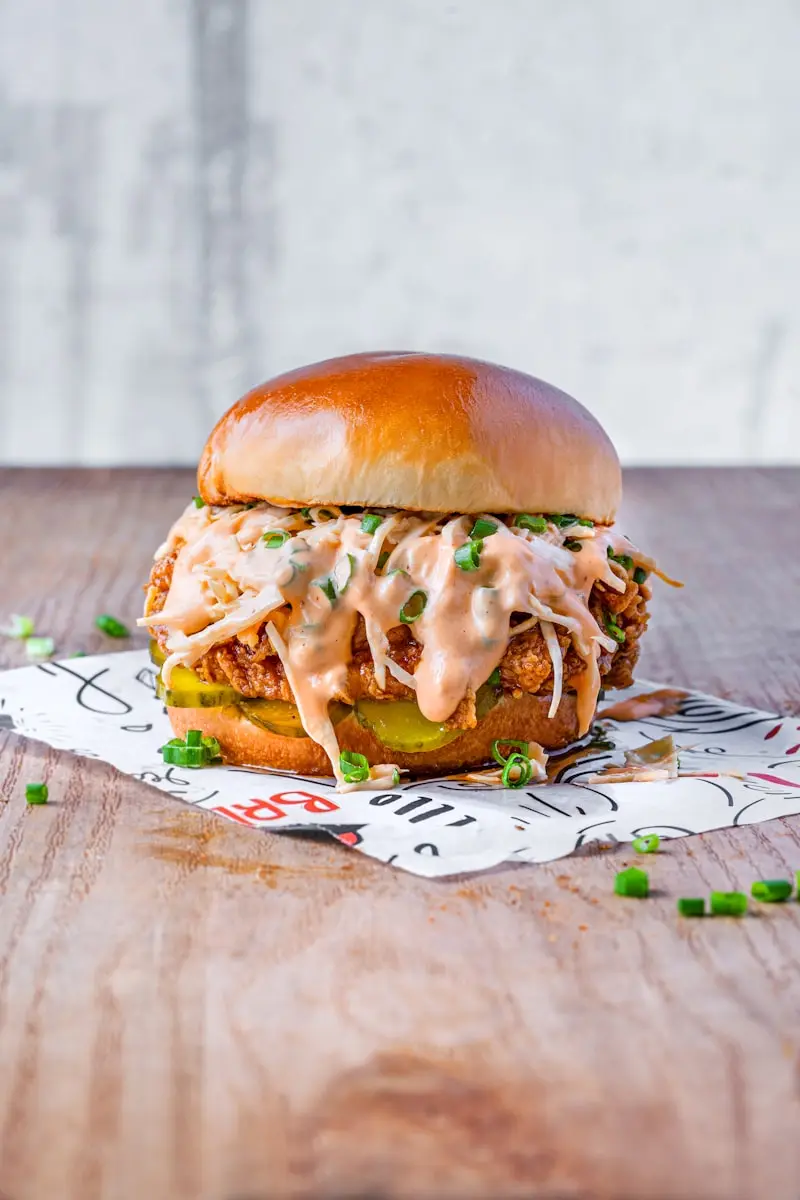
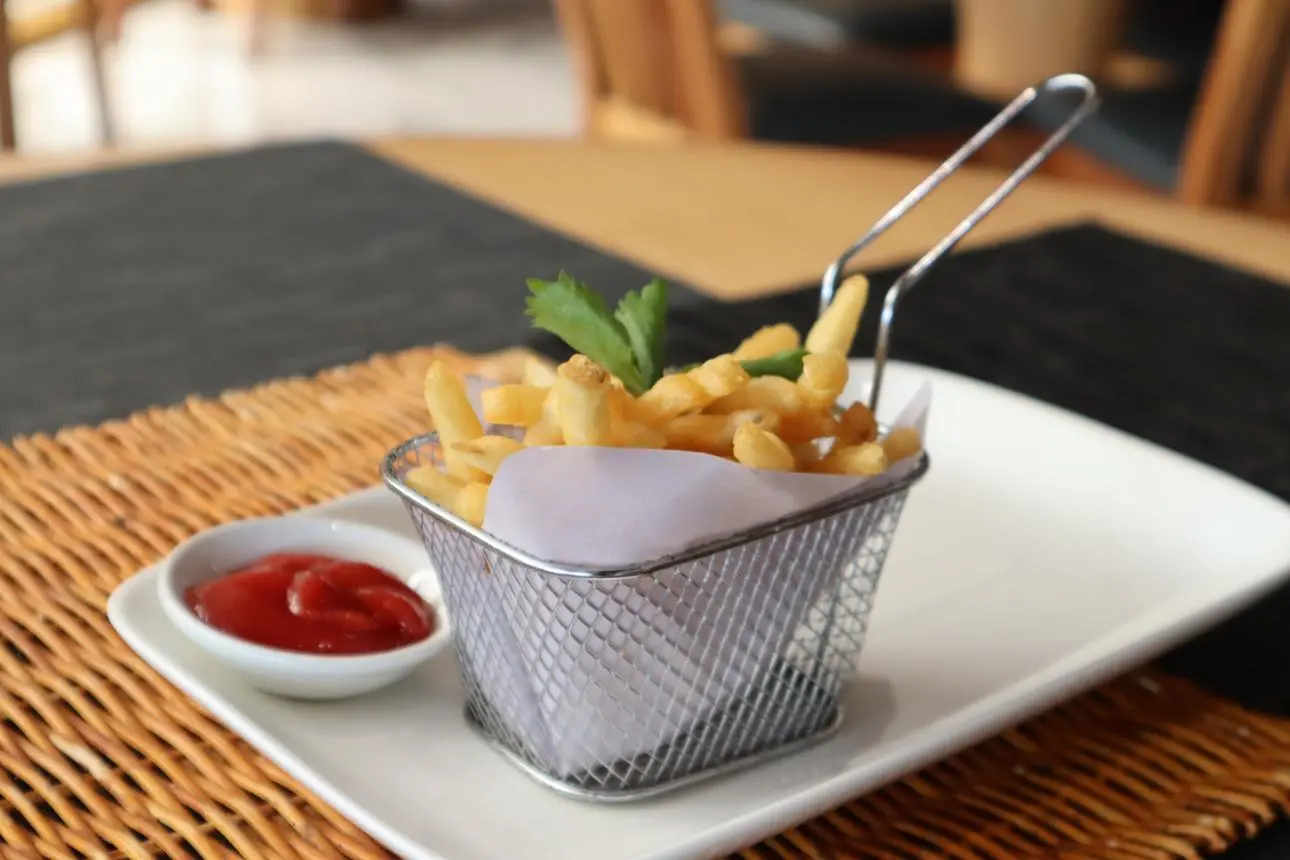
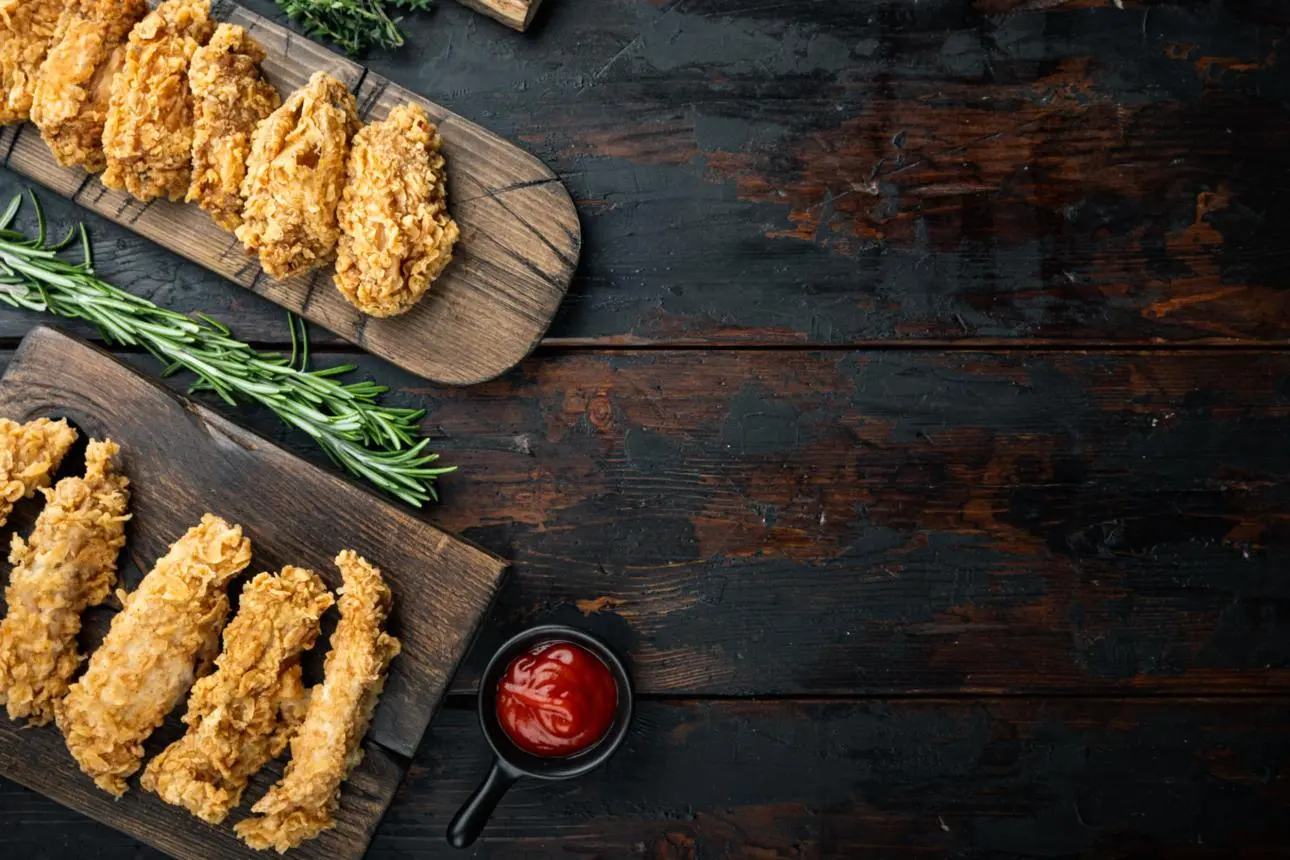
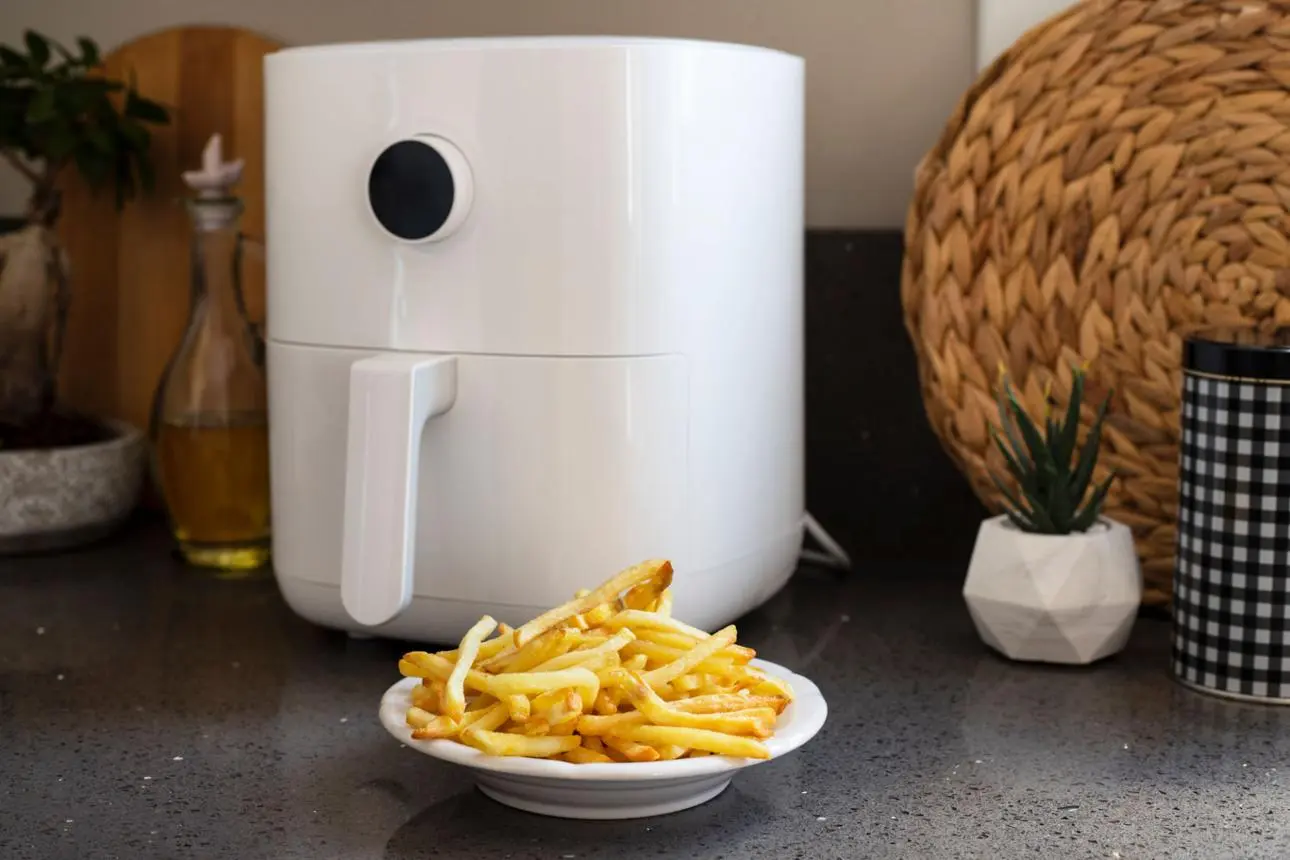
The images on our recipe pages are food photography created to illustrate the finished dish. They are not photographs of that exact batch cooked in my kitchen. I would rather tell you that plainly than let you assume otherwise. As I cook and photograph recipes myself, I replace the illustrations with the real thing and say so on the page.
I am not a chef. I have no restaurant background and no culinary qualification. I am an engineer who cooks for his family, reads the science, and is careful with numbers. If a page ever suggests more than that, it is badly written and I want to hear about it.
Recipes and cooking guides inspired by fast food flavors, restaurant copycats, comfort-food classics and quick family dinners.
The goal is not to reproduce a restaurant kitchen exactly. It is to get you the flavor you are after, with equipment you own and ingredients your supermarket stocks.
Exact temperatures, not “until done”
Timings that match the real method
Ingredients you can buy on the way home
Steps a beginner can follow first time
The reason behind each step, briefly
Updated in place when we can do better
From crispy fries to air fryer meals, we cover fast food-inspired favorites made for real home kitchens.
The people whose opinions decide what gets recommended here.
I choose what we publish, research the technique, write the pages and take responsibility for every number on them. My background is engineering, which mostly means I change one variable at a time and write down what actually worked.
Recipes are researched, written and published by Achraf. When we cook one of them at our own table, all five of us taste it — and the ones the family turns down do not get recommended here.
Not values. Commitments — the kind you can check on any page of this site.
Safe internal cooking temperatures stated in both °F and °C
Prep time plus cook time that adds up to the total shown
Every ingredient in the list used somewhere in the method
Cooking science verified, never repeated from other blogs
An FAQ that never contradicts the recipe card above it
Open disclosure of how pages and images are produced
A named, contactable person responsible for every page
Corrections made on the page itself, with the date updated
If a temperature looks off, a quantity does not match between the card and the method, or a recipe simply did not work the way this site said it would — write to me through the contact page. I read every message.
Corrections are made on the page itself rather than quietly deleted, and the “last reviewed” date is updated so you can see it happened. A recipe that fails in someone else’s kitchen is a problem with the recipe, not with the cook.
Start with a recipe you already know you like. The numbers on the page will hold up.
Browse All Recipes