
This recipe has become my default when I need something reliable and fast.
Most cooks overcomplicate Alfredo sauce by adding flour or trying to stretch the cream too thin. That’s what makes this version work — you skip the thickeners and let the Parmesan create the body on its own. The sauce clings to the pasta without feeling gummy.
The homemade version tastes richer because you control the cheese ratio. Restaurants often dilute the sauce to manage costs, but at home you can use a full cup of freshly grated Parmesan for four servings. That makes every bite coat your fork properly.
You can have this olive garden chicken alfredo copycat on the table in 30 minutes. The chicken cooks while the pasta boils, then everything comes together in one skillet. No complicated steps, no roux, no guessing whether the sauce will break.
Why Olive Garden Chicken Alfredo Is So Popular
The Sauce Texture That Makes It Work
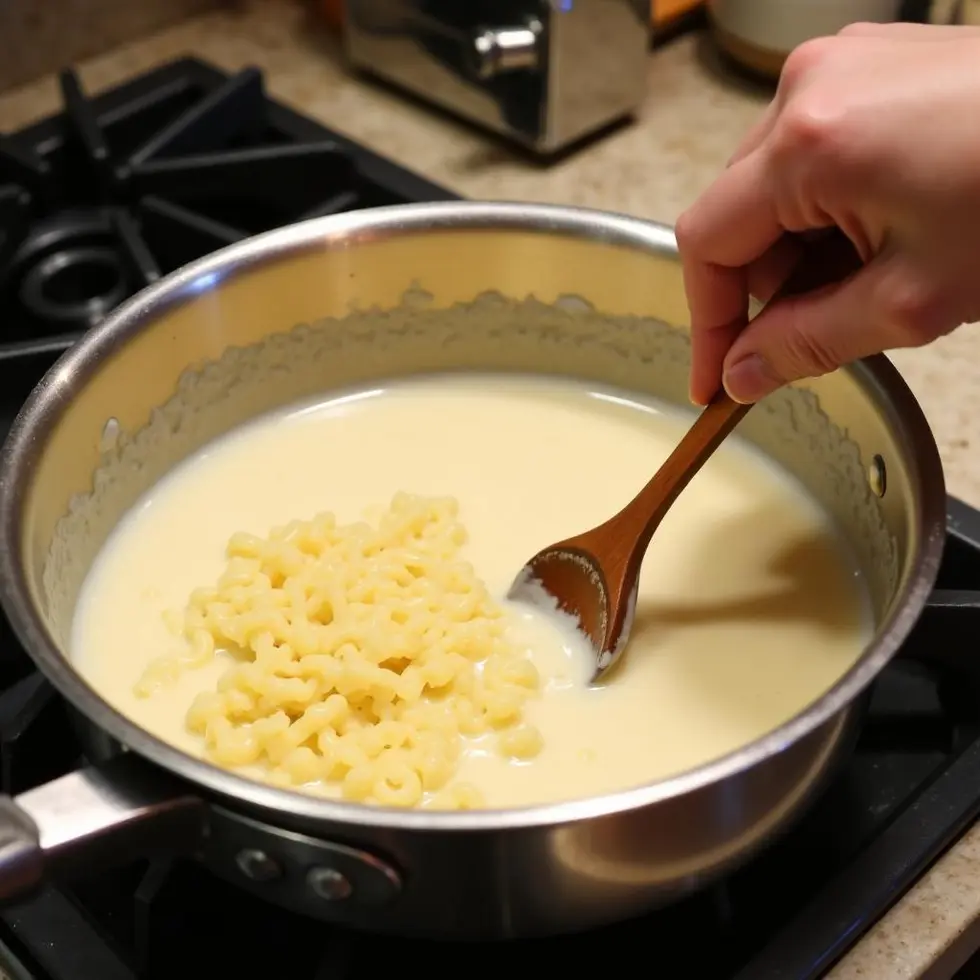
What gives restaurant-style Alfredo its silky consistency is the balance between heavy cream and freshly grated Parmesan. The cream provides the base, and the cheese melts into it to create natural thickness without flour or cornstarch. Most home cooks add pre-shredded cheese, which contains anti-caking agents that prevent smooth melting.
Freshly grated Parmesan melts cleaner and emulsifies with the cream in about 30 seconds of whisking. That’s why the homemade version feels smoother on your tongue — no gritty texture, no broken sauce.
Why Nutmeg Appears in Alfredo Sauce
Nutmeg isn’t just a baking spice. A quarter teaspoon adds warmth and rounds out the sharpness of Parmesan without making the sauce taste sweet. Italian cooks use nutmeg in béchamel and cream sauces because it balances dairy richness.
You won’t taste nutmeg directly, but you’ll notice the sauce feels more complete. Skip it, and the sauce tastes flat. Add too much, and it overwhelms the cheese. A quarter teaspoon for four servings is the right amount.
This approach gives you better control than ordering takeout, where the sauce often arrives thin or separates during transport.
How to Make the Creamy Alfredo Sauce
This olive garden chicken alfredo copycat works best when the signature flavor, texture, and serving idea all support the same restaurant-style result.
Garlic Timing Prevents Bitterness
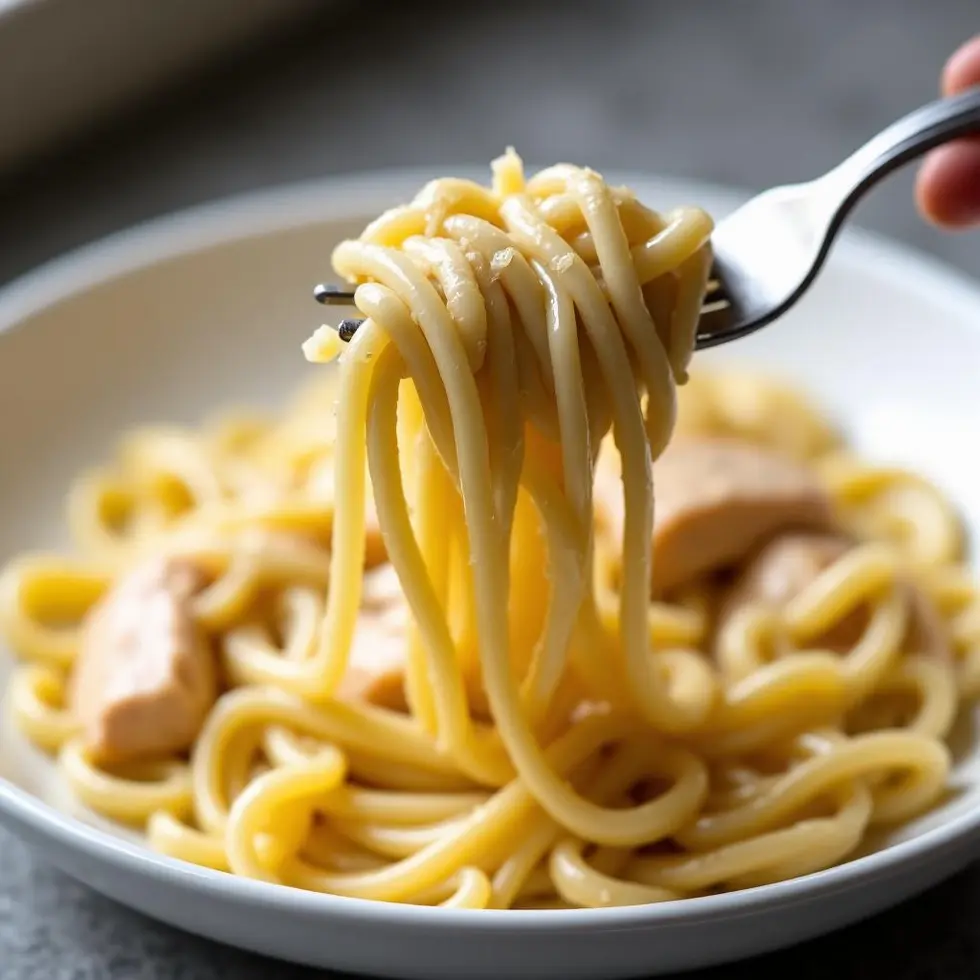
Most recipes tell you to cook garlic until golden, which usually means burnt. After you transfer the cooked chicken to a plate, reduce the heat to medium before adding butter and minced garlic. Cook the garlic for just one minute until fragrant, not browned.
Garlic turns bitter fast over high heat. One minute at medium heat releases the aroma without creating sharp, acrid notes that ruin the sauce. The butter also protects the garlic from scorching.
Simmer the Cream Before Adding Cheese
Pour in the heavy cream and bring it to a gentle simmer for three to four minutes. This reduces the water content slightly and creates a thicker base before the Parmesan goes in. If you add cheese to cold cream, it clumps instead of melting smoothly.
Once the cream thickens, remove the skillet from direct heat and whisk in the Parmesan, black pepper, and nutmeg. The residual heat melts the cheese without curdling the sauce. If the skillet is too hot, the proteins in the cheese seize and turn grainy.
This technique is what restaurants rely on to serve Alfredo that doesn’t break during service. The homemade version gives you fresher garlic flavor and a sauce that stays creamy on the plate, not just in the pan.
If you prefer a set-it-and-forget-it method, you can also try a slow cooker approach for a hands-off version.
Chicken Tips, Pasta Swaps and Storage
Cook Chicken to 165°F for Juiciness
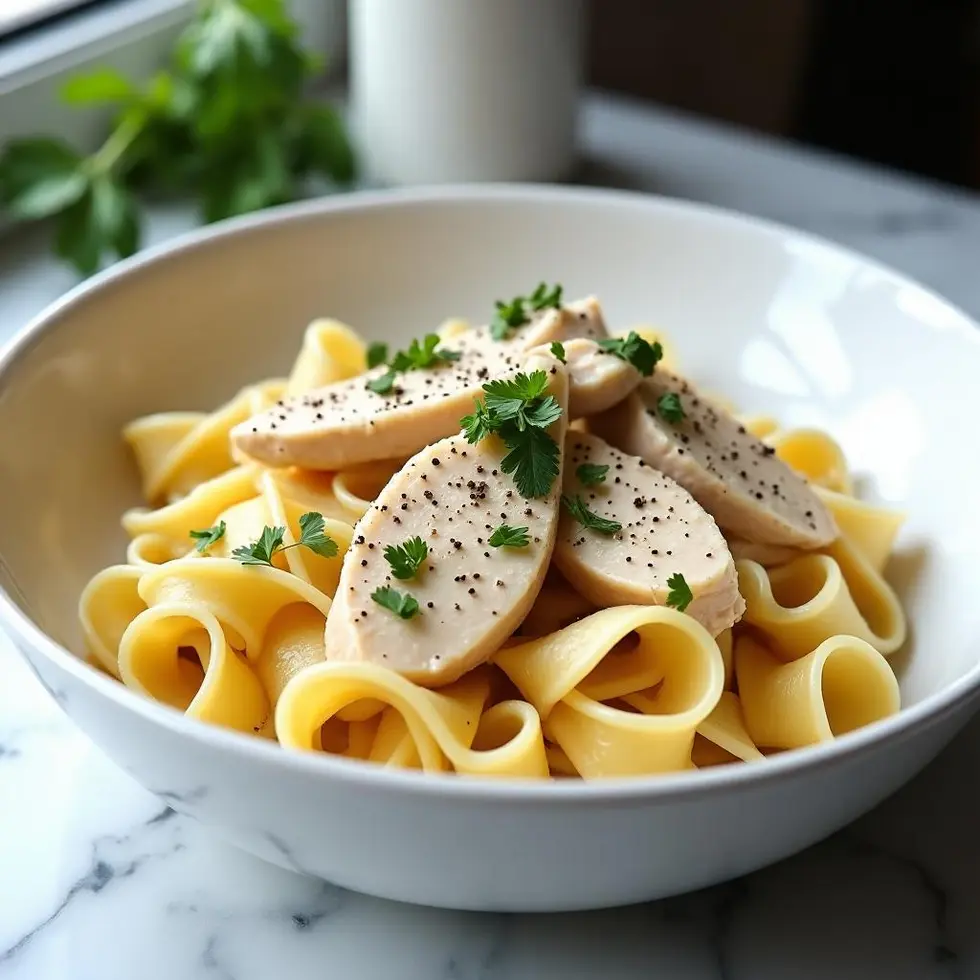
Heat olive oil over medium-high heat and cook the chicken strips for six to eight minutes, turning once. Use an instant-read thermometer to check for 165°F at the thickest part. Pull the chicken at 165°F, not higher, or the meat dries out.
Let the chicken rest on a plate while you make the sauce. Resting redistributes the juices so they don’t pour out when you slice or bite into the meat. Skipping this step makes the chicken taste dry even if you cooked it perfectly.
Pasta and Storage Options
Fettuccine is traditional, but penne or rigatoni work if you prefer ridged pasta that holds more sauce. Cook any pasta to al dente — it should have a slight firmness in the center. Overcooked pasta turns mushy when tossed with the sauce.
Store leftovers in an airtight container in the fridge for up to three days. Reheat gently over low heat with a splash of cream or milk to loosen the sauce. Alfredo thickens as it cools because the cheese solidifies, so adding liquid brings it back to the right consistency.
You can also prep the chicken and sauce separately, then combine them just before serving if you’re making this for meal prep. The sauce reheats better when stored alone.
This chicken fettuccine alfredo setup gives you full control over portions, spice level, and cheese intensity — adjustments that aren’t possible with restaurant takeout.
Last Tips Before You Plate
Grate your Parmesan right before you start cooking. Pre-shredded cheese won’t melt smoothly, and the sauce will feel grainy no matter how much you whisk. A box grater or microplane takes two minutes and makes the texture noticeably better.
Start with medium heat for the sauce and adjust down if it bubbles too fast. Alfredo breaks when overheated, so patience during the simmer gives you a sauce that coats the pasta evenly without separating on the plate.
Frequently Asked Questions
Can I use milk instead of heavy cream?
Milk won’t create the same thick, velvety texture because it lacks the fat content needed to emulsify with Parmesan. Heavy cream is what gives Alfredo its signature richness. If you want a lighter version, use half-and-half, but expect a thinner sauce.
Why does my Alfredo sauce turn grainy?
Grainy sauce usually means the cheese was added over high heat or you used pre-shredded Parmesan. Remove the skillet from heat before whisking in the cheese, and always grate fresh Parmesan for smooth melting. Pre-shredded cheese contains cellulose that prevents proper emulsification.
Can I make this ahead and reheat it?
Yes, but Alfredo sauce thickens as it cools. Store the pasta and sauce together in an airtight container for up to three days. Reheat gently over low heat with a splash of cream or milk to loosen the sauce back to its original consistency.
What’s the best pasta shape for Alfredo?
Fettuccine is traditional because its wide, flat shape holds the creamy sauce well. Penne, rigatoni, or linguine also work if you prefer ridged or shorter pasta. Avoid angel hair or thin spaghetti, which don’t support heavy sauces as effectively.
Can I add vegetables to this dish?
Yes. Sauté broccoli florets, spinach, or mushrooms in the same skillet after cooking the chicken, then set them aside and add them back with the pasta. Keep the vegetables lightly cooked so they don’t release too much water into the sauce.
Chicken Fettuccine Alfredo
Ingredients
Method
- Cook the fettuccine in salted boiling water according to package directions until al dente, then drain and set aside.
- Heat olive oil in a large skillet over medium-high heat and cook the chicken strips for 6 to 8 minutes, turning once, until golden and cooked to 165°F / 74°C, then transfer to a plate.
- Reduce heat to medium, add butter and garlic to the same skillet, and cook for 1 minute until fragrant.
- Pour in the heavy cream, bring to a gentle simmer, and cook for 3 to 4 minutes until slightly thickened.
- Stir in the Parmesan cheese, black pepper, and nutmeg, whisking until the sauce is smooth and creamy.
- Add the cooked fettuccine and chicken to the skillet and toss gently until everything is evenly coated with the Alfredo sauce.
- Serve immediately with extra Parmesan on top if desired.
