
This is the kind of recipe I reach for when I want good food without a complicated process.
This easy garlic pasta recipes keeps dinner realistic by using quick prep, simple ingredients, and a method that does not waste time.
Garlic pasta doesn’t ask much from you. The garlic blooms in butter, the pasta water helps everything cling together, and the parmesan melts into a glossy coating that tastes rich without feeling heavy. Nothing needs to marinate or simmer for twenty minutes.
This version relies on parallel cooking: while the pasta boils, you make the sauce. Both finish at nearly the same time, so dinner lands on the table in 15 minutes. You don’t need specialty ingredients or advanced technique, just six cloves of garlic, good butter, and a block of real parmesan.
The flavor comes from toasting the garlic just until it smells sweet and nutty, then adding starchy pasta water to create a sauce that coats each strand. It’s the kind of easy garlic pasta recipes that work on repeat because the timing stays reliable and the ingredient list fits in one bag.
Why Garlic Pasta Is So Easy and Flavorful
Parallel Cooking Keeps the Timing Tight
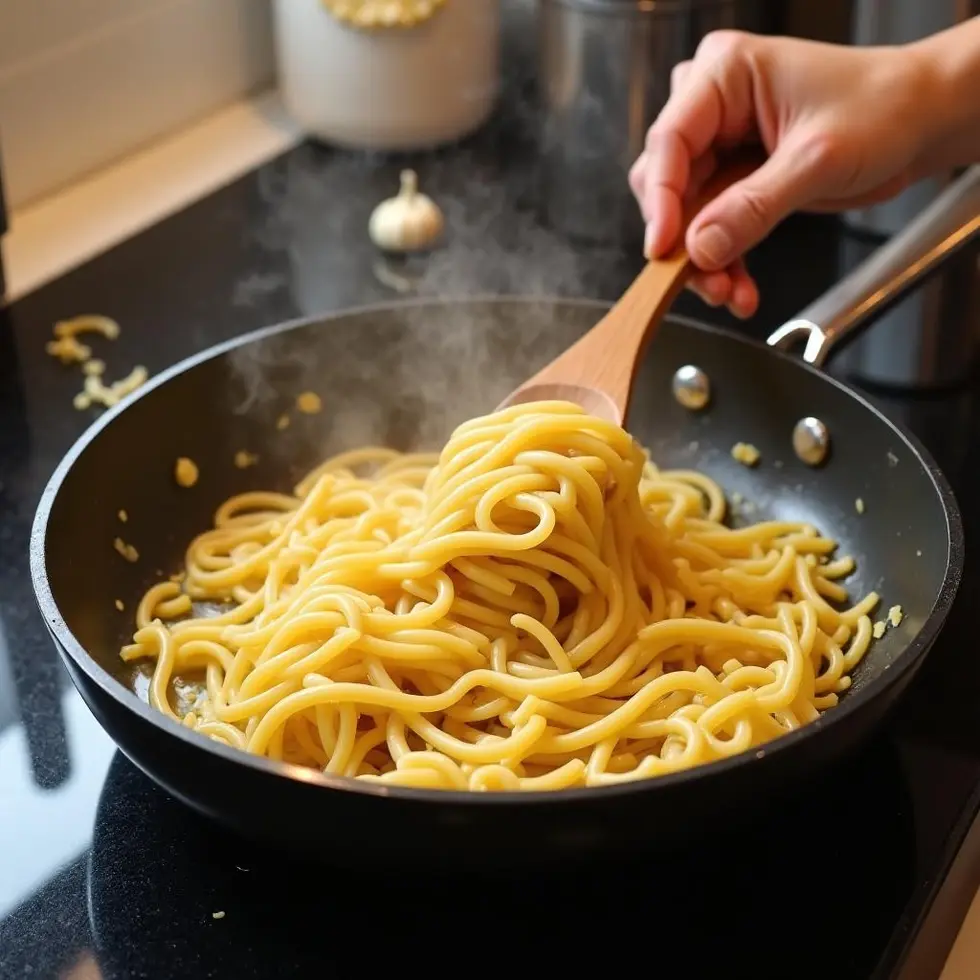
The moment your pasta water starts boiling, you drop the spaghetti and immediately turn to the skillet. While the pasta cooks for 8 to 10 minutes, you melt butter, add minced garlic and red pepper flakes, and let the garlic cook for just 1 to 2 minutes.
By the time the pasta reaches al dente, the garlic butter is fragrant and ready. You’re not waiting for one step to finish before starting another—both happen side by side, which is what makes this a genuine 15-minute meal.
Starchy Pasta Water Creates the Sauce
Reserving 1/4 cup of pasta water before you drain gives you the ingredient that binds everything together. The starch in that water helps the butter and parmesan emulsify into a smooth sauce instead of separating into greasy puddles.
When you toss the drained pasta with the garlic butter, reserved water, and half the parmesan, the sauce coats each strand evenly. This technique is what turns simple ingredients into something that tastes cohesive and rich.
If you enjoy pasta with creamy butter-based sauces, the same principle applies here—starchy water is what makes the texture work.
Fresh Garlic Brings Big Flavor Fast
Six cloves of minced garlic might sound like a lot, but garlic mellows as it cooks in butter. Stirring constantly for 1 to 2 minutes ensures the garlic stays pale gold and fragrant without turning bitter.
That short window is enough to release sweetness and aroma, and because you’re working with fresh cloves instead of jarred paste, the flavor stays bright and clean. If you want a little heat, the red pepper flakes add a quiet warmth that balances the butter and parmesan without overwhelming the garlic.
This approach delivers bold flavor without complicated prep, which is why garlic pasta works so well on weeknights.
Easy Garlic Pasta Recipes to Make Fast
The Base Recipe in Real Time
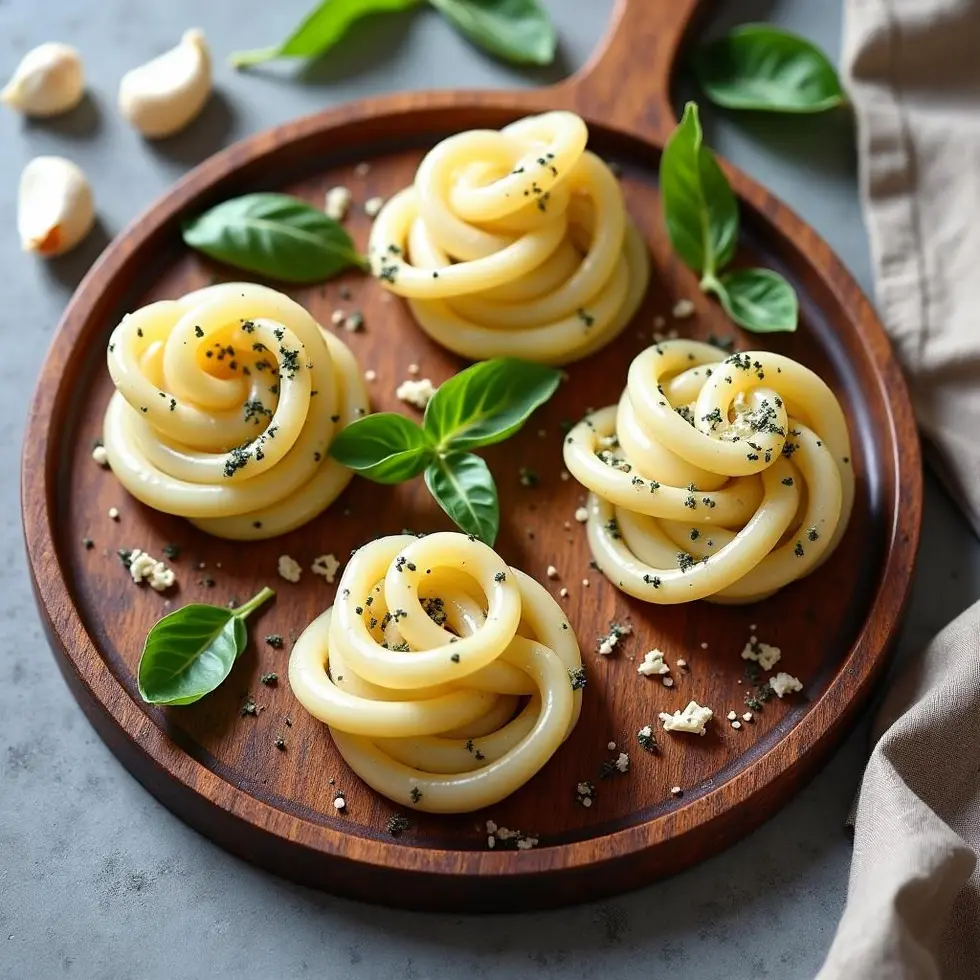
Start with 340 grams of spaghetti or linguine in a large pot of salted boiling water. Set a timer for 8 to 10 minutes. At the same moment, heat 4 tablespoons of butter in a large skillet over medium heat until it melts, which takes about 1 minute.
Add the minced garlic and 1/4 teaspoon of red pepper flakes. Stir constantly for 1 to 2 minutes—you’ll smell it before you see much color. At the 8-minute mark, taste a strand of pasta. If it’s just tender with a slight bite, reserve 1/4 cup of the cooking water and drain the rest.
Add the drained pasta, reserved water, and 1/4 cup of grated parmesan to the skillet. Toss everything together for 1 minute until the sauce clings to the pasta. Remove from heat, season with 1/4 teaspoon salt and a few cracks of black pepper, then top with the remaining parmesan and 2 tablespoons of chopped fresh parsley.
What Makes the Timing Work
The reason this stays inside 15 minutes is that nothing waits. You don’t brown the garlic slowly, you don’t reduce the sauce, and you don’t bake or broil anything. The pasta cooks in 10 minutes, the garlic toasts in 2, and the final toss takes 1.
If you’re using dried spaghetti straight from the pantry, the timing is predictable every time. Fresh pasta would cook faster, but dried pasta gives you a consistent window that matches the sauce preparation perfectly.
For more ideas on quick pasta side dishes, similar techniques apply—short cook times and minimal steps.
One Reliable Tip
Keep your garlic moving in the skillet. Minced garlic burns fast, and once it turns brown, it tastes bitter. Stirring constantly over medium heat for just 1 to 2 minutes releases the flavor without crossing into burnt territory.
If you’re nervous about burning it, pull the skillet off the heat as soon as the garlic smells sweet and looks pale gold. The residual heat will finish the job while you drain the pasta.
Now let’s look at how butter, cream, and parmesan change the texture and richness of the dish.
Butter, Cream and Parmesan Variations
Adding Cream for Extra Richness
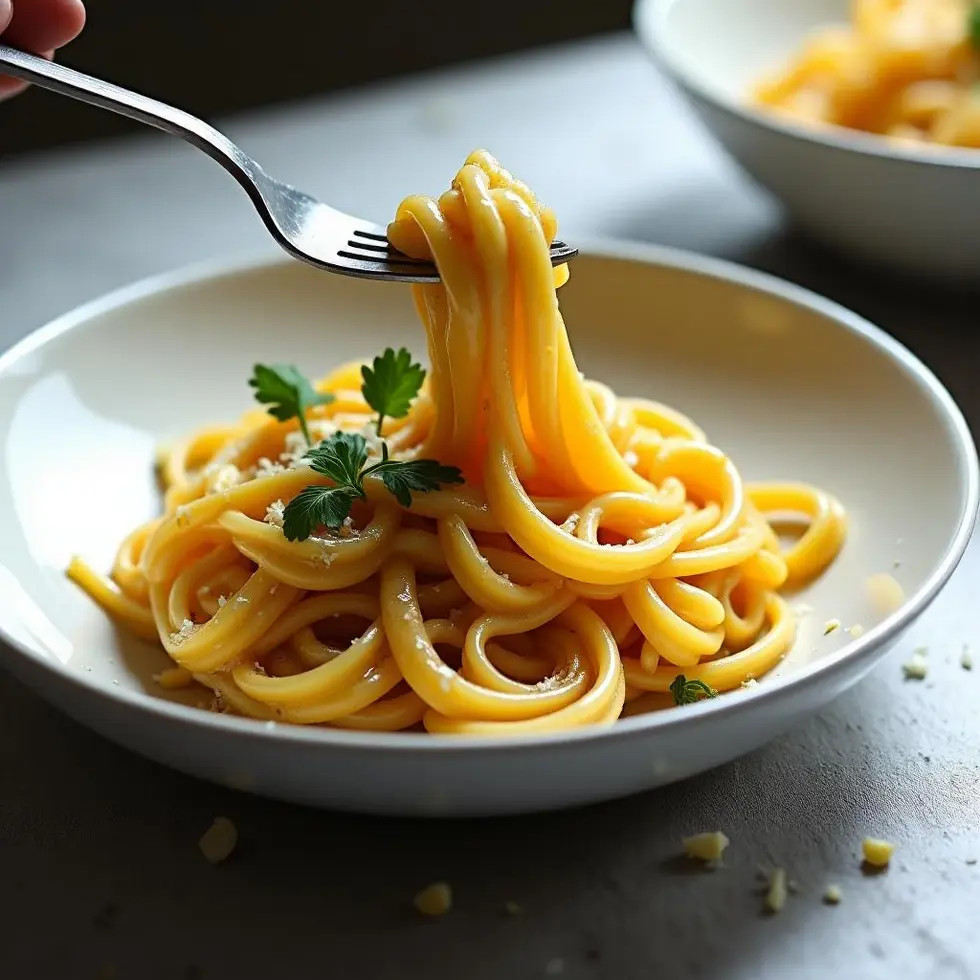
If you want a creamier version, add 1/4 cup of heavy cream to the skillet after the garlic has cooked. Let it warm for 30 seconds, then toss in the pasta, reserved water, and parmesan as usual.
The cream adds body without making the sauce thick or heavy. It coats the pasta more completely and creates a slightly softer flavor that balances the sharpness of the parmesan and the bite of the garlic.
This variation still stays inside 15 minutes because cream heats quickly and doesn’t need time to reduce. For more guidance on garlic butter pasta techniques, the same principles of timing and emulsification apply.
Adjusting the Parmesan
The base recipe uses 1/2 cup of grated parmesan, divided between the toss and the topping. If you prefer a sharper, saltier finish, add an extra 2 tablespoons at the end.
Freshly grated parmesan melts more smoothly than pre-shredded cheese, which often contains anti-caking agents that prevent proper emulsification. Grating it yourself from a block takes less than a minute and makes a noticeable difference in how the sauce clings to the pasta.
Scaling for More Servings
This recipe serves four. To double it, use a 12-inch skillet so the pasta has room to toss without clumping. You’ll need 680 grams of pasta, 8 tablespoons of butter, 12 cloves of garlic, and 1 cup of parmesan.
The cook time stays the same because you’re still boiling pasta for 8 to 10 minutes and toasting garlic for 1 to 2. The only difference is using a larger pot and skillet to handle the volume.
If you’re cooking for two, halve everything and use a smaller skillet. The timing remains consistent, which is what makes this recipe reliable no matter how many servings you need.
Keep This in Mind
If the pasta water evaporates before you’re ready to drain, don’t panic. Just scoop out 1/4 cup before you drain—it’s easier to take too much than too little, and you can always use less in the skillet.
Try this once exactly as written. Next time, adjust the garlic if you want it milder, or add an extra pinch of red pepper flakes if you prefer more heat. The recipe is flexible once you understand how the timing and the sauce work together.
Frequently Asked Questions
Can I use pre-minced garlic from a jar?
You can, but fresh garlic tastes sharper and more aromatic. Jarred garlic often has a softer, slightly fermented flavor that doesn’t bloom the same way in butter. If you do use jarred garlic, reduce the cook time to 1 minute to avoid bitterness.
What if I don’t have parmesan?
Pecorino Romano works as a substitute. It’s saltier and sharper, so use slightly less—start with 1/3 cup and taste before adding more. Avoid pre-shredded cheese blends labeled “parmesan style,” as they don’t melt smoothly.
Can I make this ahead?
Garlic pasta tastes best fresh, but you can prep the garlic and measure out the parmesan and butter in advance. Once cooked, the pasta will dry out and the sauce will separate if refrigerated. If you need to reheat leftovers, add a splash of water or broth and warm gently in a skillet.
How do I keep the garlic from burning?
Use medium heat, not high. Stir constantly for the full 1 to 2 minutes. If the garlic starts to brown too quickly, pull the skillet off the heat immediately. Burned garlic tastes bitter and can’t be fixed.
Can I add protein to this dish?
Yes. Cooked shrimp, shredded rotisserie chicken, or sautéed mushrooms all work well. Add them to the skillet after the garlic cooks but before you toss in the pasta. This keeps the 15-minute timing intact as long as the protein is already cooked.
Garlic Butter Pasta
Ingredients
Method
- Bring a large pot of salted water to a boil and cook the pasta for 8 to 10 minutes until al dente, then reserve 1/4 cup pasta water and drain.
- While the pasta cooks, melt the butter in a large skillet over medium heat for 1 minute.
- Add the minced garlic and red pepper flakes to the butter and cook for 1 to 2 minutes, stirring constantly, until fragrant but not browned.
- Add the drained pasta, reserved pasta water, and half the parmesan to the skillet and toss for 1 minute until the sauce coats the pasta.
- Remove from heat, season with salt and black pepper, then top with remaining parmesan and fresh parsley before serving.