
Watching the sausage crumbles turn golden while the pasta boils gives you a simultaneous cook that holds the entire 15-minute timeline together.
Browned Italian sausage crumbles form the foundation, creating a meaty base that develops deep flavor in under six minutes. Penne cooks just long enough to turn tender without overshooting, and the entire process happens across two burners at the same time. While most pasta dishes ask you to build a sauce from scratch, these easy sausage pasta recipes rely on jarred marinara and a splash of cream to reach the same rich finish without extra measuring or simmering. Everything happens in parallel: the water heats, the sausage browns, and by the time you drain the pasta, the skillet is ready to receive it.
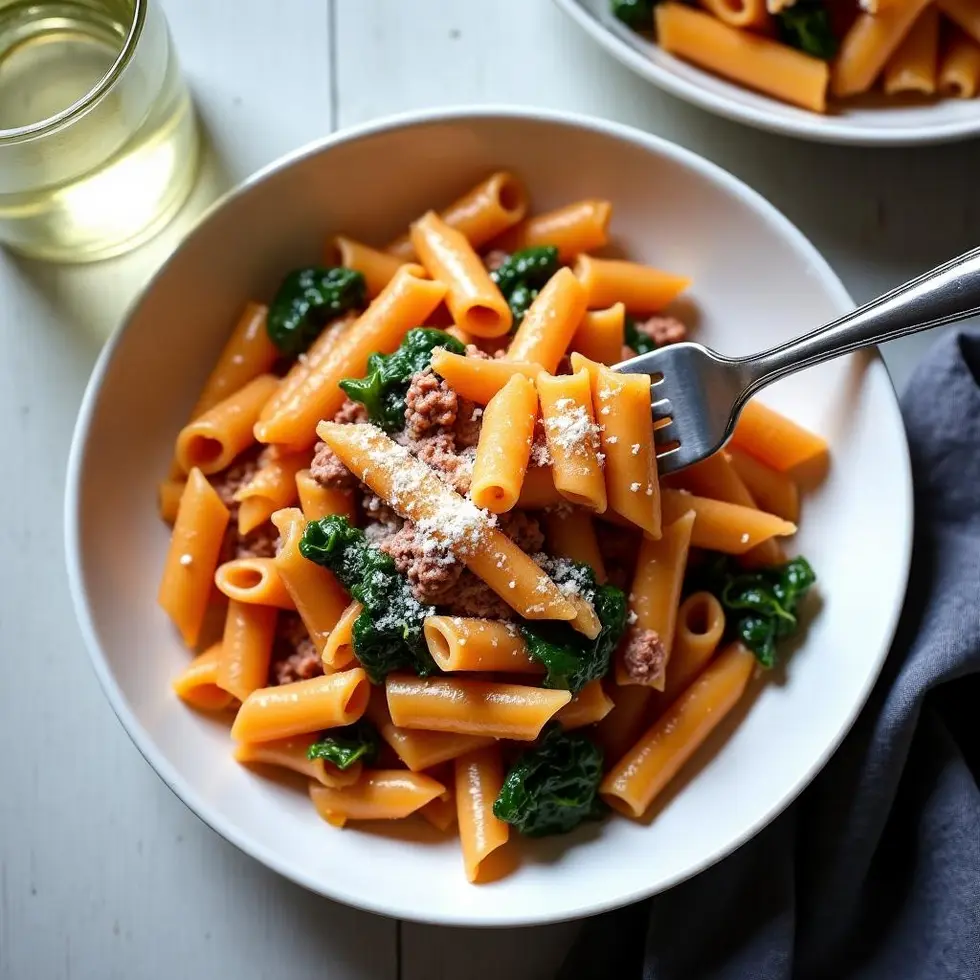
The texture is creamy without feeling heavy. Baby spinach wilts in the residual heat, Parmesan melts into the sauce, and each piece of penne carries a coating of tomato cream and browned meat. Dinner arrives warm, comforting, and substantial enough to satisfy without requiring a single complicated technique or hard-to-find ingredient.
Why Sausage Pasta Is a Great Weeknight Meal
It Happens in Two Pots, Both Busy at the Same Time
The 15-minute promise works because the pasta boils in one pot while the sausage browns in a skillet on the next burner. Most recipes ask you to finish one element before starting another, but this version runs both simultaneously from the moment you turn on the heat. The water reaches a boil in about three minutes, and the sausage begins to release fat and develop color at almost the same pace. By the eight-minute mark, both are ready to combine.
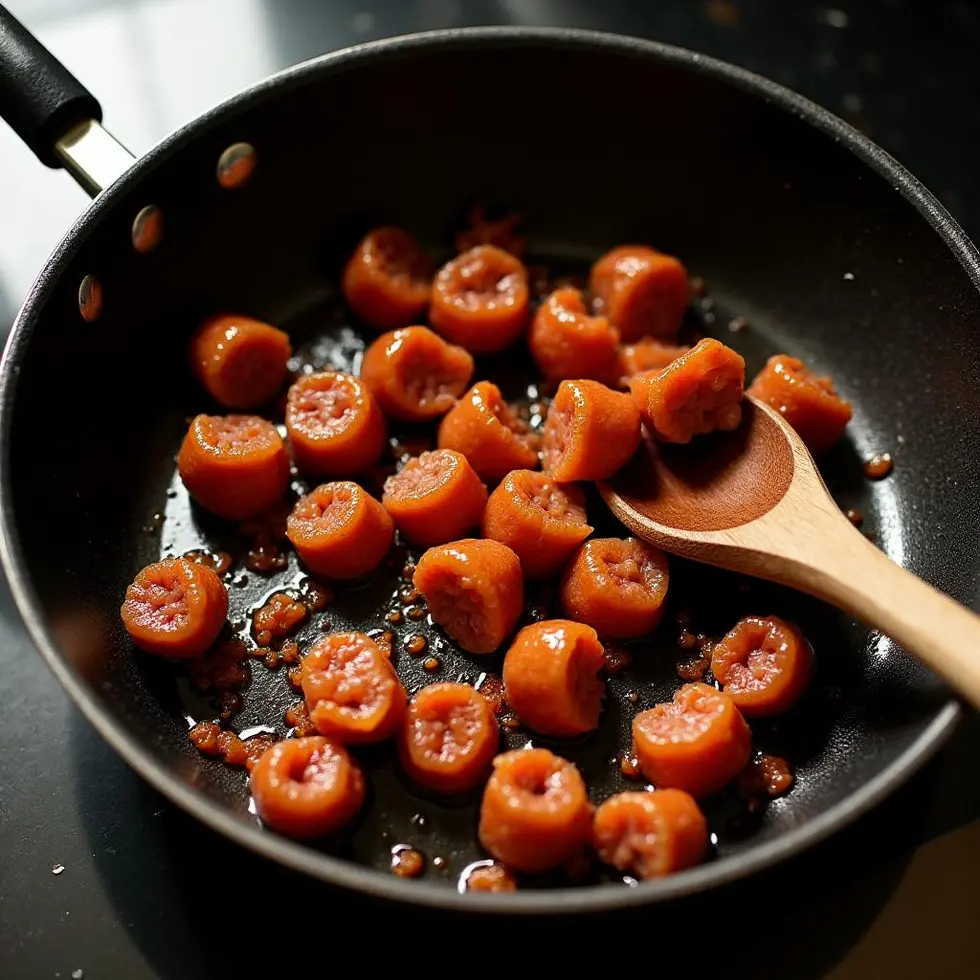
Italian sausage cooks quickly once you remove the casings and break the meat into small crumbles. High heat encourages browning without drying out the fat, and those golden edges deliver the deep, savory base that makes the sauce taste richer than the handful of ingredients would suggest. Easy and Delish demonstrates a similar parallel approach, proving that skillet timing and stovetop coordination are what separate a fast dinner from a slow one.
Marinara sauce comes straight from the jar, eliminating the need to sauté onions, garlic, or tomatoes separately. Heavy cream smooths the acidity and adds body in seconds. Garlic powder and red pepper flakes season the sauce without requiring you to peel, mince, or bloom whole spices. The skillet becomes a one-pan finishing station, and the sausage fat already clinging to the surface helps the sauce coat the pasta evenly.
The Ingredient List Pulls from the Pantry
Penne, marinara, Parmesan, and sausage are the kind of staples that most kitchens already stock. Heavy cream keeps in the refrigerator for a week or more, and baby spinach holds well in a crisper drawer without wilting overnight. You don’t need specialty pasta shapes, imported cheeses, or fresh herbs that spoil before you use the whole bunch. The recipe depends on accessible items that you can pick up during a single grocery run and turn into multiple dinners without waste.
Italian sausage pasta gains its character from the seasoning already mixed into the meat. Fennel, garlic, and pepper are built into the grind, so you skip the step of toasting spices or building a flavor base from scratch. The sausage does the heavy lifting, and the marinara amplifies what’s already there.
The spinach wilts in under a minute once it hits the hot pasta, adding color and a mild earthy note without requiring a separate pan or extra cooking time. You toss it in at the end, and the residual heat does the rest. The setup favors reliability over complexity, which is exactly what makes these sausage pasta recipes practical for a Tuesday night when the clock is working against you.
Easy Sausage Pasta Recipes to Make Tonight
The Core Method, Timed to the Minute
Start both burners at the same time. Bring salted water to a boil in a large pot and heat a skillet over medium-high heat while the water heats. At the three-minute mark, drop the penne into the boiling water and add the sausage to the dry skillet. The sausage begins to sizzle immediately, and you use a wooden spoon to break it into small crumbles as it cooks.
By the five-minute mark, the sausage should show golden-brown edges and release enough fat to coat the bottom of the pan. Stir occasionally to prevent sticking, but avoid moving it constantly—leaving it undisturbed for 30 seconds at a time encourages browning. At the eight-minute mark, the pasta reaches al dente and the sausage finishes cooking through. Drain the pasta, reserving a small cup of pasta water in case the sauce needs thinning later.
Add the marinara sauce, heavy cream, garlic powder, and red pepper flakes to the skillet with the sausage. Stir for two minutes until the sauce heats through and the cream blends evenly into the tomato base. The sauce should look smooth and slightly glossy, with no visible separation between the cream and the marinara. Add the drained pasta, Parmesan, and spinach, then toss everything together for one minute. The spinach wilts on contact, the cheese melts into the sauce, and the pasta absorbs the creamy coating.
Texture Cues That Tell You It’s Ready
The sausage crumbles should feel firm when you press them with the spoon, not soft or spongy. If they release clear juices instead of pink, they’re cooked through. The pasta should bend without snapping but still hold a slight resistance in the center when you bite into a piece. Overcooking the penne by even two minutes turns it mushy once it sits in the sauce, so drain it the moment it reaches that firm-tender stage.
The sauce thickens slightly as the Parmesan melts, but it should still flow around the pasta rather than clumping. If it looks too thick, add a few tablespoons of the reserved pasta water and toss again. The starch in the pasta water helps the sauce cling without making it watery. The Dinner Bite offers a similar tossing technique, showing how the final minute in the skillet brings everything together.
The spinach should wilt completely but retain its bright green color. If it still looks raw or stiff, let the mixture sit in the skillet for another 30 seconds off the heat. The residual warmth finishes the job without overcooking the pasta.
Some creamy sausage pasta dinners benefit from a second layer of Parmesan at the table, especially if you prefer a sharper finish. A light sprinkle adds salt and umami without masking the sausage or the tomato base. The goal is balance, not overwhelming richness.
Sauce Ideas, Pasta Swaps and Storage
Changing the Sauce Without Losing Speed
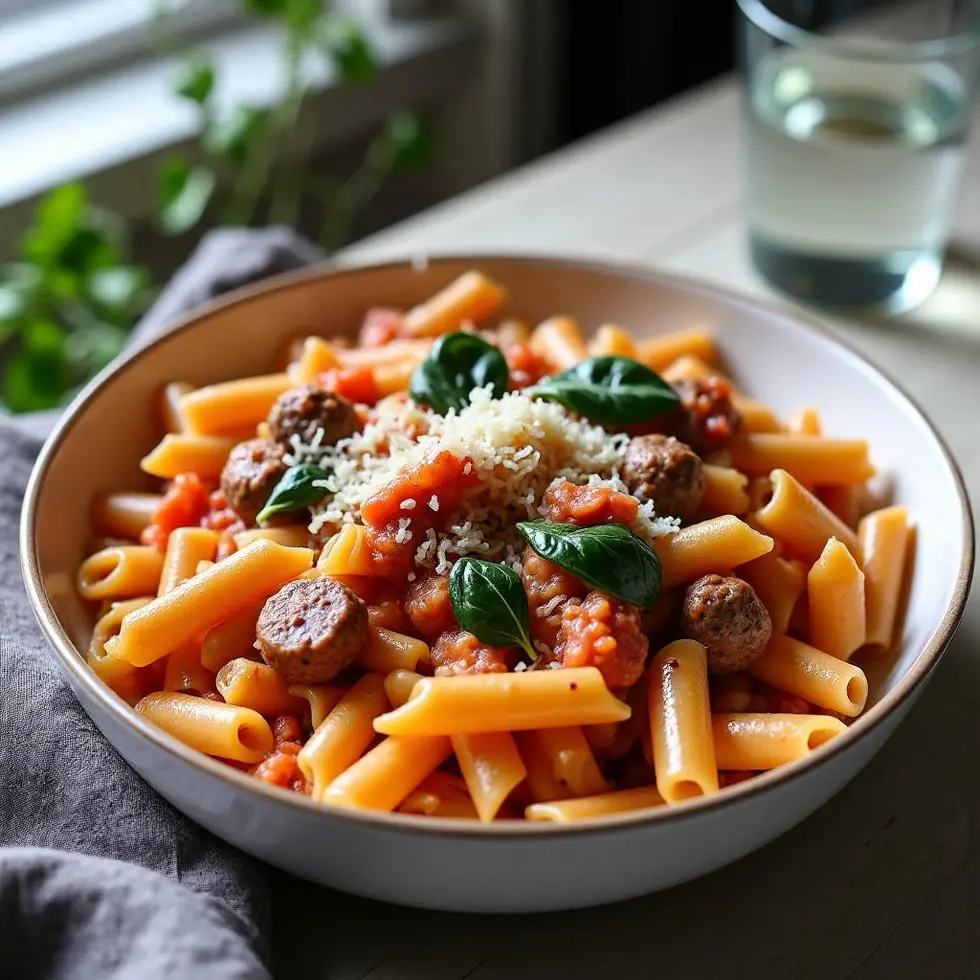
Marinara and cream form the classic base, but you can swap the marinara for arrabbiata if you want more heat or a vodka sauce if you prefer a smoother, slightly sweeter profile. Both come jarred and require no extra cooking time. Pesto works as a replacement for the cream, though you’ll want to reduce the Parmesan slightly to avoid over-salting. Real Food with Sarah explores pesto-based sausage pasta, using basil and garlic to build a bright, herbaceous finish that still fits the quick-cooking model.
For a lighter version, replace the heavy cream with half-and-half or whole milk. The sauce will be thinner, but it still coats the pasta if you toss it thoroughly and add a bit of pasta water to help the sauce emulsify. Greek yogurt stirred in at the end adds tang and creaminess without the dairy fat, though it can curdle if the skillet is too hot, so remove the pan from the heat before adding it.
Pasta Shape and Protein Swaps
Penne holds the sauce well, but rigatoni, shells, or cavatappi work equally well and cook in the same eight-minute window. Avoid angel hair or thin spaghetti—they cook too quickly and don’t grab the chunky sausage pieces the way short pasta does. If you’re sticking with a long noodle, fettuccine is sturdy enough to handle the sauce without turning limp. For a lighter protein option that still finishes in the same timeframe, ground chicken seasoned with fennel and garlic mimics the sausage profile without the pork fat, though you’ll need to add a tablespoon of olive oil to the skillet to prevent sticking.
Refrigerate leftovers in an airtight container for up to three days. The sauce thickens as it cools, so add a splash of water or broth when reheating on the stovetop. Microwave reheating works, but stir every 30 seconds to distribute the heat evenly and prevent the pasta from drying out. The spinach darkens slightly after storage but doesn’t lose flavor. If you’re scaling this recipe for meal prep, consider keeping the spinach separate and stirring it in fresh after reheating, which preserves the bright green color and avoids a mushy texture.
Serve It Hot, Right from the Skillet
The best moment to eat this dish is within five minutes of tossing everything together, when the Parmesan is still melting and the spinach holds its vibrant color. The sausage stays tender, the pasta doesn’t soak up too much sauce, and the creamy coating clings without separating.
Serve it straight from the skillet into shallow bowls, with extra grated Parmesan and a pinch of red pepper flakes on the side. A piece of crusty bread works well for mopping up the sauce, and a simple green salad balances the richness without adding much prep time. If you’re cooking for more than four, doubling the recipe works as long as you use a larger skillet—crowding the sausage prevents browning, and the timing falls apart if the meat steams instead of searing.
Frequently Asked Questions
Can I use ground beef or turkey instead of Italian sausage?
Ground beef or turkey works, but you’ll need to add fennel seeds, garlic powder, and a pinch of crushed red pepper to mimic the seasoning already present in Italian sausage. Brown the meat the same way, then season it before adding the sauce.
Do I need to use fresh spinach, or will frozen work?
Frozen spinach works if you thaw and squeeze out the excess water first. Add it at the same point in the recipe, but expect a slightly softer texture. Fresh baby spinach wilts quickly and keeps the dish looking brighter.
Can I make this ahead and reheat it later?
You can refrigerate the finished dish for up to three days. Reheat it on the stovetop over medium heat with a few tablespoons of water or broth to loosen the sauce. Microwave reheating works but requires stirring every 30 seconds to prevent drying.
What if the sauce looks too thick after tossing the pasta?
Add reserved pasta water one tablespoon at a time and toss until the sauce reaches the right consistency. The starch in the water helps the sauce cling without thinning the flavor. If you didn’t reserve any, plain water works in a pinch.
Creamy Italian Sausage Pasta
Ingredients
Method
- Bring a large pot of salted water to a boil and cook the penne for 8 minutes until al dente, then drain.
- While the pasta cooks, heat a large skillet over medium-high heat and cook the sausage for 5 minutes, breaking it into crumbles until browned and cooked through.
- Add the marinara sauce, heavy cream, garlic powder, and red pepper flakes to the skillet and stir for 2 minutes until heated through.
- Add the drained pasta, Parmesan cheese, and spinach to the skillet and toss for 1 minute until the spinach wilts and everything is coated.
- Serve immediately with extra Parmesan if desired.
