
Placing a slice of American cheese on a hot beef patty exactly sixty seconds before pulling it off the heat creates a perfectly melted layer without turning oily.
Restaurant-style burger flavor comes down to three elements: a simple creamy sauce, a properly cooked patty with a crust, and an assembly order that keeps the bun from turning soggy. The sauce combines mayonnaise, ketchup, and sweet pickle relish — nothing complicated — but the balance of tang, sweetness, and richness defines the familiar taste.
The patty itself uses 80/20 ground beef, which delivers enough fat to stay tender without making the burger greasy. Most home cooks skip the shallow thumb indent in the center of each patty, but that small step prevents the edges from puffing up during cooking.
Assembly order matters as much as the cooking. When you prepare a copycat In-N-Out burger, spreading sauce on both halves of the bun and layering lettuce directly on the bottom bun creates a moisture barrier that protects the bread through every bite.
What Makes an In-N-Out Burger Special
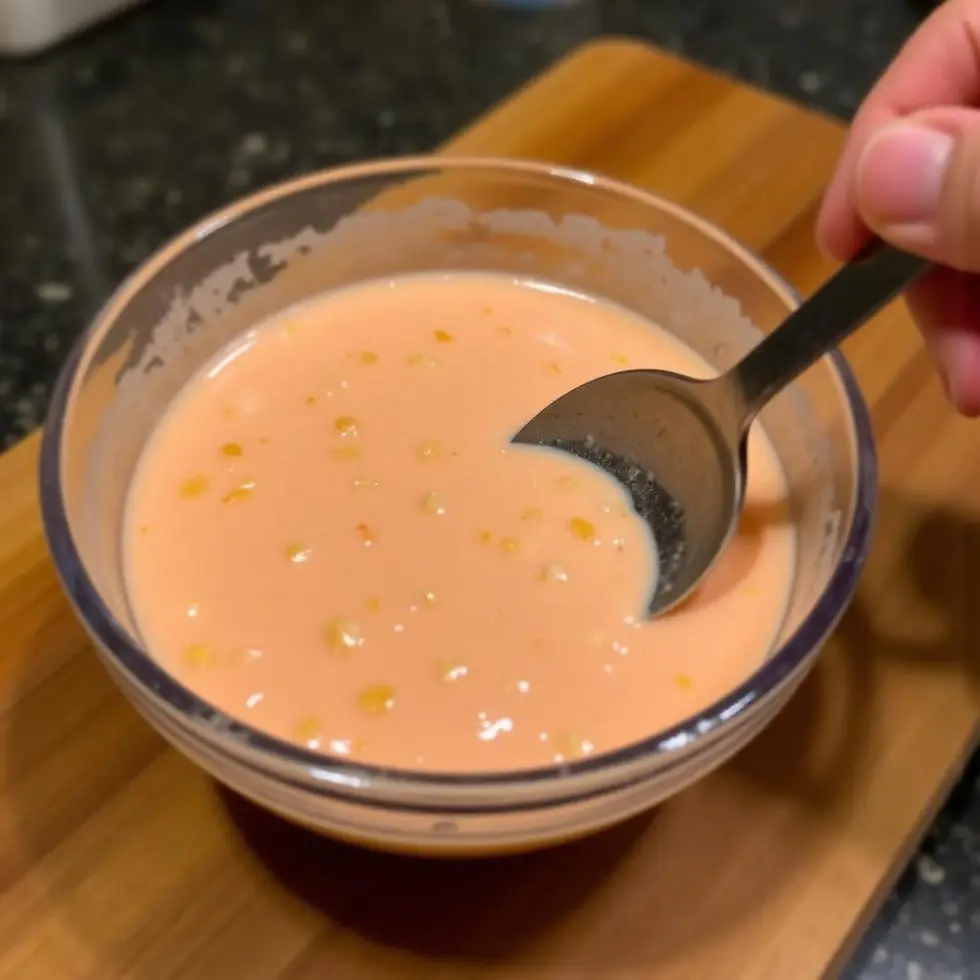
The Sauce Formula
The restaurant-style sauce depends on a specific ratio of creamy, tangy, and sweet ingredients. Mix one part mayonnaise with smaller parts ketchup and sweet pickle relish, and you get the pale pink color and familiar flavor that most people recognize immediately.
Refrigerating the sauce while you prepare the patties gives the relish time to soften slightly and blend with the mayonnaise. The texture improves after fifteen minutes of chilling, and the sauce holds together better when spread on warm buns.
Ground Beef Fat Content
The 80/20 ratio means eighty percent lean meat and twenty percent fat. That proportion delivers enough moisture to keep the patty tender without creating excess grease pooling on the plate.
Leaner beef produces a drier burger, and fattier blends can make the bun slide around. The twenty percent fat content also supports better crust formation when the patty hits a hot cast iron surface.
Using ground beef straight from the refrigerator makes shaping easier, and cold meat holds its shape better when it first touches the skillet. Shape each portion gently — overworking the beef creates a dense, tough texture instead of a tender bite.
How to Build the Copycat Burger
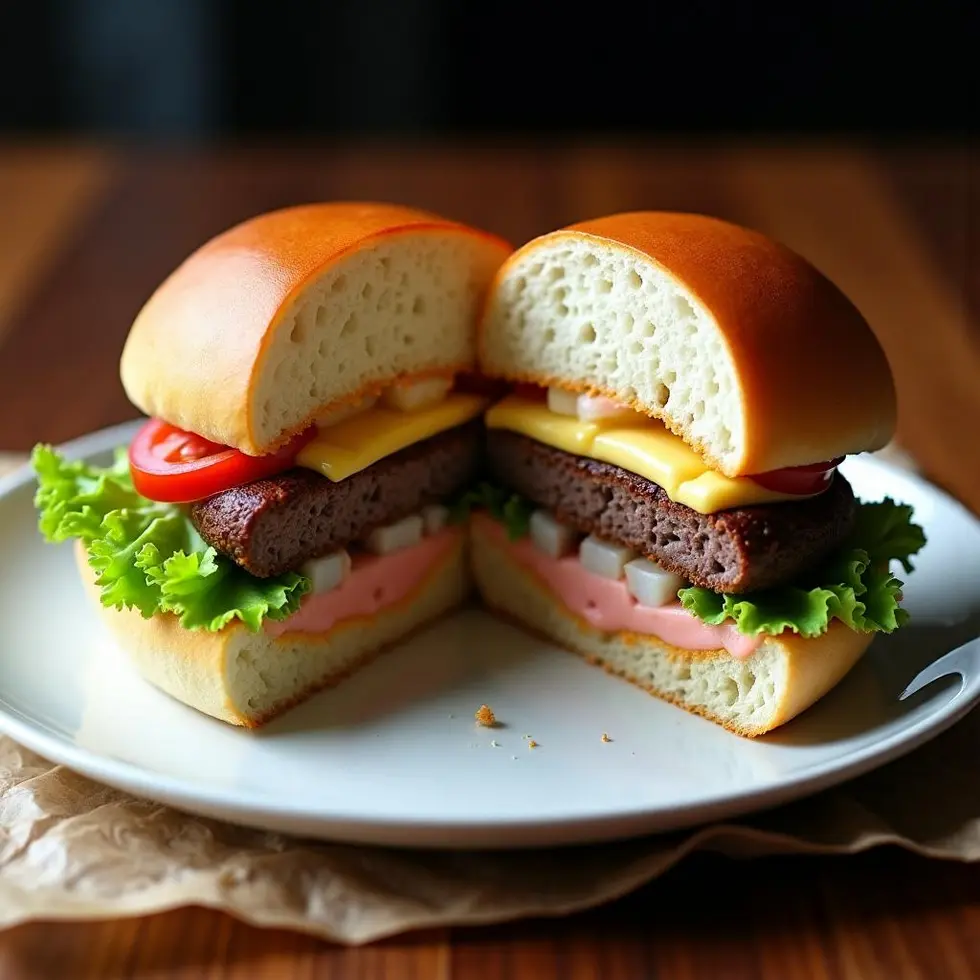
Shaping and Seasoning the Patty
Divide the ground beef into four equal portions and shape each into a patty slightly larger than the bun. Burgers shrink as they cook, so starting with a diameter about half an inch wider than the bun ensures proper coverage.
Press a shallow indent in the center of each patty with your thumb. The indent prevents the middle from bulging upward during cooking, which keeps the patty flat and easier to stack.
Season both sides with salt and black pepper immediately before cooking. Salting too early draws moisture out of the meat and creates a drier texture.
Cooking to 160°F
Heat a cast iron skillet or griddle over medium-high heat until a drop of water sizzles on contact. Place the patties in the pan without crowding them, and resist the urge to press down with a spatula — pressing squeezes out moisture and fat.
Cook for three to four minutes on the first side without moving the patty. The Maillard reaction creates a browned crust during this time, and flipping too early prevents proper crust formation.
Flip once, cook for another three to four minutes, and check the internal temperature with an instant-read thermometer. Ground beef must reach 160°F / 71°C for safe consumption, and pulling the patty at that exact temperature keeps it tender.
Place one cheese slice on each patty during the last sixty seconds of cooking and cover the pan with a lid or a large metal bowl. The trapped steam melts the cheese evenly without overcooking the beef. Toast the buns cut-side down in the same pan for one to two minutes until the edges turn golden, which adds texture and helps the bread hold up under the sauce.
Taste as you go — small adjustments do more for this copycat in n out burger than strict measurements.
Sauce, Toppings and Animal-Style Tips
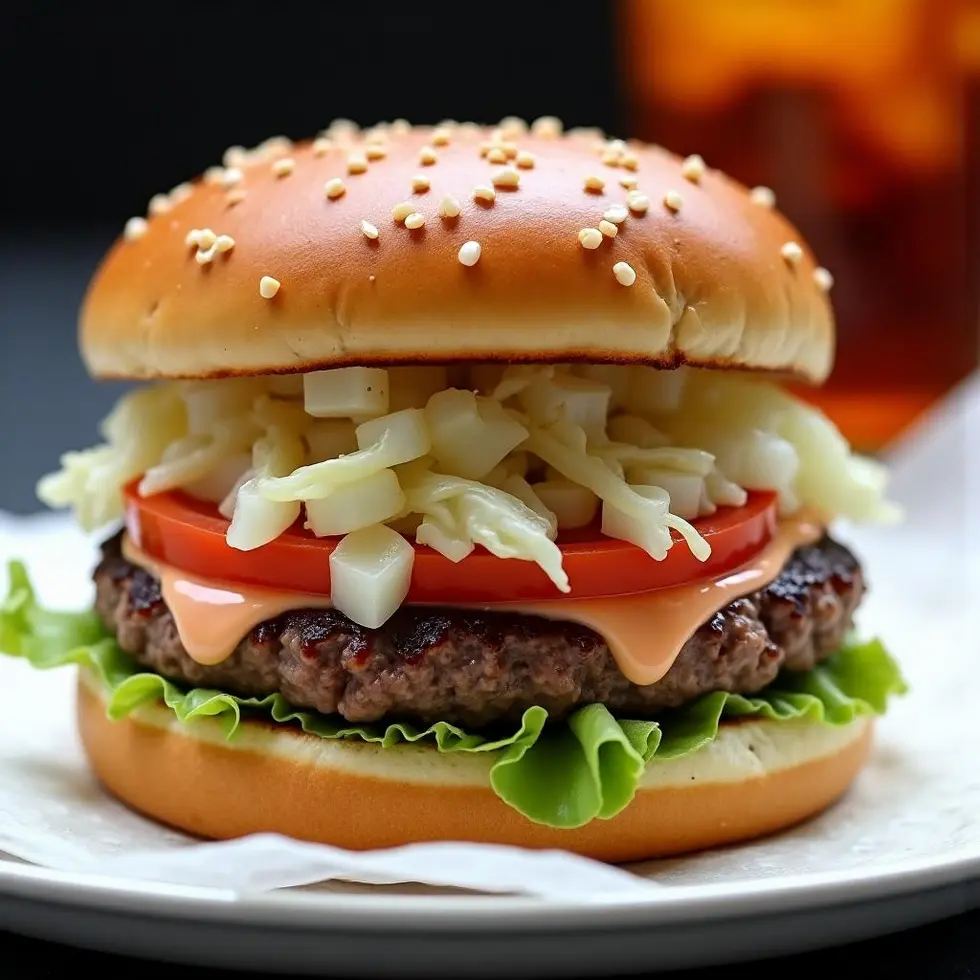
Assembly Order
Spread the sauce on both the top and bottom bun halves. The double layer adds flavor and creates a barrier that keeps the bun from absorbing too much moisture from the toppings.
Layer shredded iceberg lettuce on the bottom bun first. Lettuce provides crunch and acts as a moisture shield between the sauce and the tomato. Place one or two tomato slices on top of the lettuce, then add diced white onion.
Set the patty with melted cheese on top of the onion layer. The cheese side faces up, and the heat from the patty warms the toppings below without wilting the lettuce. Top with the other bun half and press gently to hold everything in place.
Animal-Style Variation
The animal-style version adds grilled onions and extra sauce. Dice the white onion more finely, cook it in the same skillet used for the patties until caramelized, and spread a thicker layer of sauce on both bun halves.
Some versions include mustard brushed directly on the patty before cooking, which creates a tangy crust as the mustard chars slightly. If you want to explore other restaurant-style sauces with similar creamy tang, a well-balanced chicken finger sauce uses comparable ingredients and layering techniques.
According to The Takeout, ordering animal-style at the restaurant adds grilled onions, pickles, and extra spread, and you can recreate that same effect at home by doubling the sauce and caramelizing the onion until deeply browned.
The sauce can be made up to three days ahead and stored in the refrigerator, which makes weeknight assembly faster. For anyone who enjoys creamy burger sauces, the same tangy spread technique works across different burger styles.
Keep the Bun Toasted
Toasting the bun directly in the skillet after cooking the patties uses the residual beef fat to create golden, crisp edges. The brief contact with heat dries out the cut surface just enough to resist sogginess.
If the skillet looks too greasy, wipe it lightly with a paper towel before toasting. You want a light coating of fat, not a pool that soaks into the bread. The toasted surface holds up better under the sauce and keeps the structure intact through every bite.
Frequently Asked Questions
Can I use a different fat percentage for the ground beef?
You can use 85/15 ground beef if you prefer a slightly leaner burger, but the patty may turn out drier. Anything leaner than 85/15 loses enough fat to affect texture and moisture, and the burger will taste less rich.
How do I store leftover burger sauce?
Store the sauce in an airtight container in the refrigerator for up to five days. Stir it before using, as the relish may settle at the bottom. The flavor improves slightly after a day as the ingredients blend together.
Can I make the patties ahead of time?
Shape the patties up to one day ahead and refrigerate them on a plate covered with plastic wrap. Keep them separated by parchment paper to prevent sticking. Season with salt and pepper just before cooking to avoid drawing out moisture.
Why does my burger patty puff up in the middle?
Skipping the thumb indent causes the patty to puff as the edges contract faster than the center. Pressing a shallow divot in the middle before cooking balances the shrinkage and keeps the patty flat.
Can I grill the burgers instead of using a skillet?
You can grill the patties over medium-high direct heat for the same three to four minutes per side, aiming for 160°F / 71°C internal temperature. The crust will taste smokier, but the skillet method creates a more even sear and captures more of the beef fat for toasting the buns.
Copycat In-N-Out Burger
Ingredients
Method
- Mix mayonnaise, ketchup, and pickle relish in a small bowl until smooth, then refrigerate while preparing the burgers.
- Divide the ground beef into 4 equal portions, shape into patties slightly larger than the buns, press a shallow indent in the center of each with your thumb, and season both sides with salt and black pepper.
- Heat a cast iron skillet or griddle over medium-high heat, cook the patties for 3 to 4 minutes per side without pressing, flipping once, until they reach 160°F / 71°C.
- Place one cheese slice on each patty during the last 60 seconds of cooking and cover the pan to melt the cheese.
- Toast the buns cut-side down in the same pan for 1 to 2 minutes until golden.
- Spread the sauce on both bun halves, then layer the bottom bun with lettuce, tomato, onion, the patty with melted cheese, and the top bun.
