
When I pulled the skillet off the heat before adding the parmesan, the sauce emulsified smoothly instead of breaking into grainy clumps.
This dish gets served at family dinners when everyone wants something rich, comforting, and ready in under thirty minutes. The creamy parmesan sauce clings to every strand of fettuccine, and sliced seared chicken sits on top, still warm from the skillet. It arrives on the table without anyone spending an hour whisking, layering, or waiting.
What makes this copycat chicken alfredo olive garden version work at home is the order in which you build the sauce. Heavy cream simmers just long enough to thicken slightly, then you remove it from the heat and whisk in freshly grated parmesan. That off-heat step keeps the cheese from seizing, so the sauce stays silky instead of grainy. The chicken gets seared separately in the same skillet, which leaves behind browned bits that flavor the garlic before the cream goes in.
The sauce relies on the natural starch released by cooking the parmesan into warm cream, not on flour or cornstarch. That emulsion creates the smooth, glossy texture familiar from the Olive Garden menu, without needing extra thickeners. The fettuccine gets tossed directly into the finished sauce, so every noodle picks up an even coating before plating.
The entire process takes thirty minutes from start to finish, with ten minutes of prep and twenty minutes of active cooking. You can prep the garlic and grate the parmesan while the pasta water heats, then sear the chicken while the pasta cooks. Everything comes together in one skillet after the noodles drain, so there are fewer dishes to wash and the sauce stays hot when it reaches the plate.
Why Olive Garden Alfredo Stays So Creamy
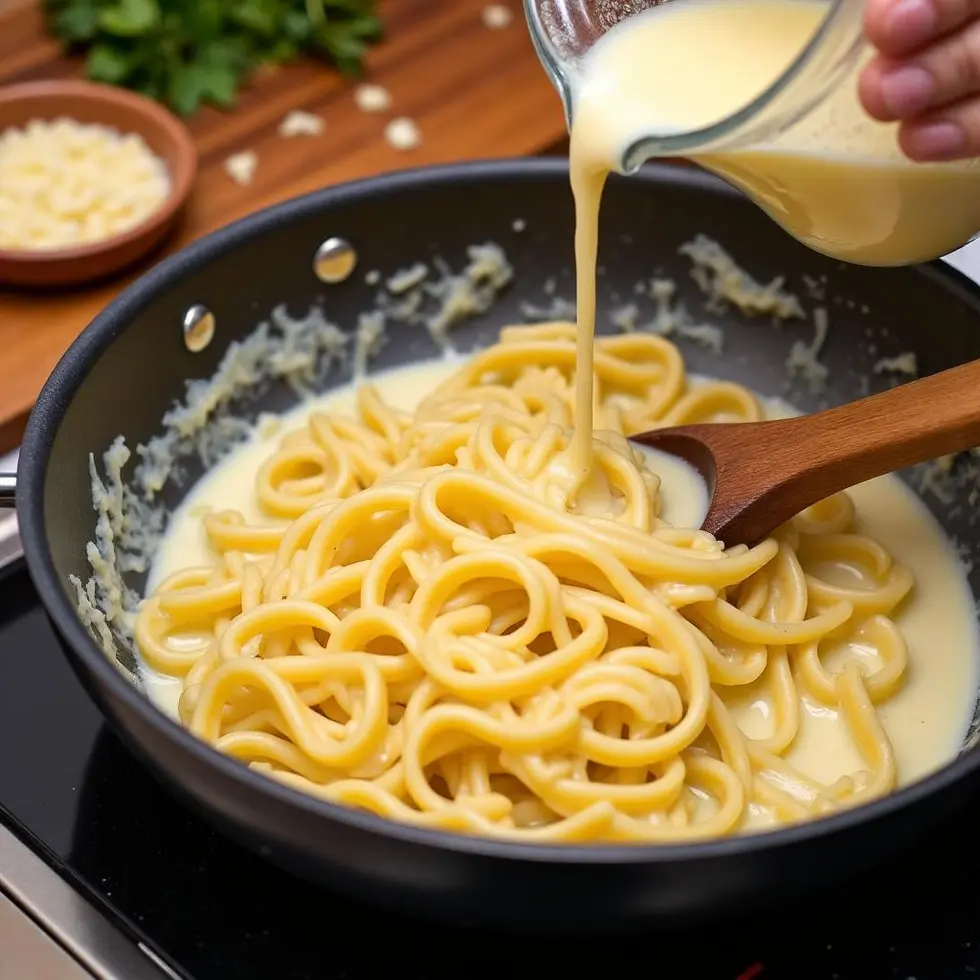
The Off-Heat Parmesan Technique
Restaurant-style alfredo sauce achieves its smooth texture by controlling the temperature when the cheese meets the cream. High heat causes parmesan to seize and separate, turning the sauce gritty. This homemade version avoids that problem by pulling the skillet off the burner the moment the cream thickens, then whisking in the grated parmesan while the residual heat melts it gradually.
The cream simmers for three to four minutes over medium heat, just until you notice it coating the back of a spoon more heavily than when it started. That slight thickening signals enough moisture has evaporated to concentrate the dairy fat, which helps the parmesan emulsify smoothly. You remove the skillet completely, add the cheese in one addition, and whisk steadily until the sauce turns glossy and uniform.
Freshly grated parmesan melts faster and more evenly than pre-shredded cheese, which often contains anti-caking agents that interfere with emulsification. A fine microplane or box grater gives you the texture you need for a sauce that blends without lumps.
How Garlic and Butter Build the Sauce Base
The garlic gets sautéed in butter for thirty seconds, just until it releases its aroma without browning. Browned garlic turns bitter, so you watch for the moment the raw sharpness softens into a sweeter fragrance, then pour in the cream immediately to stop the cooking. That brief sauté infuses the butter, which then disperses through the cream as it simmers.
The butter also adds richness and a slight tang that balances the heavy cream’s mild sweetness. Three tablespoons give the sauce body without making it feel greasy, and the milk solids in the butter help stabilize the emulsion when the parmesan goes in. Anyone who has made alfredo sauce knows that skipping the butter results in a thinner, less flavorful coating that slides off the pasta instead of clinging to it.
The seared chicken leaves behind fond—those browned bits stuck to the skillet—that dissolve into the butter and garlic, adding a savory depth similar to what you taste in the restaurant version.
How to Make Chicken Alfredo Step by Step
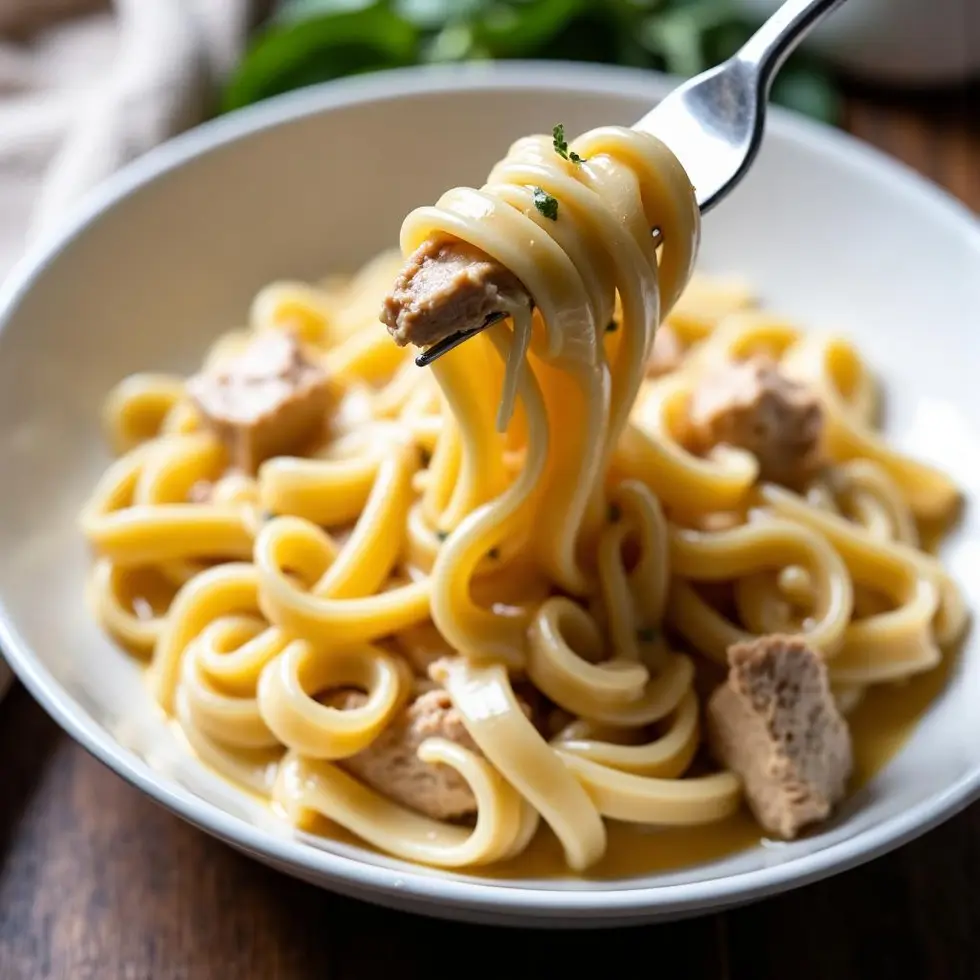
Searing the Chicken to 165°F
Season the chicken breast with black pepper, then heat two tablespoons of olive oil in a large skillet over medium-high heat until the surface shimmers but does not smoke. Place the chicken in the skillet and sear for five to six minutes per side, resisting the urge to move it around. The first side develops a golden crust that seals in moisture, and flipping too early pulls that crust away before it forms.
Check the internal temperature with an instant-read thermometer inserted into the thickest part of the breast. Pull the chicken at exactly 165°F, then transfer it to a cutting board and let it rest while you make the sauce. Carryover cooking raises the temperature a few degrees as the chicken rests, so removing it right at 165°F ensures it stays juicy instead of drying out.
Slice the chicken against the grain into half-inch strips after it rests for at least three minutes. Slicing immediately causes the juices to run out onto the board instead of staying inside the meat.
Building the Sauce and Tossing the Pasta
Melt the butter in the same skillet you used for the chicken, scraping up any browned bits with a wooden spoon. Add the minced garlic and cook for thirty seconds, stirring constantly to prevent burning. Pour in the heavy cream and bring it to a gentle simmer, stirring occasionally, until it thickens slightly after three to four minutes.
Remove the skillet from the heat and whisk in the freshly grated parmesan cheese in one smooth addition. The sauce will look thin at first, then turn glossy and creamy as the cheese melts and emulsifies into the warm cream. If you notice any graininess, the cream was too hot when you added the cheese—next time, let it sit off the heat for ten seconds before whisking in the parmesan.
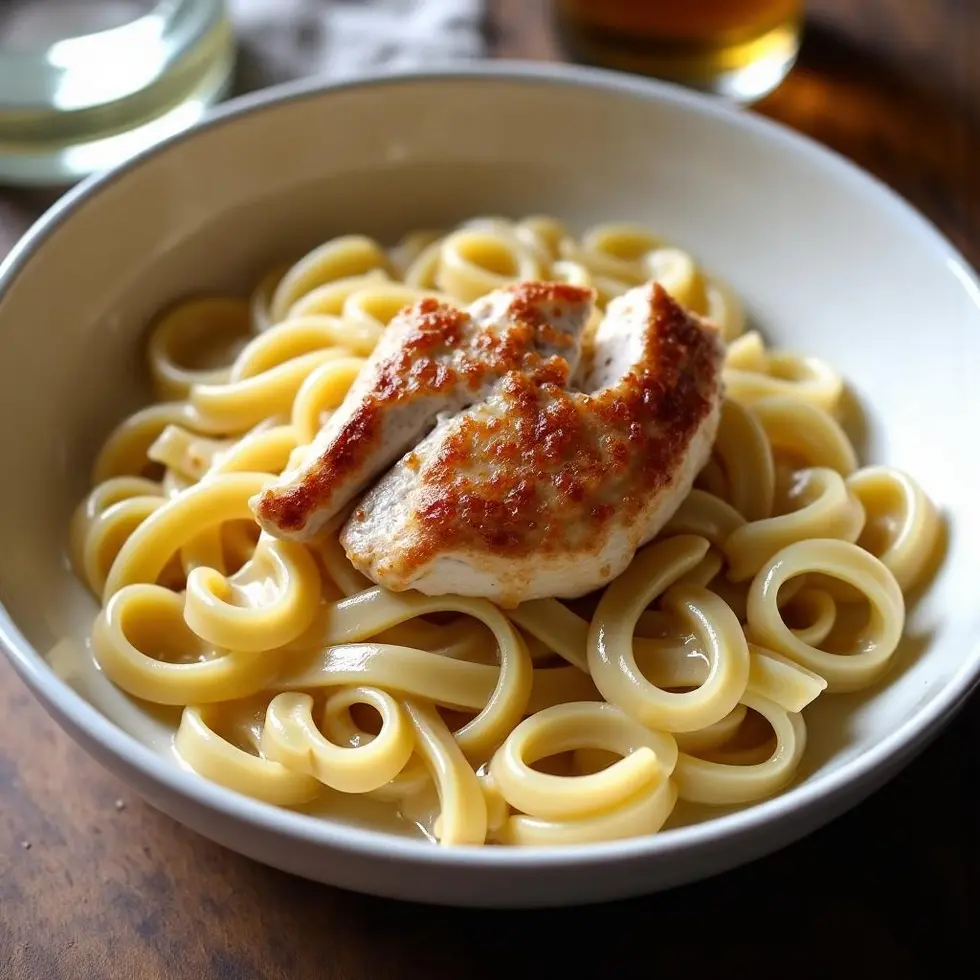
Add the cooked, drained fettuccine directly to the sauce and toss with tongs until every strand is evenly coated. The pasta should still be hot and slightly wet from the cooking water, which helps the sauce cling. Top with the sliced chicken and serve immediately, while the sauce is still fluid and glossy.
The sauce thickens as it cools, so plating quickly ensures it coats the pasta instead of pooling at the bottom of the bowl.
Sauce Fixes, Swaps & Reheating Tips
How to Fix a Grainy or Broken Sauce
If the sauce looks grainy or separated, the parmesan likely cooked at too high a temperature. You can rescue it by adding two tablespoons of heavy cream and whisking vigorously over very low heat until the sauce re-emulsifies. The added cream dilutes the overheated cheese proteins and gives them a second chance to blend smoothly.
Another common issue is using pre-shredded parmesan, which contains cellulose to prevent clumping. That coating interferes with melting and creates a gritty texture no amount of whisking will fix. Freshly grated parmesan from a wedge melts cleanly and blends into a smooth sauce every time.
If the sauce thickens too much while sitting, stir in a splash of reserved pasta water—about one tablespoon at a time—until it loosens to the consistency you want. The starch in the pasta water helps the sauce cling to the noodles instead of thinning it out like plain water would.
Ingredient Swaps and Storage
You can replace the fettuccine with linguine, pappardelle, or rigatoni without changing the sauce. Wider or ridged pasta shapes catch the sauce slightly differently but work just as well. For a lighter version, substitute half-and-half for half the heavy cream, though the sauce will be thinner and less rich.
Store leftovers in an airtight container in the refrigerator for up to three days. The sauce separates as it cools, so reheat gently in a skillet over low heat with a tablespoon of cream or milk, stirring constantly until smooth. Microwaving tends to break the emulsion, leaving you with separated oil and clumpy cheese. Comprehensive pasta techniques and storage guidance can be found on AllRecipes, which covers a wide range of classic Italian-American preparations.
Add extra garlic, a pinch of red pepper flakes, or a handful of baby spinach to customize the dish. The sauce base stays consistent, so you can layer in whatever flavors suit the meal without changing the technique.
Serve It While the Sauce Is Hot
The sauce tastes best within the first five minutes after you toss it with the pasta, while the cream and parmesan are still warm and fluid. Plating immediately keeps the texture silky and prevents the sauce from thickening into a paste as it cools.
Garnish with extra grated parmesan and a grind of black pepper, and serve with crusty bread or a simple green salad. The rich, creamy coating on each strand of this copycat chicken alfredo olive garden recipe makes it satisfying enough to stand alone, but pairing it with something crisp and acidic balances the meal.
Frequently Asked Questions
Can I use pre-grated parmesan instead of freshly grated?
Pre-grated parmesan contains anti-caking agents that prevent smooth melting and often result in a grainy sauce. Freshly grated parmesan from a wedge melts cleanly into the warm cream, creating the silky texture this olive garden chicken alfredo copycat sauce needs. It takes only a minute to grate and makes a noticeable difference in the final result.
Why does my sauce break or turn grainy?
The sauce breaks when the parmesan cooks at too high a temperature, causing the proteins to seize and separate from the fat. Always remove the skillet from the heat before whisking in the cheese. If the sauce does break, whisk in two tablespoons of heavy cream over very low heat to re-emulsify it.
Can I make the sauce ahead of time?
The sauce tastes best when made fresh, but you can prepare it up to one day ahead and store it in an airtight container in the refrigerator. Reheat gently in a skillet over low heat with a splash of cream, stirring constantly until smooth. Do not microwave, as the high heat will break the emulsion.
What pasta shapes work best with alfredo sauce?
Fettuccine is traditional, but linguine, pappardelle, and rigatoni all work well. Wider or ridged shapes catch the sauce slightly differently but provide the same creamy coating. Avoid very thin pasta like angel hair, which tends to clump under the weight of the sauce.
How do I prevent the chicken from drying out?
Pull the chicken from the skillet the moment it reaches 165°F, as measured with an instant-read thermometer. Carryover cooking raises the temperature a few degrees as it rests, so removing it at exactly 165°F ensures it stays juicy. Let it rest for at least three minutes before slicing to allow the juices to redistribute through the meat.
Copycat Olive Garden Chicken Alfredo
Ingredients
Method
- Cook the fettuccine in salted boiling water according to package directions until al dente, then drain and set aside.
- Season the chicken breast with black pepper, then heat olive oil in a large skillet over medium-high heat and sear the chicken for 5 to 6 minutes per side until golden and cooked to 165°F / 74°C, then slice and set aside.
- In the same skillet over medium heat, melt the butter and sauté the garlic for 30 seconds until fragrant.
- Pour in the heavy cream and bring to a gentle simmer for 3 to 4 minutes, stirring occasionally, until slightly thickened.
- Remove from heat and whisk in the parmesan cheese until smooth and creamy.
- Add the cooked fettuccine to the sauce and toss until evenly coated, then top with sliced chicken and serve immediately.
