
Keeping the butter chilled until the exact moment I cut it into the flour gave me flaky layers I never got from softened butter.
Most biscuits either turn dense or spread sideways because the butter melts before the dough sets. The restaurant-style version achieves those tall, split-apart layers through a simple principle: steam. Cold butter stays solid in pockets during the first few minutes of baking, then vaporizes all at once around 350°F, creating the lift that separates each layer. Self-rising flour simplifies this recipe for cracker barrel biscuits by blending the leavening directly into the flour, so you skip the step of balancing baking powder and salt.
The whole process takes 25 minutes from start to finish. You get eight tall, flaky biscuits that hold their shape and develop golden-brown tops without any resting time.
These copycat cracker barrel biscuits taste richer than most homemade versions because the dough stays cold, the butter stays visible in pea-sized pieces, and the oven temperature stays high enough to set the structure before the fat melts away.
What Makes Cracker Barrel Biscuits So Special
Cold Butter Creates the Lift
The signature height comes from keeping fat solid throughout mixing. When you cut cold butter into flour, the pieces stay separate instead of blending into a paste. During baking, those butter pockets trap steam and force the dough upward, creating the split-top texture. Room-temperature butter melts too early and produces a denser, cake-like crumb instead of flaky layers.
Self-rising flour already contains baking powder and salt at the right ratio, so the dough rises consistently without requiring separate leavening adjustments. This recipe for cracker barrel biscuits relies on buttermilk’s acidity to activate the leavening quickly, which means the biscuits bake tall before the butter has time to leak out.
High Heat Sets the Structure Fast
Baking at 450°F gives the dough just 12 to 15 minutes in the oven. That temperature sets the outer layer before the butter melts completely, locking in the steam that creates lift. Lower temperatures let the butter leak out before the structure sets, resulting in flat biscuits with a greasy bottom.
The homemade version tastes fresher because you control the butter quality and the baking time. Restaurant kitchens often hold biscuits under heat lamps, which dries out the interior. Baking at home means you serve them the moment they come out, when the butter is still melted and the crust is still crisp.
Placing the biscuits so their sides touch on the baking sheet forces them to rise upward instead of spreading sideways, which gives you taller biscuits with softer edges.
How to Make Fluffy Copycat Biscuits
Mix Without Warming the Dough
Start by preheating the oven to 450°F and lining a baking sheet with parchment paper. Combine two cups of self-rising flour with one tablespoon of sugar in a large bowl. The sugar balances the tang from the buttermilk without making the biscuits sweet.
Cut in one-quarter cup of cold, cubed unsalted butter using a pastry cutter or fork. Work quickly so your hands don’t warm the butter. Stop when the mixture looks like coarse crumbs with visible pea-sized butter pieces scattered throughout. Those pieces are what create the flaky layers.
Pour in three-quarters cup of cold buttermilk and stir gently with a fork just until the dough comes together. The dough will look shaggy and slightly rough. Overmixing develops gluten, which makes biscuits tough instead of tender.
Cut and Bake Without Twisting
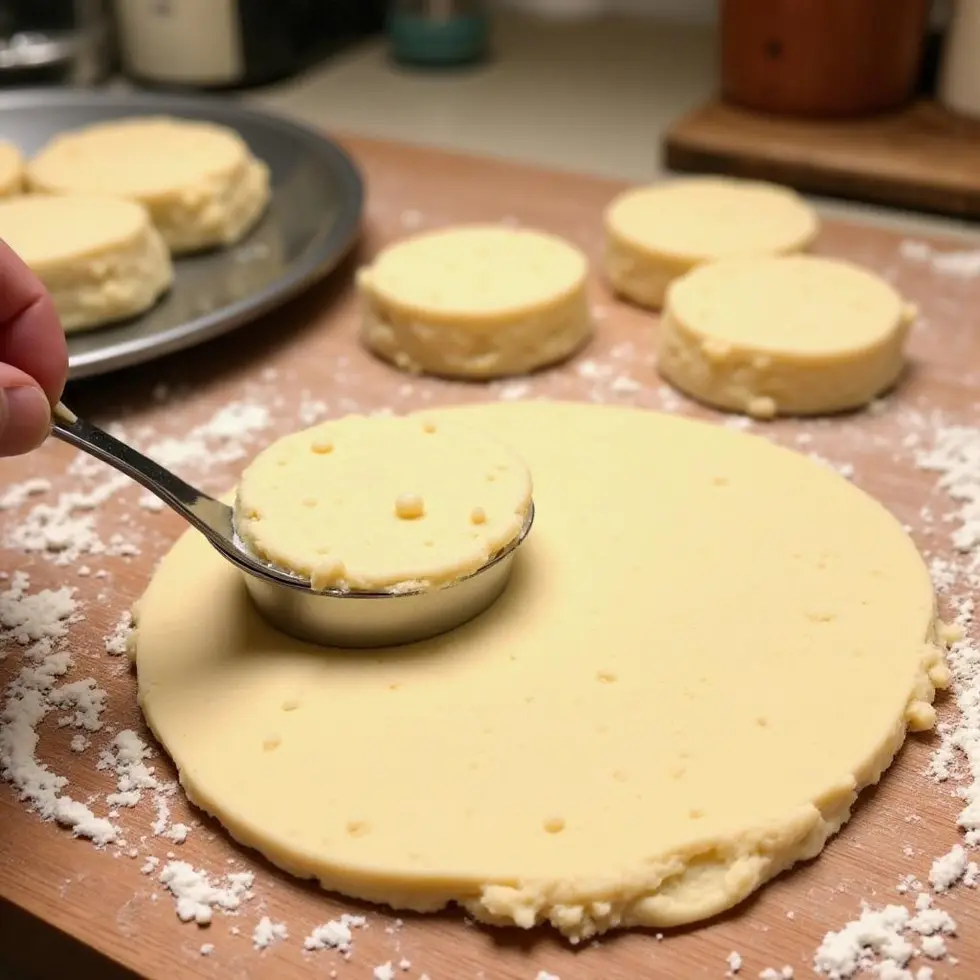
Turn the dough onto a lightly floured surface and pat it gently to three-quarters-inch thickness. Use a 2.5-inch round cutter and press straight down without twisting. Twisting seals the edges and prevents the biscuits from rising evenly.
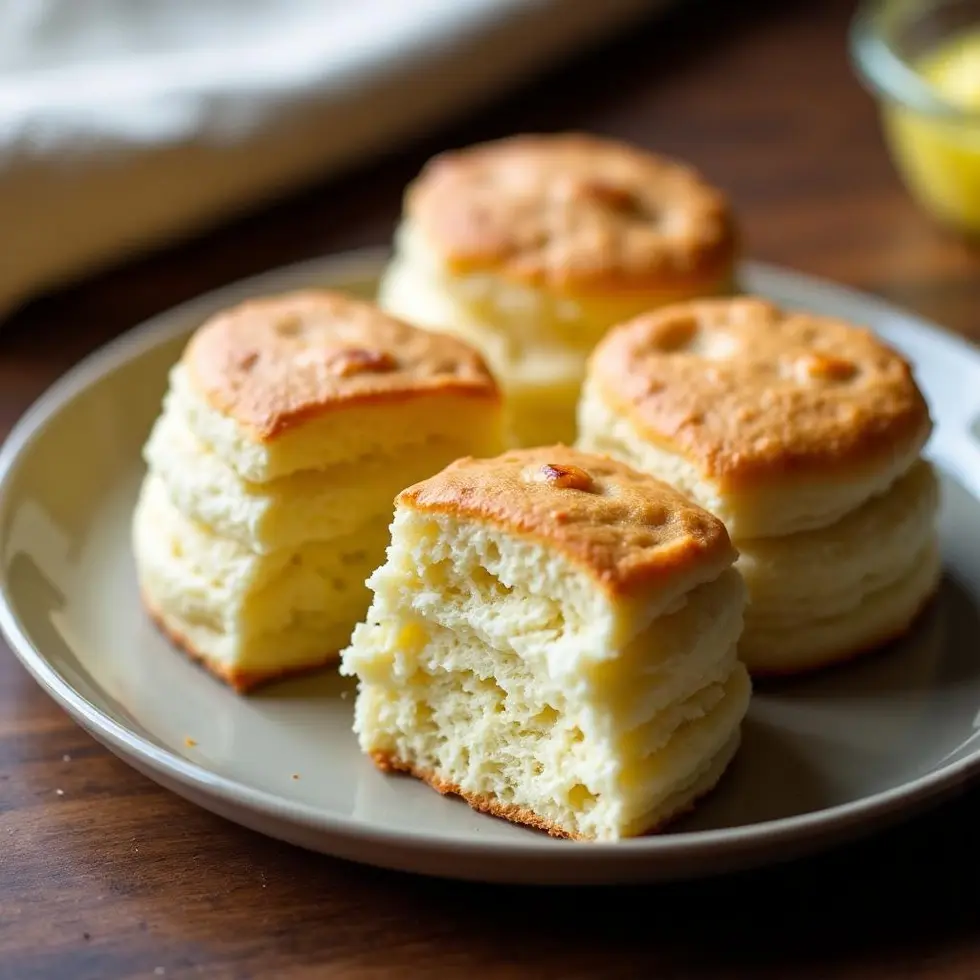
Place the biscuits on the prepared baking sheet with sides touching. This arrangement forces them to rise upward instead of spreading outward. Bake for 12 to 15 minutes until the tops are golden brown.
The moment the biscuits come out of the oven, brush the tops with two tablespoons of melted butter. The heat pulls the butter into the crust, creating a glossy finish and adding richness. Serve warm while the interior is still soft and the exterior is crisp.
Most home cooks underestimate how fast high-heat baking works. Check the biscuits at 12 minutes to avoid overbaking, which dries out the crumb.
Biscuit Tips, Variations and Serving Ideas
Adjust for Altitude and Humidity
If you live above 3,000 feet, reduce the oven temperature to 425°F and add one tablespoon of extra flour. High altitude makes liquids evaporate faster, so the dough needs more structure to hold its shape. In humid climates, start with slightly less buttermilk and add more only if the dough feels too dry.
For a richer flavor, substitute half the buttermilk with heavy cream. The extra fat makes the biscuits more tender and gives the crust a deeper golden color. If you want a sharper tang, use full-fat Greek yogurt thinned with a splash of milk in place of buttermilk.
Storage and Make-Ahead Options
Store leftover biscuits in an airtight container at room temperature for up to two days. Reheat them in a 350°F oven for five minutes to restore the crisp exterior. Avoid microwaving, which makes the texture rubbery.
You can freeze unbaked biscuits by cutting them, placing them on a tray until solid, then transferring to a freezer bag. Bake from frozen at 450°F for 15 to 18 minutes. Freezing before baking preserves the butter pockets, so the texture stays flaky.
Serve these biscuits with gravy, honey, or jam. They also work well alongside Copycat Cracker Barrel Hashbrown Casserole for a full Southern-style breakfast. Split them in half and use them for breakfast sandwiches with scrambled eggs.
The restaurant-style breakfast menu, which you can explore at Cracker Barrel, pairs these biscuits with sausage gravy, but the homemade version holds its shape better because you control the bake time.
Why Cold Ingredients Matter
Every temperature adjustment changes the texture. Cold buttermilk keeps the dough from warming up when you stir it, and cold butter stays solid until the oven heat hits. The difference between cold and room-temperature ingredients is the difference between flaky layers and a dense crumb.
This recipe for cracker barrel biscuits works because the method protects the butter pockets through every step: cutting, patting, and cutting again. You never knead the dough or roll it with a pin, both of which flatten the butter and eliminate the steam pockets that create lift.
Watch for the moment when the tops turn golden brown. That color signals that the starches have set and the butter has steamed through. Pull the biscuits too early, and the interior stays doughy. Leave them too long, and the edges dry out before the center finishes.
Frequently Asked Questions
Can I use all-purpose flour instead of self-rising flour?
You can substitute all-purpose flour by adding 1½ teaspoons of baking powder and ½ teaspoon of salt per cup of flour. Mix the leavening and salt into the flour before cutting in the butter. The texture will be similar, but self-rising flour gives more consistent results because the leavening is already evenly distributed.
Why did my biscuits turn out flat?
Flat biscuits usually mean the butter melted before the dough set. Make sure the butter stays cold, the oven is fully preheated to 450°F, and you press the cutter straight down without twisting. Overmixing the dough also flattens biscuits by developing gluten, so stir just until the dough comes together.
How do I know when the biscuits are done?
The tops should be golden brown and the sides should feel firm when you gently press them. Most biscuits finish between 12 and 15 minutes at 450°F. If you see any wet dough when you split one open, bake for another two minutes.
Can I make the dough ahead of time?
You can cut the biscuits and refrigerate them for up to two hours before baking. Place them on the lined baking sheet, cover with plastic wrap, and keep chilled. Bake directly from the refrigerator, adding one or two extra minutes to the baking time. Do not refrigerate the dough longer than two hours, or the leavening will start to lose strength.
What’s the best way to reheat leftover biscuits?
Reheat biscuits in a 350°F oven for five minutes to restore the crisp crust. Wrap them loosely in foil if you want a softer exterior. Avoid microwaving, which makes the texture dense and rubbery instead of flaky.
Copycat Cracker Barrel Biscuits
Ingredients
Method
- Preheat the oven to 450°F / 230°C and line a baking sheet with parchment paper.
- Combine the self-rising flour and sugar in a large bowl, then cut in the cold butter cubes using a pastry cutter or fork until the mixture resembles coarse crumbs with pea-sized butter pieces.
- Pour in the cold buttermilk and stir gently with a fork just until the dough comes together, being careful not to overmix.
- Turn the dough onto a lightly floured surface, pat gently to 3/4-inch thickness, and cut out biscuits using a 2.5-inch round cutter, pressing straight down without twisting.
- Place the biscuits on the prepared baking sheet with sides touching and bake for 12 to 15 minutes until the tops are golden brown.
- Brush the hot biscuits with melted butter immediately after removing from the oven and serve warm.
