The shredded cabbage softened at exactly the same rate the carrots released their moisture, letting the noodles absorb the sauce without needing any extra liquid.
Four servings of this copycat Panda Express chow mein cost around $10 to make at home, which breaks down to about $2.50 per serving. The restaurant version runs closer to $5 per side serving at most locations. The cost difference comes from buying fresh yakisoba noodles in bulk packs and using standard soy sauce and oyster sauce that sit in your fridge for months.
Most of the ingredients are pantry staples. Soy sauce, oyster sauce, sesame oil, and garlic powder form the sauce base, and none of them spoil quickly. Fresh yakisoba noodles stay good in the fridge for two weeks, and the vegetables can be bought pre-shredded in bagged mixes if you want to cut another three minutes from prep time. That approach adds about 50 cents per batch but removes all knife work.
The dish cooks in 15 minutes start to finish because the vegetables stir-fry while the sauce rests, and the noodles heat through in the same pan without boiling water separately. Everything happens in one skillet over high heat, which means fewer pots to wash and less time waiting for water to boil. The method depends on constant tossing rather than extended simmering, so the vegetables stay crisp and the noodles never turn mushy.
The texture relies on high heat and a short rest period after cooking. Removing the pan from the burner and letting the noodles sit for one minute allows them to absorb the sauce without continuing to cook, which keeps the chew firm and the coating glossy. That final rest step makes the difference between slippery noodles and a sticky clump.
The Sauce Behind Panda Express Chow Mein
What Each Ingredient Does
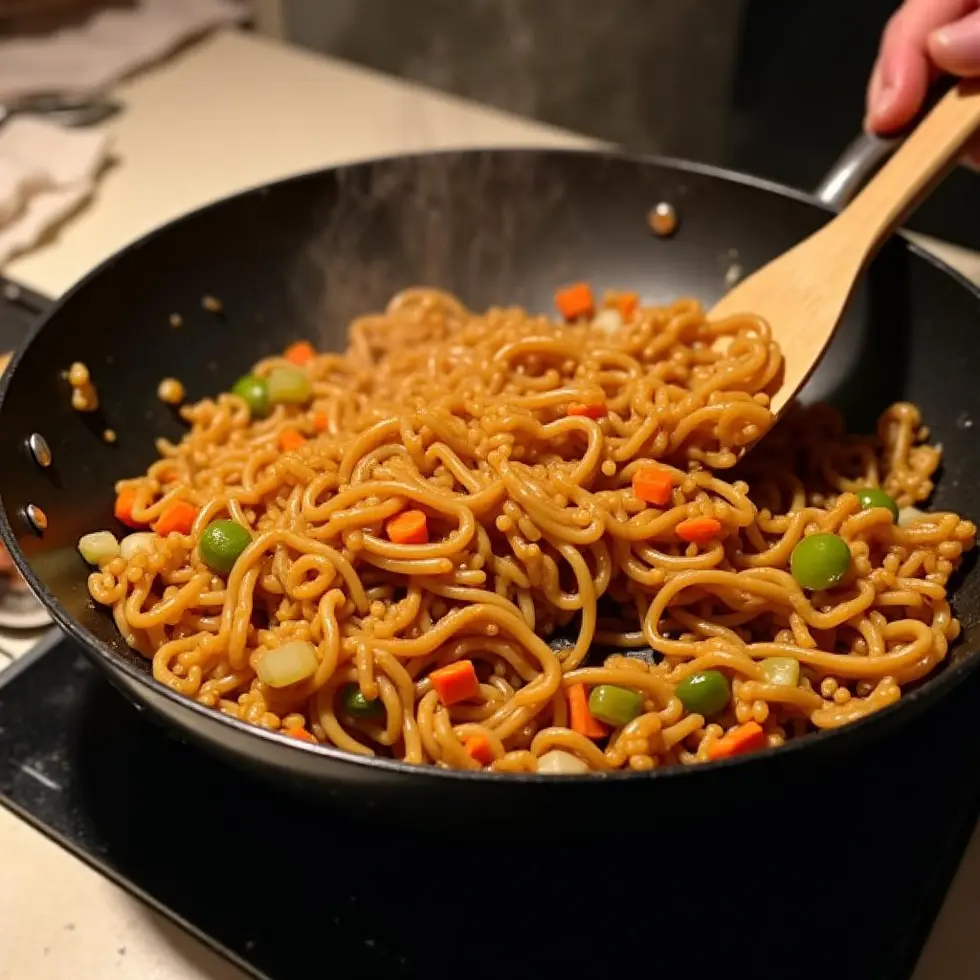
Soy sauce provides salt and umami depth, oyster sauce adds a sweet-savory thickness, sesame oil brings nutty aroma, and garlic powder delivers a sharp background note without any raw bite. The ratio matters: three tablespoons of soy sauce balance one tablespoon of oyster sauce, which prevents the dish from tasting too sweet or too salty. Garlic powder disperses faster than fresh garlic and doesn’t burn during high-heat stir-frying, which keeps the flavor consistent across every bite.
Whisking the four ingredients together in a small bowl before cooking gives them one minute to blend, which prevents the sesame oil from separating when it hits the hot pan. That short rest period also lets the garlic powder dissolve slightly, so it distributes evenly instead of clumping. The sauce stays liquid at room temperature, so it coats the noodles smoothly without needing extra water or cornstarch slurry.
Why the Sauce Works Without Thickening
The vegetables release moisture during the stir-fry, which dilutes the sauce slightly and helps it spread across the noodles. Fresh yakisoba noodles already carry a light coating of oil from the package, so they don’t absorb liquid as aggressively as dried pasta would. That combination creates a glossy coating rather than a thick gravy, which matches the restaurant-style texture most people expect from chow mein.
Adding the sauce at the same time as the noodles ensures even distribution. Pouring it over the vegetables first would cause it to pool at the bottom of the pan, while drizzling it over the noodles last would leave some strands dry. Mixing both elements together and tossing constantly for four minutes gives the sauce enough time to cling without evaporating completely.
A Spicy Perspective covers another popular dish that relies on the same quick-cooking method and pantry sauce ingredients, showing how the same high-heat technique adapts across multiple restaurant-style recipes. The dish takes longer to coat because the beef requires frying first, but the sauce logic remains nearly identical.
How to Cook the Noodles Without Sogginess
Timing the Vegetables and Noodles
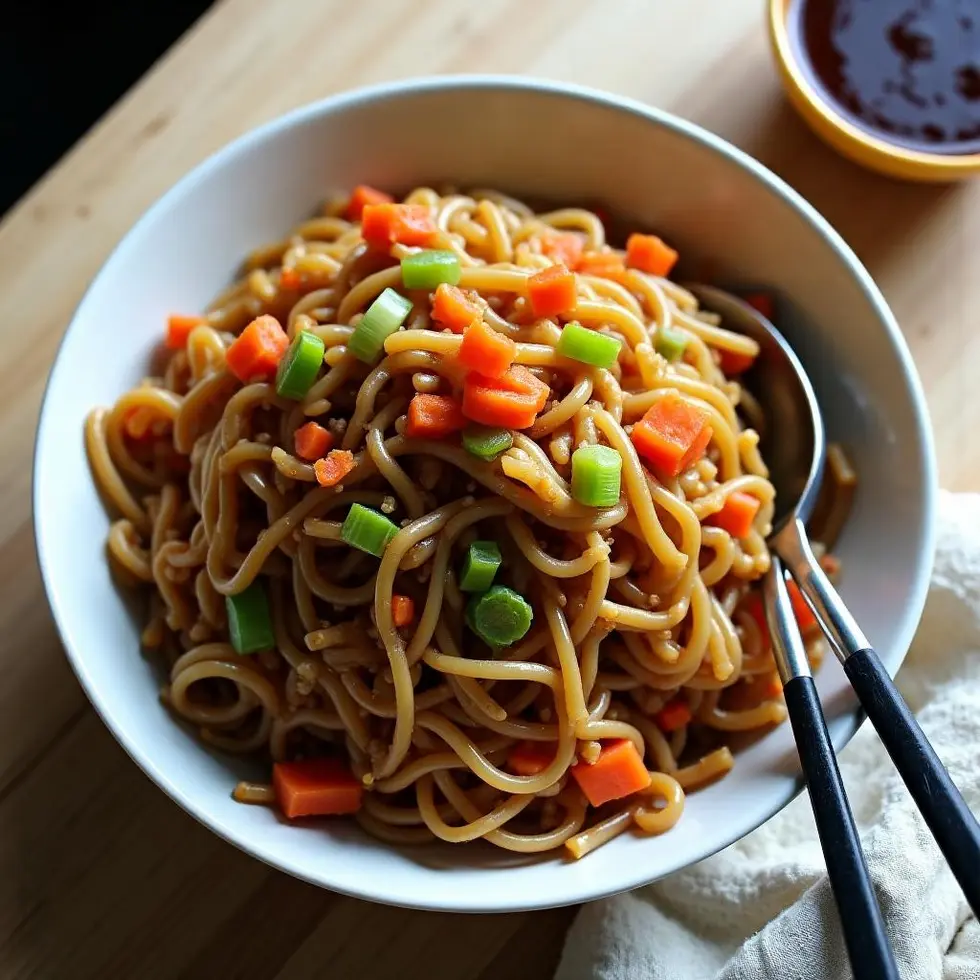
The vegetables cook for three minutes before the noodles go in, which gives the cabbage time to wilt and the carrots time to soften slightly without turning limp. Adding the noodles too early leaves the vegetables undercooked, and adding them too late causes the cabbage to release too much water, which makes the sauce watery. High heat keeps the moisture evaporating quickly, so the pan stays dry enough for the sauce to coat rather than steam.
Fresh yakisoba noodles need only four minutes in the hot pan because they are already cooked and lightly oiled. Dried chow mein noodles require boiling first, which adds an extra ten minutes and another pot to clean. Using fresh noodles straight from the package keeps the method fast and reduces the total time to exactly 15 minutes, including the one-minute sauce prep and the one-minute rest at the end.
The One-Minute Rest Period
Pulling the pan off the heat and letting the noodles sit for one minute allows them to absorb the remaining sauce without continuing to cook. Serving immediately from the stove leaves some strands slippery and others dry, because the sauce hasn’t had time to settle into the noodles evenly. That final minute also prevents the noodles from overcooking, which would turn them soft and sticky instead of springy.
Tossing constantly during the four-minute cooking window ensures every strand touches the hot surface of the pan, which prevents clumping. Fresh noodles tend to stick together if left undisturbed, so continuous motion keeps them separated and coated evenly. Using a wide skillet or wok with a large surface area spreads the noodles out, which allows more of them to touch the heat at once and reduces the total toss time needed.
The method works best when the oil shimmers before the vegetables go in, which signals that the pan has reached the right temperature. Adding cold vegetables to a lukewarm pan releases moisture too slowly, which causes steaming instead of stir-frying. That temperature difference changes the texture of the cabbage from crisp to soft, which makes the finished dish less satisfying even if the flavor stays the same.
Add-Ins, Swaps and Meal Prep Tips
Protein Options That Keep the Timing Fast
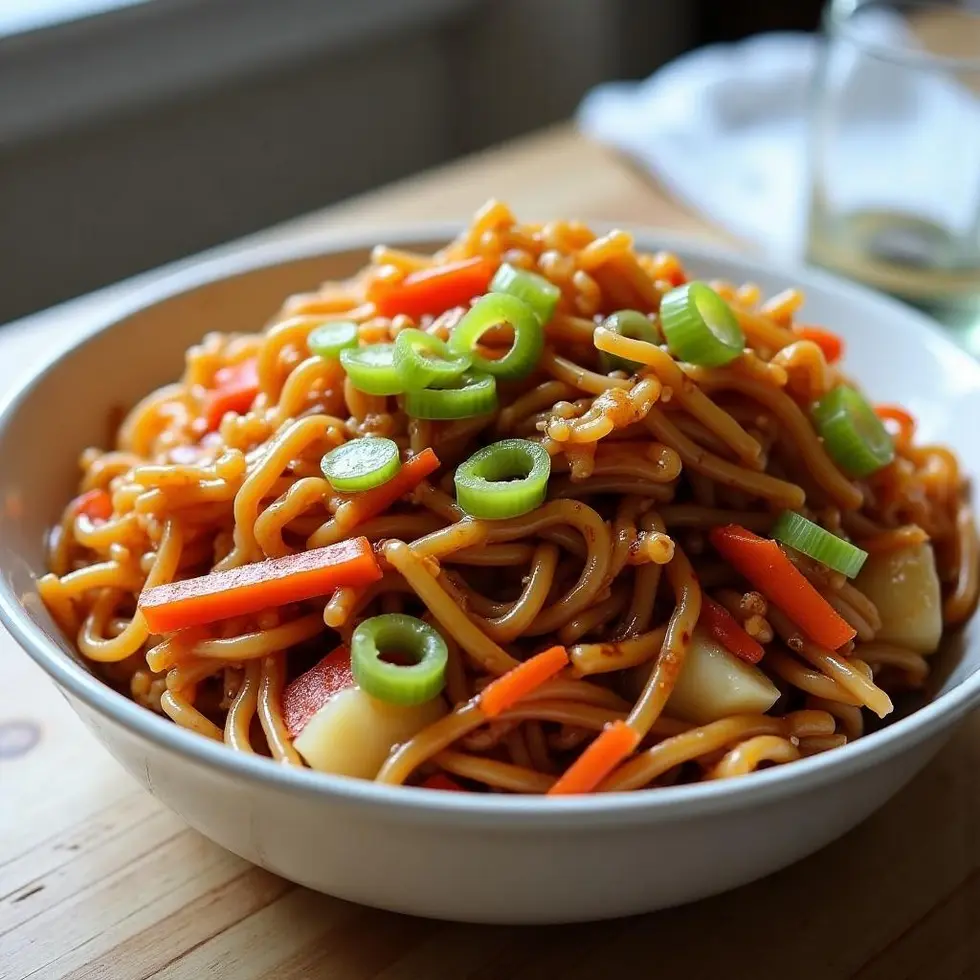
Cooked shredded rotisserie chicken, pre-cooked shrimp, or sliced tofu all work because they need only two minutes to heat through. Adding raw protein extends the cooking time beyond 15 minutes and requires lowering the heat to avoid burning the vegetables while the protein finishes. Tossing in the cooked protein at the same time as the noodles keeps the method simple and the timing reliable.
Pre-cooked protein also costs less per serving when bought in bulk. A whole rotisserie chicken yields enough meat for three batches of this recipe, which brings the per-serving cost down to around $3 even with the added protein. Pre-cooked shrimp from the freezer section thaws in cold water in about ten minutes, so starting the thaw before prepping the vegetables keeps the entire process under 20 minutes total.
Scaling and Storage Without Losing Texture
Doubling the recipe works as long as you use a wok or a very large skillet, because overcrowding the pan traps steam and prevents the vegetables from staying crisp. Cooking two batches separately takes 18 minutes total, which is faster than trying to stir-fry eight servings at once in a crowded pan. The noodles reheat well in the microwave for up to three days, though they lose some of their springiness after the first day.
Storing the sauce separately from the noodles and vegetables keeps the texture better for meal prep. Cook the vegetables and noodles together, let them cool completely, then store them in one container and the sauce in a small jar. Toss them together just before reheating, which prevents the noodles from absorbing too much liquid in the fridge. That method also makes it easier to adjust the sauce level to taste, because some people prefer a drier chow mein while others like it saucier.
Using pre-shredded coleslaw mix instead of cutting cabbage and carrots separately saves about three minutes of prep time and costs roughly the same per ounce. The texture difference is minimal, and the convenience makes the dish easier to repeat on busy weeknights. One 14-ounce bag of coleslaw mix provides enough vegetables for one full batch, and the mix stays fresh in the fridge for up to a week after opening.
Swapping yakisoba noodles for dried chow mein noodles requires boiling them first, which adds ten minutes and another pot to the workflow. If fresh noodles aren’t available, look for pre-cooked udon or ramen instead, which work almost as well and require only a quick rinse under hot water before adding them to the pan. That substitution keeps the timing closer to 15 minutes and avoids the extra boiling step.
One Pan, Four Ingredients, No Waste
Making this dish faster depends on parallel work rather than shortcuts. While the oil heats, whisk the sauce, and while the vegetables stir-fry, rinse the noodles under warm water to loosen any clumps. Those two overlapping moments save nearly three minutes compared to working through each step sequentially, and the method produces the same glossy coating without rushing any single stage.
Buying ingredients in bulk extends their value even further. A 1-liter bottle of soy sauce costs around $4 and lasts through 20 batches, which brings the per-serving sauce cost down to about 5 cents. Oyster sauce and sesame oil follow the same logic: the upfront price feels higher, but the per-batch expense stays low because each ingredient has a long shelf life and gets used in small amounts. That approach turns copycat Panda Express chow mein into a reliable weeknight option that costs less than $3 per serving even when you add protein.
Frequently Asked Questions
Can I use dried chow mein noodles instead of fresh yakisoba noodles?
Dried noodles require boiling first, which adds ten minutes and another pot to clean. Fresh yakisoba noodles work straight from the package and keep the total time at 15 minutes. If fresh noodles aren’t available, pre-cooked udon or ramen are faster substitutes than dried chow mein noodles.
Why do the noodles turn sticky after reheating?
Noodles absorb excess sauce and moisture when stored together with the vegetables. Storing the sauce separately and tossing it with the noodles just before reheating keeps the texture closer to freshly cooked. Reheating in a hot skillet with a splash of water also helps restore some of the original springiness.
Can I make the sauce ahead of time?
The sauce keeps in a sealed jar in the fridge for up to two weeks. Whisking it again before using reblends the sesame oil, which separates slightly when cold. Making a double batch saves time on future meals and costs almost nothing extra because the ingredients have long shelf lives.
What if I don’t have oyster sauce?
Hoisin sauce works in the same measurement and provides a similar sweet-savory balance, though the flavor leans slightly sweeter. Skipping the oyster sauce entirely and using four tablespoons of soy sauce instead creates a simpler, saltier version that still coats the noodles well, though the signature restaurant-style thickness won’t be as pronounced.
How do I keep the vegetables crisp during stir-frying?
High heat and constant tossing prevent the vegetables from steaming in their own moisture. Overcrowding the pan traps steam and softens the cabbage, so cooking in two batches works better than trying to fit eight servings into one skillet. Adding the noodles exactly at the three-minute mark ensures the vegetables finish cooking at the same time the noodles heat through.
Copycat Panda Express Chow Mein
Ingredients
Method
- Whisk together soy sauce, oyster sauce, sesame oil, and garlic powder in a small bowl and set aside for 1 minute.
- Heat vegetable oil in a large skillet or wok over high heat for 1 minute until shimmering.
- Add cabbage, carrots, and celery, and stir-fry for 3 minutes until softened but still crisp.
- Add the noodles and sauce mixture, tossing constantly for 4 minutes until noodles are heated through and coated evenly.
- Remove from heat and let rest for 1 minute before serving so the noodles absorb the sauce without turning soggy.
