
Brushing the glaze halfway through baking, then again at the end, creates a caramelized crust that stays glossy without burning.
Most meatloaf recipes apply the topping once and hope for the best. The double-glaze method used in this copycat Cracker Barrel meatloaf builds flavor in two stages: the first coat caramelizes during the main baking time, while the second layer stays bright and sticky. The result is a glossy brown sugar finish that looks as good as it tastes.
The crushed Ritz crackers hold moisture better than breadcrumbs because their fat content prevents the meat from compacting. Combined with milk and eggs, they create a tender crumb that slices cleanly without falling apart. The internal temperature reaches 160°F in about one hour, and a five-minute rest keeps the juices from running out when you cut into it.
Why This Meatloaf Stays Juicy
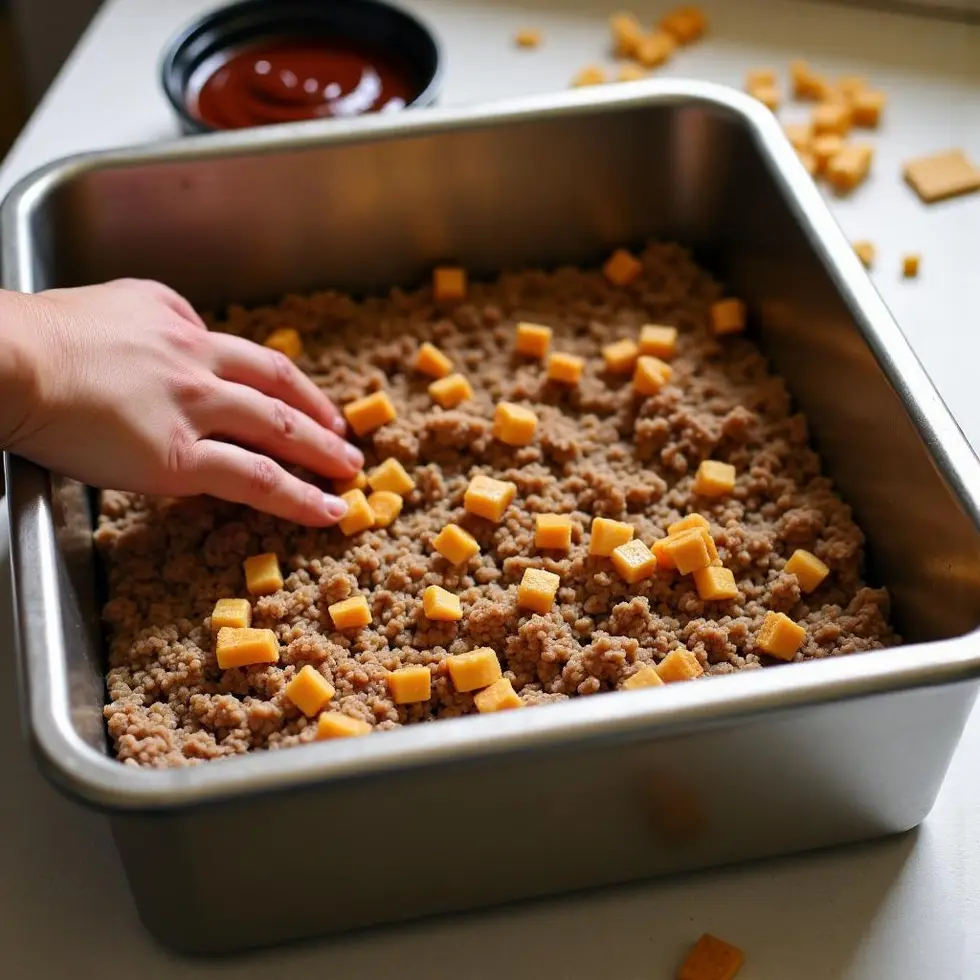
Crushed Crackers Replace Traditional Breadcrumbs
Ritz crackers add both structure and moisture to the meat mixture. Their higher fat content compared to plain breadcrumbs means they absorb liquid without turning gummy. One cup of crushed crackers mixed with half a cup of milk creates a panade that keeps the beef tender as it cooks.
The crackers also contribute a subtle buttery flavor that complements the brown sugar glaze. Crush them into fine pieces so they distribute evenly through the mixture. Large chunks create uneven texture and can leave dry pockets in the finished loaf.
Why 80/20 Ground Beef Works Best
The 20 percent fat content in 80/20 ground beef provides enough moisture to keep the meatloaf from drying out during the full hour of baking. Leaner ground beef lacks the fat needed to stay juicy, while fattier blends can make the loaf greasy and cause it to shrink excessively as it cooks.
Two beaten eggs bind the mixture without making it dense. Mix the ingredients just until combined—overworking the meat creates a compact, tough texture. The goal is a cohesive mixture that still feels light when you shape it into a loaf.
Finely diced yellow onion adds moisture and a mild sweetness that balances the savory seasoning. Garlic powder, salt, and black pepper season the meat evenly without overpowering the glaze. The mixture should hold its shape when you press it into the pan, but it should not feel stiff or dry.
The Role of Milk in the Mixture
Whole milk softens the crackers and creates a tender crumb structure. The milk soaks into the crushed Ritz, forming a paste that distributes moisture throughout the beef. This prevents the meat from binding too tightly, which is what causes dry, dense meatloaf.
Skim or low-fat milk works in a pinch, but whole milk provides better richness. The fat in the milk combines with the fat in the crackers to create a moist interior that stays tender even after resting. Pour the milk over the crackers before adding the beef so they have time to absorb it fully.
The combination of crackers, eggs, and milk creates a mixture that holds together when sliced but never feels heavy. This is the foundation of a restaurant-style meatloaf that slices cleanly and tastes rich without being greasy.
How to Make Cracker Barrel Meatloaf
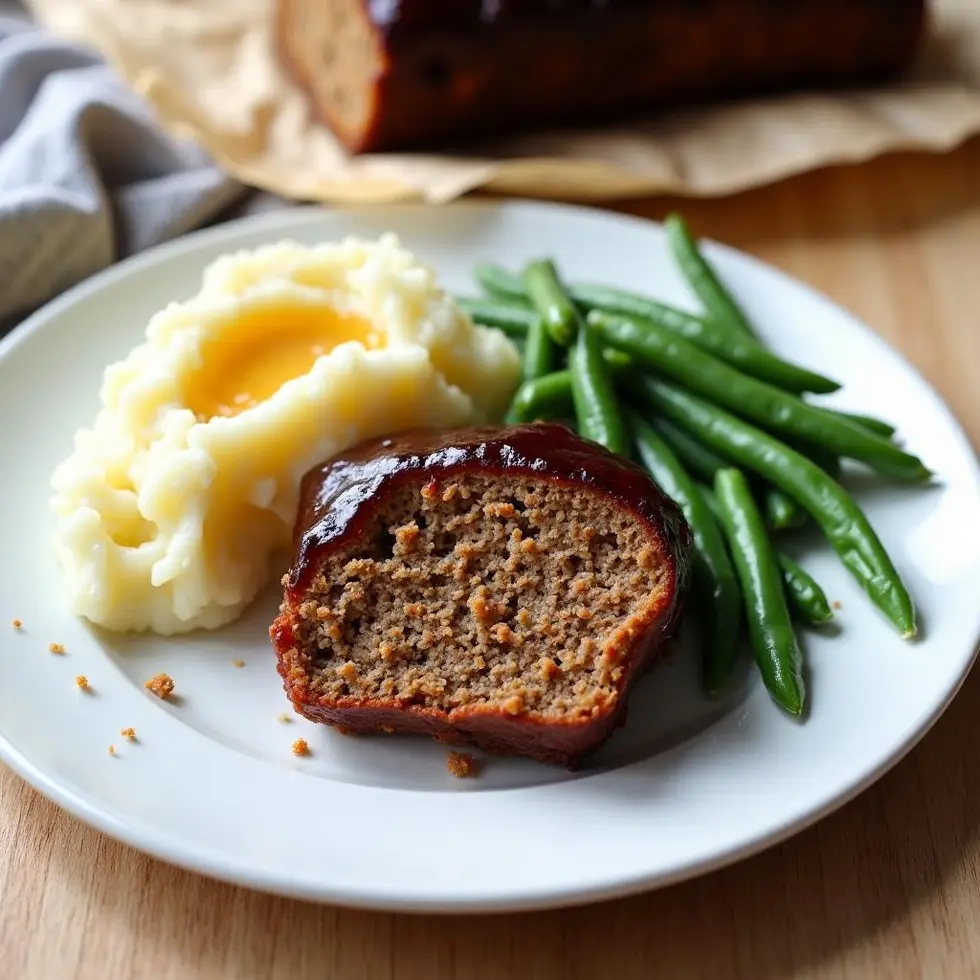
Preparing the Glaze and Meat Mixture
Preheat your oven to 350°F so it reaches full temperature by the time you shape the loaf. Mix half a cup of ketchup with a quarter cup of packed brown sugar in a small bowl. Stir until the sugar dissolves completely—this glaze will be applied in two stages, so you want it smooth and lump-free.
In a large bowl, combine 900 grams of 80/20 ground beef, one cup of crushed Ritz crackers, two beaten eggs, half a cup of whole milk, half a cup of finely diced yellow onion, one teaspoon of garlic powder, one teaspoon of salt, and half a teaspoon of black pepper. Use your hands or a wooden spoon to mix gently until the ingredients are just combined. Stop as soon as you no longer see streaks of egg or dry pockets of crackers.
Shape the mixture into a loaf either in a 9×5-inch loaf pan or freeform on a rimmed baking sheet. If using a pan, press the mixture in evenly without packing it too tightly. On a baking sheet, form it into a rounded loaf shape about two inches high. Brush half of the glaze over the top and sides of the loaf, coating it evenly.
Baking and Glazing in Two Stages
Bake the meatloaf for 45 minutes, then remove it from the oven and brush the remaining glaze over the top. The first coat will have caramelized into a sticky layer, and the second coat adds a fresh, glossy finish. Return the loaf to the oven and bake for another 15 minutes.
Check the internal temperature with an instant-read thermometer inserted into the center of the loaf. It should read 160°F for safe doneness. If it has not reached that temperature, bake for another five minutes and check again. The top should be deeply browned and glossy, with edges that have caramelized slightly.
Let the meatloaf rest for five minutes after removing it from the oven. This allows the juices to redistribute so they do not run out when you slice it. The glaze will set as it cools, forming a firm, sticky coating. Slice with a sharp knife, wiping the blade between cuts for clean slices.
Applying the glaze twice creates a layered sweetness that complements the savory beef without overwhelming it. The first coat caramelizes during the main baking time, while the second stays bright and tangy on the surface. This 365 Days of Slow Cooking method has been adapted in various slow-cooker meatloaf recipes, though the double-glaze technique works best in a conventional oven where the surface can brown evenly.
Glaze Timing, Sides and Leftovers
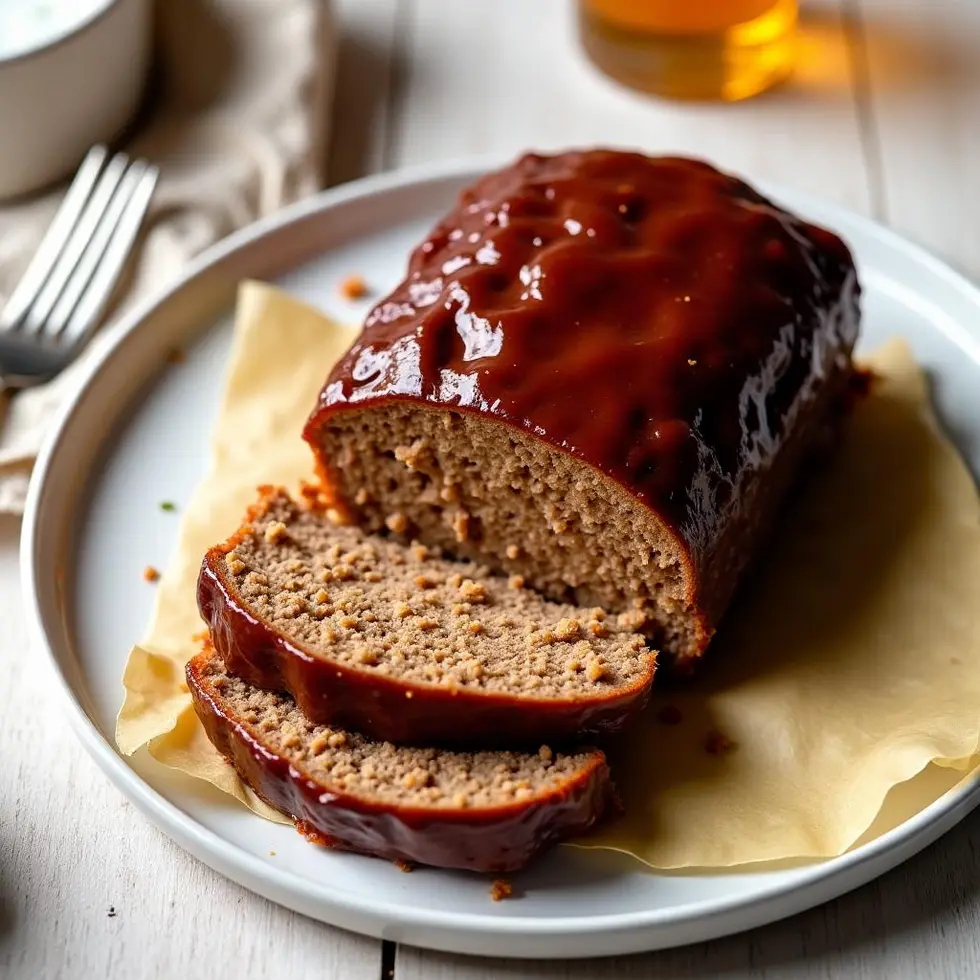
When to Add the Second Coat of Glaze
The second glaze coat goes on after 45 minutes of baking, not at the beginning. By that point, the meatloaf has set and the first glaze layer has caramelized into a sticky base. Brushing on the fresh glaze creates a bright, tangy top layer that contrasts with the deeper, more concentrated flavor underneath.
If you apply both coats at the start, the glaze burns before the meatloaf finishes cooking. If you wait until the very end, the second coat does not have time to warm through and meld with the first. The 45-minute mark gives you the best of both: a caramelized foundation and a glossy finish that stays balanced.
The brown sugar in the glaze melts into the ketchup as it bakes, creating a sauce that clings to the meat without sliding off. This is what gives restaurant-style meatloaf its signature appearance—a dark, glossy crust that looks lacquered. The timing ensures the sugars caramelize without scorching.
Serving Suggestions and Storage
Serve the meatloaf sliced into thick pieces alongside mashed potatoes and green beans for a classic comfort food plate. The glaze pairs well with mild sides that let its sweet-tangy flavor stand out. You can also serve it with roasted carrots, cornbread, or a simple salad.
Leftovers keep in an airtight container in the refrigerator for up to four days. Reheat individual slices in the microwave for 60 to 90 seconds, or warm several slices covered with foil in a 300°F oven for about 15 minutes. The glaze may soften slightly when reheated, but the flavor stays strong.
Cold slices also make excellent meatloaf sandwiches. Layer them on white bread with a smear of mayonnaise and a slice of tomato, or toast the bread and add lettuce for crunch. The glaze adds a touch of sweetness that balances the richness of the meat, even when served cold.
For a slightly different take on restaurant-style meatloaf with a similar glaze technique, Simply Copycat Recipes offers another approach that highlights the importance of glaze timing and meat texture.
Rest Before You Slice
The five-minute rest after baking is not optional. Cutting into the loaf immediately causes the juices to run out onto the cutting board, leaving the meat dry. Resting allows the proteins to relax and reabsorb moisture, so each slice stays tender and juicy.
Use this time to plate your sides or set the table. The meatloaf will still be hot after five minutes, and the glaze will have set into a firm coating that slices cleanly. If you let it rest longer than ten minutes, it may cool too much and lose some of its richness, so aim for the five-minute mark.
Frequently Asked Questions
Can I use regular breadcrumbs instead of Ritz crackers?
You can, but the texture will be denser and less rich. Ritz crackers contain more fat than plain breadcrumbs, which keeps the meatloaf tender. If you substitute breadcrumbs, add one tablespoon of melted butter to the mixture to compensate for the lost fat content.
How do I know when the meatloaf is fully cooked?
Use an instant-read thermometer inserted into the center of the loaf. It should read 160°F for safe doneness. If the top is browning too quickly before the center reaches temperature, tent it loosely with foil and continue baking.
Can I make this meatloaf ahead of time?
Yes. Shape the uncooked loaf, cover it tightly with plastic wrap, and refrigerate for up to 24 hours. Let it sit at room temperature for 15 minutes before baking, then proceed with the recipe as written. The glaze can also be made a day ahead and stored in the refrigerator.
Why did my meatloaf fall apart when I sliced it?
This usually happens when the mixture is overmixed or when the loaf is sliced before resting. Overmixing compacts the meat and prevents it from binding properly, while cutting too soon releases the juices that hold the slices together. Always rest for five minutes before slicing.
Can I freeze leftover meatloaf?
Yes. Wrap individual slices tightly in plastic wrap, then place them in a freezer-safe bag or container. Freeze for up to three months. Thaw in the refrigerator overnight and reheat in the microwave or a low oven. The texture stays better if you reheat from chilled rather than frozen.
Cracker Barrel Meatloaf
Ingredients
Method
- Preheat the oven to 350°F / 175°C and mix ketchup and brown sugar in a small bowl to make the glaze.
- Combine ground beef, crushed crackers, eggs, milk, onion, garlic powder, salt, and black pepper in a large bowl until just mixed.
- Shape the mixture into a loaf in a 9x5-inch loaf pan or on a rimmed baking sheet, then brush half the glaze over the top.
- Bake for 45 minutes, then brush the remaining glaze over the meatloaf and bake for 15 more minutes until the internal temperature reaches 160°F / 71°C.
- Let the meatloaf rest for 5 minutes before slicing to keep the juices inside.
