
When you leave the chicken fond in the pan and pour heavy cream straight over it, the sauce picks up every bit of smoky depth instead of starting from scratch.
It’s Tuesday, someone asks what’s for dinner, and you want something that feels special without requiring an hour or three grocery stores. This cajun chicken pasta chili’s copycat delivers exactly that: blackened chicken strips, cream sauce thick enough to coat every piece of penne, and finished in less than thirty minutes from first chop to last sprinkle of Parmesan. A home-friendly way to get this texture is building the sauce in the same pan where the protein was cooked, which means all those browned bits dissolve into the cream and give you a sauce that tastes deeper than anything you could achieve by starting with a clean skillet.
The homemade version gives you control over spice intensity, lets you use fresh Parmesan instead of pre-shredded, and costs about half what you’d pay at the restaurant. You also skip the wait, the parking, and the question of whether the kitchen nailed your spice preference tonight.
Why the Same Pan Matters Here
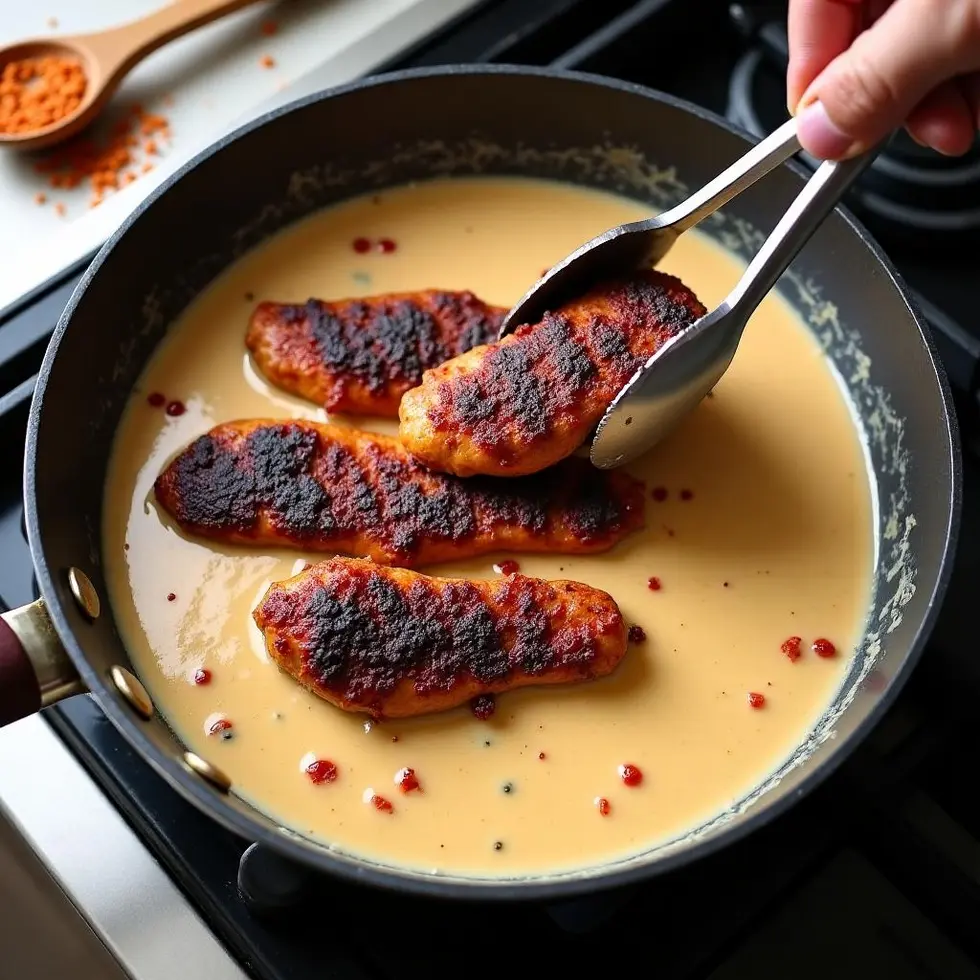
Using the Fond as Flavor Base
When chicken cooks at medium-high heat with Cajun seasoning, proteins and spices caramelize on the pan surface and create fond—those dark, stuck-on bits that look burned but aren’t. Removing the chicken and leaving those bits intact gives you the foundation for a restaurant-style sauce that tastes layered instead of flat. Pouring heavy cream directly into that hot pan dissolves the fond through a process called deglazing, and the cream absorbs smoky, peppery, slightly charred notes you can’t replicate by adding more spice to a clean pan.
According to Allrecipes, this technique is central to most Cajun pasta recipes because it transforms simple cream into something that tastes complex. Skipping the fond step or rinsing the pan between protein and sauce leaves you with a milder, one-dimensional result. The homemade version tastes richer because you’re capturing flavor at every stage instead of adding it all at the end.
The same skillet also keeps your cleanup count low, which matters when you’re trying to get dinner on the table without creating a kitchen full of dishes.
How to Blacken the Chicken and Build the Sauce
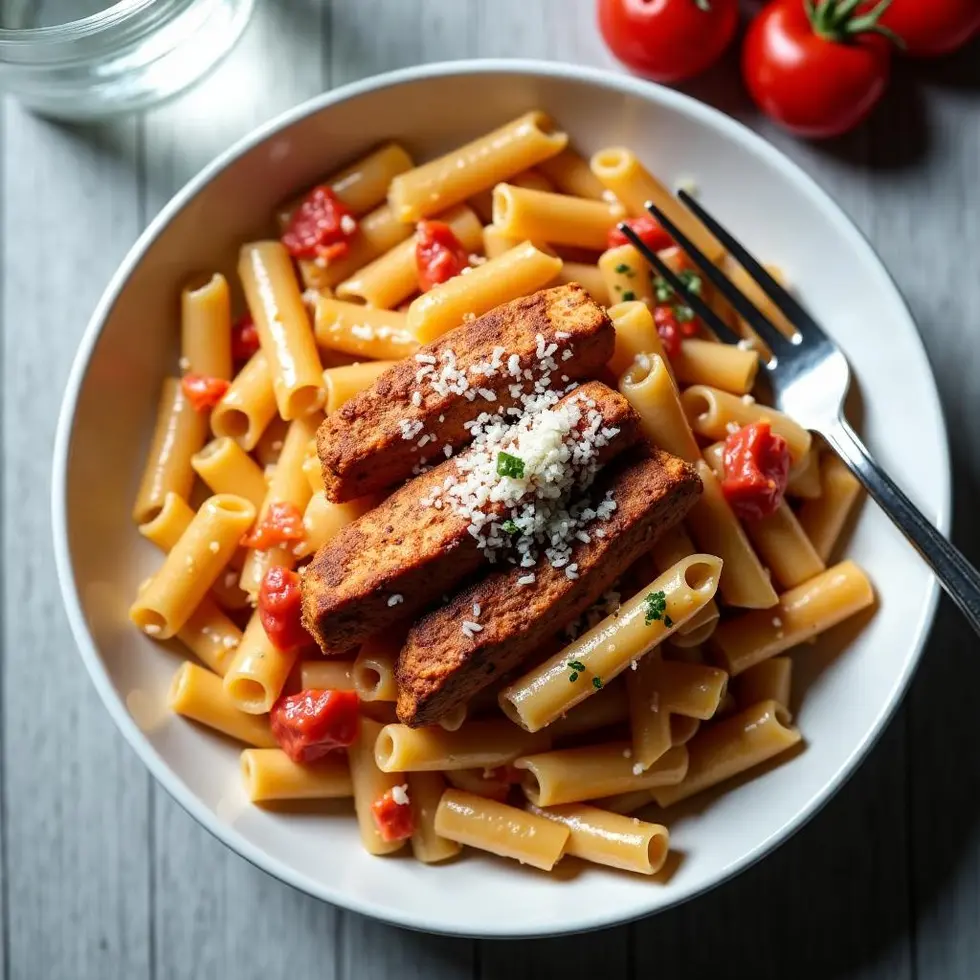
Chicken Blackening Without Burning
Toss 450 grams of chicken breast strips with 1 tablespoon Cajun seasoning until every surface is coated. Heat 2 tablespoons olive oil in a large skillet over medium-high heat—around 375°F if you’re using an infrared thermometer—and cook the chicken for 5 to 6 minutes per side. The goal is a dark, charred crust on the outside and an internal temperature of 165°F. Blackening is not the same as burning: you want a dry, deeply browned exterior that develops through direct contact with the hot pan, not through scorching the spices.
Remove the chicken and set it aside. Don’t wipe the pan. Add 3 minced garlic cloves and cook for 30 seconds, just until fragrant. Pour in 1 cup heavy cream, 1 cup diced tomatoes, the remaining tablespoon of Cajun seasoning, and ½ cup grated Parmesan. Stir constantly for 3 to 4 minutes until the sauce thickens enough to coat the back of a spoon. The cream needs time to reduce and the Parmesan needs time to melt completely, so resist the urge to rush this step.
Bringing It All Together
Add 340 grams of cooked, drained penne to the skillet along with the blackened chicken. Toss everything until the sauce coats every piece of pasta and chicken. The sauce should cling without pooling at the bottom of the pan. If it looks too thick, splash in a tablespoon or two of the reserved pasta water. If it looks too thin, let it simmer for another minute.
Serve immediately, because cream sauces lose their silky texture as they cool. Extra Parmesan on top is optional but recommended, especially if you like a sharper finish.
Heat Level, Pasta Choice and Reheating
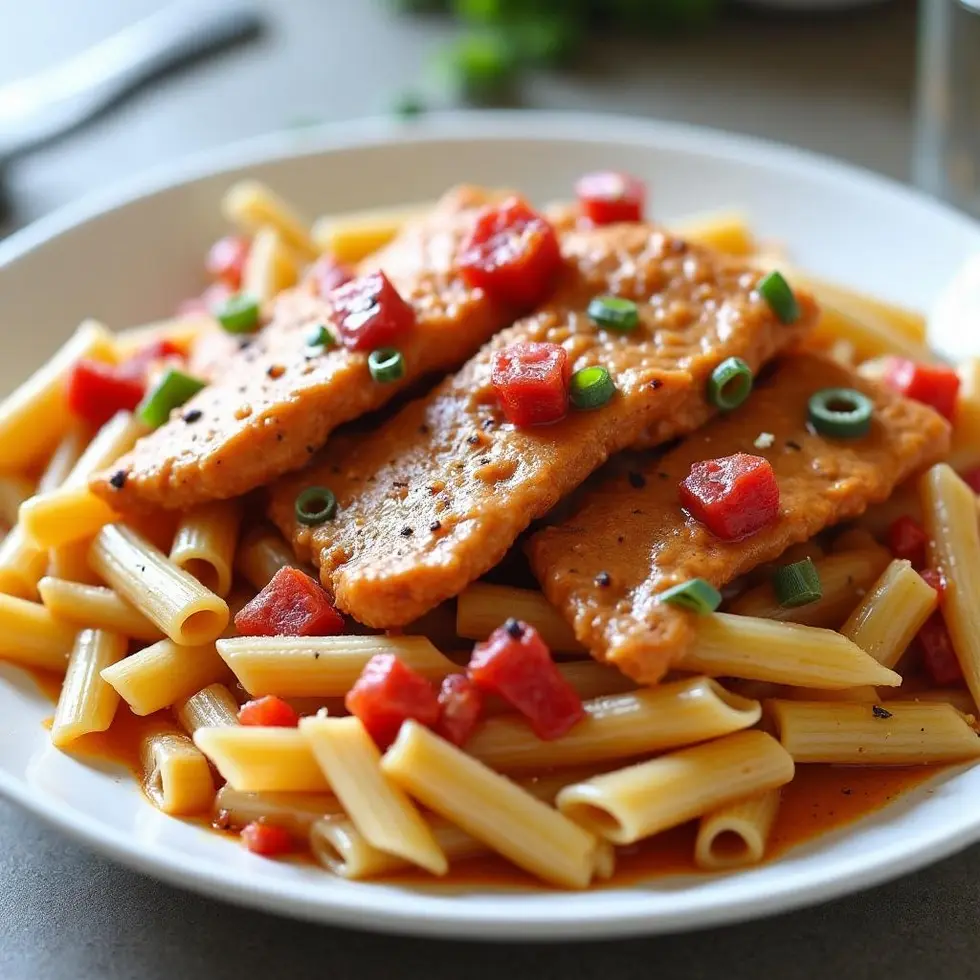
Adjusting the Spice
Commercial Cajun seasoning blends vary widely in heat, so taste yours before you commit both tablespoons. Some blends lean heavily on cayenne, while others emphasize paprika and garlic powder. Start with the full 2 tablespoons if you want a chili’s cajun chicken pasta recipe copycat that delivers noticeable heat. Cut it to 1½ tablespoons total if you’re cooking for people who prefer milder food. You can always add cayenne or hot sauce at the table, but you can’t pull heat out once it’s mixed in.
Penne holds up well because its ridges and hollow center trap the cream sauce, but rigatoni, ziti, or even fettuccine work if that’s what you have on hand. Avoid angel hair or thin spaghetti, which turn gummy when tossed with heavy cream.
Storage and Reheating Without Splitting
Store leftovers in an airtight container in the fridge for up to three days. Cream sauces often split when reheated at high heat, so warm this blackened chicken pasta recipe over low heat on the stovetop with a splash of milk or cream to loosen the sauce. Stir frequently and stop as soon as it’s heated through. Microwaving works if you use 50% power and stir every 30 seconds, but stovetop reheating gives you better control over texture.
Must Love Garlic suggests adding a tablespoon of butter during reheating to restore the glossy finish, which also helps if the Parmesan has clumped slightly overnight.
Serve It Hot, Serve It Often
The entire dish comes together in thirty minutes because you’re cooking the pasta and chicken simultaneously, not sequentially. Once you’ve made this creamy cajun pasta with chicken a few times, you’ll notice how predictable the timing becomes: pasta finishes just as the chicken rests, and the sauce thickens while you’re draining the penne. That kind of rhythm makes weeknight cooking less stressful.
Try it this week when you need something satisfying without spending an hour in the kitchen. The leftovers reheat well enough for lunch the next day, and the ingredient list is short enough that you won’t need a special grocery trip.
Frequently Asked Questions
Can I use chicken thighs instead of chicken breast?
Yes, chicken thighs work well and stay juicier during blackening. Cut them into strips and cook for 6 to 7 minutes per side to reach 165°F. The sauce will taste slightly richer because thighs have more fat.
What if I don’t have Cajun seasoning?
Make your own by combining 1 teaspoon paprika, ½ teaspoon garlic powder, ½ teaspoon onion powder, ½ teaspoon dried oregano, ½ teaspoon dried thyme, ¼ teaspoon cayenne, and ¼ teaspoon black pepper. This yields about 1 tablespoon, so double it for the full recipe.
Can I make this ahead?
You can blacken the chicken and cook the pasta up to two hours ahead, but wait to make the sauce until you’re ready to serve. Cream sauces thicken and lose their silky texture when they sit, even if you refrigerate them. Toss everything together just before serving.
Why does my sauce look grainy?
Grainy sauce usually means the Parmesan was added to cream that was too hot or boiling. Always stir Parmesan into gently simmering cream, not a rolling boil. Pre-shredded Parmesan contains anti-caking agents that can also cause graininess, so grate your own from a block if possible.
Can I use half-and-half instead of heavy cream?
Half-and-half has less fat, so the sauce won’t thicken as much and may taste thinner. If you use it, simmer the sauce for an extra minute or two and consider adding an extra tablespoon of Parmesan to help it thicken.
How do I keep the chicken from drying out?
Don’t overcook it. Pull the chicken at exactly 165°F and let it rest while you build the sauce. The residual heat will finish the cooking without drying the meat. Slicing it into strips instead of leaving it whole also helps it cook faster and stay tender.
Copycat Cajun Chicken Pasta
Ingredients
Method
- Cook the penne pasta according to package directions, drain, and set aside.
- Toss the chicken strips with 1 tablespoon Cajun seasoning until evenly coated.
- Heat olive oil in a large skillet over medium-high heat and cook the chicken for 5 to 6 minutes per side until blackened and cooked to 165°F / 74°C, then remove and set aside.
- In the same skillet, add garlic and cook for 30 seconds, then add heavy cream, diced tomatoes, remaining Cajun seasoning, and Parmesan, stirring until the sauce thickens for 3 to 4 minutes.
- Add the cooked pasta and chicken to the skillet and toss until everything is coated in the sauce.
- Serve immediately with extra Parmesan on top if desired.
