
Brushing glaze onto partly cooked chicken instead of raw thighs kept the sauce from burning while giving me that glossy mahogany finish.
Cornstarch mixed with honey and soy sauce creates a glaze that thickens rapidly under concentrated heat. The air fryer’s rapid circulation evaporates excess moisture, leaving behind a sticky coating that clings to the chicken surface instead of pooling in the basket. This happens because the glaze is applied after the meat has already cooked through, so the final three minutes at 380°F concentrate the sugars without overcooking the protein.
You notice the glaze turning glossy rather than gummy. The honey caramelizes against the hot metal, creating a mahogany sheen that tastes sweet, salty, and tangy without the burnt edges that happen when raw chicken hits sweetened marinade. The texture stays tender because the chicken cooks first, rests briefly, then gets glazed.
This version builds the teriyaki chicken air fryer method around timing rather than soaking. Most recipes marinate raw chicken in the sauce, which means the sugars burn before the meat reaches 165°F. Here, you brush oil on the thighs, cook them plain, then apply the glaze at the end. The cornstarch stabilizes the liquid, and the final burst of heat transforms it into a coating.
The entire process takes 25 minutes from start to finish. You’ll have tender, sliced chicken with a sticky glaze, no stovetop splatters, and no need to scrub a skillet.
The Glaze Timing Most Recipes Get Wrong
Why Glazing After Cooking Prevents Burning
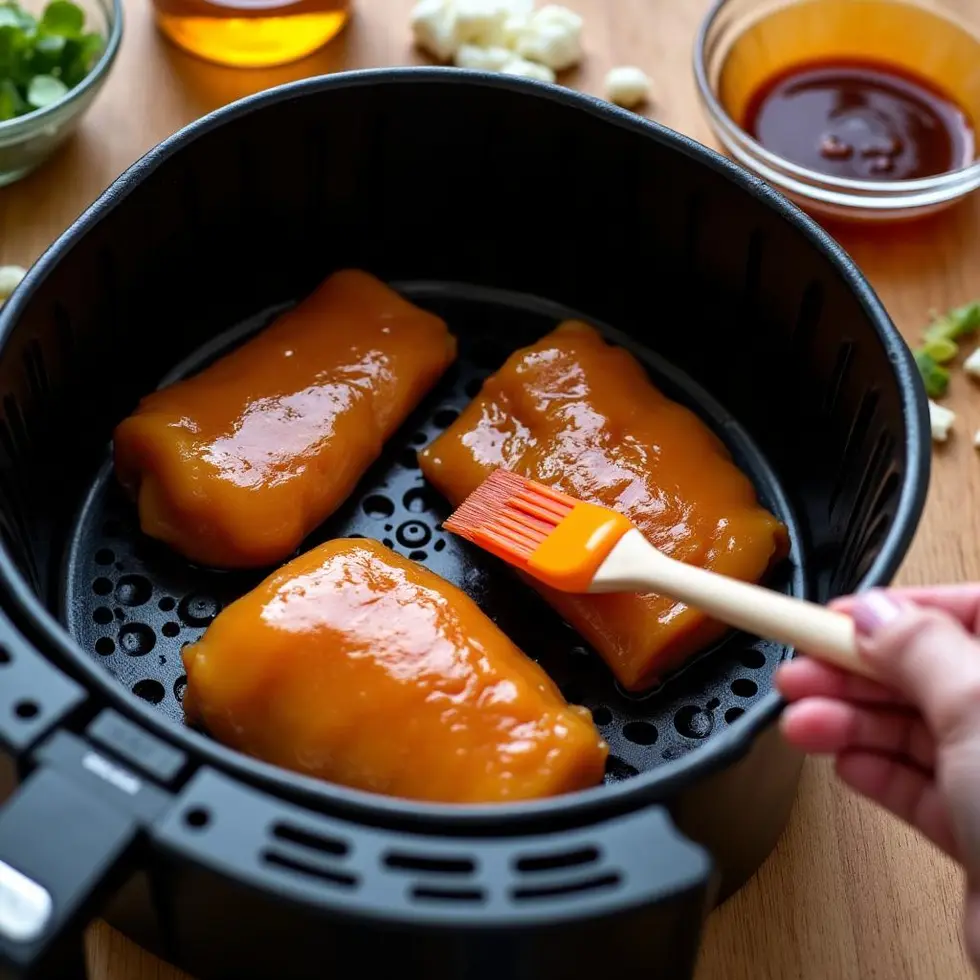
Honey contains fructose, which caramelizes at a lower temperature than the 380°F needed to cook chicken through. When you coat raw thighs in teriyaki sauce, the sugars scorch long before the center reaches a safe temperature. The result is blackened edges and undercooked meat.
By cooking the chicken plain for the first 12 minutes, you allow the protein to firm up and release moisture without interference from the glaze. The surface dries slightly, which helps the sauce adhere better during the final three minutes. This method is common in restaurant-style teriyaki chicken preparation, where the glaze is brushed on just before plating or during the last moments of cooking.
Cornstarch acts as a thickener and stabilizer. Mixed into the liquid glaze, it forms a slurry that clings to the chicken instead of dripping through the basket. As the glaze heats, the starch granules absorb moisture and swell, creating a glossy coating that holds its shape even after the chicken cools.
How Rapid Air Circulation Concentrates Flavor
The air fryer’s fan pulls moisture away from the chicken surface faster than a conventional oven. This dehydration intensifies the glaze by evaporating water content while leaving behind concentrated sugars, soy sauce, and aromatics. You end up with a sticky layer rather than a wet sauce.
Preheating the air fryer to 380°F (193°C) for three minutes ensures the basket is hot when the chicken hits the metal. This immediate contact creates surface tension that helps the glaze set quickly. If you skip the preheat, the chicken releases more liquid, which dilutes the glaze and creates steam instead of caramelization.
Check the chicken at 10 minutes if your air fryer runs hot. Models with stronger fans may cook faster, so you want to avoid overcooking before you add the glaze. An instant-read thermometer should read 165°F (74°C) at the thickest part before you brush on the sauce. The final three minutes are for texture, not for cooking the meat further.
How to Make Teriyaki Chicken in the Air Fryer
Setting Up the Basket for Even Cooking
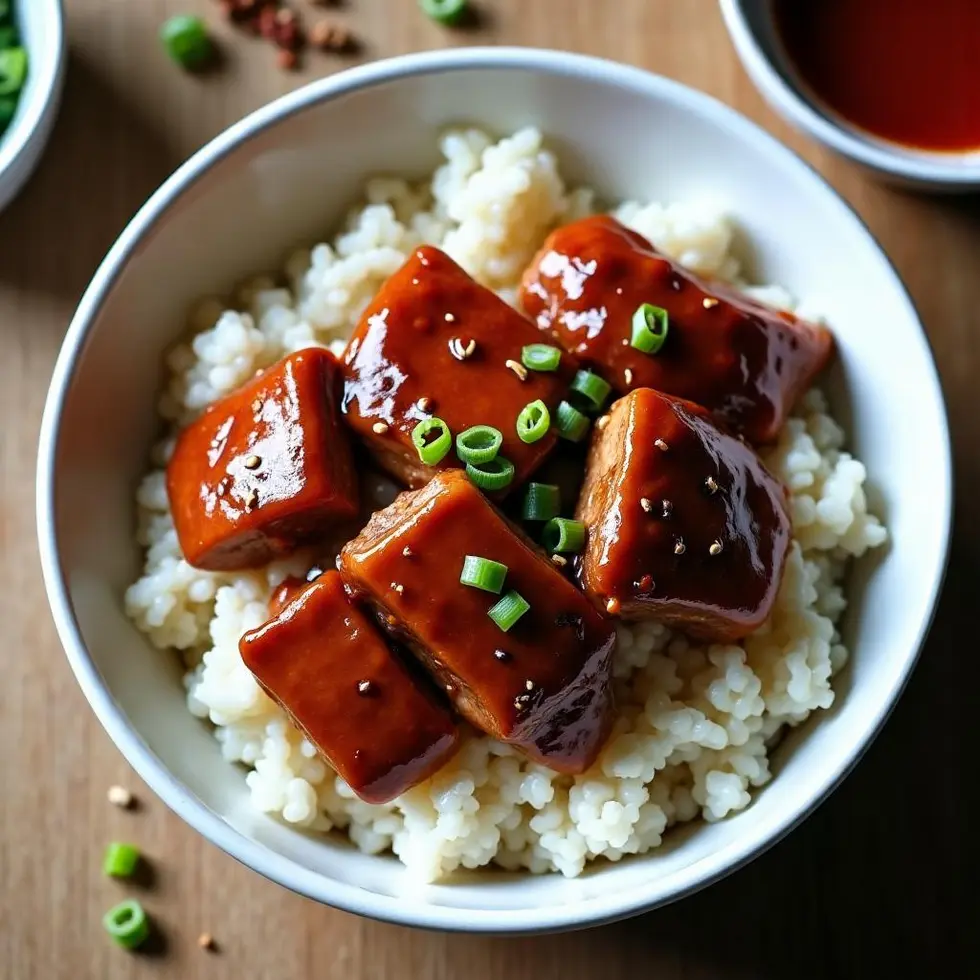
Arrange the chicken thighs in a single layer with at least half an inch of space between each piece. Overlapping blocks airflow and creates pale, steamed patches where the glaze won’t stick. If your basket is small, cook in two batches rather than stacking the meat.
Brush each thigh lightly with olive oil before placing it in the basket. The oil helps the chicken brown and prevents sticking, but too much creates smoke and interferes with the glaze. One tablespoon is enough for 500 grams of chicken.
Home Kitchen Skills offers additional air fryer chicken techniques that cover spacing, temperature adjustments, and common air fryer mistakes.
Flip the chicken at the six-minute mark. This ensures both sides develop a light golden surface that holds the glaze evenly. Use tongs to turn each piece gently, especially if the thighs are thin. Thin cuts can dry out if flipped too roughly or left skin-side down for too long.
Building the Glaze While the Chicken Cooks
Whisk together soy sauce, honey, rice vinegar, minced ginger, minced garlic, and cornstarch in a small bowl. The cornstarch should dissolve completely with no lumps. If it clumps, add a teaspoon of water and whisk again until smooth.
Minced ginger and garlic release aromatic compounds that intensify under heat. Fresh ginger has more punch than dried powder, and fresh garlic browns lightly in the final minutes, adding a toasted edge to the glaze. Rice vinegar balances the sweetness of the honey without overpowering the soy sauce.
Brush the glaze onto the chicken after it reaches 165°F. Use a silicone brush to coat both sides, then return the basket to the air fryer for three more minutes. The glaze should bubble and darken slightly, turning glossy as the moisture evaporates. If the glaze stays watery, add another minute of cooking time.
Rest the chicken for two minutes after removing it from the basket. This allows the juices to redistribute and the glaze to set into a sticky coating. Slicing too soon causes the glaze to slide off and the meat to lose moisture.
Rice Bowls, Swaps and Meal Prep
Serving Over Rice or Vegetables
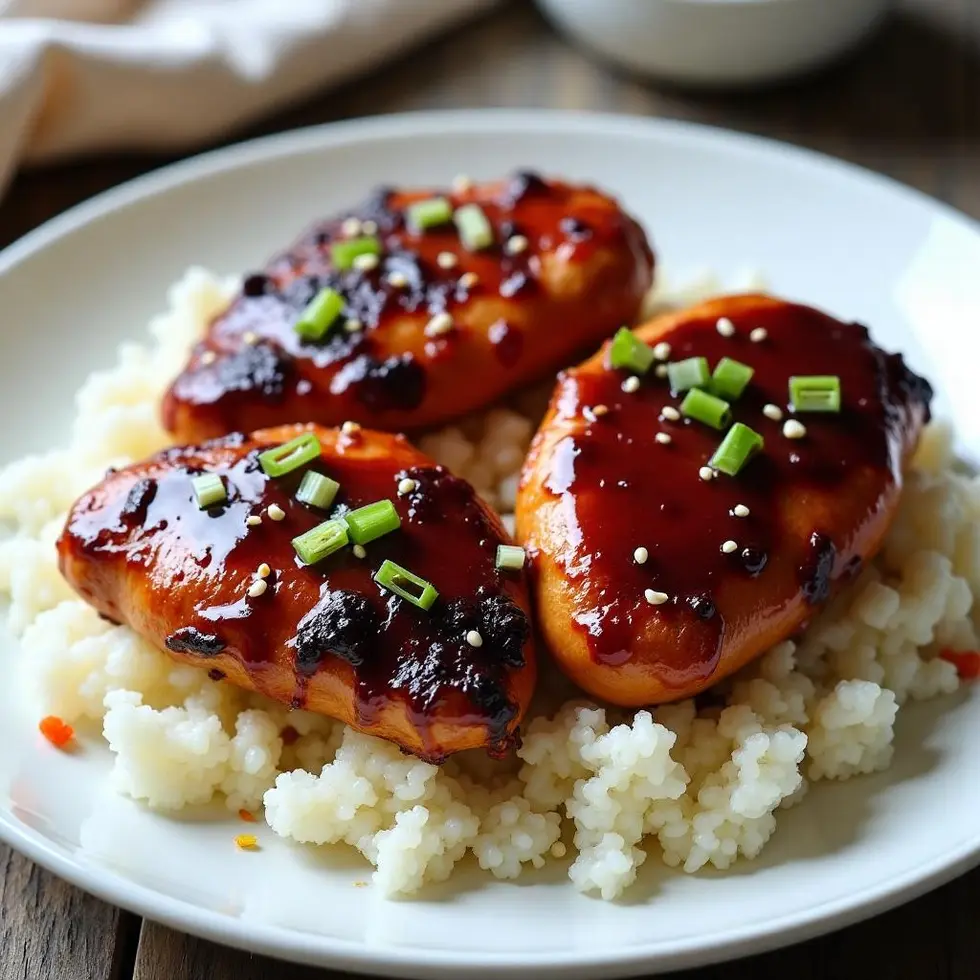
Slice the chicken into strips and arrange them over steamed white rice. The glaze drips down into the rice, which absorbs the extra sauce and stays moist. You can also serve the chicken alongside steamed broccoli, snap peas, or roasted bell peppers.
For a teriyaki chicken rice bowl, add shredded carrots, sliced cucumber, and a sprinkle of sesame seeds. The fresh vegetables add crunch and balance the richness of the glaze. A drizzle of extra soy sauce or a pinch of red pepper flakes gives you control over the final flavor.
Leftover chicken holds its texture for up to three days in the refrigerator. Store the sliced chicken in an airtight container and reheat it in the air fryer at 350°F for three minutes. The glaze will soften slightly but regain its stickiness as it heats. Avoid microwaving, which steams the chicken and turns the coating gummy.
Ingredient Swaps and Make-Ahead Notes
You can replace honey with maple syrup or agave nectar if you prefer a less floral sweetness. Both syrups caramelize similarly, though maple syrup adds a slight woody note. Adjust the vinegar by a teaspoon if the glaze tastes too sweet after swapping.
If you don’t have rice vinegar, use apple cider vinegar or white vinegar. Apple cider vinegar is milder and closer in acidity to rice vinegar, while white vinegar is sharper. Start with half a tablespoon and taste the glaze before adding more.
Prepare the glaze up to two days in advance and store it in the refrigerator. Whisk it again before brushing it onto the chicken, as the cornstarch may settle. You can also cook the chicken ahead and glaze it just before serving. Reheat the plain chicken in the air fryer at 360°F for five minutes, then brush on the glaze and cook for three more minutes.
For a spicier version, add a teaspoon of sriracha or a pinch of red pepper flakes to the glaze. The heat cuts through the sweetness without overwhelming the soy sauce and ginger. You can also marinate the chicken in half the glaze for 30 minutes before cooking, then use the remaining glaze for the final three minutes. This adds flavor depth but requires careful attention to prevent burning.
Glaze Temperature Matters Most
The final three minutes at 380°F transform liquid glaze into a sticky, caramelized coating. If you add the glaze too early, the sugars burn before the chicken finishes cooking. If you skip the preheat, the basket stays cool and the glaze slides off instead of setting.
Watch for the moment the glaze bubbles and darkens. That’s when the honey caramelizes and the cornstarch thickens the sauce. If you pull the chicken too soon, the glaze stays thin. If you leave it too long, the edges char and the sauce turns bitter.
Control the final temperature carefully, and you’ll have glossy, sticky air fryer teriyaki chicken thighs every time.
Frequently Asked Questions
Can I use chicken breasts instead of thighs?
Yes, but reduce the cooking time to 10 minutes before adding the glaze. Chicken breasts cook faster and dry out more easily than thighs, so check the internal temperature at 8 minutes. The glaze still caramelizes in the final three minutes.
Do I need to preheat the air fryer?
Preheating is necessary for this recipe. A hot basket helps the glaze set quickly and prevents the chicken from steaming. Three minutes at 380°F is enough to bring the basket up to temperature.
Why is my glaze watery instead of sticky?
The cornstarch may not have dissolved completely, or the chicken needed another minute of cooking time. Whisk the glaze thoroughly before brushing it on, and check that the air fryer reaches the full temperature. If the glaze is still thin, add 30 seconds of cooking time.
Can I make this glaze without cornstarch?
You can skip the cornstarch, but the glaze will be thinner and less sticky. To thicken it naturally, simmer the glaze in a small saucepan for two minutes before brushing it onto the chicken. This reduces the liquid and concentrates the flavor.
How do I store leftover teriyaki chicken?
Store sliced chicken in an airtight container in the refrigerator for up to three days. Reheat it in the air fryer at 350°F for three minutes to restore the glaze texture. Avoid microwaving, which makes the coating soggy.
Teriyaki Chicken
Ingredients
Method
- Preheat the air fryer to 380°F / 193°C for 3 minutes.
- Brush the chicken thighs with olive oil and arrange in a single layer in the air fryer basket.
- Air fry for 12 minutes, flipping halfway, until the chicken reaches 165°F / 74°C at the thickest part.
- While the chicken cooks, whisk together soy sauce, honey, rice vinegar, ginger, garlic, and cornstarch in a small bowl.
- Brush the teriyaki glaze over the chicken and air fry for 3 more minutes until the glaze caramelizes and turns glossy.
- Rest for 2 minutes before slicing and serving over rice or with vegetables.
