
Mixing melted butter with lemon zest and fresh juice right before the hot wings hit the bowl keeps the citrus bright instead of dulled by heat.
A single pound of wings costs roughly $3.50, butter and olive oil add another dollar, and lemon pepper seasoning comes to about fifty cents per batch. You spend under eight dollars making two generous servings that would run closer to twenty at a restaurant, and the entire process takes 26 minutes from the moment you preheat the air fryer. These crispy lemon pepper wings use a method centered on simplicity: cook the chicken plain until the skin crisps, then toss it in lemon pepper butter while it’s still hot enough to pull the flavor into every crevice.
The bright, peppery tang that defines this recipe comes from whisking fresh lemon juice and zest into melted butter right before you toss the wings, keeping the acidity sharp and the seasoning visible. Coating after cooking instead of before prevents the lemon pepper from scorching under high heat, which would turn the citrus bitter and the pepper ashy.
Rapid hot air circulation in the basket drives moisture out of the skin while browning it evenly at 400°F (200°C), creating the same crisp exterior you expect from deep frying without the oil cost or cleanup. Air fryer wings reach golden, crackling doneness in 18 minutes, and the coating stays glossy because it never sees direct heat.
Why the Seasoning Goes On Last
How Direct Heat Changes Citrus
Lemon zest and fresh juice contain volatile oils and acids that break down at temperatures above 300°F. When you season wings before cooking, those bright citrus notes evaporate in the air fryer basket, leaving behind a dull, slightly acrid flavor that tastes more like burnt pepper than lemon. Coating after cooking preserves the sharp, bright bite that balances the buttery richness.
Most air fryer recipes that season before cooking end up with spotty browning and charred flecks of spice, because the lemon pepper seasoning contains sugar and dried aromatics that scorch before the chicken skin finishes crisping. Tossing hot wings in seasoned butter after they leave the basket gives you clean, even color on the skin and a coating that stays glossy instead of grainy.
The Butter Acts as a Flavor Carrier
Melted butter clings to hot chicken skin in a way that dry seasoning never can, creating a thin, even layer that distributes lemon zest, juice, garlic powder, and pepper across every ridge and crevice. Fat-soluble compounds in the pepper and garlic dissolve into the butter, coating your palate with each bite instead of sitting on the surface where they can fall off.
Whisking the seasoning into butter also prevents clumping. Dry lemon pepper powder can form pockets of intense flavor when sprinkled directly onto wings, but when you emulsify it into fat first, you build a sauce that tastes balanced from the first wing to the last. The butter stays liquid long enough to coat two servings of wings if you toss them right after they come out of the air fryer, then firms up slightly as the wings cool, locking the flavor in place.
Applying the coating after cooking also means you control the intensity: if you prefer a milder citrus hit, hold back half a tablespoon of lemon juice, or if you want more pepper, double the lemon pepper seasoning without risking burnt spots in the basket.
How to Make Lemon Pepper Wings in the Air Fryer
Preheat, Dry the Skin, and Space the Wings
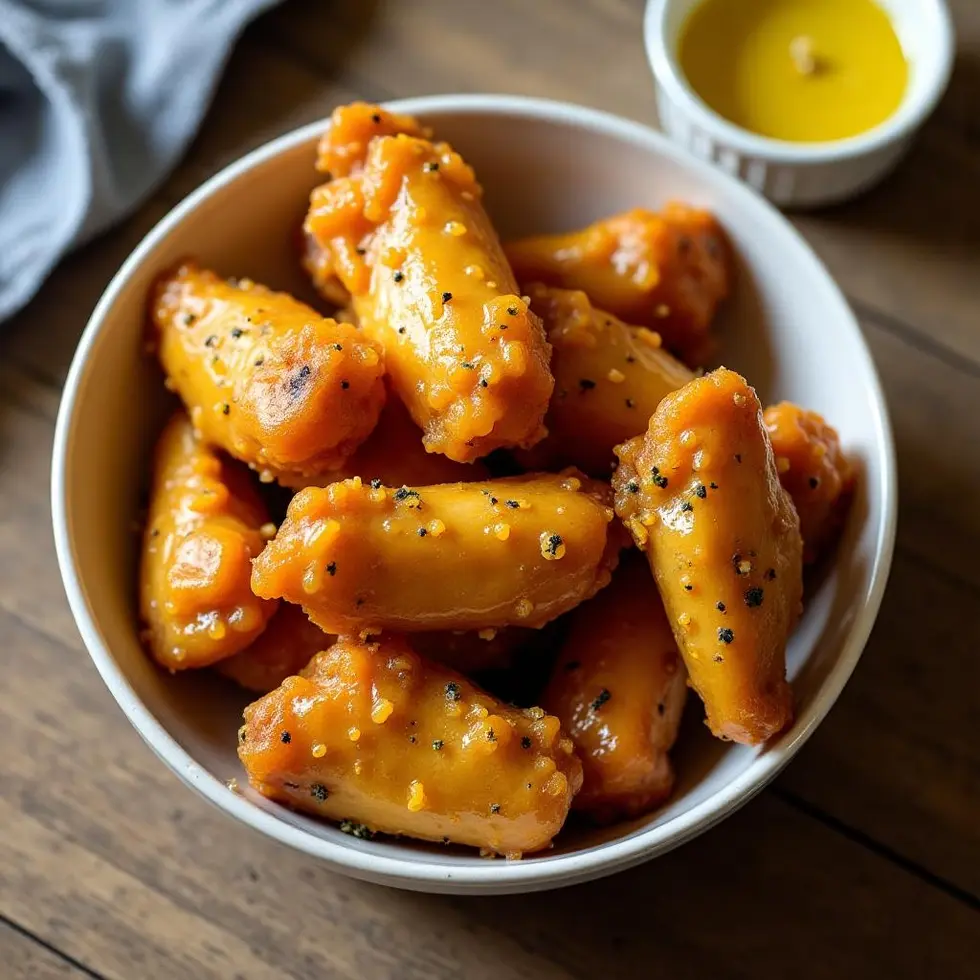
Preheat your air fryer to 400°F (200°C) for three minutes before loading the basket. Preheating ensures the skin starts browning the moment the wings hit the metal, creating the initial crispness that holds through the entire cook. Skipping this step leaves the wings sitting in a warming basket for the first few minutes, steaming instead of crisping.
Pat the wings completely dry with paper towels, then toss them with one tablespoon of olive oil. Moisture on the skin creates steam pockets that prevent browning, and the thin layer of oil helps conduct heat from the circulating air into the skin, speeding up the Maillard reaction that creates golden color and deep flavor. Arrange the wings in a single layer with space between each piece—overlapping wings steam where they touch, leaving pale, rubbery patches instead of even crispness.
Cook at High Heat and Flip Once
Set the temperature to 400°F (200°C) and cook for 18 minutes total, flipping the wings at the 9-minute mark. High heat drives moisture out of the skin fast enough to crisp it before the meat dries out, and flipping ensures both sides brown evenly. Check the wings at 8 minutes—if your air fryer runs hot, the skin might already be golden, in which case you flip early and reduce the second half to 8 minutes instead of 9.
The internal temperature should reach 165°F (74°C) by the time the skin turns golden and crackling. Most air fryer models circulate air more aggressively than a conventional oven, cutting the cooking time by about a third compared to roasting at the same temperature. According to Home Kitchen Skills, spacing and flipping are the two variables that determine whether air fryer wings crisp evenly or come out pale and limp in spots.
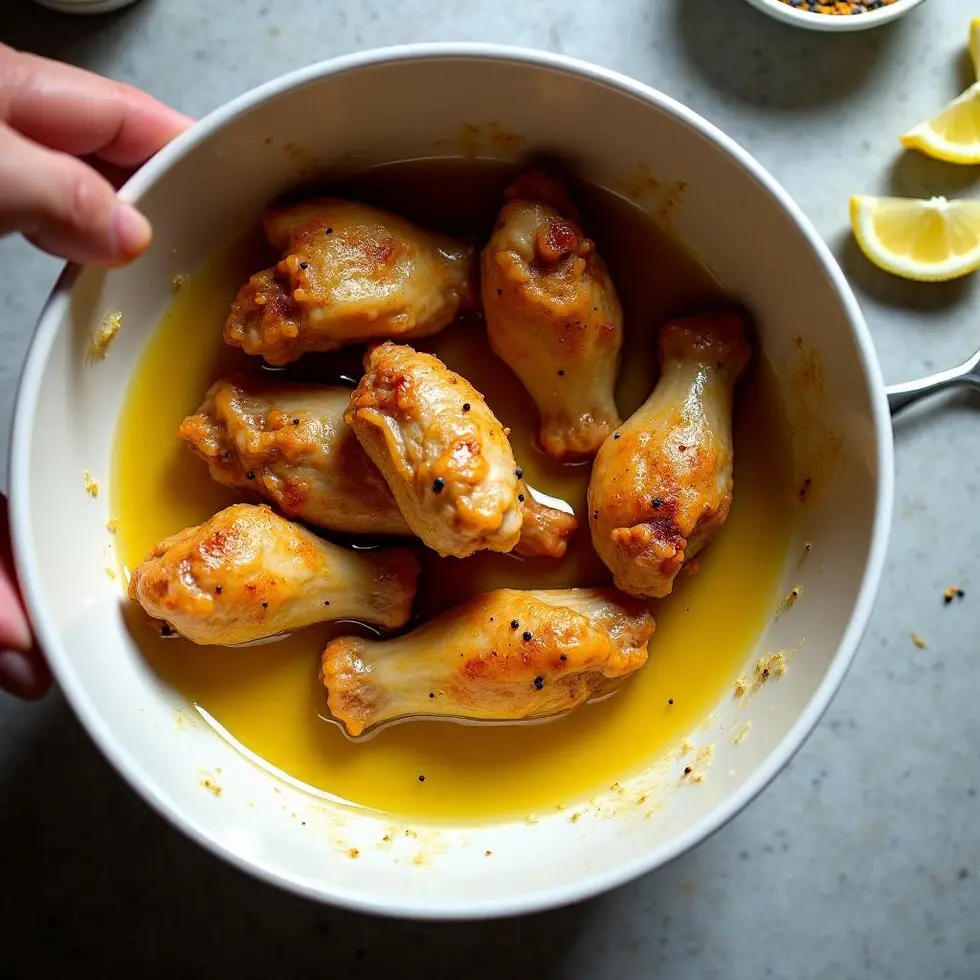
While the wings cook, whisk together three tablespoons of melted butter, two tablespoons of lemon pepper seasoning, one teaspoon of lemon zest, one tablespoon of fresh lemon juice, and half a teaspoon of garlic powder in a large mixing bowl. This bowl needs to be big enough to toss the wings without crowding, so the butter coats every surface in one or two quick tosses.
Transfer the hot wings straight from the basket into the butter mixture and toss immediately, using tongs or a large spoon to coat each piece. The residual heat from the wings keeps the butter liquid long enough to distribute evenly, and the moisture from the lemon juice helps the seasoning cling instead of sliding off.
Visual Cues and Common Mistakes
Golden skin with visible browning on the tips and ridges signals doneness, but the most reliable cue is internal temperature. Insert an instant-read thermometer into the thickest part of a drumette without touching bone—165°F (74°C) means the meat is safe and juicy, while anything under 160°F leaves the texture rubbery near the bone.
The most common mistake beginners make is overcrowding the basket, which traps steam and prevents the skin from crisping. If you’re doubling the recipe, cook the wings in two batches and keep the first batch warm in a 200°F oven while the second batch finishes. Trying to fit all the wings into one layer by stacking them results in half-cooked, pale skin that never crisps no matter how long you extend the cooking time.
Another frequent error is tossing the wings in the butter before they finish cooking, hoping to save time. Cold butter on hot wings creates an uneven glaze that congeals in patches, and the wings lose heat so fast that the butter never melts completely. Always toss immediately after removing the wings from the basket, while they’re still above 160°F.
Wet vs Dry, Dips and Game Day Batches
What Makes Wet Wings Different
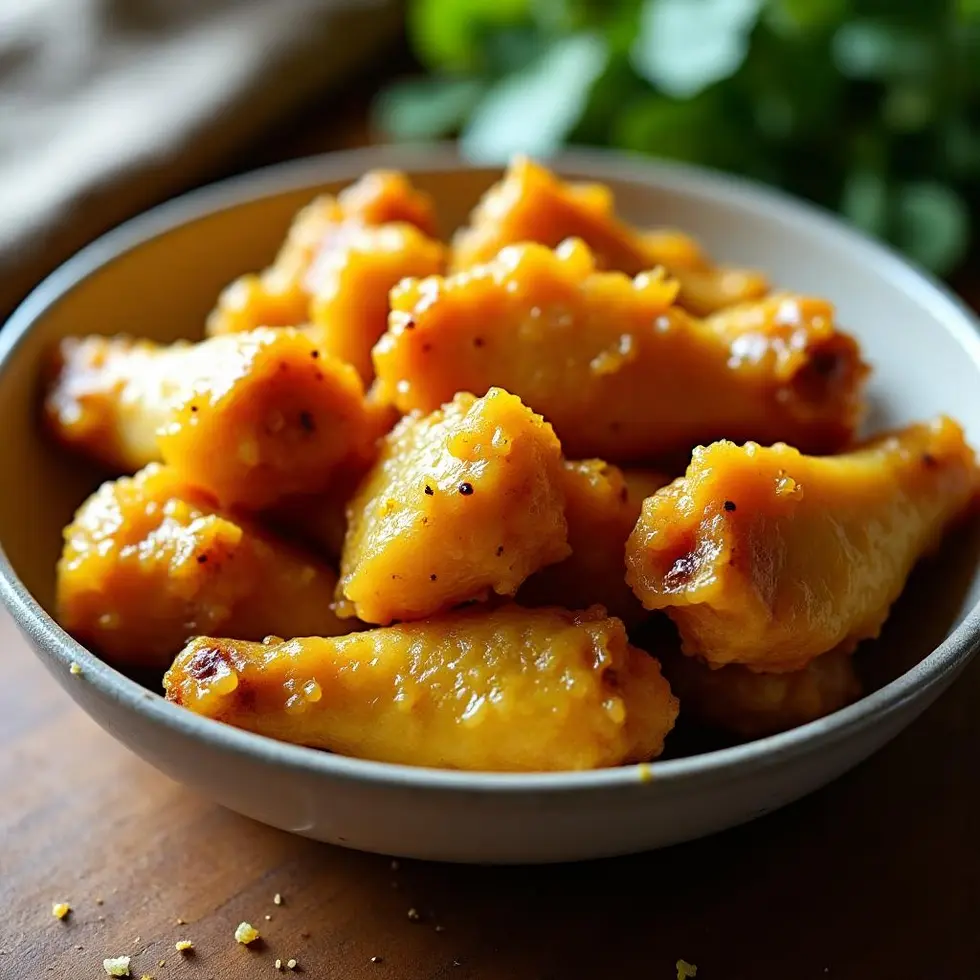
Wet lemon pepper wings use more melted butter and sometimes a splash of extra lemon juice to create a glossy, dripping coating that pools in the bottom of the serving dish. Dry versions use only enough butter to make the seasoning stick, resulting in a matte finish with visible pepper flecks. The recipe above sits in the middle, giving you a shiny coating without excess butter running off when you pick up a wing.
If you want wetter wings, double the butter to six tablespoons and add another tablespoon of lemon juice. The extra fat makes the coating richer and more indulgent, though it also adds roughly 100 calories per serving. For a drier finish, reduce the butter to two tablespoons and toss the wings with the lemon pepper seasoning, zest, and garlic powder mixed together as a dry rub right after they leave the basket—the residual heat will release the oils in the spices without creating a sauce.
Dipping Sauces and Scaling for a Crowd
These wings pair well with a tangy dip that cuts through the butter. Copycat Popeyes Blackened Ranch adds a creamy, peppery contrast that complements the citrus without overwhelming it, and the buttermilk base keeps the dip light enough to serve alongside other game day snacks.
To scale this recipe for a party, multiply the ingredients by the number of batches you need and cook the wings in separate loads, keeping finished batches warm in a 200°F oven on a wire rack. Cooked wings hold their crispness for about 20 minutes in a low oven, but any longer and the steam from the meat softens the skin. Toss each batch in the butter mixture right before serving so the coating stays glossy and the seasoning tastes fresh.
According to AJC, baking lemon pepper wings requires more time and yields less consistent crispness compared to air frying, making the air fryer the faster, more reliable choice when you’re feeding a group. One pound of wings serves two people as a main dish or four as an appetizer, so plan on two to three batches for a typical game day spread of eight guests.
Leftover wings lose their crispness within an hour, but you can reheat them in the air fryer at 375°F (190°C) for 4 minutes to restore some of the texture. The butter coating won’t look as glossy after reheating, so consider saving any uneaten wings plain and tossing them in fresh lemon pepper butter right before serving the next day.
Doubling past 2 servings works — just season this lemon pepper wings air fryer in stages.
Timing the Toss
The moment the wings leave the air fryer basket is the moment you toss them in the butter mixture—waiting even two minutes lets the surface cool enough that the butter firms up unevenly instead of coating every ridge. Heat the mixing bowl slightly by rinsing it with hot water and drying it before you whisk the butter and seasonings together, so the bowl doesn’t steal heat from the wings when you toss them.
Serve immediately while the coating is bright and the wings are still hot enough to release steam when you bite through the skin. Lemon pepper wings taste best within the first ten minutes after tossing, when the butter is glossy, the citrus is sharp, and the skin retains its crackling texture.
Frequently Asked Questions
Can I use frozen wings instead of fresh?
Frozen wings work if you thaw them completely first and pat them very dry. Cooking frozen wings directly in the air fryer adds moisture to the basket, which creates steam and prevents the skin from crisping properly. Thaw them overnight in the refrigerator, then follow the same drying and oiling steps as fresh wings.
Do I need to preheat the air fryer for this recipe?
Yes, preheating for three minutes at 400°F (200°C) ensures the wings start crisping the moment they hit the basket. Skipping this step leaves the wings steaming in a warming basket for the first few minutes, which delays browning and results in a softer skin texture.
Can I make these wings spicier?
Add a quarter teaspoon of cayenne pepper to the butter mixture for mild heat, or up to half a teaspoon for a sharper kick. You can also toss the wings in hot sauce after coating them with lemon pepper butter, though the vinegar in most hot sauces will thin the butter slightly and make the coating less glossy.
Why are my wings chewy instead of crispy?
Chewy wings usually mean the skin didn’t dry completely before cooking, or the basket was overcrowded and the wings steamed instead of crisped. Pat the wings until the paper towel comes away dry, and make sure each piece has space around it in the basket so hot air can circulate on all sides.
How do I store leftover wings?
Store cooked wings in an airtight container in the refrigerator for up to two days. Reheat them in the air fryer at 375°F (190°C) for 4 minutes to restore some crispness, then toss them in fresh lemon pepper butter right before serving. The original butter coating will have congealed and lost its gloss, so making a fresh batch of seasoned butter is worth the extra minute.
Lemon Pepper Wings
Ingredients
Method
- Preheat the air fryer to 400°F / 200°C for 3 minutes.
- Pat the chicken wings dry, then toss with olive oil and arrange in a single layer in the air fryer basket.
- Air fry for 18 minutes, flipping halfway, until the skin is golden and crisp and the internal temperature reaches 165°F / 74°C.
- While the wings cook, whisk together melted butter, lemon pepper seasoning, lemon zest, lemon juice, and garlic powder in a large bowl.
- Transfer the cooked wings to the bowl and toss immediately in the lemon pepper butter until evenly coated.
- Serve right away while the coating is bright and the wings are hot.
