
I watched the cheddar melt into the milk without breaking once I lowered the heat and kept the spoon moving constantly through the sauce.
A pound of 80/20 ground beef, a box of pasta, and two cups of shredded cheddar make four generous servings for around $9 total—less than half what a single combo meal costs at most burger chains. The pantry staples you already own—garlic powder, smoked paprika, ketchup, mustard—build the burger flavor without adding to the grocery bill. This cheeseburger mac and cheese recipe uses ingredients that stretch across multiple meals, so the actual per-serving cost drops even further if you buy in moderate bulk.
The entire method happens in one skillet. You brown the beef, season it with burger spices and condiments, build the cheese sauce in the same pan, and toss the cooked macaroni through at the end. The whole process takes thirty minutes, with ten of those spent on prep and twenty on the stove.
Why Cheeseburger Mac Works for Dinner
Ground Beef at the Right Fat Ratio
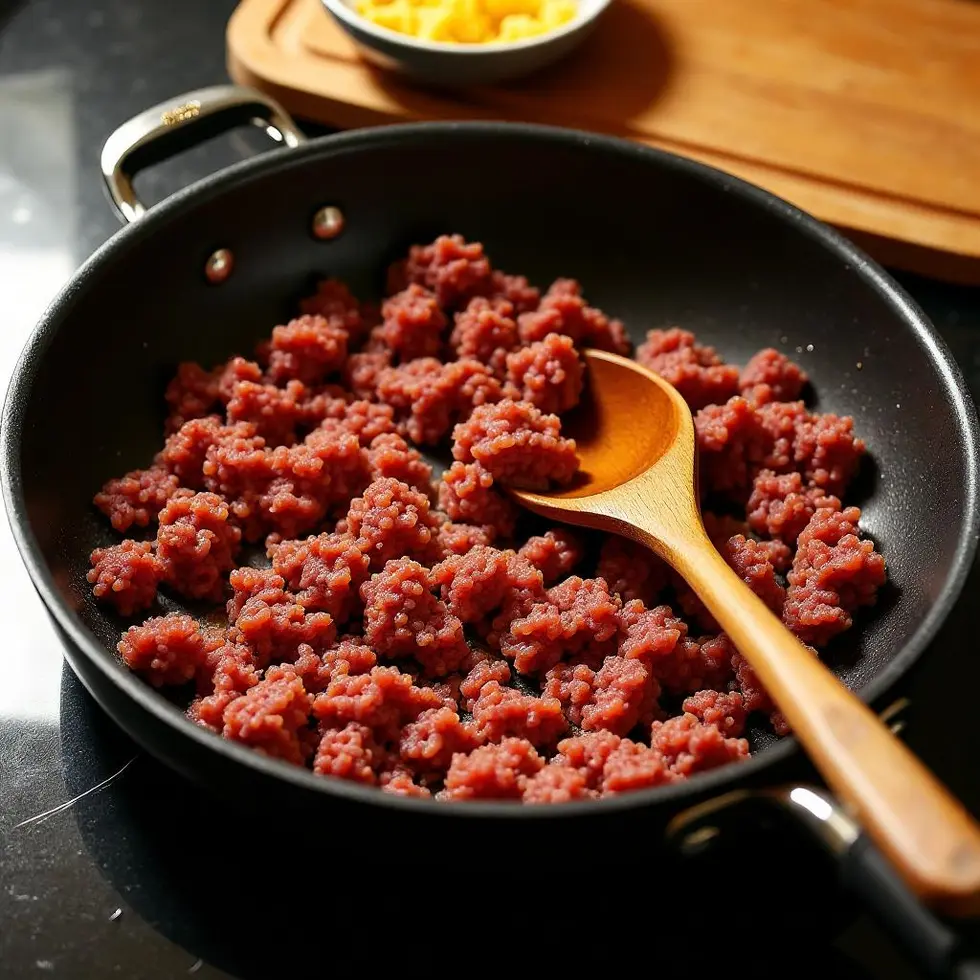
The 80/20 beef-to-fat ratio keeps the meat tender and adds enough rendered fat to the skillet to carry the spices. Leaner ground beef dries out and produces less flavor in the pan. The twenty percent fat also helps the ketchup and mustard cling to the crumbles instead of pooling at the bottom of the skillet. You want small, evenly browned pieces, so break the meat apart with a wooden spoon as it cooks and aim for a medium-high heat that browns without scorching.
Cheddar Cheese Sauce Without Clumping
Shredded cheddar melts smoothly when you add it to warm milk over low heat and stir constantly. High heat causes the proteins in cheese to seize and separate, leaving you with a grainy, broken sauce. Whole milk provides enough fat to keep the sauce creamy, and the constant motion prevents hot spots that lead to clumping. According to Macaroni and cheese history, American cooks have been pairing pasta with melted cheese for over two centuries, and the basic principle remains the same: low heat, steady stirring, and enough liquid to keep the proteins in suspension.
Burger Condiments as Seasoning
Ketchup and yellow mustard give this dish its unmistakable burger flavor without requiring a separate sauce step. The ketchup adds sweetness and acidity, the mustard brings tang and a slight sharpness, and together they mimic the condiment layer you expect on a classic cheeseburger. Garlic powder and smoked paprika deepen the savory base, with the paprika contributing a subtle smokiness that recalls grilled beef. You stir these into the browned meat and let them bloom for a minute before building the sauce.
The ingredient list costs less than ten dollars and feeds four people generously, making this one of the most efficient weeknight meals you can cook from scratch.
How to Make Cheeseburger Mac and Cheese
Cook the Macaroni First
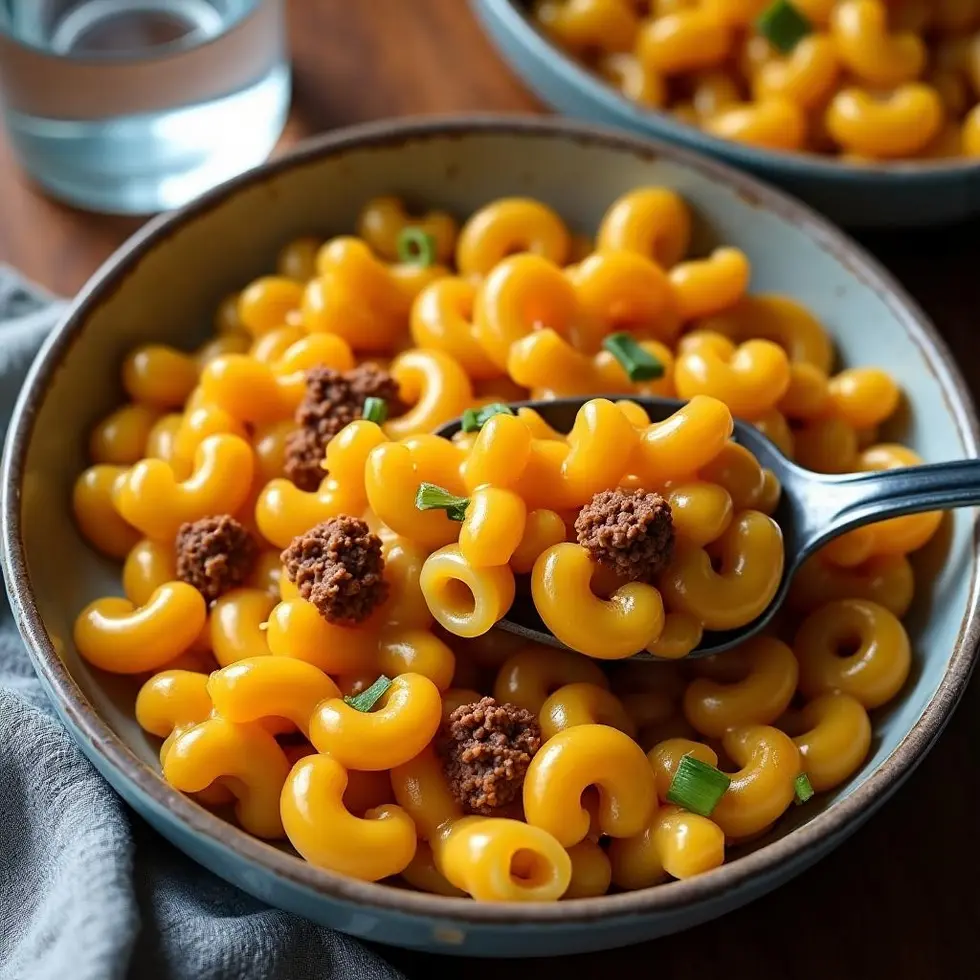
Boil the elbow macaroni in salted water until it reaches al dente—firm to the bite but cooked through. The package directions give you the timing, usually around eight to ten minutes depending on the brand. Drain the pasta and set it aside while you build the sauce. Do not rinse it. The starch clinging to the noodles helps the cheese sauce adhere evenly when you toss everything together at the end.
Brown the Beef and Add the Spices
Heat a large skillet over medium-high and add the ground beef. Break it into small crumbles with a wooden spoon and cook for six to eight minutes, stirring occasionally, until the meat reaches 160°F / 71°C and no pink remains. The beef should develop a light brown crust in places without burning. Drain excess fat if the skillet looks greasy, then stir in the garlic powder, smoked paprika, ketchup, and mustard. Cook for one minute, stirring constantly, until the spices smell toasted and the condiments coat the meat evenly.
Build the Cheese Sauce and Combine
Lower the heat to medium-low and pour in the milk. Add the shredded cheddar and stir constantly for two to three minutes until the cheese melts into a smooth, glossy sauce. The sauce will thicken as the cheese incorporates, but it should still flow easily when you tilt the skillet. Add the cooked macaroni and toss until every piece is coated. If the sauce looks too thick, add a splash of milk and stir until it loosens. Serve immediately while the sauce is hot and creamy.
The single-skillet method means fewer dishes and less cleanup, and the timing works even on a busy weeknight.
Toppings, Variations and Leftovers
Classic Burger Toppings
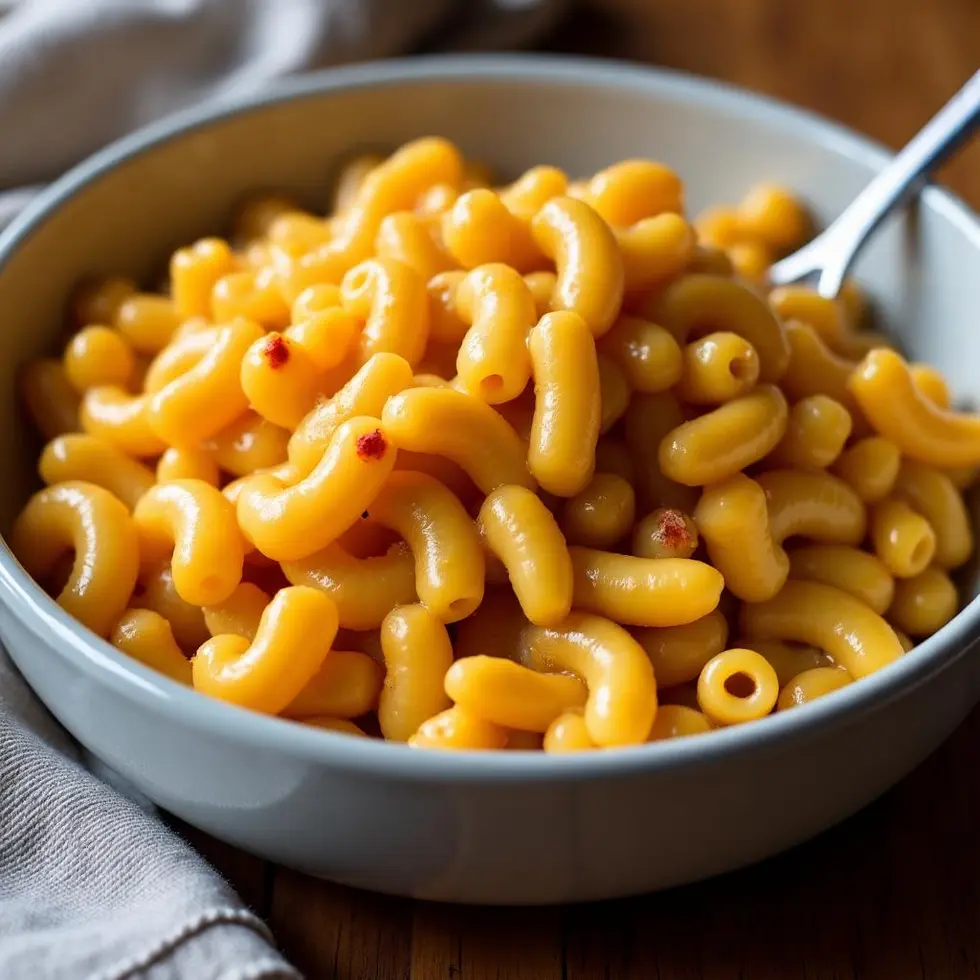
Diced tomatoes, shredded lettuce, and chopped pickles add the fresh, crunchy contrast you expect from a cheeseburger. Stir them in just before serving so they stay crisp. A drizzle of extra ketchup or mustard on top reinforces the burger flavor, and a handful of diced onion—raw or sautéed—gives a sharp bite. If you want the richness of a traditional cheeseburger build, this easy burger pasta delivers the same layered flavors in a bowl.
Stretching the Batch
This recipe makes four servings, but you can double it in a larger skillet and store the extra portions in the refrigerator for up to three days. Reheat in a skillet over low heat with a splash of milk to loosen the sauce, or microwave individual servings in thirty-second intervals, stirring between each. The cheese sauce thickens as it cools, so adding liquid during reheating restores the original texture. One batch feeds a family twice, or provides four lunches for less than the cost of a single restaurant burger.
Cheese and Protein Swaps
Ground turkey works in place of beef if you prefer a leaner protein, though you may want to add a teaspoon of olive oil to the skillet to compensate for the lower fat content. Monterey Jack, pepper Jack, or a sharp white cheddar all melt smoothly and change the flavor profile slightly. If you want a deeper burger experience similar to a classic patty, try the techniques in this Juicy Cheeseburger Recipe, which covers how to handle the meat and build crust without drying it out. For a spicier version, add a pinch of cayenne or a few dashes of hot sauce to the cheese sauce.
The flexibility of this cheeseburger mac and cheese recipe means you can adapt it to what you already have in the pantry without buying specialty ingredients.
Make a Double Batch
The ingredient cost stays low even when you double the recipe, and the leftovers reheat better than most pasta dishes because the cheese sauce is built with whole milk and real cheddar. One large batch gives you four dinners or eight lunches, and the per-serving cost drops to around two dollars when you buy the beef and cheese on sale.
This hamburger mac and cheese uses pantry staples, one skillet, and thirty minutes total. The cheese sauce stays smooth, the beef stays tender, and the burger flavor comes through in every bite without requiring a grill or a complicated assembly. Make it once, and you will see why it costs less and tastes better than the boxed version.
Frequently Asked Questions
Can I use pre-shredded cheese for this recipe?
Pre-shredded cheese works, but it contains anti-caking agents that can make the sauce slightly grainy. Shredding your own cheddar from a block melts more smoothly and produces a glossy, restaurant-quality sauce. If you use pre-shredded, reduce the heat even further and stir constantly to minimize clumping.
How do I keep the cheese sauce from breaking?
Keep the heat at medium-low once you add the milk and cheese, and stir constantly until the sauce is smooth. High heat causes the proteins in cheddar to seize and separate. If the sauce does break, whisk in a tablespoon of milk off the heat and stir vigorously until it comes back together.
Can I make this ahead and reheat it later?
You can refrigerate the finished dish for up to three days. Reheat in a skillet over low heat, adding a few tablespoons of milk to loosen the sauce as it warms. Microwaving works for single servings, but stir every thirty seconds to heat evenly and prevent hot spots.
What if I do not have smoked paprika?
Regular paprika works, though you will lose the subtle smoky note. You can also substitute a small pinch of cumin or chili powder for a different savory depth. The dish will still taste like a cheeseburger, just with a slightly different spice profile.
Can I use a different pasta shape?
Shells, cavatappi, or rotini all hold the cheese sauce well and give you more surface area for the beef crumbles to cling to. Avoid very large or very delicate shapes. The cooking time may vary slightly depending on the shape, so follow the package directions for al dente.
Why does the recipe call for 80/20 ground beef?
The twenty percent fat keeps the beef tender and adds flavor to the sauce. Leaner beef dries out and produces less pan drippings, which means the ketchup and mustard have nothing to cling to. If you prefer leaner meat, use ground turkey and add a teaspoon of olive oil to the skillet.
Cheeseburger Mac and Cheese
Ingredients
Method
- Cook the macaroni in salted boiling water according to package directions until al dente, then drain and set aside.
- Brown the ground beef in a large skillet over medium-high heat for 6 to 8 minutes, breaking it into crumbles, until cooked to 160°F / 71°C.
- Stir in the garlic powder, smoked paprika, ketchup, and mustard, then cook for 1 minute until fragrant.
- Reduce heat to medium-low, add the milk and shredded cheddar, and stir constantly for 2 to 3 minutes until the cheese melts into a smooth sauce.
- Add the cooked macaroni to the skillet and toss until evenly coated, then serve immediately.
