
Soaking chicken fillets in pickle juice for an hour adds both moisture and a subtle tang that stays even after frying.
You can have this sandwich ready in about 75 minutes, which includes 1 hour of brining time plus 15 minutes of active prep and 12 minutes of frying. The brine does the heavy work while you prep the coating and heat the oil, so you are never rushing through steps or waiting idle. Four servings come together in one batch, and each fillet cooks evenly when the oil holds steady at 350°F.
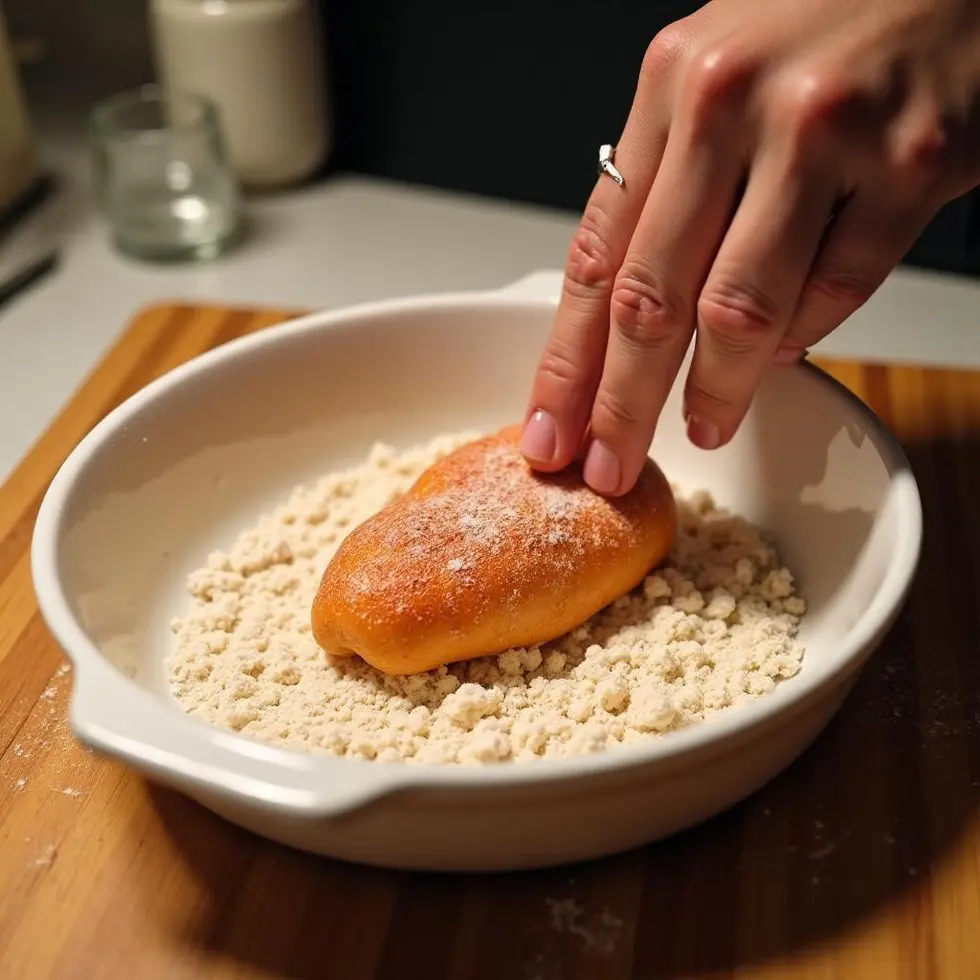
The reason this chick fil a chicken copycat stays juicy is the pickle brine, which seasons the meat throughout instead of relying only on surface salt. The coating uses a mix of flour, powdered sugar, and smoked paprika, which creates a balance between crispy texture and a faint sweetness that mirrors the familiar flavor. When you press the brined chicken into the flour mixture and let it rest for 5 minutes, the coating becomes tacky enough to stay in place during frying, so it crisps without sliding off.
The Secret to Chick Fil A Chicken Flavor
Why Pickle Juice Brining Works
The restaurant-style version builds flavor by soaking chicken in a seasoned brine before coating and frying. Pickle juice accomplishes this without needing to measure salt, sugar, or vinegar separately. The brine penetrates the chicken filet over the course of an hour in the refrigerator, which increases moisture retention and adds a mild tang that balances the sweetness in the coating.
Room-temperature chicken absorbs brine unevenly, so refrigerating the fillets while they soak keeps the texture consistent. After an hour, the meat feels firmer to the touch and holds its shape better during frying, which prevents overcooking around the edges while the center finishes.
The Coating Combination
Flour provides structure, powdered sugar contributes a faint caramelized note when fried, and smoked paprika adds color and a subtle smokiness without overpowering the chicken. The ratio here is 1 cup flour, 2 tablespoons powdered sugar, and 1 teaspoon smoked paprika, which gives you enough coating for four fillets with a thin, even layer that crisps quickly.
Granulated sugar can scorch at frying temperatures, but powdered sugar dissolves faster and browns more gently. Pressing each fillet into the flour mixture on both sides creates better adhesion than dipping or tossing, and the 5-minute rest after coating allows the flour to absorb surface moisture, which forms a tacky layer that stays put in hot oil.
Most home versions skip the resting step, but that pause prevents the coating from floating off during the first minute of frying. The chick fil a chicken sandwich copycat relies on this detail to keep the crust intact from start to finish.
How to Make the Crispy Chicken Copycat
Getting the Oil Temperature Right
Heat peanut oil in a large skillet over medium-high heat until it reaches 350°F. Use a thermometer to confirm the temperature before adding the first fillet. If the oil sits below 325°F, the coating absorbs grease and turns soggy. Above 375°F, the crust burns before the chicken reaches 165°F inside.
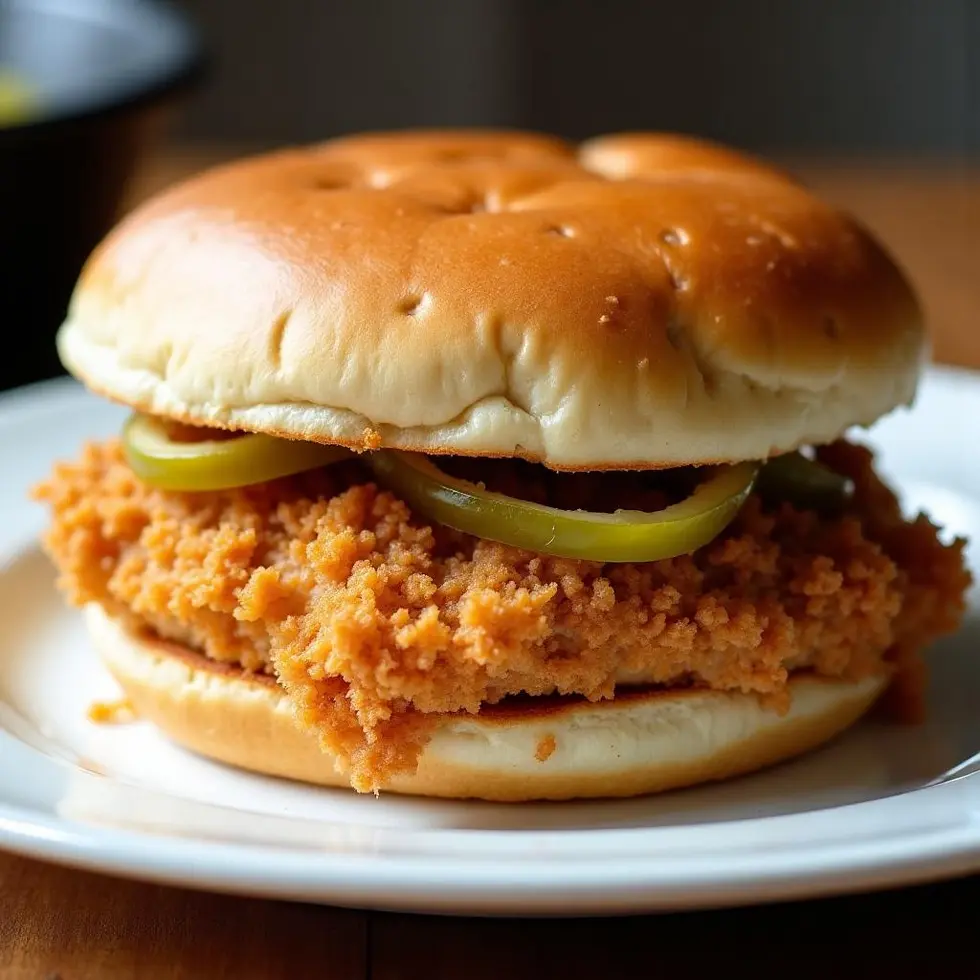
Fry each fillet for 5 to 6 minutes per side without moving it around. Flipping too early tears the crust, and flipping more than once lowers the oil temperature too much. When the coating turns golden brown and the internal temperature reads 165°F on an instant-read thermometer, transfer the fillet to a wire rack instead of paper towels, which trap steam and soften the crust.
If you are frying all four fillets in one batch, make sure the skillet is wide enough that the pieces do not touch. Crowding the pan drops the oil temperature and increases cooking time, which dries out the chicken.
Assembly Steps
Toast the brioche buns cut-side down in a dry skillet for about 1 minute, until the edges turn golden. The toasted surface resists moisture from the pickles and keeps the bun from getting soggy during the first few bites.
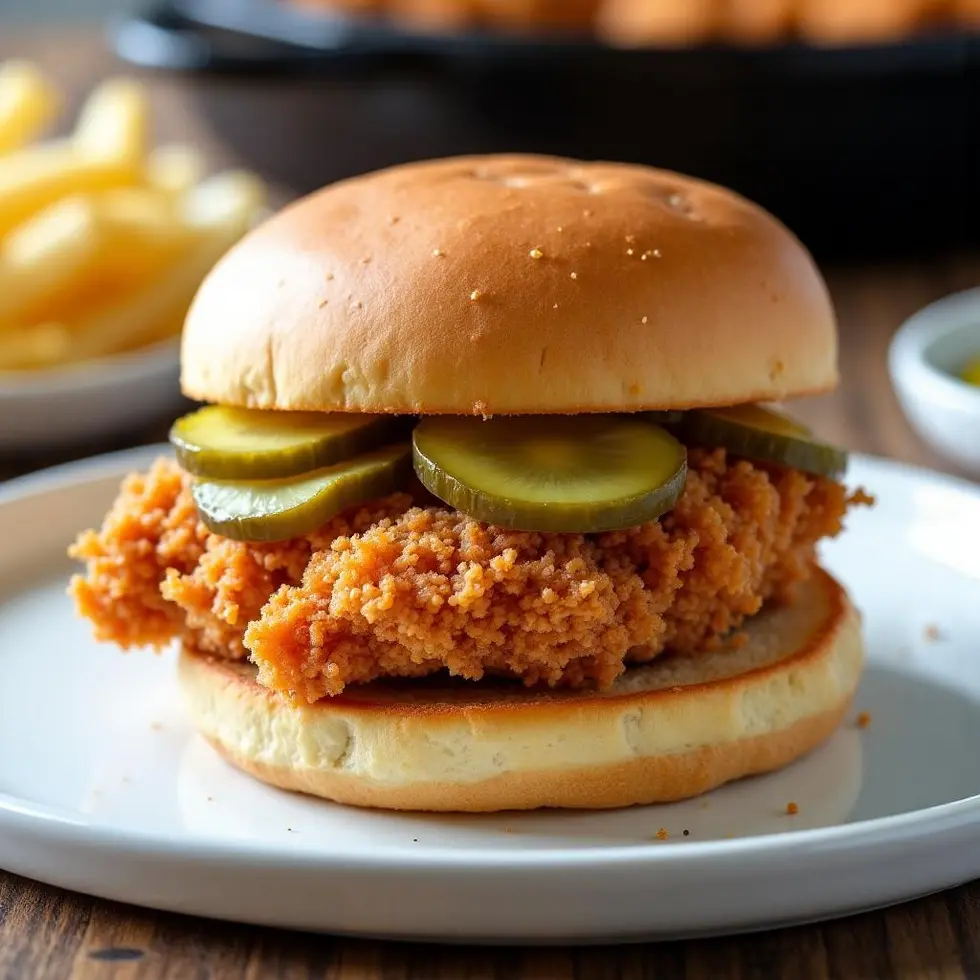
Place one fried fillet on the bottom bun, top it with four dill pickle chips arranged in a single layer, then close with the top bun. The pickles add acidity that cuts through the richness of the fried coating, and the chick fil a chicken copycat depends on that balance to taste restaurant-accurate.
Serve immediately while the coating is still crisp. If you need to hold the sandwiches for a few minutes, leave them open on the rack so steam escapes instead of softening the crust.
Sauce, Bun and Nugget Variations
Homemade Sauce Options
The original uses a proprietary sauce, but you can create a similar flavor by mixing mayonnaise, yellow mustard, honey, and a pinch of smoked paprika. Start with 1/2 cup mayonnaise, 1 tablespoon mustard, 1 tablespoon honey, and 1/4 teaspoon smoked paprika, then adjust the sweetness or tang to your preference. Stir until smooth and refrigerate for at least 15 minutes so the flavors blend.
For a tangier version, add a teaspoon of pickle juice from the brine. For a spicier option, stir in a small amount of cayenne pepper or hot sauce, starting with 1/8 teaspoon and tasting before adding more.
Turning Fillets Into Nuggets
Cut the chicken fillets into 1-inch pieces before brining, then follow the same pickle juice soak, flour coating, and frying steps. Nuggets cook faster, so reduce the frying time to about 3 minutes per side, checking that the internal temperature reaches 165°F. The smaller pieces crisp on all sides and work well for dipping.
If you want a spicier coating, add 1/4 teaspoon cayenne to the flour mixture along with the smoked paprika. The heat builds with each bite but stays manageable.
Serving and Storage
Serve the sandwich with waffle fries, coleslaw, or a simple side salad. The crispy chicken sandwich pairs well with lighter sides that do not compete with the richness of the fried coating.
Store leftover fried chicken in an airtight container in the refrigerator for up to two days. Reheat in a 375°F oven for 8 to 10 minutes to restore some of the crust’s crispness, though it will not be quite as crisp as when freshly fried. Do not microwave, which steams the coating and turns it rubbery.
The chick fil a chicken copycat gives you control over coating thickness, spice level, and sauce choices, so you can adjust each element to match what you prefer without settling for a fixed menu option. If you enjoy building balanced flavors from simple ingredients, the Chipotle Black Beans Copycat uses a similar approach with seasoning and texture in a different category.
Fry Once, Adjust Next Time
The coating, the brine, and the oil temperature each play a clear role in how the sandwich turns out. If your first batch browns too fast, lower the heat by 25°F and fry a little longer. If the coating slides off, make sure you rest the coated fillets for the full 5 minutes before frying.
Try this version once as written, then adjust the spice, sauce, or brine time based on what you notice. Small changes make a difference, and you will have a clearer sense of what works after one round.
Frequently Asked Questions
Can I use chicken thighs instead of breasts?
Yes, boneless skinless chicken thighs work well and stay slightly juicier than breasts. Brine them for the same amount of time and fry for 5 to 6 minutes per side, checking that the internal temperature reaches 165°F.
How long can I brine the chicken?
One hour is ideal for balanced flavor and moisture. Brining for up to 2 hours is safe, but beyond that the texture can turn mushy. If you need to prep ahead, brine for 1 hour, then drain and refrigerate the chicken until you are ready to coat and fry.
What oil can I use if I do not have peanut oil?
Canola oil or vegetable oil both work and have neutral flavors with high smoke points. Avoid olive oil, which smokes at lower temperatures and adds a flavor that does not match the restaurant-style profile.
Can I bake the chicken instead of frying?
Baking produces a different texture, but you can bake coated fillets at 425°F for 20 to 25 minutes, flipping halfway through. The crust will be firmer and less crisp than fried, and you may want to lightly spray the coating with oil to encourage browning.
Do I need to refrigerate leftover pickle juice?
Discard the pickle juice after brining the chicken. It contains raw chicken juices and should not be reused or stored.
Can I freeze the fried chicken?
Yes, freeze cooled fried fillets in a single layer on a baking sheet, then transfer to a freezer bag for up to one month. Reheat from frozen in a 375°F oven for 15 to 18 minutes, flipping halfway through, until heated through and crisp.
Copycat Chicken Sandwich
Ingredients
Method
- Submerge the chicken fillets in pickle juice and refrigerate for 1 hour to brine.
- Combine flour, powdered sugar, and smoked paprika in a shallow dish.
- Remove chicken from brine, press each fillet into the flour mixture to coat both sides, then rest for 5 minutes.
- Heat peanut oil in a large skillet over medium-high heat to 350°F / 175°C, then fry each fillet for 5 to 6 minutes per side until golden and cooked to 165°F / 74°C.
- Place each fried fillet on a toasted brioche bun bottom, top with 4 pickle chips, then close with the bun top.
