
I whisked the cheddar into the hot roux and watched it turn glossy instead of grainy when I kept the heat below a simmer.
Most home versions of this dish turn out thin or bland because the flour-to-butter ratio gets skipped or rushed. The texture you recognize from the restaurant-style version comes from a properly thickened béchamel that holds the cheese in suspension, creating a sauce that clings to every piece of pasta instead of pooling at the bottom of the bowl. The combination of whole milk and heavy cream provides enough fat to keep the sauce smooth, while sharp cheddar and Parmesan deliver the tangy, salty depth that defines this copycat chick fil a mac and cheese.
The entire process takes 20 minutes from start to finish, with 5 minutes of prep and 15 minutes of active cooking. You can double the batch easily, and the sauce holds its texture for up to three days in the refrigerator when stored in an airtight container.
Why Chick Fil A Mac and Cheese Works
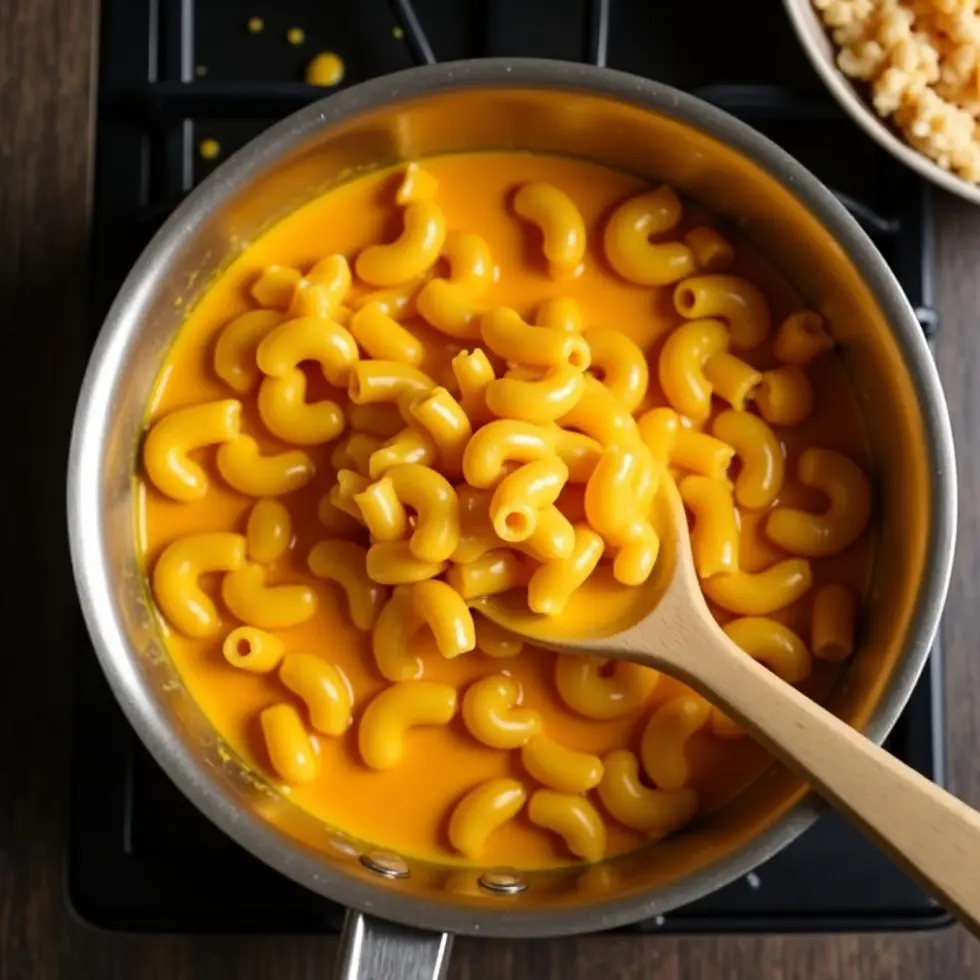
The Roux Creates Structure
Butter and flour cooked together for one minute form a roux that thickens the milk and cream into a stable base. This step prevents the cheese from separating when it melts, which is what happens when you add shredded cheddar directly to hot liquid. The light golden color signals that the raw flour taste has cooked off, leaving a neutral base that lets the cheese flavor dominate.
The ratio here is equal parts butter and flour, which creates a medium-thick sauce once the dairy is added. If you rush this step or skip the whisking, you’ll end up with lumps that won’t smooth out later.
Two Cheeses Balance Flavor and Texture
Sharp cheddar provides the tangy, familiar taste that matches the Chick-fil-A menu listing, while Parmesan adds a salty, nutty layer that deepens the overall flavor. Cheddar alone can taste one-dimensional, and without the Parmesan, the sauce lacks the savory complexity you expect from this copycat mac and cheese.
Both cheeses melt smoothly when added off the heat, which prevents the proteins from seizing and turning grainy. The sauce should look glossy and pour in a slow, thick stream once the cheese is fully incorporated.
Whole Milk and Heavy Cream Work Together
Whole milk provides body without making the sauce too rich, while heavy cream adds the fat needed to keep the emulsion stable. Using only milk results in a thinner sauce that separates faster, and using only cream makes the dish too heavy. The 3-to-1 ratio of milk to cream hits the balance you recognize from the restaurant version.
The sauce thickens enough to coat the back of a spoon after 3 to 4 minutes of simmering, which is the visual cue that tells you the roux has done its job. Once the cheese goes in, the texture tightens slightly, so you want the base sauce just barely thick before adding the shredded cheddar and Parmesan.
How to Make Creamy Copycat Mac

Cook the Pasta Just Shy of Tender
Boil 8 ounces of elbow macaroni in salted water for 7 to 8 minutes, then drain it immediately. The pasta continues to soften slightly when it hits the hot cheese sauce, so pulling it one minute before fully tender prevents it from turning mushy. Salt the water generously—about one tablespoon per quart—so the pasta absorbs seasoning as it cooks.
Rinse the drained pasta only if you’re not using it right away. Otherwise, the residual starch helps the sauce cling better.
Build the Sauce in Stages
Melt 2 tablespoons of butter in a large saucepan over medium heat, whisk in 2 tablespoons of all-purpose flour, and cook for 1 minute until the mixture turns smooth and lightly golden. Pour in 1½ cups of whole milk and ½ cup of heavy cream gradually, whisking constantly to prevent lumps. Let the sauce simmer for 3 to 4 minutes, stirring without stopping, until it thickens enough to coat the back of a spoon.
Remove the pan from the heat, then stir in 2 cups of shredded sharp cheddar, ½ cup of grated Parmesan, and ¼ teaspoon of salt. The cheese melts smoothly in the residual heat, creating a glossy sauce without the risk of seizing. If the sauce looks too thick, whisk in an extra tablespoon of milk to loosen it.
Combine Pasta and Sauce While Hot
Add the drained macaroni to the cheese sauce and toss gently until every piece is evenly coated. The sauce should cling without pooling, and the pasta should look glossy and fully covered. Serve immediately for the best texture—this chick fil a mac and cheese recipe is designed to be eaten hot, straight from the pan.
If you need to hold it for a few minutes, cover the pan and keep it on the lowest heat setting, stirring occasionally to prevent the bottom from sticking. The sauce thickens as it cools, so reheat with a splash of milk to restore the creamy consistency.
Serving, Storage and Reheating Tips
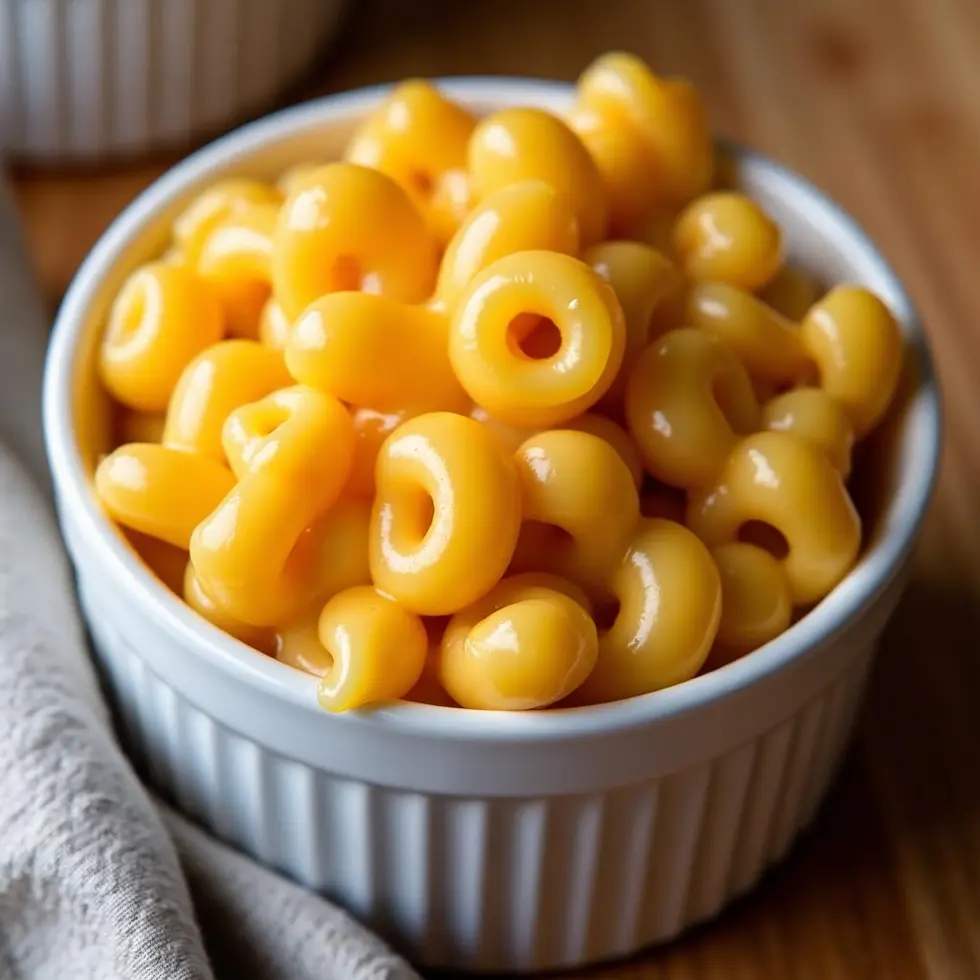
Serve It As a Side or a Main
This creamy mac and cheese works as a side for grilled chicken, roasted vegetables, or a simple green salad. For a full meal, top it with sautéed mushrooms, steamed broccoli, or a fried egg. The four servings listed assume side-dish portions; if you’re serving it as a main, expect three generous bowls.
If you’re pairing it with something hearty, the Copycat Olive Garden Pasta Fagioli offers a lighter, broth-based contrast that balances the richness of the cheese sauce.
Store Leftovers Properly
Transfer cooled mac and cheese to an airtight container and refrigerate for up to three days. The sauce will thicken as it sits, so plan to add a tablespoon or two of milk when you reheat. Do not freeze this recipe—the dairy-based sauce separates when thawed, and the texture never fully recovers.
Reheat individual portions in the microwave at 50% power in 30-second intervals, stirring between each burst. For larger amounts, warm it gently in a saucepan over low heat, adding milk a tablespoon at a time until the sauce loosens.
Adjust for Spice or Extra Creaminess
If you want a bit of heat, stir in ¼ teaspoon of cayenne pepper or a pinch of smoked paprika when you add the cheese. For a tangier flavor, increase the Parmesan to ¾ cup and reduce the cheddar slightly. You can also swap half the sharp cheddar for a mild white cheddar if you prefer a less assertive taste.
Some home cooks like to top this copycat mac and cheese with crispy breadcrumbs or fresh herbs, but the restaurant version keeps it plain, letting the creamy sauce and tender pasta speak for themselves. AllRecipes offers dozens of similar variations if you want to explore other flavor profiles.
Make It Hot and Serve It Fresh
The difference between a good mac and cheese and a great one comes down to timing and temperature. Serve this dish hot, right after you toss the pasta with the sauce, and the texture stays silky and smooth.
If you’ve been making versions that turn grainy or thin, the roux-based method here solves both problems without adding extra steps. Measure your ingredients, keep the heat steady, and pull the pan off before you add the cheese—those three moves will give you consistent results every time.
Frequently Asked Questions
Can I use pre-shredded cheese instead of shredding my own?
Pre-shredded cheese contains anti-caking agents that prevent smooth melting, so the sauce often turns grainy or separated. Block cheese shredded at home melts more evenly and creates a glossier texture. If you only have pre-shredded, use it, but expect a slightly different consistency.
Why does my sauce turn grainy after adding the cheese?
Grainy sauce usually means the cheese was added while the pan was still on the heat, causing the proteins to tighten and separate. Always remove the pan from the burner before stirring in the cheddar and Parmesan, and work quickly so the residual heat melts the cheese without overheating it.
Can I make this ahead and bake it later?
You can assemble the mac and cheese up to one day in advance, transfer it to a baking dish, cover it tightly, and refrigerate. When you’re ready to serve, bake it at 350°F for 20 to 25 minutes until heated through. Add a splash of milk before baking to keep the sauce from drying out.
What’s the best way to reheat leftovers without drying them out?
Reheat gently in a saucepan over low heat, stirring in one tablespoon of milk at a time until the sauce loosens. Microwaving works for single servings—use 50% power and stir every 30 seconds to prevent hot spots that can cause the cheese to separate.
Copycat Chick-fil-A Mac and Cheese
Ingredients
Method
- Cook the elbow macaroni in salted boiling water for 7 to 8 minutes until just tender, then drain and set aside.
- Melt the butter in a large saucepan over medium heat, whisk in the flour, and cook for 1 minute until smooth and lightly golden.
- Gradually whisk in the milk and heavy cream, then simmer for 3 to 4 minutes, stirring constantly, until the sauce thickens enough to coat the back of a spoon.
- Remove from heat, stir in the cheddar cheese, Parmesan cheese, and salt until fully melted and smooth.
- Add the cooked macaroni to the cheese sauce and toss gently until every piece is evenly coated.
- Serve immediately while hot and creamy for the best restaurant-style texture.
