
Mixing mayonnaise with honey first instead of adding it last keeps the sweetness distributed evenly through the batch.
A meal for four at Chick-fil-A runs between $30 and $40, depending on your order. The same combination at home—sauce, fried chicken sandwich, waffle fries, and a drink—costs about $12 in ingredients, and you can make enough sauce to last a week for under $3. Most copycat chick fil a recipes rely on pantry items you already have: mayonnaise, honey, yellow mustard, barbecue sauce, and basic spices.
The chain’s signature flavor comes from simple ratios, not proprietary blends. The sauce balances sweet honey with tangy mustard and smoky barbecue sauce, while the chicken uses a basic buttermilk brine and a well-seasoned flour dredge. Waffle fries depend on a two-stage fry method to get the crisp exterior and fluffy interior.
The homemade versions give you portion control, fresher ingredients, and the ability to adjust sweetness, spice, or salt to your preference. You can make a full batch of sauce in five minutes, marinate chicken overnight, and fry waffle fries in two stages for texture that holds up longer than drive-through fries.
The Sauces That Define Chick-fil-A
The Restaurant-Style Sauce Formula
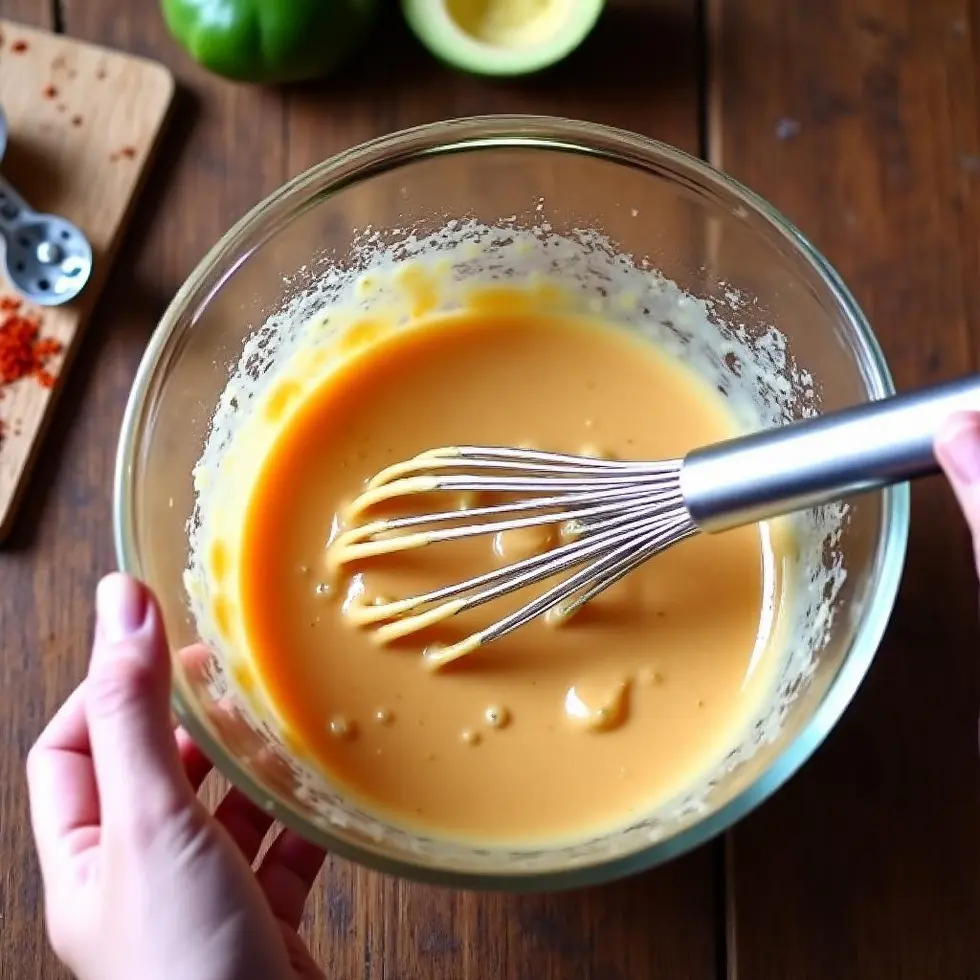
The restaurant-style sauce uses a mayonnaise base thickened with honey and balanced by yellow mustard and barbecue sauce. The sweetness comes from 2 tablespoons of honey per half cup of mayonnaise, which creates a pourable consistency that clings to chicken without running off. Lemon juice adds brightness, and smoked paprika gives a faint smoky note that mimics the flavor of grilled or fried chicken.
Whisking all the ingredients together until smooth takes about one minute. The sauce needs 30 minutes in the refrigerator to let the flavors blend and the consistency thicken slightly. Skipping the chill time leaves the sauce thinner and the honey flavor less integrated.
The homemade version costs about $2.50 per batch and yields roughly 10 servings, compared to $0.25 per single-serve packet at the restaurant. A batch stored in an airtight container lasts up to five days, which means you can make it once and use it throughout the week.
Adjusting Sweetness and Tang
If you prefer a tangier sauce, increase the yellow mustard to 3 tablespoons and reduce the honey to 1 ½ tablespoons. This shifts the balance toward the sharpness of mustard without losing the creamy texture. For a smokier flavor, double the smoked paprika to ½ teaspoon or add a pinch of cayenne for mild heat.
The barbecue sauce you choose changes the flavor slightly. A molasses-based sauce adds depth, while a tomato-heavy sauce makes it brighter. Stick with plain yellow mustard rather than Dijon or spicy brown mustard, which both overpower the honey.
If the sauce tastes too sweet after chilling, stir in an extra ½ teaspoon of lemon juice. The acid cuts through the honey without thinning the consistency.
Storing and Stretching a Batch
One batch of sauce fills a standard 8-ounce mason jar and serves 10 portions at about 2 tablespoons each. If you double the recipe, you can keep one jar in the refrigerator for the week and freeze the second jar for up to two months. Thaw frozen sauce in the refrigerator overnight and stir well before serving, as the mayonnaise may separate slightly.
Use the sauce on chicken sandwiches, nuggets, waffle fries, or grilled chicken salads. It also works as a dip for raw vegetables or a spread for wraps. Because the base is mayonnaise, the sauce thickens slightly as it sits, so you may want to thin it with a few drops of water or lemon juice after a few days.
For condiment fans, mixing together AllRecipes techniques with this method gives you a wider range of homemade restaurant-style sauces for less than $5 total.
Chicken: Sandwiches, Nuggets and Tenders
The Buttermilk Brine Technique
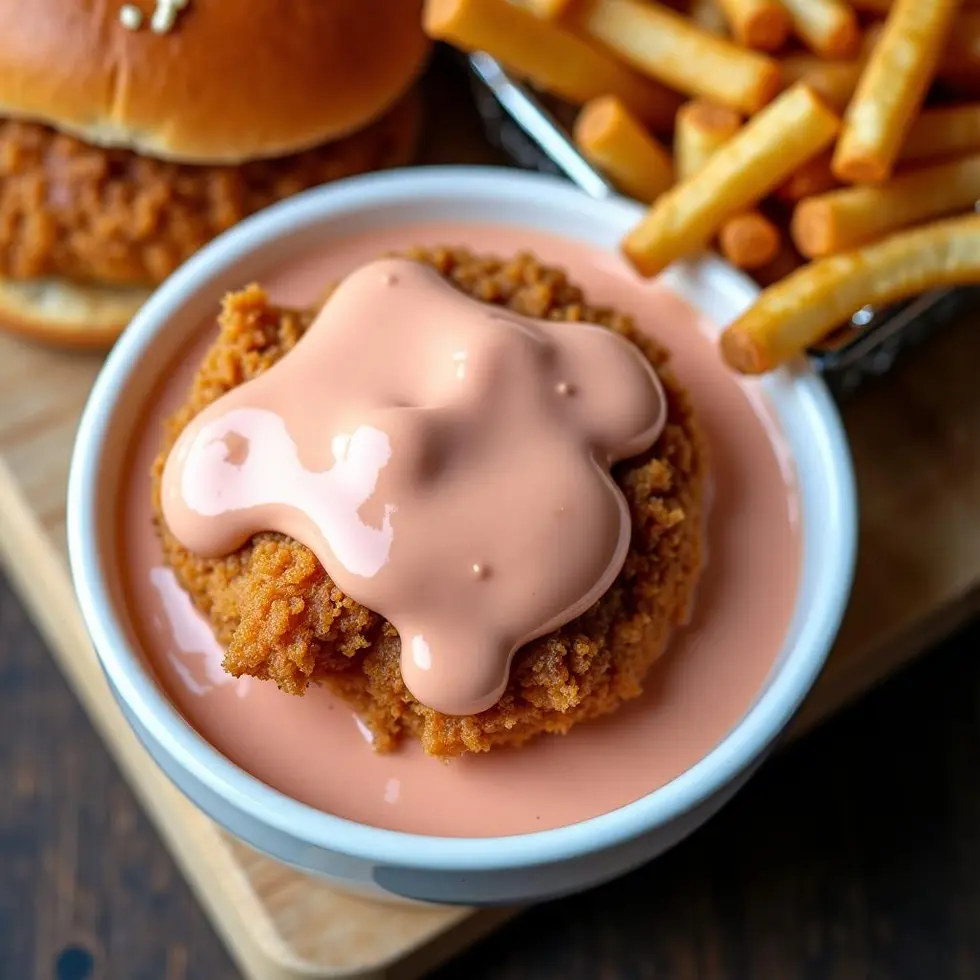
The restaurant-style chicken depends on a buttermilk brine that tenderizes the meat and adds tang. A basic brine uses 2 cups of buttermilk, 1 tablespoon of salt, 1 teaspoon of paprika, and ½ teaspoon of garlic powder per pound of chicken breast. Boneless, skinless chicken breasts work best when pounded to an even ½-inch thickness, which ensures uniform brining and frying.
Marinate the chicken for at least 4 hours or up to 24 hours in the refrigerator. The buttermilk’s acidity breaks down proteins, which makes the meat more tender and allows the seasoning to penetrate deeper. Over-brining for more than 24 hours can make the texture mushy, so stick to the time range.
After brining, lift the chicken pieces out and let excess buttermilk drip off before dredging. Do not rinse the chicken, as the buttermilk coating helps the flour mixture adhere.
The Flour Dredge and Frying Method
The flour dredge uses 2 cups of all-purpose flour, 2 tablespoons of powdered sugar, 1 tablespoon of salt, 1 teaspoon of paprika, and ½ teaspoon of black pepper. The powdered sugar creates a faint sweetness and helps the breading brown evenly without burning. Some home cooks skip the sugar, but it makes a noticeable difference in flavor and color.
Dredge each piece of chicken in the seasoned flour, pressing lightly to create an even coat. Shake off excess flour and place the chicken on a wire rack to rest for 10 minutes before frying. This resting step allows the coating to set and reduces the chance of the breading falling off during frying.
Fry the chicken in oil heated to 350°F for 5 to 6 minutes per side, depending on thickness. Use a thermometer to check that the internal temperature reaches 165°F. Drain the fried chicken on a wire rack set over a baking sheet rather than paper towels, which can trap steam and soften the crust.
Nuggets and Tenders
For nuggets, cut boneless chicken breasts into 1 ½-inch pieces and brine them the same way. The smaller pieces fry in 3 to 4 minutes per side at 350°F. Tenders use chicken tenderloins or strips cut lengthwise from the breast. They take 4 to 5 minutes per side.
Both nuggets and tenders use the same flour dredge and buttermilk brine as the sandwich chicken. The smaller pieces absorb the brine faster, so 4 hours of marinating time is enough. Because they have more surface area relative to their weight, the seasoning flavor is more intense.
A pound of chicken breasts costs about $4 and yields roughly 12 nuggets or 6 tenders, compared to $8 to $10 for the same amount at the restaurant. Freeze uncooked, breaded nuggets on a baking sheet, then transfer them to a freezer bag. Fry them directly from frozen, adding 2 extra minutes to the frying time.
Sides, Drinks and Building the Full Meal
Waffle Fries at Home
Waffle fries depend on a crinkle-cut mandoline or a waffle fry cutter attachment. Russet potatoes work best because their high starch content creates a crisp exterior. Slice the potatoes into ¼-inch waffle shapes, then soak them in cold water for at least 30 minutes to remove excess starch. This step prevents the fries from sticking together and helps them crisp up.
Fry the waffle fries in two stages. The first fry at 325°F for 3 to 4 minutes blanches the potatoes and cooks them through without browning. Drain the fries and let them cool for at least 10 minutes. The second fry at 375°F for 2 to 3 minutes crisps the outside and creates the golden color.
Season the fries immediately after the second fry with salt and, if you like, a pinch of garlic powder or smoked paprika. A 5-pound bag of potatoes costs about $4 and yields enough waffle fries for six servings, compared to $3 per single serving at the restaurant.
Mac and Cheese and Coleslaw
The restaurant-style mac and cheese uses a béchamel base thickened with cheddar and Parmesan. Start with 2 tablespoons of butter, 2 tablespoons of flour, and 2 cups of whole milk. Whisk the roux over medium heat for 2 minutes, then add 2 cups of shredded sharp cheddar and ½ cup of grated Parmesan. Stir until the cheese melts, then toss with 1 pound of cooked elbow macaroni.
The homemade version costs about $5 per batch and serves six, compared to $4 per individual serving at the restaurant. You can make it ahead and reheat it in the oven at 350°F for 15 minutes, adding a splash of milk to keep it creamy.
Coleslaw uses a simple dressing of mayonnaise, apple cider vinegar, sugar, and celery seed. Shred green cabbage and carrots thinly, toss with the dressing, and chill for at least 1 hour before serving. The dressing costs less than $1 and works with a $2 bag of coleslaw mix.
Frosted Lemonade and Sweet Tea
Copycat frosted lemonade blends vanilla soft-serve ice cream with lemonade concentrate and ice. Use 1 cup of vanilla ice cream, ½ cup of lemonade, and 1 cup of ice. Blend until smooth and thick. The homemade version costs about $1.50 per serving, compared to $4 at the restaurant.
Sweet tea uses 4 black tea bags steeped in 4 cups of boiling water for 5 minutes. Remove the tea bags, stir in ¾ cup of sugar while the tea is still hot, then dilute with 4 cups of cold water. Chill for at least 2 hours. A gallon of homemade sweet tea costs less than $1, compared to $2.50 for a large at the restaurant.
Building a full meal with fried chicken, waffle fries, coleslaw, and a drink costs about $3 per person at home, compared to $10 to $12 per person at the restaurant. Making the sauce, chicken, and sides in one batch gives you enough for leftovers or a second meal later in the week.
Getting the Sauce Balance Right
The sauce texture depends on whisking the honey and mayonnaise together first, before adding the mustard and barbecue sauce. This order keeps the honey from sinking to the bottom of the bowl and creates a smoother emulsion. If you add the honey last, you have to whisk longer to blend it evenly.
Chill the sauce for the full 30 minutes before tasting it. The flavors meld during the resting time, and the sweetness becomes less sharp. If you taste it immediately after mixing, the honey and mustard may seem too intense, but they balance out after chilling. Stir once before serving to redistribute any settling.
Frequently Asked Questions
Can I make the sauce without barbecue sauce?
You can, but the sauce will lack the smoky depth that barbecue sauce provides. If you skip it, increase the smoked paprika to ½ teaspoon and add a pinch of garlic powder to compensate. The texture will be slightly thinner, so you may want to reduce the mayonnaise by 1 tablespoon.
How long does the buttermilk brine need to work?
At least 4 hours, but 12 to 24 hours gives better flavor and tenderness. Brining for less than 4 hours means the chicken may not absorb enough tang or salt. Over 24 hours, the texture can turn mushy, so stick to the range.
Can I bake the chicken instead of frying it?
Yes, but the texture will be different. Bake breaded chicken at 400°F on a wire rack set over a baking sheet for 20 to 25 minutes, flipping halfway through. Spray the chicken lightly with oil before baking to help the breading brown. It will be crisp but not as crunchy as fried chicken.
Do I need a mandoline to make waffle fries?
A mandoline with a crinkle-cut blade or a dedicated waffle fry cutter attachment is necessary to get the interlocking pattern. Regular crinkle-cut fries work as a substitute, but they won’t have the same texture or appearance. The waffle shape creates more surface area, which makes them crispier.
Can I freeze the homemade sauce?
Mayonnaise-based sauces can separate slightly when frozen, but they’re still usable. Freeze the sauce in a small airtight container for up to two months. Thaw it in the refrigerator overnight and whisk well before serving. Add a few drops of lemon juice if the texture seems off.
Copycat Chick-fil-A Sauce
Ingredients
Method
- Whisk together mayonnaise, honey, yellow mustard, barbecue sauce, lemon juice, and smoked paprika in a bowl until smooth and fully combined.
- Cover and refrigerate for 30 minutes to let the flavors blend.
- Stir once before serving with chicken nuggets, sandwiches, or waffle fries.
- Store in an airtight container in the refrigerator for up to 5 days.
