
When cornstarch meets hot oil at around 375°F, the starch granules on the chicken surface rupture and form a rigid network that traps moisture inside while staying crisp outside.
That physical transformation explains why restaurant-style orange chicken has a crunchy coating that survives a generous pour of sticky sauce. The heat gelatinizes the outer starch layer fast enough to seal before the chicken releases much liquid, creating a barrier that resists sogginess for several minutes after saucing.
Most takeout orange chicken depends on a two-stage starch technique: a dry coating applied just before frying, followed by a sauce thickened by reduction rather than added cornstarch slurry. This copycat Panda Express orange chicken recipe uses both methods to deliver crispy chicken tossed in a glossy orange sauce with bold sweet-tangy flavor, ready in 35 minutes from start to finish.
The homemade version gives you control over the sugar level and sauce thickness, which are often inconsistent in takeout containers where the sauce pools and the coating softens during transport. By frying in a shallow layer of oil and saucing immediately before serving, you maintain the texture balance that defines restaurant-style orange chicken.
How to Make the Sticky Orange Sauce
Why Orange Juice Alone Doesn’t Create Enough Body
Orange juice contributes acidity and citrus aroma, but its low solids content means it stays thin even when heated. The sauce needs sugar dissolved into the liquid to reach the right viscosity once water evaporates during simmering.
The three tablespoons of sugar in this recipe dissolve completely in the orange juice, soy sauce, and rice vinegar mixture before you heat it. That dissolved sugar increases the boiling point slightly, allowing the sauce to reduce and thicken without burning, which happens around 3 to 4 minutes over medium-high heat after you pour it into the hot skillet.
How Soy Sauce Balances Sweetness Without Adding Salt
Soy sauce brings umami depth and salt, but it also contains glutamic acid, which amplifies the perception of other flavors without making the sauce taste flat or one-dimensional. The three tablespoons used here balance the sugar and orange juice acidity, creating a savory-sweet profile that tastes complex rather than syrupy.
Rice vinegar adds a second layer of acidity that prevents the sauce from tasting cloying. Its mild tang complements the orange juice without competing with it, which is why this combination feels rounder than sauce made with distilled vinegar or lemon juice.
When Fresh Ginger and Garlic Release Their Flavor
Minced ginger and garlic release volatile oils when exposed to heat, but they also steep in the cold sauce mixture before you simmer it. That resting period pulls out flavor compounds that would evaporate if you added the aromatics directly to a hot pan.
Once the sauce hits the skillet, the heat activates additional flavor molecules and softens the raw bite of both ingredients. The orange zest, added at the same time, releases citrus oils that intensify the orange flavor without adding liquid or acidity.
The cornstarch coating on the chicken acts as a second thickener once the sauce clings to it, which is why you can achieve a restaurant-style glaze without adding a cornstarch slurry at the end.
How to Keep the Chicken Crispy After Saucing
Why Cornstarch Creates a Crunchier Coating Than Flour
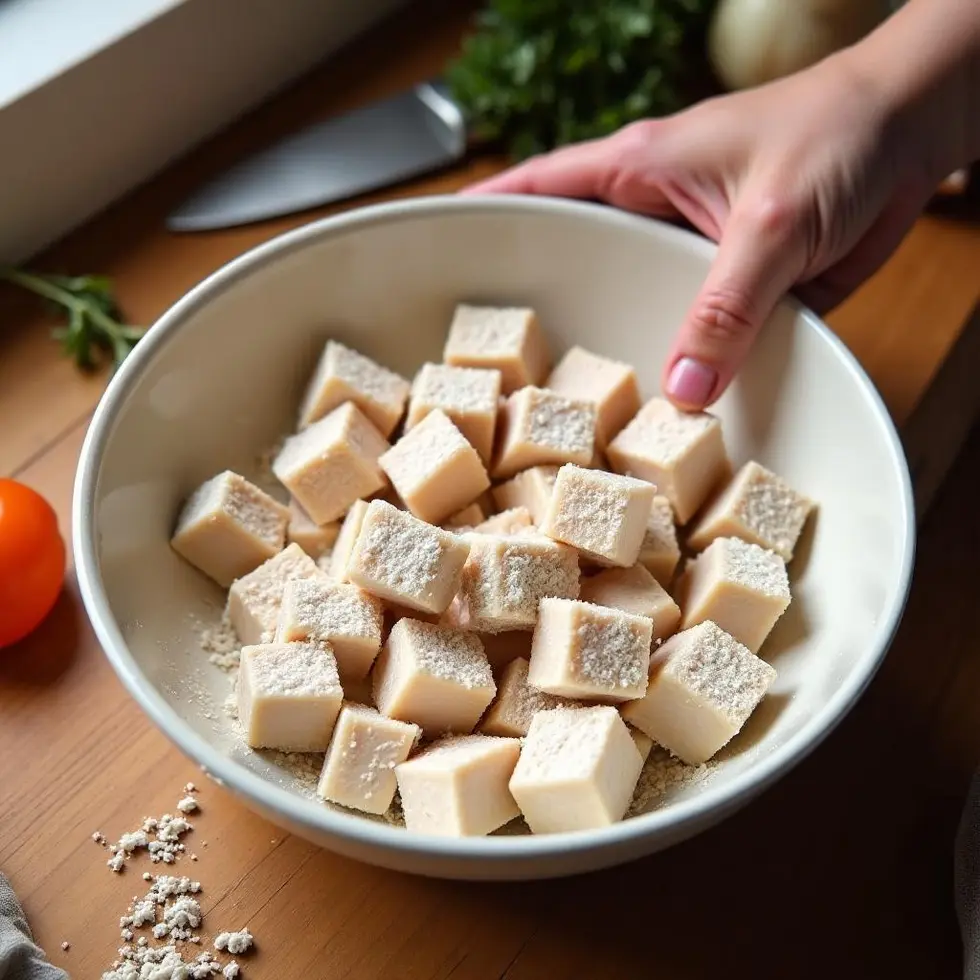
Cornstarch forms a lighter, crispier crust than wheat flour because it contains no gluten. When you toss chicken pieces in cornstarch, you create a thin, uniform coating that dehydrates quickly in hot oil, forming a brittle shell rather than a dense breading.
The half cup of cornstarch used here coats 600 grams of chicken thighs evenly without clumping, as long as you shake off the excess before frying. Any loose starch left on the chicken will fall into the oil and burn, creating bitter specks that stick to the crust.
How Frying Temperature Controls Moisture Retention
Medium-high heat, around 375°F, cooks the chicken fast enough to seal the coating before the interior releases much steam. If the oil is too cool, the chicken absorbs oil and the coating turns greasy instead of crisp.
Frying in batches keeps the oil temperature steady. Overcrowding the skillet drops the heat and lengthens cooking time, which allows moisture to escape and soften the crust from the inside. Each batch takes 6 to 8 minutes, turning occasionally, until the chicken reaches 165°F and the coating turns golden.
Why Tossing Time Matters After Adding Sauce
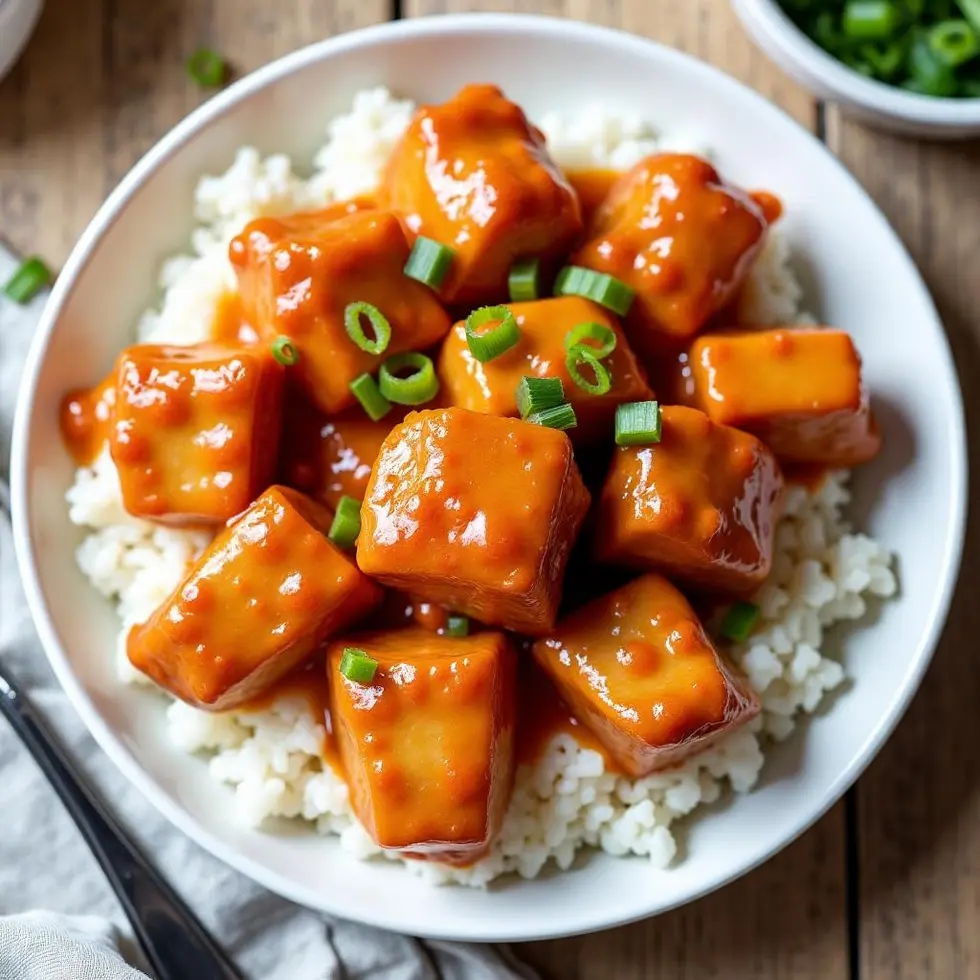
The chicken and sauce should meet in the skillet for only 30 seconds before serving. That brief contact coats each piece evenly without giving the sauce time to soak through the cornstarch barrier.
The sauce, already thickened from simmering, clings to the textured surface of the fried coating without pooling. Serving immediately preserves the contrast between the crispy exterior and the glossy glaze, which is the signature texture of restaurant-style orange chicken.
If you need to hold the chicken for a few minutes, keep the sauce separate and toss just before plating, as the coating softens within two to three minutes once exposed to liquid.
Common Mistakes That Make Orange Chicken Soggy
Adding Wet Chicken to the Cornstarch
Cornstarch does not stick well to wet surfaces. If the chicken pieces still have visible moisture after cutting, the coating forms paste-like clumps instead of a dry, even layer that crisps evenly in oil.
Pat the chicken thighs dry with paper towels before tossing them in cornstarch. Any residual water dilutes the starch and creates a gummy texture that never fully crisps, even with extended frying time.
Letting Sauce Sit on Fried Chicken Too Long
Sauce begins penetrating the cornstarch coating within 60 seconds of contact, especially if the chicken has cooled below 150°F. The temperature difference creates condensation between the sauce and the crust, which softens the starch network and turns the coating chewy.
Restaurants that pre-sauce orange chicken often serve it within minutes of tossing. At home, you gain an advantage by frying the chicken and reducing the sauce simultaneously, then combining them immediately before plating.
Skipping the Temperature Check on Raw Chicken
Undercooked chicken thighs remain pink in the center and release juice that softens the coating from the inside. A meat thermometer inserted into the thickest piece should read 165°F before you remove the chicken from the skillet.
Dark meat takes longer to reach safe temperature than white meat, and the cornstarch coating can look golden before the interior is fully cooked. Visual cues alone are unreliable, which is why this recipe specifies both color and internal temperature.
If you try this orange chicken alongside Copycat Panda Express Chow Mein, keep the chicken warm in a low oven while you finish the noodles, then toss with sauce just before serving both dishes together. According to Daily Dish, timing multiple copycat recipes on the same weeknight depends on holding techniques that preserve texture without reheating.
Serve It While the Coating Stays Crisp
Plate the orange chicken within two minutes of tossing it in the reduced sauce, while the coating still crackles when you press it with a spoon. Serve over steamed white rice or alongside steamed broccoli to balance the sticky glaze with neutral textures.
The sauce thickens further as it cools on the plate, so portion the chicken immediately and avoid letting it sit in the skillet. Refrigerate any leftovers in a shallow container and reheat in a hot oven rather than the microwave to restore some of the original crispness.
Frequently Asked Questions
Can I use chicken breast instead of thighs for this recipe?
Chicken breast works, but it dries out faster than thighs and has less flavor. Cut it into slightly smaller pieces and reduce the frying time by 1 to 2 minutes to avoid overcooking. Check the internal temperature early, as breast meat reaches 165°F faster than dark meat.
How do I store leftover orange chicken without losing the crispy coating?
Store the chicken and sauce separately in airtight containers in the refrigerator for up to three days. Reheat the chicken in a 400°F oven for 5 to 7 minutes to restore crispness, then warm the sauce separately and toss just before serving. Microwaving turns the coating soft and chewy.
Can I make the sauce ahead of time?
Yes. Whisk the sauce ingredients together and refrigerate for up to two days. Bring it to room temperature before pouring it into the hot skillet, as cold sauce lowers the pan temperature and takes longer to thicken.
Why does my cornstarch coating clump on the chicken?
Clumping happens when the chicken is too wet or when you add too much cornstarch at once. Pat the chicken dry, then toss it in small batches, shaking off any excess before frying. Use a mesh strainer to remove loose starch from the bowl before coating the next batch.
How can I make the sauce spicier without changing the texture?
Add half a teaspoon of crushed red pepper flakes or a teaspoon of sriracha to the sauce mixture before simmering. Both options increase heat without thinning the glaze or altering the sticky consistency that characterizes this copycat Panda Express orange chicken recipe.
Copycat Orange Chicken
Ingredients
Method
- Whisk together orange juice, soy sauce, sugar, rice vinegar, ginger, garlic, and orange zest in a small bowl until the sugar dissolves, then set aside.
- Toss the chicken pieces with cornstarch until evenly coated, shaking off any excess.
- Heat vegetable oil in a large skillet over medium-high heat, then fry the chicken in batches for 6 to 8 minutes, turning occasionally, until golden and crispy and the internal temperature reaches 165°F / 74°C.
- Remove the chicken to a plate, pour the orange sauce into the same skillet, and simmer for 3 to 4 minutes until thickened and glossy.
- Return the chicken to the skillet and toss quickly in the sauce for 30 seconds to coat evenly.
- Serve immediately to keep the coating crisp.
