
When flank steak gets tossed in cornstarch and seared in one layer over high heat, the surface crisps while the inside stays soft.
Tender beef coated in thick, glossy sauce is the texture you chase when ordering restaurant-style Mongolian beef. The homemade version delivers that same bite because it relies on the same method This style often uses: velveting, which coats the meat in cornstarch before searing. That light coating absorbs moisture and creates a barrier between the hot pan and the protein, so the slices stay soft even when exposed to high heat.
This mongolian beef recipe pf changs approach finishes in 30 minutes total, with 15 minutes of resting time built into prep. You slice the beef, coat it, let it sit, then cook everything in less than 10 minutes. The yield feeds four over rice, and leftovers reheat well in a covered skillet with a splash of water.
Most stir-fried beef turns chewy when it hits the wok because it cooks too long or in a crowded pan. This version avoids both. The cornstarch resting step allows the starch to absorb surface moisture, which tightens the coating and keeps the beef from releasing water during searing. The result is meat that browns fast and stays tender.
The sauce thickens from residual cornstarch on the beef and the tablespoon whisked into the soy-hoisin mixture. When both hit the hot wok together, the starch gelatinizes in seconds and clings to the meat without pooling at the bottom of the pan.
Why Restaurant Beef Is So Tender
The Role of Velveting
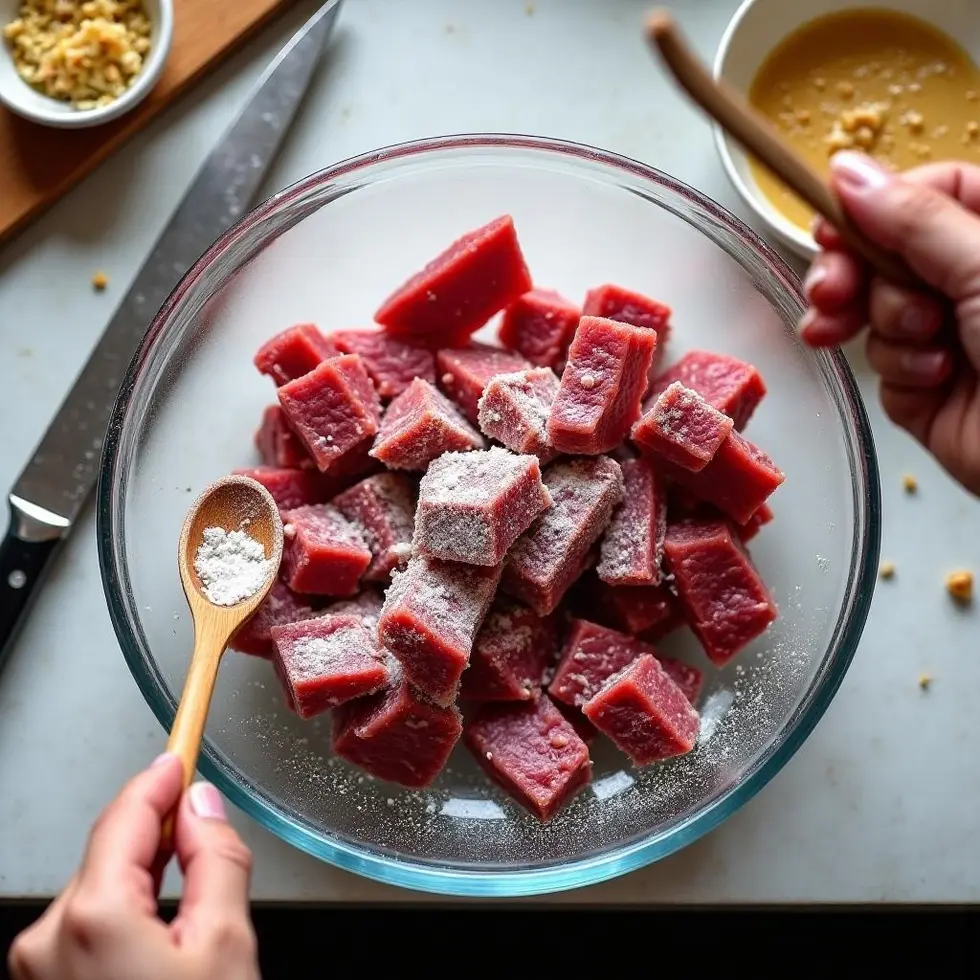
Velveting is a Chinese restaurant technique that coats sliced meat in cornstarch, then rests it before cooking. The starch absorbs moisture from the surface of the beef, forming a thin, protective layer. When the coated slices hit the hot pan, the starch sets immediately, locking in juices and preventing the protein from toughening.
The 15-minute rest is not optional. Skipping it leaves the coating wet and clumpy, and the beef will steam instead of sear. After resting, each slice should feel dry to the touch with a light, even powder coating.
High Heat and Single-Layer Searing
Restaurants sear beef over heat that reaches 400°F or higher, which creates a browned crust in under two minutes per side. Home stoves rarely match that temperature, but a wok or large skillet over high heat comes close. Wait until the oil shimmers before adding the beef—that visual cue means the surface temperature is around 375°F.
Crowding the pan drops the temperature and causes steaming. Arrange the beef in a single layer, leaving space between slices. If your pan cannot fit all 600 grams at once, sear in two batches.
Flank Steak and Grain Direction
Flank steak has long, visible muscle fibers that run in one direction. Slicing against the grain cuts through those fibers, shortening them and making each bite easier to chew. Cutting with the grain leaves the fibers intact, which makes even velveted beef feel stringy.
Thin slices—about ¼ inch—cook faster and absorb more sauce. Thicker pieces take longer to sear and may end up overcooked on the outside before the center is done. The texture difference between properly sliced and improperly sliced flank steak is noticeable in every bite.
How to Make Mongolian Beef Step by Step
Coating and Resting the Beef
Toss 600 grams of thinly sliced flank steak with 1 tablespoon of cornstarch in a bowl until every piece is lightly dusted. Let the coated beef rest at room temperature for 15 minutes. During this time, the cornstarch absorbs surface moisture and forms a dry, even coating that will crisp when it hits the hot oil.
Do not skip the resting step. Wet cornstarch clumps and steams instead of searing, which prevents browning and leaves the beef soft without any texture contrast.
Mixing the Sauce
Whisk together ¼ cup soy sauce, ¼ cup brown sugar, 2 tablespoons hoisin sauce, 1 tablespoon minced fresh ginger, and the remaining 1 tablespoon cornstarch in a small bowl. The cornstarch in the sauce thickens it once it hits the hot wok, creating a glossy coating that clings to the beef instead of pooling at the bottom.
Brown sugar dissolves faster than white sugar and adds a slight molasses note that balances the saltiness of the soy sauce. Hoisin brings depth and a hint of sweetness without making the sauce taste like dessert.
Searing and Tossing
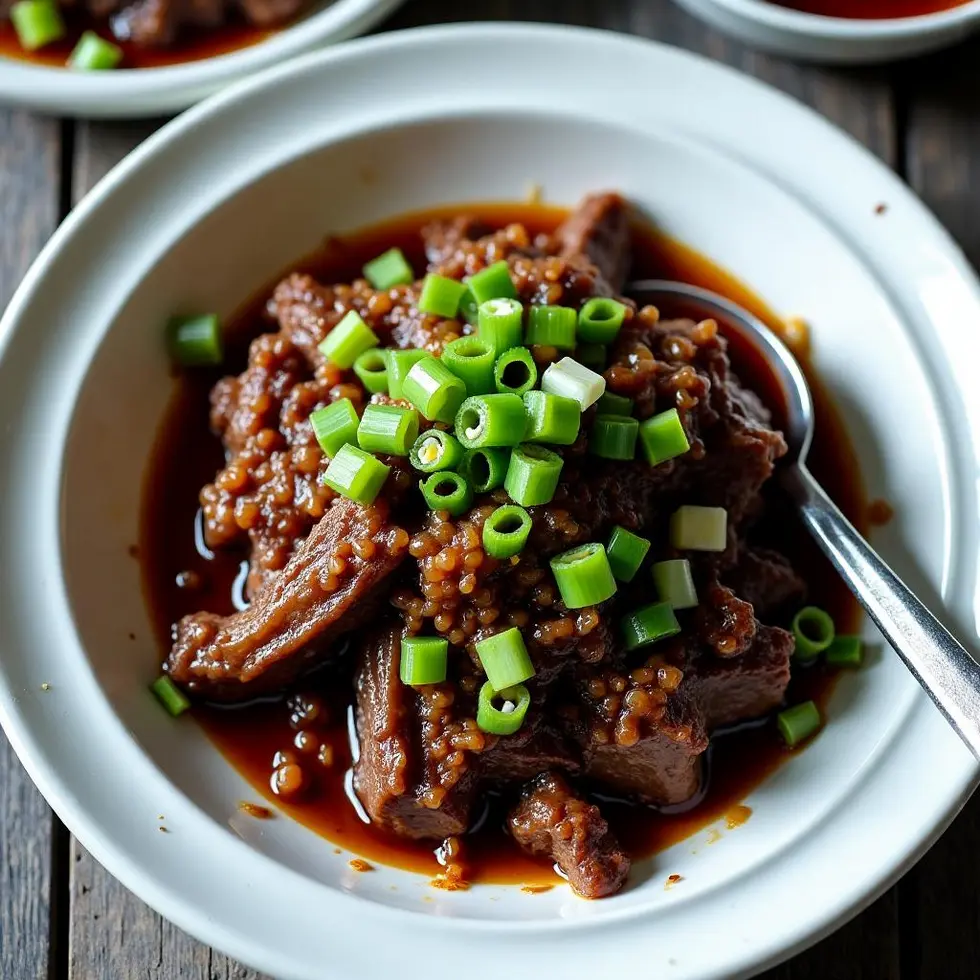
Heat 3 tablespoons of vegetable oil in a wok or large skillet over high heat until the surface shimmers. Add the beef in a single layer and sear for 1 to 2 minutes per side until browned but still tender. Pour the sauce into the wok and toss with the beef for 1 to 2 minutes until the sauce thickens and coats the meat.
Add 4 green onions, cut into 2-inch pieces, and toss for 30 seconds until just softened. Serve immediately over rice. The sauce thickens quickly, so work fast once the beef and sauce are combined. According to Eronj’s pan-frying guide, maintaining high heat throughout the searing process ensures the beef develops a caramelized exterior while staying tender inside.
Sauce Balance, Swaps and Serving Ideas
Adjusting Sweetness and Salt
The mongolian beef recipe pf changs balance leans sweet-savory, with ¼ cup brown sugar to ¼ cup soy sauce. If you prefer less sweetness, reduce the brown sugar to 3 tablespoons and taste the sauce before adding it to the wok. For a saltier profile, add 1 teaspoon of soy sauce at a time until the flavor suits your preference.
Hoisin sauce contributes both sweetness and umami, so reducing or eliminating it shifts the flavor toward a simpler soy-ginger base. Some versions add a pinch of red pepper flakes for heat, but that is not traditional for this style.
Protein and Vegetable Swaps
Flank steak is traditional, but sirloin or skirt steak works if sliced thin against the grain. Chicken thighs can replace beef entirely—use boneless, skinless thighs cut into strips, and sear them the same way. Cooking time remains the same because the slices are thin.
Green onions are mild and cook quickly, but you can add sliced bell peppers or snap peas for crunch. Add firmer vegetables to the wok 1 minute before the sauce, so they soften slightly without turning mushy. For more ideas on what pairs well with stir-fried dishes, Pip and Ebby’s serving guide offers several complementary side options.
Serving and Storage
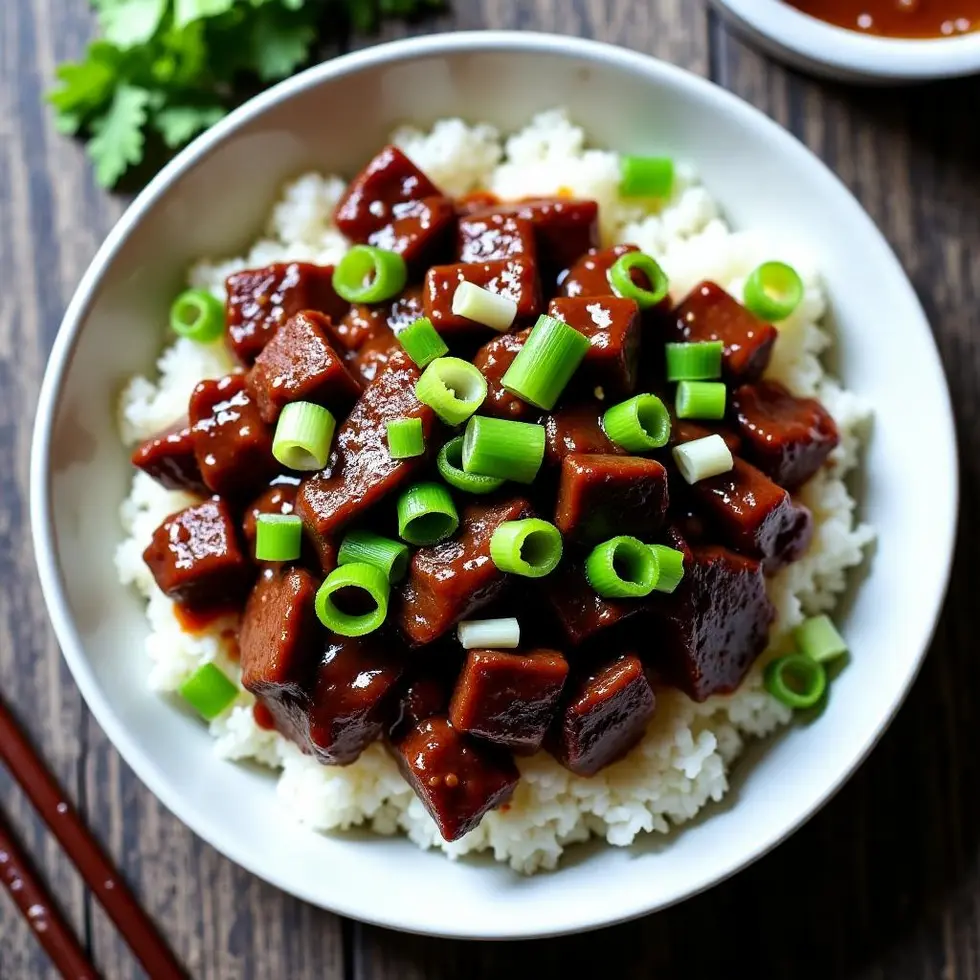
Serve the beef over steamed white rice, brown rice, or noodles. The sauce is thick enough to coat the rice without making it soggy. Leftovers keep in an airtight container in the refrigerator for up to 3 days. Reheat in a covered skillet over medium heat with 2 tablespoons of water to loosen the sauce.
Do not microwave leftovers without adding liquid—the beef will dry out. If you plan to meal prep, store the beef and rice separately so the rice does not absorb all the sauce. You can also explore Lindsay Recipes’ ground beef version for a quicker weeknight variation using noodles instead of rice.
Sear Fast, Toss Once
The difference between tender and chewy beef comes down to searing time and pan temperature. Keep the heat high, avoid crowding the pan, and move the beef only when it is ready to flip. Once the sauce goes in, toss everything together for less than 2 minutes—long enough for the sauce to thicken, but not long enough to overcook the meat.
The cornstarch coating and the high-heat sear are the two techniques that make this pf changs mongolian beef copycat version work. Both steps protect the beef from toughening, and both happen fast. Once you see the sauce cling to the meat in a glossy coating, the dish is done.
Frequently Asked Questions
Can I use a different cut of beef instead of flank steak?
Yes, sirloin or skirt steak works well if sliced thin against the grain. Avoid tougher cuts like chuck unless you marinate them longer, as they may not tenderize fully in a quick sear. The velveting technique helps, but starting with a naturally tender cut gives better results.
Why does my sauce turn out too thin?
The sauce thickens from the cornstarch whisked into the soy mixture and the residual cornstarch on the beef. If your sauce stays thin, make sure you added the full tablespoon of cornstarch to the sauce and gave the beef enough resting time after coating. Also, confirm the wok is hot enough—low heat prevents the starch from gelatinizing properly.
Can I make this ahead and reheat it later?
You can prepare the sauce and slice the beef a few hours ahead, but sear the beef just before serving for the best texture. Reheated beef loses some tenderness. If you must reheat, do it in a covered skillet over medium heat with a splash of water, and warm it just until heated through.
Is there a way to make this less sweet?
Reduce the brown sugar to 2 or 3 tablespoons instead of ¼ cup. The hoisin sauce also contributes sweetness, so cutting it back by half will shift the flavor toward a saltier, more savory profile. Taste the sauce before adding it to the wok and adjust to your preference.
Copycat Mongolian Beef
Ingredients
Method
- Toss the sliced beef with 1 tablespoon cornstarch until evenly coated and let rest for 15 minutes.
- Whisk together soy sauce, brown sugar, hoisin sauce, ginger, and remaining 1 tablespoon cornstarch in a small bowl.
- Heat vegetable oil in a wok or large skillet over high heat until shimmering.
- Add the beef in a single layer and sear for 1 to 2 minutes per side until browned but still tender.
- Pour the sauce into the wok and toss with the beef for 1 to 2 minutes until the sauce thickens and coats the meat.
- Add the green onions and toss for 30 seconds until just softened, then serve immediately over rice.
