
When I whisked Parmesan into cold cream instead of warm, the sauce broke into grainy clumps instead of coating the pasta.
Most homemade versions of this olive garden chicken alfredo copycat end up thin, greasy, or bland because the cream never reaches a gentle simmer before the cheese goes in. The sauce splits when cold cheese hits cold liquid, or turns oily when the heat climbs too high. The chicken dries out when it sits in the pan too long, and the pasta clumps while waiting for everything else to finish.
This version follows the temperature cues that make restaurant-style alfredo work at home: warm cream first, gradual cheese whisking, and timing each element so nothing overcooks. You finish with tender chicken, silky sauce, and fettuccine that holds the coating in every bite.
Why Olive Garden Chicken Alfredo Is So Popular
When the Sauce Tastes Watery
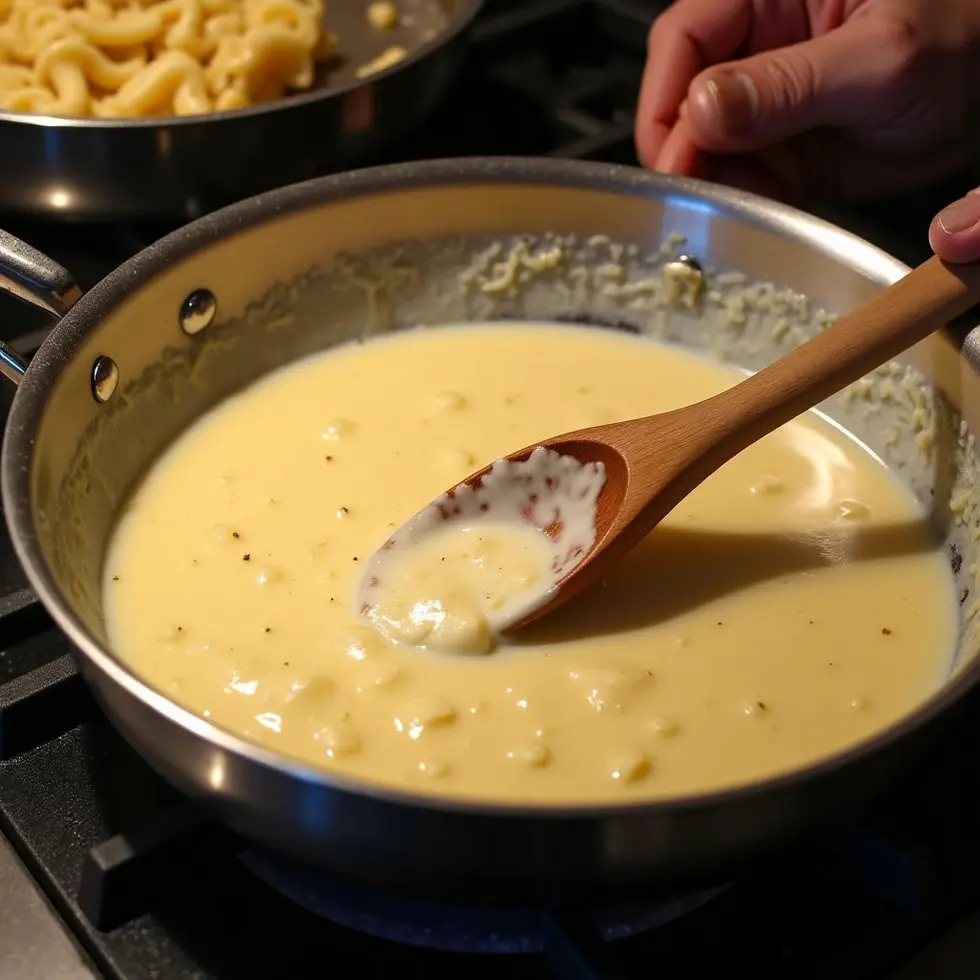
The disappointment starts when the sauce puddles at the bottom of the bowl instead of clinging to the noodles. That happens when cream never thickens because it never simmered, or when pre-grated cheese with anti-caking powder refuses to melt smoothly. The restaurant-style version depends on freshly grated Parmesan that melts into the warm cream without leaving a chalky residue.
Heavy cream must reach a gentle simmer before you add cheese. At that temperature, around 180°F, the milk proteins begin to thicken and the fat emulsifies with the liquid. When you whisk in finely grated Parmesan gradually, the cheese melts into the hot cream without seizing. Cold cheese dumped into cold cream never integrates, and high heat turns the fat greasy.
When the Chicken Comes Out Rubbery
The chicken strips often turn dry and stringy because they cook too long at too low a heat, or because they continue sitting in the hot skillet while you make the sauce. The copycat olive garden alfredo technique relies on medium-high heat, around 375°F, to sear the outside golden in 6 to 8 minutes and reach an internal temperature of 165°F without drying out the meat. Removing the chicken immediately and letting it rest on a plate keeps it juicy while you build the sauce.
Cutting the chicken into even strips before seasoning ensures every piece cooks at the same rate. Salt and black pepper applied just before the pan bring out flavor without drawing moisture out during a long wait. Fettuccine Alfredo traditionally uses simple seasoning to let the butter, cream, and cheese carry the dish, so the chicken needs only enough salt to enhance its natural taste.
How to Make the Creamy Alfredo Sauce
The Garlic and Cream Base
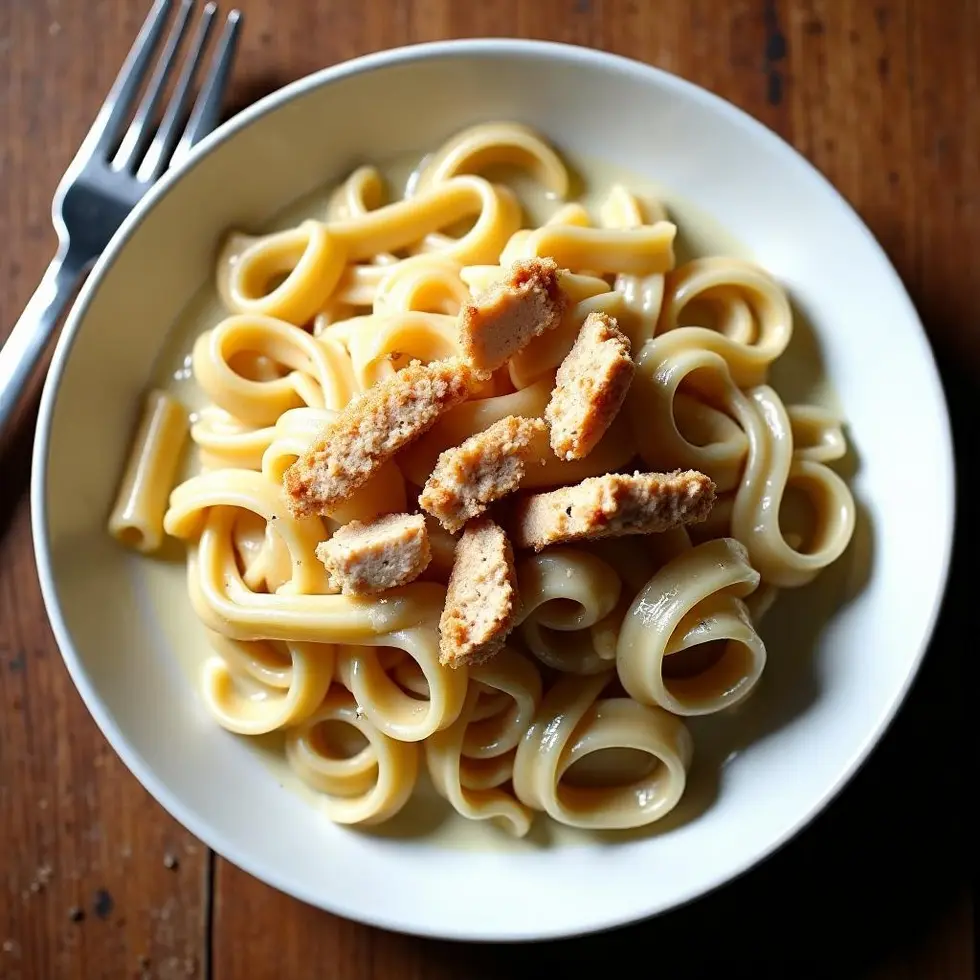
After the chicken rests, the same skillet holds the browned bits that add depth to the sauce. Melt 4 tablespoons of butter over medium heat, then add 3 minced garlic cloves and cook for 1 minute until fragrant but not browned. Garlic burns quickly at high heat, so the moment you smell it, pour in 2 cups of heavy cream to stop the cooking. Bring the cream to a gentle simmer, watching for small bubbles around the edge of the pan, then reduce the heat to low.
The homemade version tastes richer because you control the garlic intensity and the cream temperature. Restaurant kitchens often prepare alfredo in large batches, which dilutes the garlic flavor. At home, you cook just enough for four servings, so the garlic infuses the butter and cream with a sharper, fresher taste. Stirring constantly while the cream warms prevents scorching and helps the sauce thicken evenly.
Adding the Parmesan Correctly
Gradually whisk in 1.5 cups of freshly grated Parmesan, adding a handful at a time and letting each addition melt before adding more. The cheese should disappear into the sauce without forming lumps. If you add it all at once, the cold mass drops the temperature too fast and the proteins seize. If the heat climbs too high, the fat separates and floats on top. Low heat and patient whisking give you a smooth, ivory sauce that coats the back of a spoon.
Pre-grated Parmesan contains cellulose to prevent clumping, which interferes with melting. A block of Parmesan grated on the small holes of a box grater melts faster and tastes sharper. Season the sauce with salt and black pepper only after the cheese goes in, because Parmesan is already salty and you need to taste the balance before adding more.
Chicken Tips, Pasta Swaps and Storage
Pasta Choices and Timing
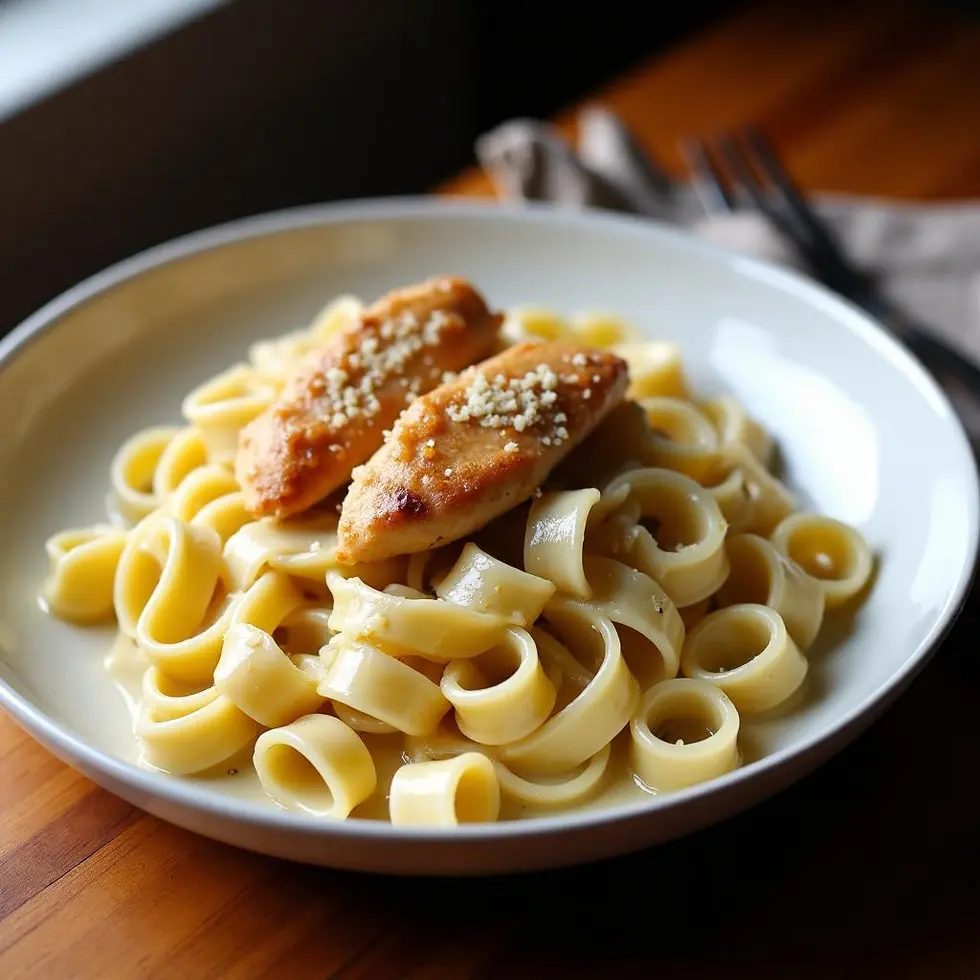
Cook 450 grams of fettuccine in salted boiling water according to package directions until al dente, then drain and set aside. The pasta should still have a slight firmness when you bite it, because it will soften slightly when tossed in the hot sauce. Overcooked pasta turns mushy and won’t hold the coating. If you prefer a different shape, pappardelle, linguine, or rigatoni all work, but avoid thin noodles like angel hair that become too delicate under the heavy sauce.
Reserve half a cup of pasta water before draining. If the sauce thickens too much while you toss everything together, a tablespoon or two of the starchy water loosens it without diluting the flavor. The starch also helps the sauce cling to the noodles.
Storage and Reheating
Store leftovers in an airtight container in the refrigerator for up to 3 days. The sauce will thicken as it cools, so when you reheat, add a splash of milk or cream and warm gently over low heat, stirring frequently to prevent separation. Microwaving works for single portions, but use 50% power and stir every 30 seconds to avoid curdling. Some cooks find that Winding Creek Ranch’s shrimp alfredo offers a similar approach with seafood instead of chicken.
For meal prep, cook the chicken and sauce separately, then combine them just before serving. The pasta absorbs sauce as it sits, so if you plan to make this ahead, undercook the fettuccine by 1 minute and toss it in the sauce right before eating. Freezing is not recommended because cream-based sauces separate when thawed.
Use Freshly Grated Cheese
The single check that prevents grainy, broken sauce is using Parmesan you grate yourself. Pre-grated cheese refuses to melt smoothly, no matter how carefully you whisk or how low you keep the heat. A block of Parmigiano-Reggiano grated just before cooking melts into the warm cream without leaving chalky bits, and the flavor difference is immediate. This olive garden chicken alfredo copycat depends on that one swap more than any other. Once the cheese melts cleanly, the rest of the dish comes together without fuss.
Frequently Asked Questions
Can I use milk instead of heavy cream?
Milk does not thicken the same way because it lacks the fat content that heavy cream provides. The sauce will taste thin and may not coat the pasta properly. Whole milk mixed with a tablespoon of flour can approximate the texture, but the flavor will be lighter and less rich than the restaurant-style version.
How do I prevent the sauce from breaking?
Keep the heat low once you add the cheese, and whisk constantly while adding it gradually. High heat or dumping all the cheese in at once causes the proteins to seize and the fat to separate. If the sauce does break, whisk in a tablespoon of warm cream off the heat to bring it back together.
Can I make this ahead for a dinner party?
Cook the chicken and prepare the sauce base up to 2 hours ahead, then reheat gently and add the cheese just before serving. Alfredo sauce thickens and loses its silky texture when it sits, so finishing it at the last minute gives you the best result. Toss the cooked pasta in the sauce right before plating.
What if I don’t have fettuccine?
Pappardelle, linguine, or rigatoni all hold the creamy sauce well. Avoid very thin noodles like angel hair, which turn soggy under the weight of the sauce. Short shapes like penne work, but the long ribbons of fettuccine give you the classic restaurant-style presentation.
Chicken Fettuccine Alfredo
Ingredients
Method
- Cook the fettuccine in salted boiling water according to package directions until al dente, then drain and set aside.
- Heat olive oil in a large skillet over medium-high heat, season the chicken strips with salt and pepper, then cook for 6 to 8 minutes until golden and cooked to 165°F / 74°C, then remove and set aside.
- In the same skillet over medium heat, melt the butter, add the minced garlic and cook for 1 minute until fragrant, then pour in the heavy cream and bring to a gentle simmer.
- Reduce heat to low, gradually whisk in the Parmesan cheese until melted and smooth, then season with salt and pepper to taste.
- Add the cooked fettuccine and chicken strips to the sauce, toss gently until evenly coated, then serve immediately.
