Smashing a loose ball of beef against screaming-hot griddle steel forms those lacy, caramelized edges in under two minutes.
The crunch from the crust, the steam rising from the bun, and the way melted American cheese drapes over the edges all happen because of direct contact with serious heat. Nothing beats the satisfaction of biting through a toasted bun and hitting that crispy patty edge.
A flat-top griddle delivers restaurant-quality results at home because it holds steady, even heat across a wide surface. The smash burger recipe Blackstone method relies on pressing the beef flat within seconds of it touching the griddle, creating maximum crust without overcooking the interior.
This version uses 80/20 ground beef, a simple mayo-ketchup-mustard sauce, and just enough topping to let the patty shine. The entire process takes 18 minutes from counter to plate.
Why Blackstone Smash Burgers Work So Well
The Science Behind the Crust
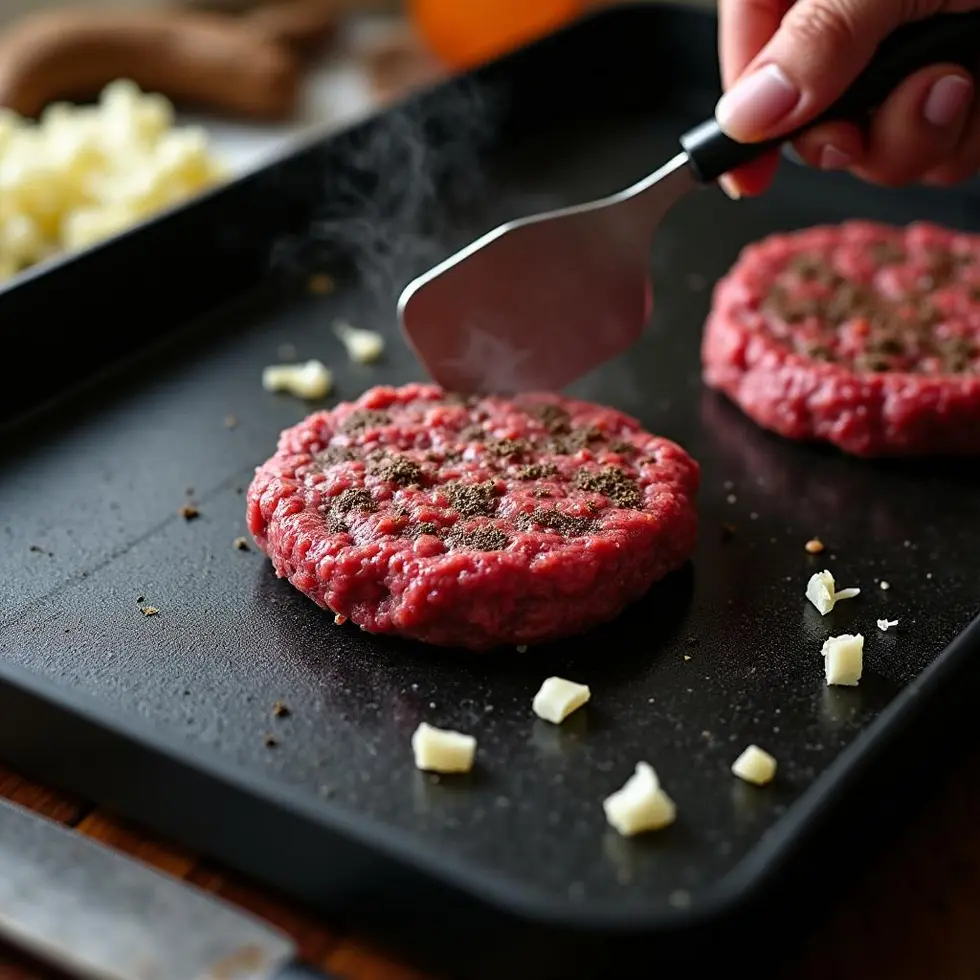
High heat and direct contact trigger the Maillard reaction, which turns amino acids and sugars into hundreds of flavorful compounds. When you press a ball of beef onto a griddle heated past 400°F, the moisture on the surface evaporates instantly and the proteins caramelize.
That crust forms only where the meat touches the griddle. Smashing increases the contact area, which is why a proper smash burger has crispy edges that a thick patty never develops.
Why 80/20 Ground Beef Matters
Fat content controls both flavor and texture. Eighty percent lean, twenty percent fat gives you enough richness to stay moist without pooling grease on the griddle.
Leaner beef dries out under high heat. Fattier blends create excessive splatter and can leave the patty greasy rather than crisp.
Using 80/20 is the single most reliable way to get a well-browned crust and tender interior at 160°F / 71°C. According to AllRecipes, this ratio is standard across tested smash burger recipes for home cooks.
Griddle Temperature and Surface Contact
A Blackstone griddle holds heat better than most home stovetop pans because of its thick steel plate. Preheat it over high heat until a drop of water sizzles and evaporates in under a second.
Cast iron works, but avoid nonstick pans entirely—they can’t handle the heat required for a true smash. The goal is surface temperature high enough to sear on contact, locking in moisture while building crust.
Once the griddle is ready, the smash burger recipe Blackstone technique depends on speed: ball down, smash immediately, season, and wait. That first two minutes is when the crust forms, so resist the urge to move the patty.
How to Make Smash Burgers on a Blackstone
Shaping the Patties Without Overworking
Divide 450 grams of ground beef into four loose balls, each about 110 grams. Do not press, knead, or compact them.
Overworking the meat activates the myosin proteins, which bind the beef into a dense, rubbery texture. You want the patty to break apart easily when you bite it, which only happens if the beef stays loosely formed until it hits the griddle.
Place each ball on a sheet of parchment paper while the griddle preheats. This keeps them ready without sticking to the counter.
The Smash Technique
Set one ball on the screaming-hot griddle, then press down hard with a sturdy metal spatula for three seconds. Use your other hand on top of the spatula handle for leverage.
The patty should spread to about four inches wide and less than a quarter-inch thick. Season the top with salt and black pepper immediately after smashing.
Do not lift the spatula to check the crust before two minutes. The edges will darken and curl slightly when ready. If you’re working with onions, try the approach used in this smash burger recipe with onions, where thin-sliced onion sits under the beef ball before smashing, embedding the onion into the crust as it cooks.
The Flip, the Cheese, and the Doneness
After two minutes, slide the spatula under the patty in one firm motion. Flip once. The cooked side should show deep brown caramelization with crispy lace around the edges.
Top with one slice of American cheese as soon as the patty flips. Cook for one to two minutes more until the internal temperature reaches 160°F / 71°C, measured with an instant-read thermometer.
American cheese melts faster and drapes better than cheddar or Swiss, covering the patty completely without breaking into an oily pool. Pull the patties as soon as they hit temperature—carryover heat will finish the job.
Toppings, Sauces and Griddle Tips
Building a Balanced Burger Sauce
Mix three tablespoons of mayonnaise, one tablespoon of ketchup, and one teaspoon of yellow mustard in a small bowl. This ratio gives you creamy tang without overwhelming the beef.
If you want more complexity, add a pinch of smoked paprika for depth or a dash of hot sauce for heat. For a detailed breakdown of sauce variations, check this guide from Rest Recipes.
Spread the sauce on both the bottom and top bun to create a moisture barrier that keeps the bun from getting soggy.
Toasting the Buns on the Griddle
Butter the cut sides of four burger buns with softened butter—about half a tablespoon per bun. Place them cut-side down on the griddle for one to two minutes until golden brown.
Toasted buns add texture and hold up better under the sauce and juices. If the griddle has cooler zones, use them for the buns so you can control browning without burning.
Pull the buns as soon as you see even color across the surface. Over-toasted buns turn brittle and crack when you bite down.
Assembly Order and Topping Balance
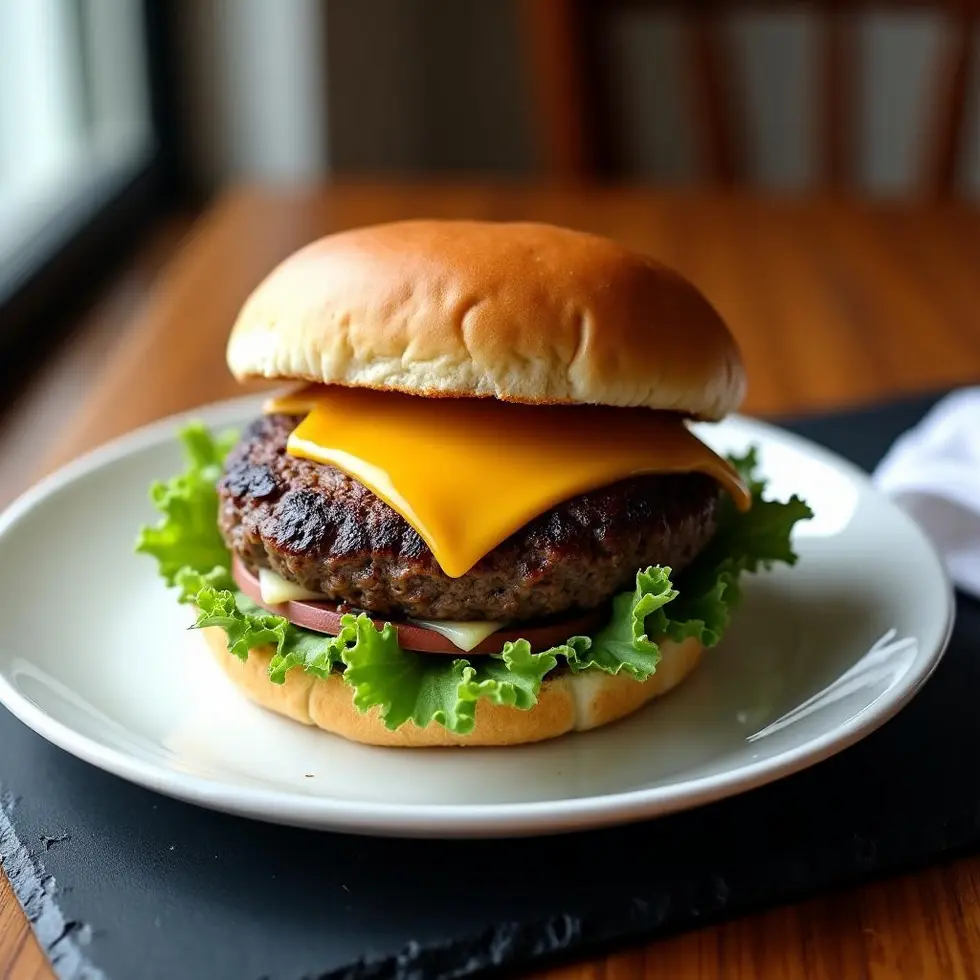
Start with the bottom bun, spread sauce, then add shredded lettuce. The lettuce acts as a barrier between the hot patty and the bun, preventing sogginess.
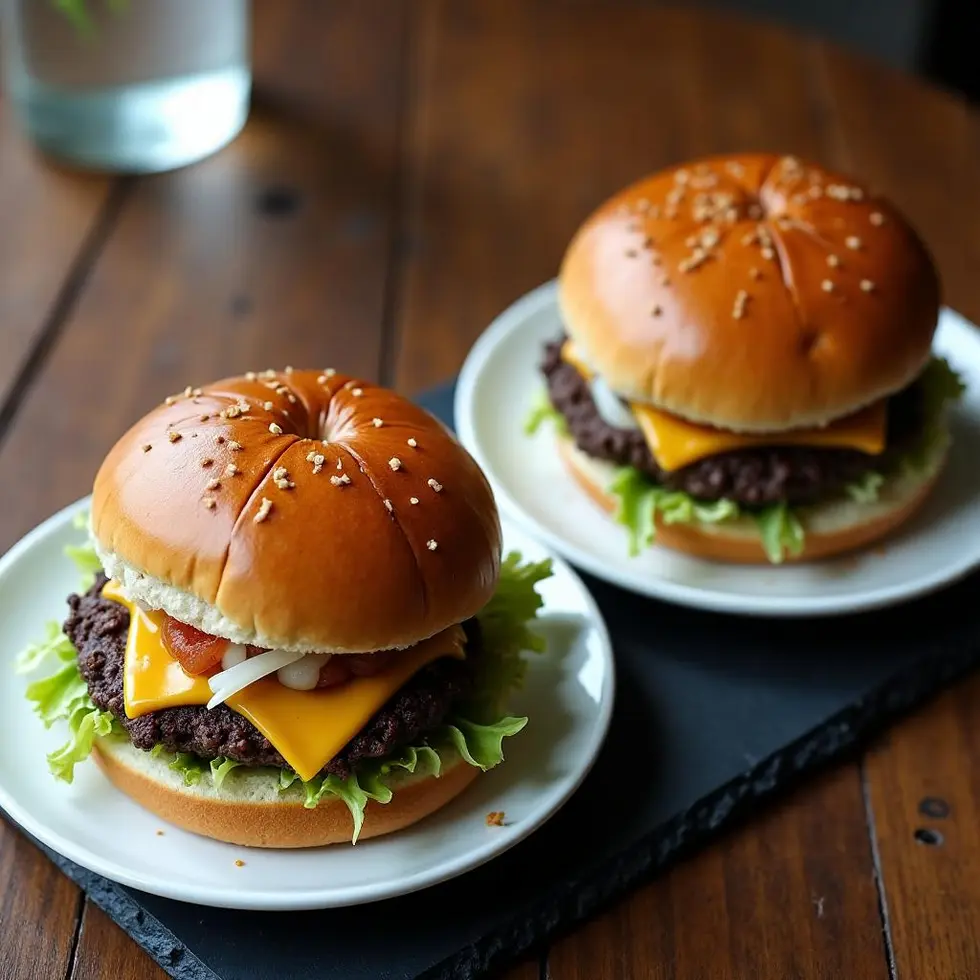
Place the patty with melted cheese on top of the lettuce, then add half a cup of diced onion distributed across all four burgers. Close with the top bun.
Keep toppings minimal—too many layers shift when you bite, and the burger falls apart. One crisp element, one creamy element, and one sharp element is enough. For inspiration on how professional griddle recipes layer flavors, Blackstone Products offers creative takes on griddle cooking that balance texture and taste.
Heat, Timing, and Texture
The smash burger recipe Blackstone method succeeds when the griddle is hot enough to sear on contact and you resist the urge to flip more than once. Preheating for at least five minutes ensures the steel plate holds steady heat even after you drop cold beef on it.
Two minutes on the first side, one to two on the second, and you’re done. The crust should snap when you bite it, giving way to tender beef that stays moist at 160°F / 71°C.
Serve these burgers hot off the griddle with crispy edges intact and cheese still melting. The toasted bun, the crunch from the crust, and the creamy sauce all come together in a bite that feels far more satisfying than anything you’d get from a drive-through.
Frequently Asked Questions
Can I use a cast iron skillet instead of a Blackstone griddle?
Yes, a cast iron skillet works well for smash burgers as long as you preheat it over high heat for at least five minutes. Use a heavy metal spatula to smash the patties flat. You may only fit one or two patties at a time depending on the skillet size, so work in batches.
Do I need to add oil to the griddle before cooking?
No, the fat in 80/20 ground beef is enough to prevent sticking and help the crust form. Adding oil can cause excessive smoke and may dilute the beef flavor. The beef will release enough fat within the first 30 seconds of contact.
Why do my burgers stick to the griddle when I flip them?
The patty has not developed a full crust yet. Wait the full two minutes before attempting to flip. A properly seared crust releases naturally when you slide a spatula underneath. If it resists, give it another 15 to 30 seconds.
Can I make these burgers ahead and reheat them?
Smash burgers are best eaten immediately after cooking because the crust loses its texture when stored. If you must reheat, use a hot skillet for one minute per side to restore some crispness. Avoid microwaving, which makes the patty rubbery.
What cheese melts best on a smash burger?
American cheese melts fastest and drapes evenly over the patty without breaking. Cheddar, pepper jack, or Swiss also work but may not melt as completely in the short cooking time. Add the cheese immediately after flipping for best results.
How thin should I smash the patties?
Aim for less than a quarter-inch thick, about four inches wide. The thinner the patty, the more surface area touches the griddle and the crispier the crust. Do not smash so thin that the beef tears or develops holes, which can cause uneven cooking.
Smash Burger
Ingredients
Method
- Mix mayonnaise, ketchup, and mustard in a small bowl to make the burger sauce.
- Preheat a Blackstone griddle or large cast iron skillet over high heat until very hot.
- Divide the ground beef into 4 loose balls without compacting, place on the hot griddle, immediately smash flat with a sturdy spatula, season with salt and pepper, and cook for 2 minutes until crispy edges form.
- Flip once, top each patty with a cheese slice, and cook for 1 to 2 minutes until the internal temperature reaches 160°F / 71°C.
- Butter the cut sides of the buns and toast them on the griddle for 1 to 2 minutes until golden.
- Spread sauce on the bottom bun, add lettuce, place the patty with melted cheese, top with diced onion, and close with the top bun.
