The difference between a mediocre burger and one that makes you close your eyes in satisfaction comes down to three minutes of intense heat and one bold move: the smash. Most home cooks treat burgers like delicate objects, gently shaping thick patties and flipping them repeatedly. That approach delivers a gray, steamed disk with zero crust.
The crispy smash burger recipe homemade flips that logic entirely. You start with a loose ball of well-marbled beef, slam it onto screaming-hot cast iron, and press it flat with aggressive force. What happens next is pure chemistry: the Maillard reaction erupts across the entire surface, creating a lacy, caramelized crust that shatters under your teeth while the interior stays moist.
The smash burger cooking technique demands precision — wrong heat, wrong timing, or wrong beef, and you’ll end up with a thin, dry disappointment. But get these five techniques right, and you’ll never want a thick patty again.
The Ultimate Smash Burger Cooking Technique: A Step-by-Step Guide
Choose 80/20 Ground Beef and Never Pre-Form Your Patties
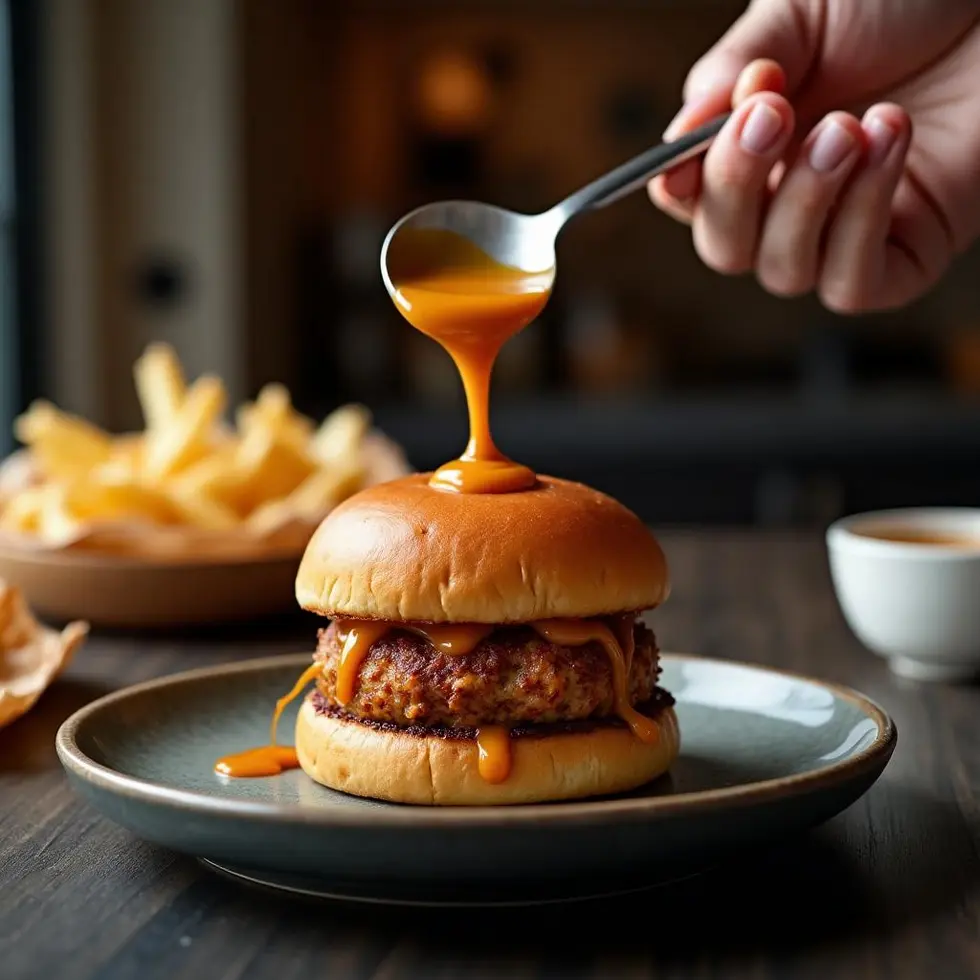
Fat content dictates whether your burger stays moist or turns into cardboard. Ground beef labeled 80/20 (80% lean, 20% fat) delivers the exact balance needed for a smash burger: enough fat to lubricate the meat during the violent smash, but not so much that it floods the pan and steams the patty. Leaner blends — 90/10 or 93/7 — dry out instantly under high heat because there’s no fat reserve to compensate for moisture loss.
Never shape your patties in advance. When you compress ground beef into a puck and refrigerate it, the meat proteins bind tightly, creating a dense, rubbery texture. Instead, portion your beef into loose 3-ounce balls and keep them cold until the moment they hit the pan. This preserves the irregular, open structure that allows steam to escape and crust to form. Professional Crispy Lacy-Edge Smash Burger Recipe techniques always emphasize loose, cold beef for maximum textural contrast.
Preheat Your Cast Iron to Smoking Point
The defining characteristic of a smash burger is the shatteringly thin, caramelized crust — and that only forms when the pan surface exceeds 450°F. Place your cast iron skillet over high heat for a full five minutes until you see the first wisps of smoke. Drop a tiny piece of beef on the surface; it should sizzle violently and blacken within seconds.
Most home cooks chicken out at this stage, worried about smoke or burning. But without that extreme heat, your burger will stick, steam, and turn gray instead of brown. The Maillard reaction — the chemical process that creates savory, meaty flavor compounds — only accelerates above 300°F and peaks around 400–500°F. If your kitchen exhaust can handle it, you’re at the right temperature.
- Portion your ground beef: Divide 1 pound of 80/20 ground beef into 4 loose, 4-ounce balls — don’t compress or shape them.
- Heat your pan to smoking: Place a cast iron skillet over high heat for 5 minutes until it just begins to smoke.
- Season and smash: Drop one beef ball onto the pan, season the top with salt and pepper, then smash flat with a sturdy spatula for 10 seconds of firm pressure.
- Let it crust undisturbed: Cook for exactly 2 minutes without touching — you’ll see the edges turn dark brown and lacy.
- Flip once and finish: Scrape under the patty with a thin metal spatula, flip, and cook for 60 seconds on the second side until internal temperature reaches 160°F.
Once you’ve mastered the single-flip method, you’ll want to explore how it applies to other formats.
5 Common Mistakes to Avoid When Making a Crispy Smash Burger
Mistake #1: Flipping Too Early or Too Often
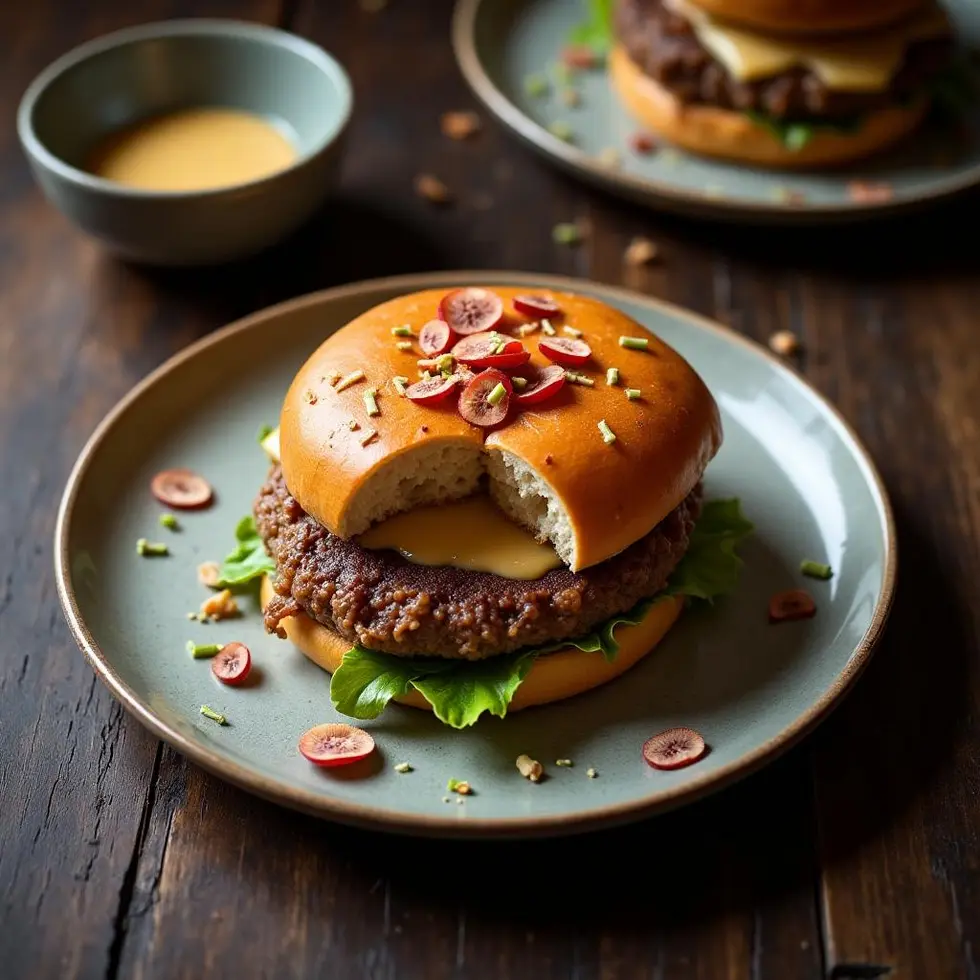
The moment you place your beef ball and smash it flat, a chemical clock starts ticking. The sugars and amino acids in the meat need uninterrupted contact with the hot pan for at least 90 seconds to undergo full Maillard browning. If you lift the edge to peek or flip after 60 seconds, you’ll tear away half-formed crust and leave raw protein exposed — that’s the gray, steamed look that ruins texture.
Wait until you see the edges turn dark mahogany and crisp up before you touch the patty. Slide a thin metal spatula under the burger with a firm scraping motion — you should hear a crackling release, not a wet rip. Flip exactly once, cook for 60 seconds on the second side, and you’re done. The Smash Burger Taco Recipe: 4 Proven Quick Steps uses this same single-flip discipline for its taco shells.
Mistake #2: Using Too Much Beef Per Patty
Smash burgers are thin by design — 3 to 4 ounces of raw beef per patty is the upper limit. Beyond that, you’ll end up with a patty that’s too thick to smash properly: the center stays undercooked while the edges burn, and you lose the textural contrast that makes this style so addictive. Thickness also prevents the edges from crisping into those lacy, irregular fringes that deliver the best crunch.
If you want a more substantial burger, stack two thin smashed patties instead of one thick one. Each patty gets its own crust, and the cheese melts between them, creating layers of flavor and texture. This double-smash approach is standard in professional burger kitchens for a reason: it maximizes surface area while keeping the interior at a safe 160°F.
Mistake #3: Skipping the Bun Toast
An untoasted bun absorbs every drop of juice, sauce, and grease within 30 seconds, turning into a soggy, structural failure before you finish the first bite. Toasting creates a moisture barrier — the Maillard-browned sugars on the cut surface of the bun form a semi-waterproof layer that holds up under wet toppings.
Butter the cut sides of your burger buns lightly and press them face-down onto the same hot skillet you used for the patties while the burgers rest. Toast for 45 to 60 seconds until you see golden-brown spots. The butter amplifies the browning and adds a richness that complements the beef fat.
Mistake #4: Overworking the Beef Before Cooking
Kneading, compressing, or repeatedly handling ground beef before it hits the pan is the fastest way to ruin texture. When you work the meat, you activate myosin — a protein that acts like glue, binding muscle fibers into a dense, springy mass. That’s great for sausages or meatballs, but disastrous for burgers, where you want a loose, tender bite.
Shape your beef balls with the gentlest touch possible — just enough to hold them together for transport to the pan. The smash itself will bind the patty through heat and pressure, not protein manipulation.
Mistake #5: Adding Cheese Too Early
Cheese needs exactly 60 seconds of residual heat to melt properly — add it too early, and it overcooks into an oily, separated mess. Add it too late, and it stays cold and rubbery. The moment you flip your patty, count to 15, then lay a slice of American, cheddar, or Swiss on top. Cover the skillet with a lid or a large metal bowl to trap steam, which melts the cheese evenly without scorching the burger.
Now that you’ve avoided the most common pitfalls, you’re ready to explore flavor upgrades.
Elevate Your Smash Burger Game: 3 Flavor Upgrades to Try at Home
Caramelized Onions and Smoky Mayo
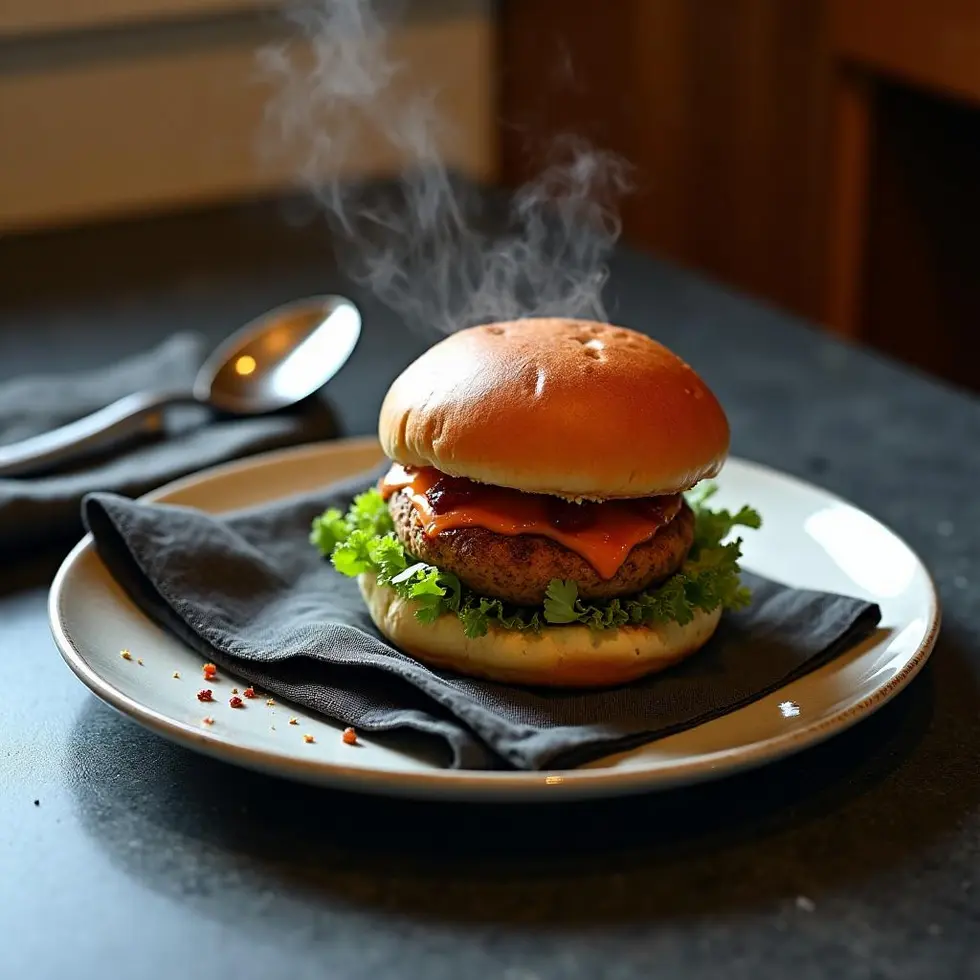
Caramelized onions add a deep, sweet-savory layer that balances the salty, beefy crust of a crispy smash burger recipe homemade. Slice one large yellow onion thinly and cook it in a tablespoon of oil over medium-low heat for 20 to 25 minutes, stirring occasionally, until the sugars break down and the onions turn golden-brown and jammy. The slow cook concentrates flavor without bitterness.
Pair those onions with a smoky mayo: mix three tablespoons of mayonnaise with half a teaspoon of smoked paprika and a pinch of garlic powder. Spread it on the top bun — the fat in the mayo prevents the onions from soaking through. This combination is a staple in diners that understand how sweetness and smoke amplify beef.
Pickled Jalapeños and Sharp Cheddar
Acidity and heat cut through the richness of a fatty smash burger, and pickled jalapeños deliver both. The vinegar brine sharpens the palate between bites, while the capsaicin adds a slow, building warmth that doesn’t overpower. Slice pickled jalapeños thinly and layer them directly on the cheese so they adhere.
Sharp cheddar — aged at least six months — brings a tangy, crystalline bite that complements the jalapeño’s acidity. Mild cheddar or American cheese melt more smoothly, but sharp cheddar adds a flavor complexity that elevates the entire burger. If you’re looking for a lower-carb variation, the Easy Smash Burger Bowl: Your New Favorite High-Protein Meal uses this same topping combination over greens.
Garlic Butter and Fresh Herbs
Garlic butter transforms a basic smash burger into a steakhouse-style indulgence. Mash two cloves of minced garlic into four tablespoons of softened butter, then spread it on the cut sides of your buns before toasting. The garlic browns directly on the pan, releasing aromatic oils that cling to the bread.
Finish the assembled burger with a handful of fresh herbs — cilantro, parsley, or basil — torn and scattered on top of the patty. The herbs add a bright, vegetal note that contrasts with the rich, savory beef. This simple upgrade requires no extra cooking but delivers a flavor profile that feels restaurant-caliber.
With these smash burger cooking technique refinements, you’re equipped to build burgers that rival any professional kitchen.
Conclusion
The magic of a smash burger isn’t in exotic ingredients or complicated techniques — it’s in respecting the science of heat, fat, and timing. 80/20 ground beef, a smoking-hot cast iron skillet, and the discipline to flip only once will deliver a crust that shatters under your teeth while the interior stays tender. Skip the thick patties, the multiple flips, and the timid heat, and you’ll unlock a burger that tastes better than anything you’ll find at a chain restaurant.
Grab your spatula, preheat your skillet to smoking, and make your first crispy smash burger recipe homemade this weekend. Time how long you wait before flipping, listen for that crackling release, and taste the difference. Once you nail the smash burger cooking technique, you’ll never go back to thick, gray patties again — and neither will anyone you cook for.
Frequently Asked Questions
What’s the best ground beef fat percentage for smash burgers?
80/20 ground beef (80% lean, 20% fat) is ideal for smash burgers because the fat content prevents drying during the aggressive smash and high-heat sear. Leaner blends like 90/10 lack enough fat to stay moist, while fattier blends (70/30) can flood the pan and cause steaming instead of browning. The 20% fat melts into the meat during cooking, creating a tender interior behind the crust.
How do I prevent my smash burger from sticking to the pan?
Preheat your cast iron skillet over high heat for a full five minutes until it just starts smoking — this creates a natural non-stick surface. Don’t oil the pan; the fat from the 80/20 beef is enough. When you flip, use a thin metal spatula and scrape firmly under the patty in one confident motion. If the burger sticks badly, your pan wasn’t hot enough or you tried to flip before the crust fully formed.
Can I make smash burgers on a grill instead of cast iron?
Technically yes, but you’ll sacrifice crust quality. Grills have gaps between grates, so you lose contact area and can’t generate the uniform, lacy crust that defines a smash burger. If you must use a grill, place a cast iron skillet or griddle directly on the grates, preheat it fully, and cook the burgers in the skillet. The direct grate method works better for thick patties, not smash-style.
Why did my smash burger turn out dry and gray?
You likely used ground beef that was too lean (90/10 or leaner) or flipped the patty too early and too often, which tore away the forming crust and allowed moisture to escape. Another common cause is cooking over medium heat instead of high heat — without intense searing, the burger steams rather than browns. Always use 80/20 beef, preheat your pan to smoking, and flip only once after a full 2 minutes.
How long should I cook each side of a smash burger?
Cook the first side for exactly 2 minutes without touching the patty — you’ll see the edges turn dark brown and lacy when it’s ready. Flip once, then cook the second side for 60 seconds. Add cheese after the flip, cover with a lid for the last 30 seconds to melt it, and the internal temperature should hit 160°F. Total cook time is about 3 minutes per patty.
Smash Burger
Ingredients
Method
- Combine ground beef, Worcestershire sauce, garlic powder, and onion powder. Form 4 patties. Press a shallow indent in the center of each patty with your thumb to prevent doming.
- Season the patties with salt and pepper on both sides.
- Preheat a cast-iron skillet or griddle over medium-high heat. Cook the patties for 4 minutes per side. Do not press or move the patty during cooking. Internal temperature must reach 160°F / 71°C.
- Add cheese in the last 60 seconds of cooking, cover the pan to melt.
- Toast the buns cut-side down in the same pan for 1-2 minutes until golden.
- Assemble the burgers: bottom bun, patty, cheese, lettuce, tomato, mayonnaise, ketchup, beef bacon, top bun.