
This recipe has become my default when I need something reliable and fast.
The kind of silky, golden sauce you get at Italian restaurants comes down to butter, cream, and good Parmesan. When those three ingredients hit a warm pan and toss with hot pasta, the starch on the noodles blends with the fat and creates a glossy coating that clings to every strand. You don’t need a culinary degree or an expensive ingredient list to make this happen on a Tuesday night.
This easy fettuccine recipe works because the pasta and sauce cook simultaneously. While the water heats and the noodles soften, you’re building the sauce in a skillet. By the time you drain the pasta, the cream mixture is warm and the cheese is ready to melt in. There’s no waiting, no second pot, and no complicated technique.
The result is a quick pasta dinner that tastes polished and feels indulgent. You get the richness of a restaurant plate with the speed of a pantry meal, and the entire process from boiling water to plated bowls takes 15 minutes.
Why This Fettuccine Is Perfect for Busy Nights
Parallel Cooking Saves Real Time
The reason this dish fits into 15 minutes is parallel cooking. While the pasta water heats and the fettuccine boils for 8 to 10 minutes, you’re melting butter and warming cream in a skillet. Both tasks happen at the same time, so you’re never standing around waiting for one thing to finish before starting another.
At the 5-minute mark, your water should be boiling and your butter should be melted. That’s the moment you add the cream to the skillet and drop the pasta into the pot. By minute 10, both are ready to combine.
Pantry Staples Make This a Zero-Grocery-Run Meal
This recipe uses ingredients most kitchens already have: pasta, butter, heavy cream, Parmesan, garlic powder, salt, and black pepper. If you’re out of fresh garlic, garlic powder delivers flavor without the chopping time. If you’re short on Parmesan, use any hard grating cheese you have on hand.
The lack of specialized ingredients means you can pull this together on a weeknight without planning ahead. Keep a box of fettuccine and a block of Parmesan in your pantry, and you’re always 15 minutes away from a satisfying dinner.
Tip: Use Freshly Grated Parmesan
Pre-grated cheese from a bag contains anti-caking agents that prevent it from melting smoothly. Freshly grated Parmesan melts into the cream without clumping, creating the glossy texture that makes restaurant-style fettuccine feel luxurious. It takes an extra 30 seconds to grate a cup, and the sauce texture improves dramatically.
Now that you understand the timing logic, let’s walk through the actual cooking process with realistic clock cues.
How to Make Easy Fettuccine Step by Step
This fettuccine recipe easy stays realistic when the prep is simple, the ingredients are ready, and the cooking time is short.
Start the Pasta Water Immediately
Fill a large pot with water, add a generous pinch of salt, and set it over high heat. The water needs to come to a full rolling boil before you add the pasta. This usually takes 5 to 7 minutes depending on your stove.
Once the water boils, add the fettuccine and stir it gently to prevent sticking. Set a timer for 8 minutes. The pasta should be al dente, with a slight bite in the center. Drain it in a colander and set it aside.
Build the Sauce While the Pasta Cooks
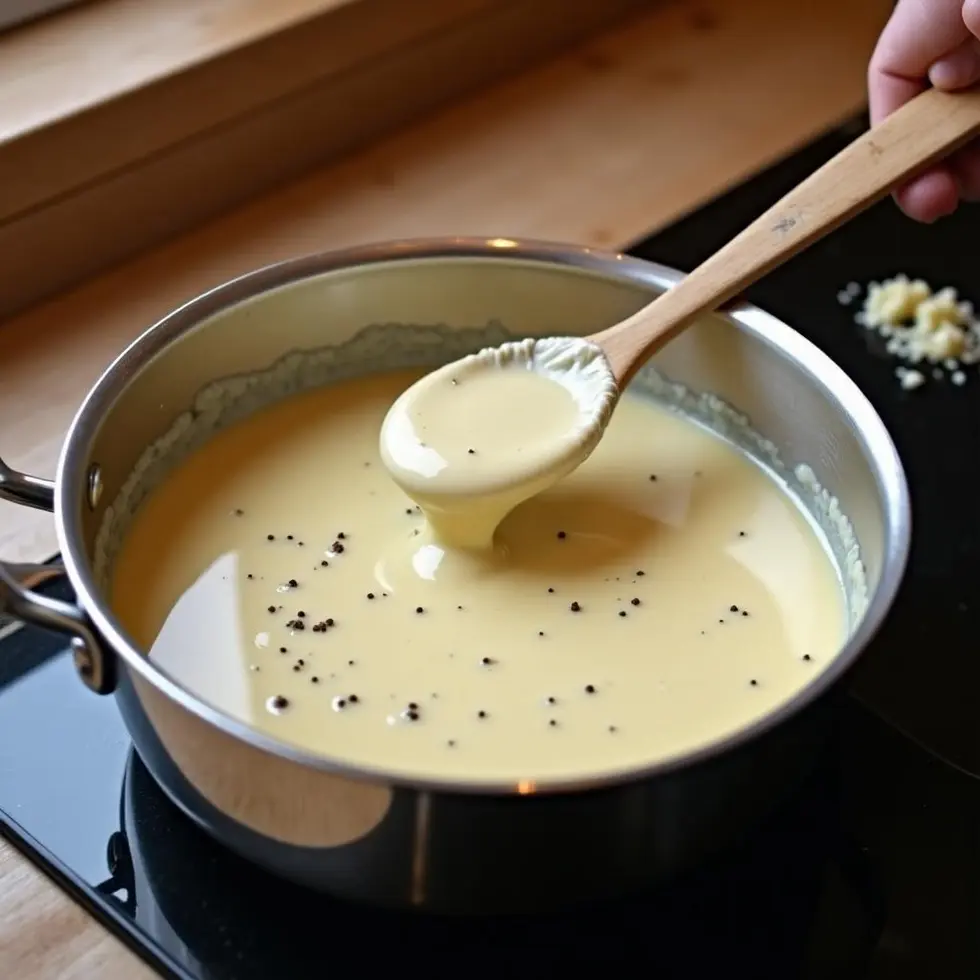
While the pasta water heats, place a large skillet over medium heat and add the butter. Let it melt for about 1 minute until it’s fully liquid but not browning. Add the heavy cream, garlic powder, black pepper, and salt. Stir the mixture for 2 minutes until it’s warmed through and starting to steam.
Remove the skillet from the heat. This step matters because adding cheese to a pan that’s too hot can cause the Parmesan to seize and turn grainy. Off the heat, stir in the grated Parmesan until the sauce is smooth and creamy. The residual heat from the cream is enough to melt the cheese without breaking the sauce.
Technique Insight: Why You Remove the Pan from Heat
Parmesan contains proteins that tighten and clump when exposed to high heat. When you stir grated cheese into a sauce that’s still on the burner, the proteins can squeeze out moisture and turn the sauce gritty. By removing the skillet from the heat first, you let the cream’s warmth melt the cheese gently. The sauce stays silky and emulsified.
This technique applies to most cheese sauces. If you ever notice grainy texture, it’s usually because the cheese was added over direct heat. Off-heat stirring gives you restaurant-style smoothness every time.
Tip: Toss the Pasta in the Sauce, Don’t Pour Over
Add the drained fettuccine directly to the skillet and toss it with tongs or a spoon until every strand is coated. Tossing distributes the sauce evenly and lets the pasta absorb some of the cream. Pouring sauce over plated pasta leaves the bottom dry and the top heavy. Tossing gives you consistent flavor in every bite.
Once the pasta is coated, you’re ready to serve. Let’s talk about how to adjust the sauce, add proteins, and store leftovers.
Sauce Tips, Add-Ins and Leftovers
How to Adjust Sauce Thickness
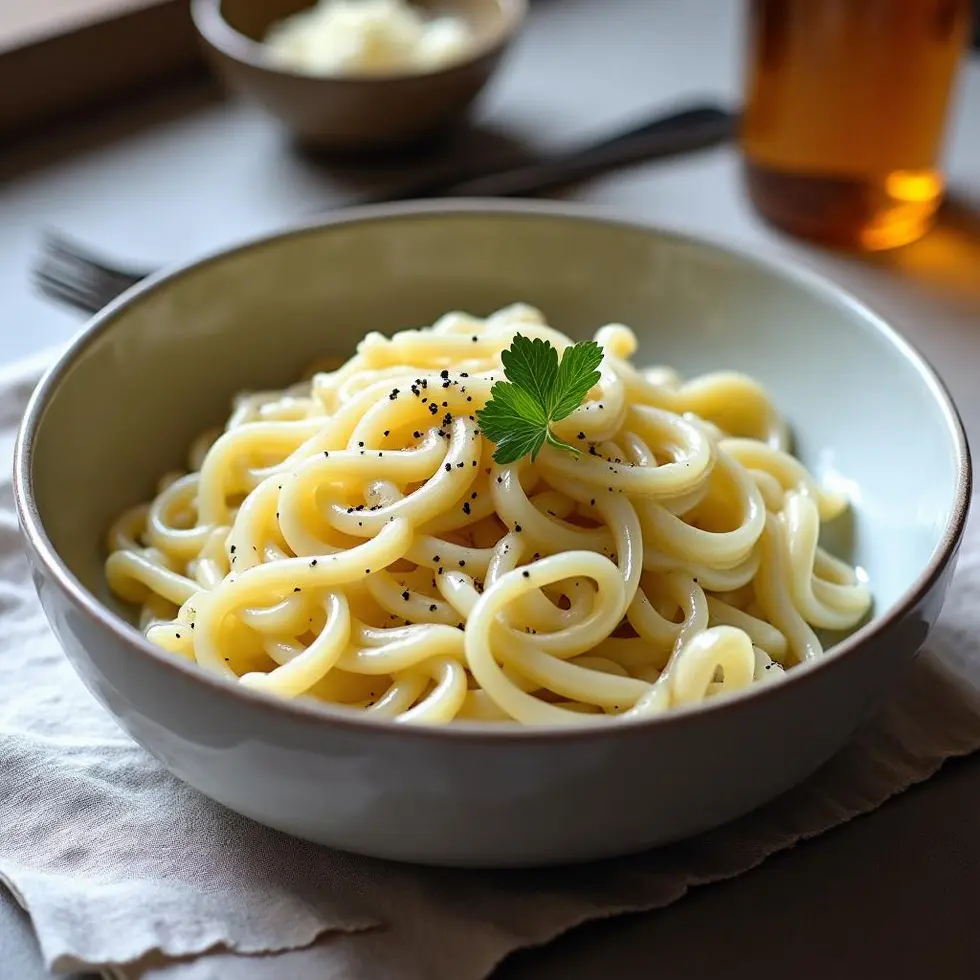
If your sauce looks too thick, add 2 tablespoons of reserved pasta water and toss again. The starchy water loosens the sauce without making it greasy. If the sauce looks too thin, let it sit off the heat for 1 minute. The Parmesan will continue to thicken as it cools slightly.
Most home cooks find that the sauce thickens as it sits on the plate. If you’re serving a crowd, toss the pasta and sauce just before bringing it to the table. This keeps the texture creamy and prevents the noodles from soaking up too much liquid.
Protein and Vegetable Add-Ins That Work
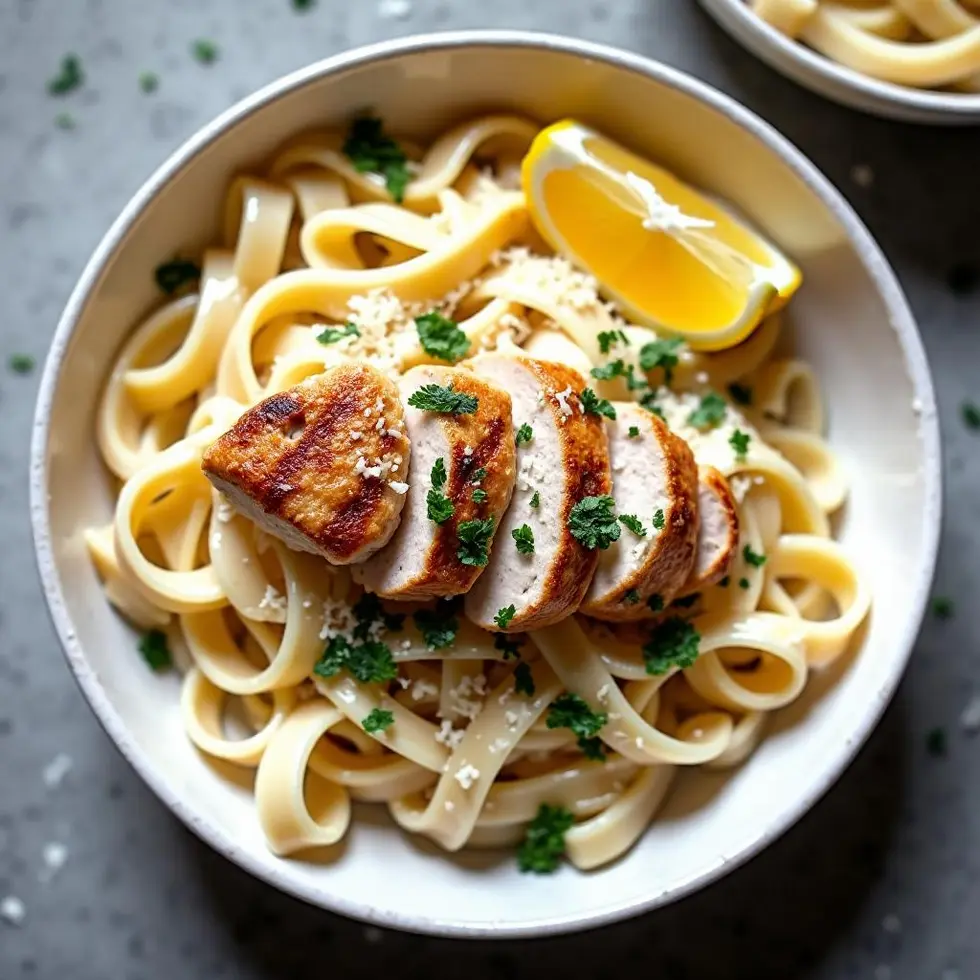
This creamy fettuccine works as a base for grilled chicken, sautéed shrimp, or steamed broccoli. If you’re adding protein, cook it separately and toss it with the pasta at the end. For a crispy chicken version, pan-fry seasoned chicken cutlets while the pasta boils, then slice and arrange them over the finished dish.
For vegetables, steamed broccoli florets, sautéed mushrooms, or halved cherry tomatoes all pair well with the rich sauce. Add them to the skillet right after you toss the pasta to warm them through.
Tip: Scale the Recipe Without Adding Time
To serve six instead of four, use 500 grams of pasta and increase the butter to 4 tablespoons, the cream to 1 ½ cups, and the Parmesan to 1 ½ cups. The cooking process stays the same. You’ll just use a larger pot and a bigger skillet. The timing doesn’t change because the parallel cooking method handles more volume without extra steps.
How to Store and Reheat Leftovers
Store leftover fettuccine in an airtight container in the refrigerator for up to 3 days. The sauce will thicken as it cools. To reheat, place the pasta in a skillet over low heat and add 2 to 3 tablespoons of milk or cream. Stir gently until the sauce loosens and the pasta is warmed through. Microwaving works in a pinch, but the stovetop method gives you better texture.
With these sauce adjustments and add-in ideas, you can turn this base recipe into several different weeknight meals.
A Few Final Notes
The texture of this creamy fettuccine depends on using good Parmesan and tossing the pasta off the heat. Those two moves create the silky coating that makes the dish feel restaurant-quality. If you skip the fresh cheese or add it over direct heat, the sauce will taste fine but won’t have the same glossy finish.
Serve this in warm bowls with extra grated Parmesan on the side and a sprinkle of cracked black pepper. A simple green salad or a slice of crusty bread turns it into a complete meal. The dish reheats well, so it’s worth making a full batch even if you’re cooking for two.
Frequently Asked Questions
Can I use milk instead of heavy cream?
Milk won’t create the same thick, glossy sauce because it lacks the fat content of heavy cream. If you want a lighter version, try half-and-half. The sauce will be thinner but still creamy enough to coat the pasta.
This fettuccine recipe easy keeps dinner realistic by using quick prep, simple ingredients, and a method that does not waste time.
What if my sauce turns grainy?
Grainy sauce usually means the Parmesan was added over too much heat. Always remove the skillet from the burner before stirring in the cheese. If it’s already grainy, whisk in a tablespoon of warm cream off the heat to smooth it out.
Can I make this ahead?
This dish is best made fresh because the sauce thickens as it sits. If you need to prep ahead, cook the pasta and make the sauce separately, then combine and reheat gently on the stovetop just before serving.
Can I use a different pasta shape?
Yes, penne, rigatoni, or linguine all work well with this sauce. Flat or tubular shapes hold the cream better than thin noodles. Keep the same cooking time and toss the pasta in the sauce the same way.
How do I prevent the pasta from sticking together?
Stir the pasta during the first 2 minutes after adding it to the boiling water. This prevents the noodles from clumping. Make sure your pot is large enough so the pasta has room to move freely.
Creamy Fettuccine
Ingredients
Method
- Bring a large pot of salted water to a boil and cook the fettuccine for 8 to 10 minutes until al dente, then drain and set aside.
- While the pasta cooks, melt the butter in a large skillet over medium heat for 1 minute.
- Add the heavy cream, garlic powder, black pepper, and salt to the skillet and stir for 2 minutes until warmed through.
- Remove the skillet from heat and stir in the Parmesan cheese until the sauce is smooth and creamy.
- Toss the drained fettuccine in the sauce until evenly coated and serve immediately.