
I started making this at home after realizing restaurant versions rarely match what you can do with the right technique.
Most home cooks struggle with dry, crumbly burgers that fall apart or lack that signature browned crust. The problem usually starts before the patty even hits the heat: overworked meat, the wrong fat ratio, or shaping mistakes that guarantee a dry result.
This homemade cheeseburger delivers a tender, seasoned beef patty with a crisp exterior, melted cheddar, and a toasted bun in just 20 minutes. You’ll learn exactly how to handle the beef, when to flip, and how to build the burger so every bite holds together.
The method relies on 80/20 ground beef, minimal handling, a single flip, and precise cheese timing. No guesswork, no watery toppings sliding off the bun.
The Secret to Juicy Cheeseburgers
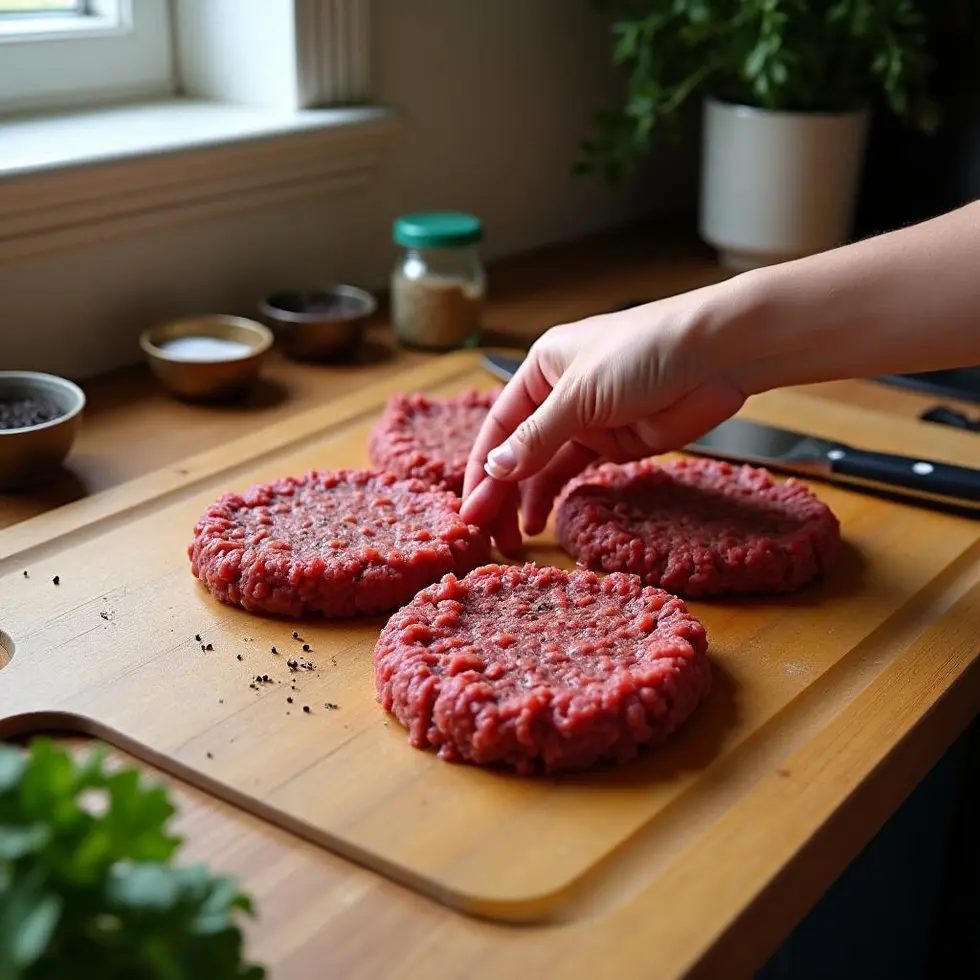
Why 80/20 Ground Beef Matters
Fat percentage controls moisture and flavor. An 80/20 blend contains 20% fat, which melts during cooking and keeps the patty tender. Leaner beef dries out and tastes bland because there’s not enough fat to carry seasoning or create a rich mouthfeel.
When you press a thumb indent into the center of each patty, you’re compensating for natural shrinkage. Burgers puff up in the middle as they cook, and the indent keeps the surface flat so the patty cooks evenly and fits the bun.
Handle the Meat as Little as Possible
Overworking ground beef compresses the protein strands and creates a dense, rubbery texture. Divide the beef into four equal portions, shape each one gently with your palms, and stop as soon as the patty holds together.
Season both sides with garlic powder, onion powder, salt, and black pepper right before cooking. Salt draws out moisture, so adding it too early can dry the meat. Waiting until the last moment preserves the tender texture.
This approach keeps the beef loose enough to stay moist while still forming a cohesive patty that won’t crumble on the grill.
How to Cook the Perfect Cheeseburger
This juicy cheeseburger recipe depends on balance between the patty, bun, sauce, and toppings in every bite.
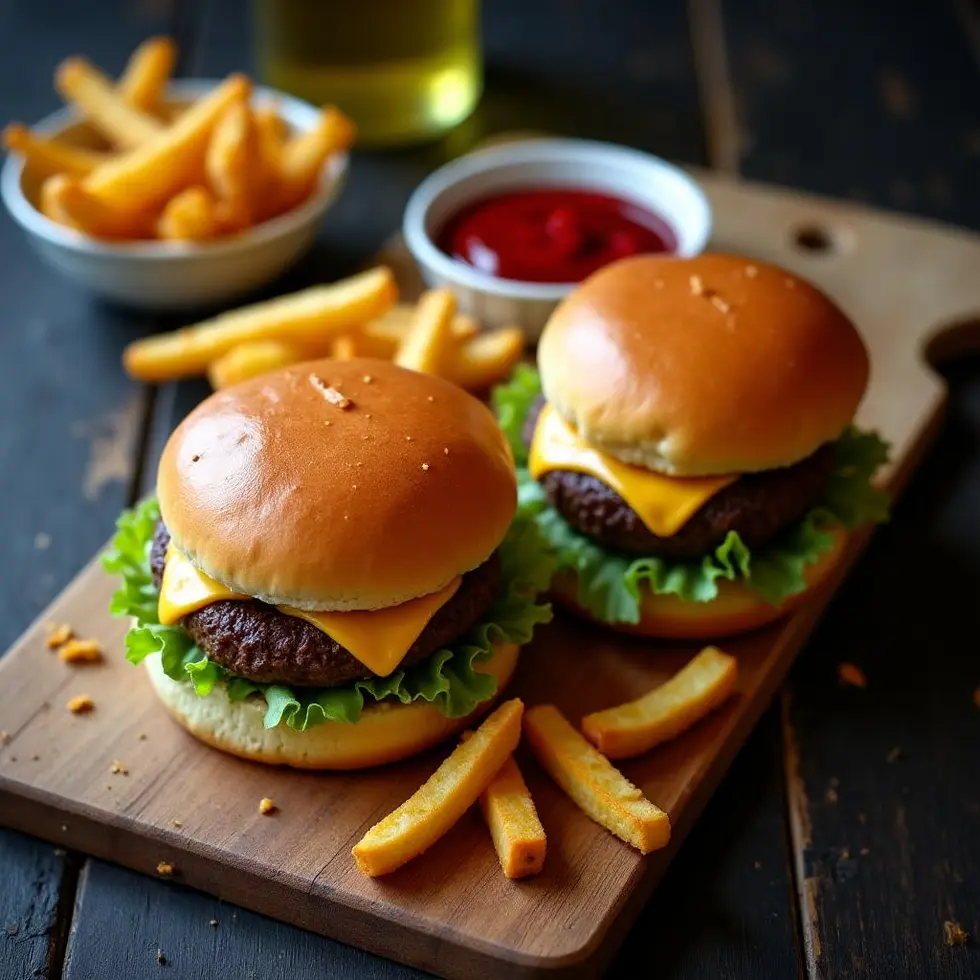
Single-Flip Rule and Crust Formation
Heat a cast iron skillet or grill over medium-high heat until it’s screaming hot. Place the patties down and resist the urge to press, poke, or move them. Let them cook undisturbed for 4 minutes on the first side.
This uninterrupted contact allows the Maillard reaction to build a caramelized crust. Flipping too early or pressing the patty squeezes out fat and moisture, leaving you with a dry, gray burger. One flip is enough.
After flipping, cook for another 3 to 4 minutes until the internal temperature reaches 160°F / 71°C. Ground beef must hit this temperature for food safety, but the 80/20 fat ratio ensures the patty stays tender even when fully cooked.
When to Add the Cheese
Place one slice of cheddar on each patty during the last 60 seconds of cooking. Cover the pan with a lid or aluminum foil to trap steam, which melts the cheese evenly without overcooking the beef.
This timing prevents the cheese from sliding off or turning rubbery. You want it soft and slightly pooled on top, not browned or separated.
Toast the burger buns cut-side down in the same pan for 1 to 2 minutes while the cheese melts, using the residual beef fat for flavor and color. This step seals the bun surface and prevents it from getting soggy when you add the sauce.
Toppings, Sauces and Burger Night Ideas
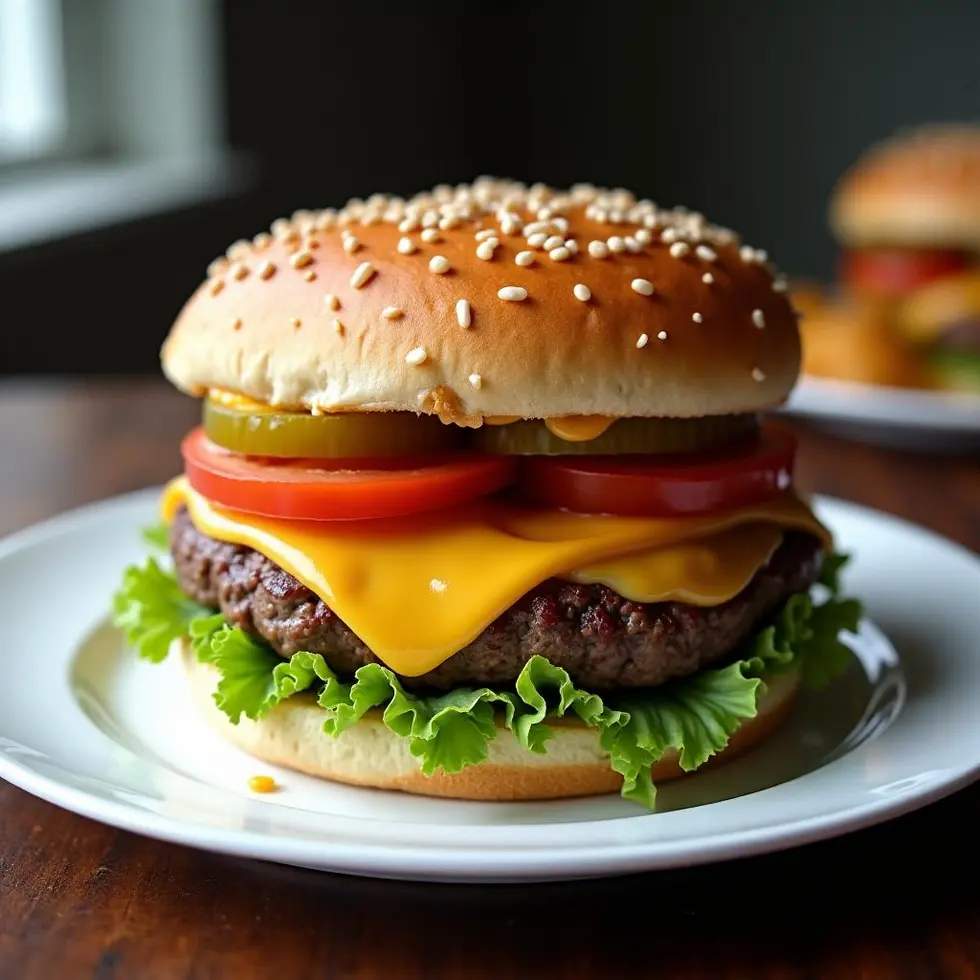
How to Assemble for Structure
Mix 3 tablespoons of mayonnaise with 2 tablespoons of ketchup to create a tangy burger sauce. Spread this on the bottom bun first, which acts as a moisture barrier between the beef and the bread.
Layer shredded lettuce next, then sliced tomato, then the cheesy patty. This order keeps the wetter ingredients away from the top bun, which is more delicate. The lettuce catches any juice that runs off the tomato, and the cheese seals the top of the patty.
Finish with the top bun and press gently to compress the stack. The sauce and melted cheese act as edible glue, holding everything in place through the first few bites.
Serving and Pairing Ideas
Serve these burgers with crispy fries, onion rings, or a simple side salad. For a fuller meal, try pairing them with cheeseburger mac and cheese for a doubled-down comfort night.
If you want to experiment with cooking methods, check out smash burger techniques that use a flatter patty and a spatula press for extra crust, or explore hamburger steak variations that skip the bun entirely.
This recipe makes 4 burgers, perfect for a quick weeknight dinner or a casual weekend cookout.
Make It Your Own
The real win here is control. You choose the fat ratio, the seasoning level, and the exact doneness. You decide how much sauce goes on, how thick the tomato slices are, and whether to add pickles, onions, or jalapeños.
Once you’ve nailed the basic method, try swapping cheddar for pepper jack, adding smoked paprika to the seasoning mix, or brushing the buns with garlic butter before toasting. The technique stays the same, but the flavor shifts every time you make it.
Frequently Asked Questions
Can I use ground beef with a different fat percentage?
You can use 85/15 or 90/10 ground beef, but the patties will be less tender and may dry out more easily. If you choose leaner beef, avoid overcooking and consider adding a small amount of olive oil to the pan to compensate for the lower fat content.
This juicy cheeseburger recipe is built around a juicy patty, balanced toppings, and a bun that can hold everything together.
How do I prevent my burgers from puffing up in the middle?
Press a shallow thumb indent into the center of each raw patty before cooking. This indent counteracts the natural shrinkage and puffing that happens as the beef cooks, keeping the surface flat and even.
Can I cook these burgers on a grill instead of a skillet?
Yes. Preheat the grill to medium-high, oil the grates lightly, and follow the same timing: 4 minutes on the first side, flip once, then 3 to 4 minutes more. Use a meat thermometer to confirm the internal temperature reaches 160°F / 71°C.
Why does my cheese slide off the burger?
Add the cheese during the last 60 seconds of cooking and cover the pan to trap steam. This melts the cheese evenly and helps it adhere to the patty. Avoid adding it too early, which can cause it to overcook and separate.
How do I keep the bottom bun from getting soggy?
Spread the sauce on the bottom bun first to create a barrier, then layer lettuce next. The lettuce acts as a buffer between the wet ingredients and the bread, keeping the bun dry and intact through multiple bites.
Juicy Cheeseburger
Ingredients
Method
- Divide the ground beef into 4 equal portions, gently shape into patties without overworking, and press a shallow indent in the center of each patty with your thumb.
- Season both sides of each patty with garlic powder, onion powder, salt, and black pepper.
- Heat a cast iron skillet or grill over medium-high heat, cook the patties for 4 minutes on the first side, flip once, and cook for 3 to 4 minutes more until the internal temperature reaches 160°F / 71°C.
- Place one cheese slice on each patty during the last 60 seconds of cooking and cover the pan to melt the cheese.
- Toast the burger buns cut-side down in the same pan for 1 to 2 minutes until golden.
- Mix the mayonnaise and ketchup together to make the burger sauce.
- Assemble each burger by spreading sauce on the bottom bun, adding lettuce, tomato, the cheesy patty, and the top bun.