
I make a batch of this most weeks because it fits into almost any meal without much thought.
This copycat Panda Express chow mein keeps the familiar restaurant-style flavor, but uses simple home-kitchen steps you can repeat on a busy weeknight.
This dish is straightforward, quick, and uses ingredients you can find at most grocery stores. You don’t need special equipment or restaurant tools. Just a large skillet or wok, a handful of fresh vegetables, and about 20 minutes from start to finish.
What makes this homemade version work so well is the combination of quick-cooking noodles, high heat, and a simple sauce that coats everything evenly. The noodles stay tender, the vegetables stay crisp, and the whole dish tastes savory without being heavy. You control the sauce ratio, the vegetable crunch, and the garlic level.
The flavor comes together fast because the noodles are pre-cooked and then tossed with the vegetables and sauce over high heat. That quick toss distributes the soy sauce, oyster sauce, and sesame oil without making the noodles soggy. You end up with balanced, savory noodles that taste like takeout but feel fresher.
Why Panda Express Chow Mein Is So Popular
The Restaurant-Style Flavor Profile
The familiar flavor most people recognize comes from the combination of soy sauce and oyster sauce. Soy sauce provides the salty backbone, while oyster sauce adds a subtle sweetness and deeper umami layer. That pairing creates the savory, slightly sweet taste that defines this style of chow mein.
Sesame oil finishes the dish with a toasted, nutty aroma. It’s added at the end rather than used for cooking, so the flavor stays distinct and doesn’t fade. Garlic powder adds a mellow garlic note without the sharpness of fresh garlic, which helps keep the flavor consistent throughout the noodles.
Why the Texture Works
The texture comes from the balance between tender noodles and crisp vegetables. The cabbage, celery, and onion are stir-fried over high heat for just 3 to 4 minutes, which softens them slightly while keeping a firm bite. That contrast between soft noodles and crunchy vegetables is what makes each forkful satisfying.
The homemade version tastes fresher because you control how long the vegetables cook. Restaurant-style chow mein can sometimes sit under heat lamps, which softens the vegetables and makes the noodles sticky. At home, you serve it immediately while the noodles are still glossy and the vegetables are bright.
This setup gives you a clear understanding of how the dish builds its flavor before you start cooking.
How to Make Copycat Chow Mein
This copycat panda express chow mein works best when the signature flavor, texture, and serving idea all support the same restaurant-style result.
Preparing the Noodles
Start by cooking the chow mein noodles in boiling water for 2 to 3 minutes until tender. Drain them immediately and rinse under cold water to stop the cooking process. This step prevents the noodles from overcooking and sticking together when you toss them in the wok later.
Rinsing also removes excess starch, which helps the noodles stay separated and glossy. If you skip this step, the noodles can clump and turn gummy when you add the sauce. Fresh chow mein noodles or yakisoba noodles work best because they cook quickly and hold their shape well under high heat.
Stir-Frying the Vegetables and Noodles
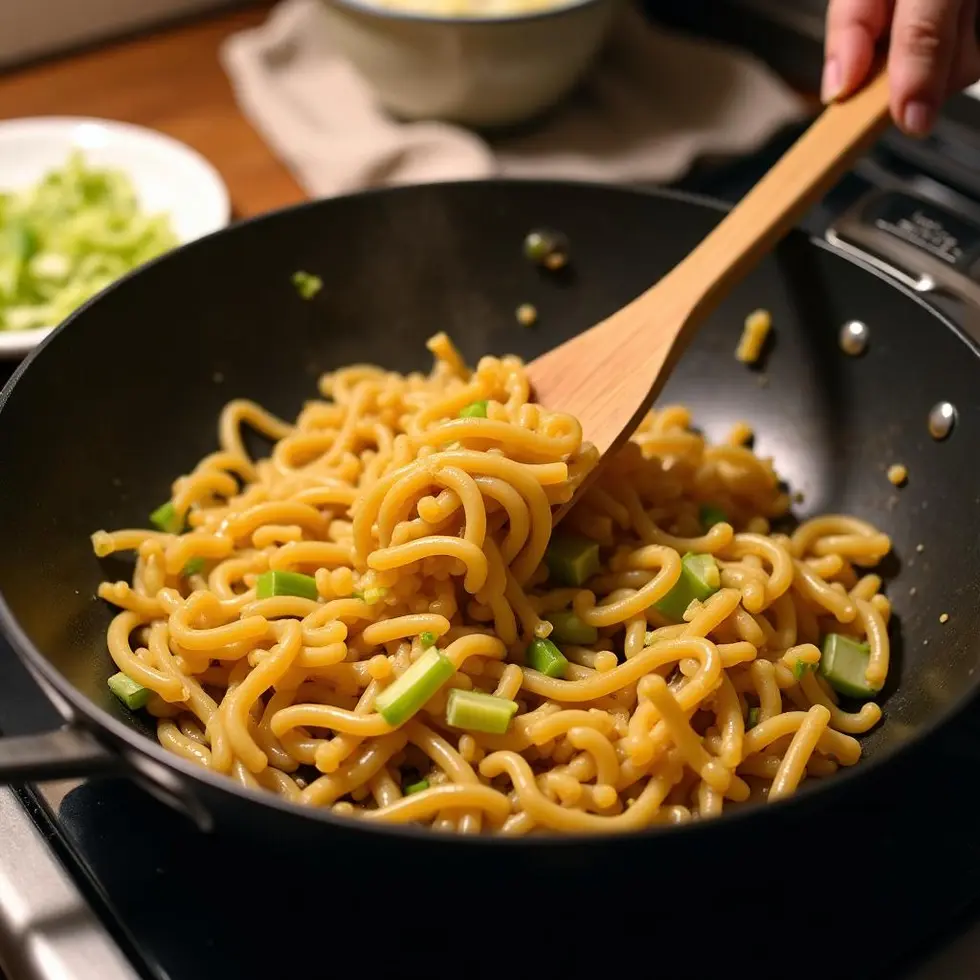
Heat 2 tablespoons of vegetable oil in a large wok or skillet over high heat until the oil shimmers. Add the cabbage, celery, and onion, then stir-fry for 3 to 4 minutes. You want the vegetables to soften slightly but still have a firm bite when you press them with a spatula.
Add the cooked noodles along with 3 tablespoons of soy sauce, 1 tablespoon of oyster sauce, 1 teaspoon of sesame oil, and 1/2 teaspoon of garlic powder. Toss everything together for 2 to 3 minutes until the noodles are evenly coated and heated through. The high heat helps the sauce cling to the noodles without making them soggy.
The reason this works is that the quick toss over high heat distributes the sauce evenly while allowing excess moisture to evaporate. If the heat is too low, the noodles absorb too much liquid and lose their texture. If you’re using a skillet instead of a wok, make sure it’s large enough to toss the noodles without crowding them.
Serve the chow mein immediately while it’s hot for the best texture and flavor.
Understanding these steps gives you confidence to adjust the timing and heat as needed.
Noodle Tips, Sides and Meal Pairings
Adjusting the Flavor and Texture
If you prefer a stronger garlic flavor, add 1 teaspoon of minced fresh garlic to the vegetables when you start stir-frying. This gives you a sharper, more pronounced garlic taste compared to garlic powder. For a spicier version, stir in 1/4 teaspoon of red pepper flakes or a drizzle of chili oil at the end.
You can also adjust the sauce ratio based on your preference. If you like saucier noodles, add an extra tablespoon of soy sauce or oyster sauce. If you prefer drier noodles, reduce the soy sauce by half a tablespoon. The noodles should look glossy but not sitting in a pool of liquid.
Serving Suggestions and Storage
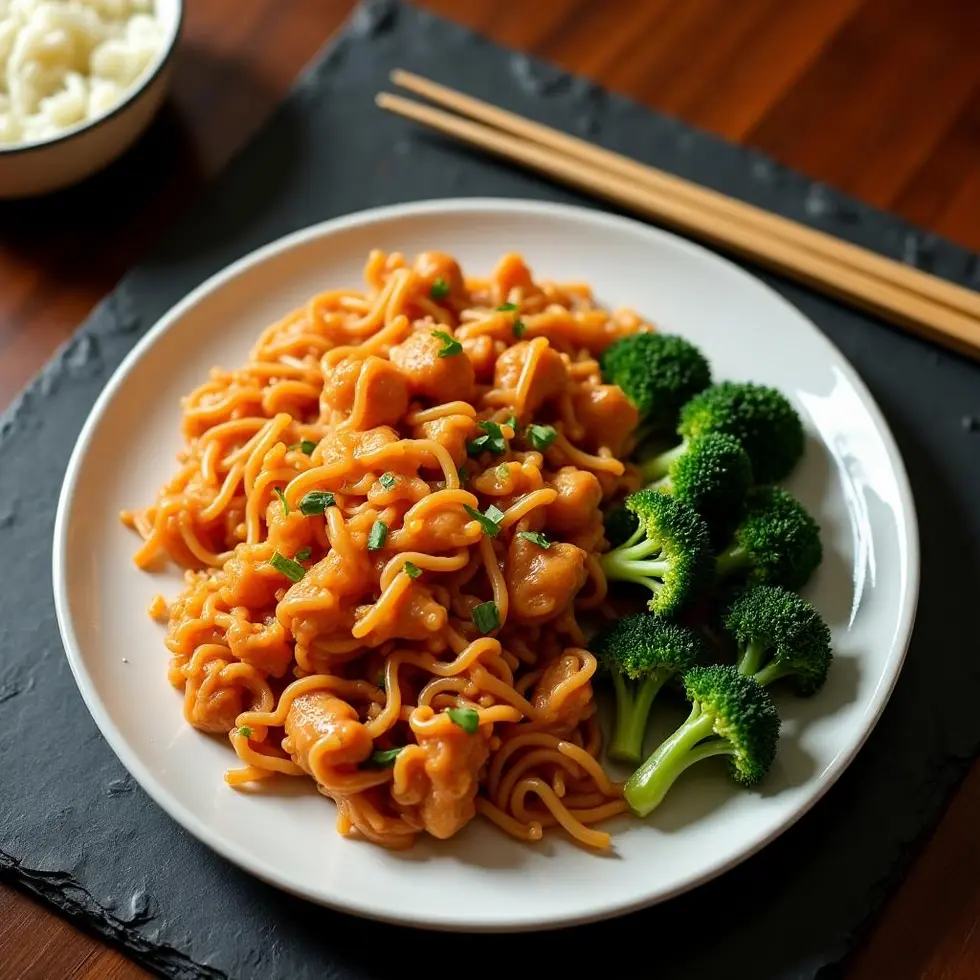
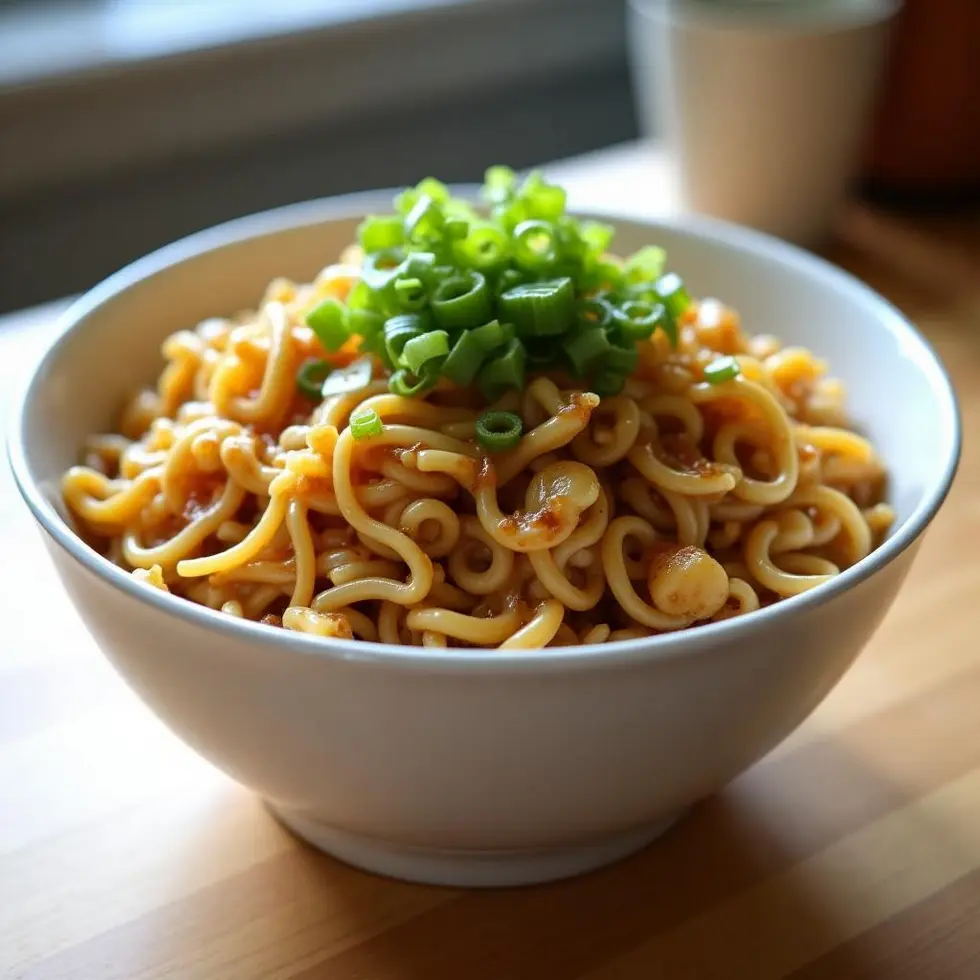
This chow mein pairs well with any restaurant-style protein. It works alongside teriyaki chicken, grilled shrimp, or stir-fried tofu. You can also add sliced green onions or toasted sesame seeds on top for extra texture and visual appeal.
If you have leftovers, store them in an airtight container in the refrigerator for up to 3 days. Reheat in a skillet over medium heat with a splash of water to loosen the noodles. Microwaving works too, but the skillet method keeps the vegetables crispier.
For more meal ideas and custom builds inspired by takeout favorites, you can pair this dish with other quick sides like steamed broccoli, egg rolls, or fried rice.
These tips help you adjust the recipe to fit your preferences and serve it confidently at any meal.
Before You Start Cooking
Make sure your wok or skillet is fully heated before adding the oil. High heat is what gives the vegetables their crisp texture and prevents the noodles from turning mushy. If the pan isn’t hot enough, the vegetables will steam instead of stir-fry, and the noodles will absorb too much sauce.
Try the recipe once as written, then adjust one detail next time. Maybe add more garlic, dial up the sesame oil, or toss in extra vegetables like bell peppers or snap peas. Small changes help you learn what works best for your taste without changing the entire dish at once.
Frequently Asked Questions
Can I use dried chow mein noodles instead of fresh?
Yes, dried chow mein noodles work well. Cook them according to the package instructions, then drain and rinse them under cold water before adding them to the wok. Dried noodles may take slightly longer to cook, usually 4 to 5 minutes instead of 2 to 3.
What if I don’t have oyster sauce?
You can substitute oyster sauce with hoisin sauce or a combination of soy sauce and a small amount of sugar. Oyster sauce provides a unique umami depth, but hoisin sauce offers a similar sweet and savory balance. Use 1 tablespoon of hoisin sauce in place of the oyster sauce.
Can I make this dish ahead of time?
You can prep the vegetables and cook the noodles a few hours ahead, but it’s best to stir-fry everything together right before serving. The noodles lose their texture if they sit too long after being tossed with the sauce. If you must make it ahead, store the noodles and vegetables separately and combine them when reheating.
Why do my noodles stick together?
This usually happens if the noodles aren’t rinsed after boiling or if the heat is too low during stir-frying. Rinsing removes excess starch, and high heat keeps the noodles moving and prevents them from clumping. Toss the noodles frequently while stir-frying to keep them separated.
Can I add other vegetables?
Yes, bell peppers, snap peas, carrots, or mushrooms all work well. Add them at the same time as the cabbage, celery, and onion. Keep the total vegetable volume similar to the original recipe so the noodles don’t get overloaded and lose their balance.
Copycat Panda Express Chow Mein
Ingredients
Method
- Cook the chow mein noodles in boiling water for 2 to 3 minutes until tender, then drain and rinse under cold water.
- Heat vegetable oil in a large wok or skillet over high heat until shimmering.
- Add cabbage, celery, and onion, then stir-fry for 3 to 4 minutes until softened but still crisp.
- Add the cooked noodles, soy sauce, oyster sauce, sesame oil, and garlic powder, then toss for 2 to 3 minutes until evenly coated and heated through.
- Serve immediately while hot for the best texture and flavor.