
I make this on weeknights when I want something satisfying without spending an hour in the kitchen.
This olive garden parmesan chicken recipe keeps the familiar restaurant-style flavor, but uses simple home-kitchen steps you can repeat on a busy weeknight.
Most home cooks think the signature flavor of restaurant-style parmesan chicken comes from a special seasoning blend. It doesn’t. What makes this dish taste the way it does is the double coating method: Italian breadcrumbs mixed with grated Parmesan form a crispy crust during pan-frying, then shredded mozzarella melts into a bubbly layer during the final bake. That combination gives you two types of cheese working at different temperatures, and it changes everything.
The homemade version tastes richer because you control the chicken thickness, which means even cooking without drying out. Pounding the breasts to half an inch ensures they cook through in exactly 4 to 5 minutes per side at medium-high heat, around 375°F. You don’t need deep frying or excessive oil—just three tablespoons in a large skillet creates enough contact heat to brown the coating and seal in moisture.
This copycat parmesan chicken gives you the same golden crust and melty cheese top you expect, but with fresher ingredients and better texture control. The chicken stays juicy because you rest it for 3 minutes after baking, letting the juices redistribute instead of running out onto the plate.
Why This Parmesan Chicken Works
The Coating Creates Two Textures
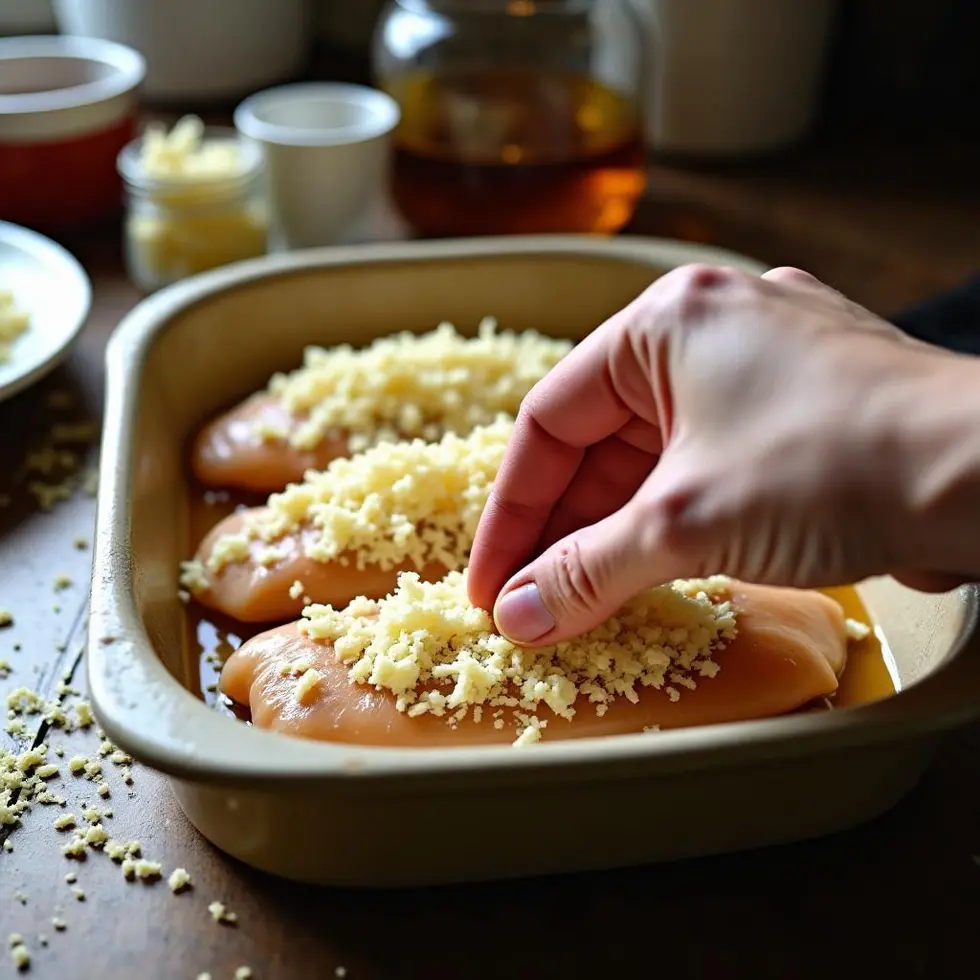
Italian breadcrumbs mixed with grated Parmesan and garlic powder form a coating that crisps quickly in hot oil. The Parmesan inside the breading caramelizes slightly during pan-frying, adding a nutty, savory edge that plain breadcrumbs can’t deliver. That layer stays crisp even after you add sauce and bake the chicken.
The egg wash isn’t just glue—it hydrates the breadcrumbs slightly so they brown evenly instead of burning in patches. Pressing the chicken into the breadcrumb mixture ensures full coverage, which prevents bare spots that would steam instead of crisp.
Pan-Frying Then Baking helps the inside stay juicy
Cooking the chicken in a skillet at medium-high heat for 4 to 5 minutes per side brings the internal temperature to 165°F, which is fully cooked. The baking step afterward isn’t about cooking the chicken further—it’s about melting the mozzarella and letting the marinara sauce warm through without making the coating soggy.
This two-stage method gives you better control than baking alone, which tends to dry out chicken breasts. The homemade version tastes juicier because you’re searing the outside first, locking in moisture before the oven ever touches it.
Tip: Use a meat thermometer to confirm 165°F at the thickest part of the breast before transferring to the oven—this prevents overcooking during the bake.
This approach mirrors how many restaurant kitchens prep their parmesan chicken: crisp it in a pan, then finish it under heat with cheese.
How to Make Olive Garden Parmesan Chicken
This olive garden parmesan chicken recipe works best when the signature flavor, texture, and serving idea all support the same restaurant-style result.
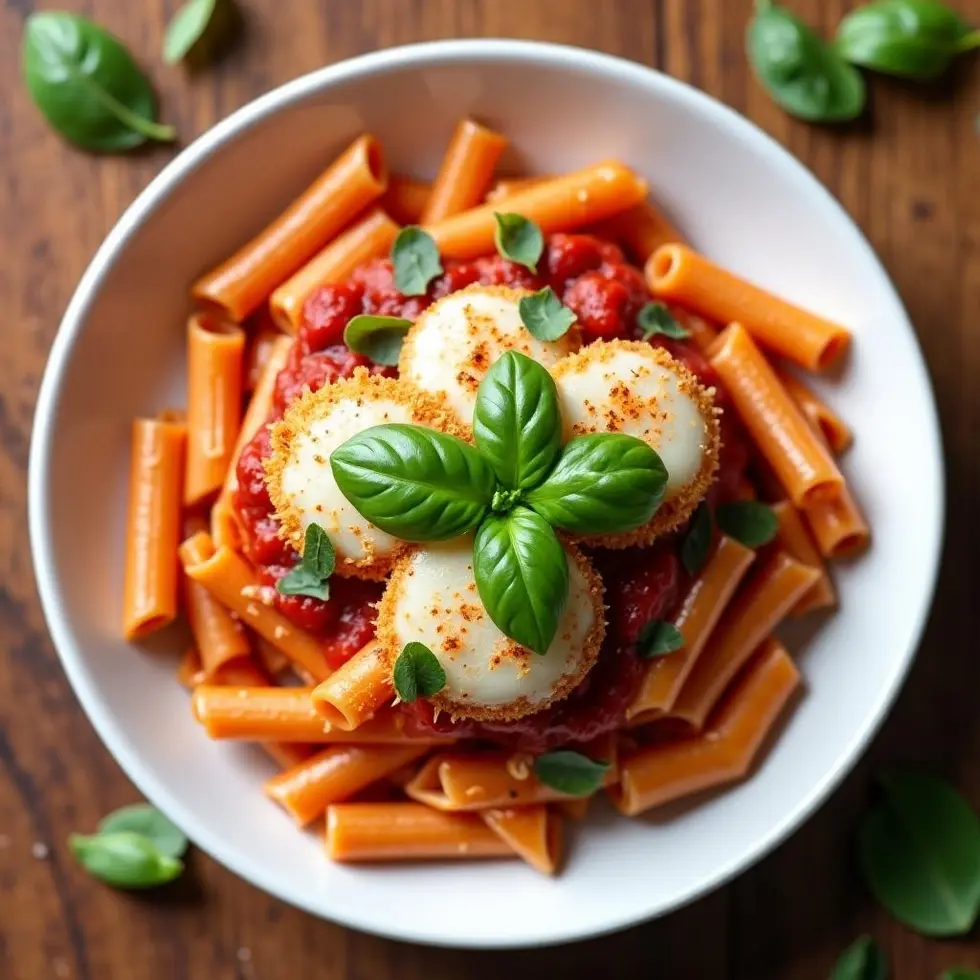
Prepare the Chicken and Coating
Pound each chicken breast to a half-inch thickness using a meat mallet or rolling pin. This step matters because it creates uniform cooking—thick spots take longer and dry out the thinner edges by the time the center is done.
Mix the Italian breadcrumbs, grated Parmesan, and garlic powder in a shallow dish. In a separate dish, beat two eggs. Dip each breast into the egg wash, then press it firmly into the breadcrumb mixture on both sides. You want an even layer with no gaps.
Pan-Fry Then Finish in the Oven
Heat three tablespoons of olive oil in a large skillet over medium-high heat. Once the oil shimmers, add the coated chicken breasts without crowding the pan. Cook for 4 to 5 minutes per side until the coating turns golden brown and the internal temperature reaches 165°F.
Preheat your oven to 400°F while the chicken cooks. Transfer the browned chicken to a baking sheet, spoon marinara sauce over each piece, and top with shredded mozzarella. Bake for 8 to 10 minutes until the cheese melts and bubbles. Rest the chicken for 3 minutes before serving—this lets the juices settle and the cheese set slightly, so it doesn’t slide off when you cut into it.
Tip: Pat the chicken dry before breading—excess moisture prevents the coating from sticking properly and creates a gummy layer instead of a crisp crust.
This technique ensures you get the same melty, bubbly cheese layer you’d find at the restaurant, but with better control over doneness. If you’re looking for other copycat dishes that use similar layering techniques, this Olive Garden chicken and gnocchi recipe also relies on building flavor through careful timing.
Pasta Pairings, Tips and Leftovers
What to Serve Alongside
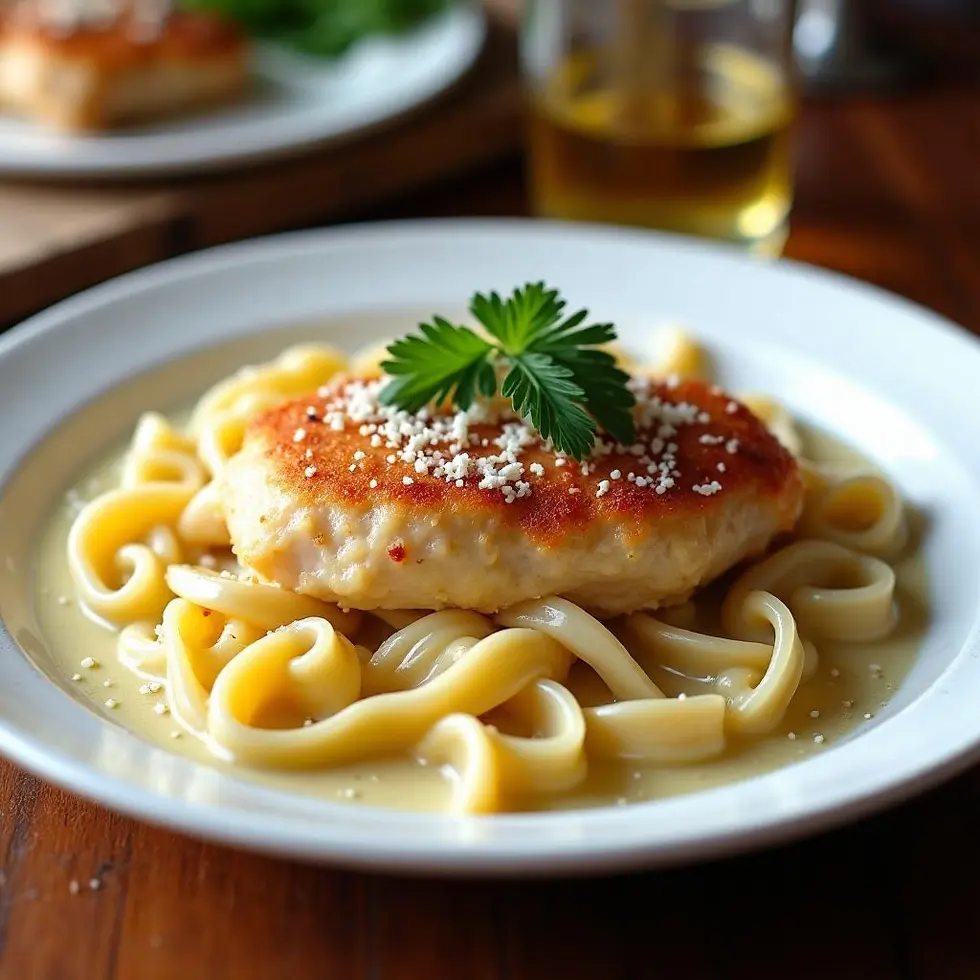
Spaghetti or fettuccine works best because the sauce from the chicken coats the pasta naturally. Toss the cooked pasta with a little extra marinara or olive oil before plating, then place the chicken on top. You can also try garlic parmesan chicken pasta for a creamier variation that uses the same coating method.
A simple green salad with Italian vinaigrette balances the richness of the cheese and breading. Garlic bread on the side adds crunch without competing with the texture of the chicken crust.
Storage and Reheating
Store leftover chicken in an airtight container in the refrigerator for up to three days. Reheat in a 350°F oven for 10 to 12 minutes to keep the coating crisp—microwaving will make it soggy.
You can prep the breaded chicken up to four hours ahead and refrigerate it before pan-frying. This makes it easier to serve fresh during dinner without rushing the coating step.
Tip: If you want a spicier version, add half a teaspoon of red pepper flakes to the breadcrumb mixture before coating—it adds warmth without overpowering the Parmesan flavor.
This approach gives you the flexibility to adjust portions or make extra for meal prep, which is harder to control when ordering out.
Worth Knowing Before You Cook
The difference between dry and juicy parmesan chicken comes down to timing and temperature. If you skip the thermometer and guess when the chicken is done, you’ll either undercook it or dry it out. Medium-high heat in the skillet creates the right balance: hot enough to crisp the coating in under 10 minutes total, but not so hot that the breading burns before the chicken cooks through.
Make this once and you’ll notice how much better the homemade version holds up compared to takeout. The coating stays crisp longer because it’s cooked fresh, not steamed in a container. The cheese melts exactly the way you want it, and the chicken stays tender because you control every step. Test the three-minute rest after baking—you’ll see how much juice stays in the chicken instead of pooling on the plate.
Frequently Asked Questions
Can I use chicken thighs instead of breasts?
Yes, boneless skinless chicken thighs work well with this coating method. They cook slightly faster and stay more forgiving if you overcook them by a minute or two. Use the same 165°F internal temperature check to ensure they’re fully cooked before baking.
Do I need to use Italian breadcrumbs?
Italian breadcrumbs contain dried herbs and a finer texture that crisps better than plain breadcrumbs. If you only have plain breadcrumbs, add half a teaspoon of dried basil and oregano to the mixture to replicate the flavor. Panko breadcrumbs will create a thicker, crunchier crust but may brown faster.
Can I bake the chicken instead of pan-frying it first?
Baking alone won’t give you the same golden crust. The pan-frying step creates direct contact heat that crisps the breading and seals the surface. If you bake from raw, the coating will dry out before it browns properly, and the chicken will release moisture that makes the breading soggy.
How do I keep the cheese from sliding off?
Let the chicken rest for three minutes after baking. The cheese will set slightly as it cools, which helps it cling to the sauce and chicken. Avoid cutting into the chicken immediately—resting also keeps the juices from running out.
Can I make this ahead and reheat it?
You can bread the chicken up to four hours ahead and refrigerate it before cooking. Once cooked, store leftovers in the fridge for up to three days and reheat in a 350°F oven for 10 to 12 minutes to restore the crisp coating.
Chicken Parmesan
Ingredients
Method
- Mix the breadcrumbs, Parmesan cheese, and garlic powder in a shallow dish.
- Dip each chicken breast in beaten eggs, then press into the breadcrumb mixture to coat both sides evenly.
- Heat olive oil in a large skillet over medium-high heat and cook the chicken for 4 to 5 minutes per side until golden brown and cooked to 165°F / 74°C.
- Preheat the oven to 400°F / 200°C, place the cooked chicken on a baking sheet, spoon marinara sauce over each piece, and top with mozzarella cheese.
- Bake for 8 to 10 minutes until the cheese is melted and bubbly.
- Rest for 3 minutes before serving to let the juices settle and the cheese set.