
I make a batch of this most weeks because it fits into almost any meal without much thought.
This breakfast sandwich keeps the familiar restaurant-style flavor, but uses simple home-kitchen steps you can repeat on a busy weeknight.
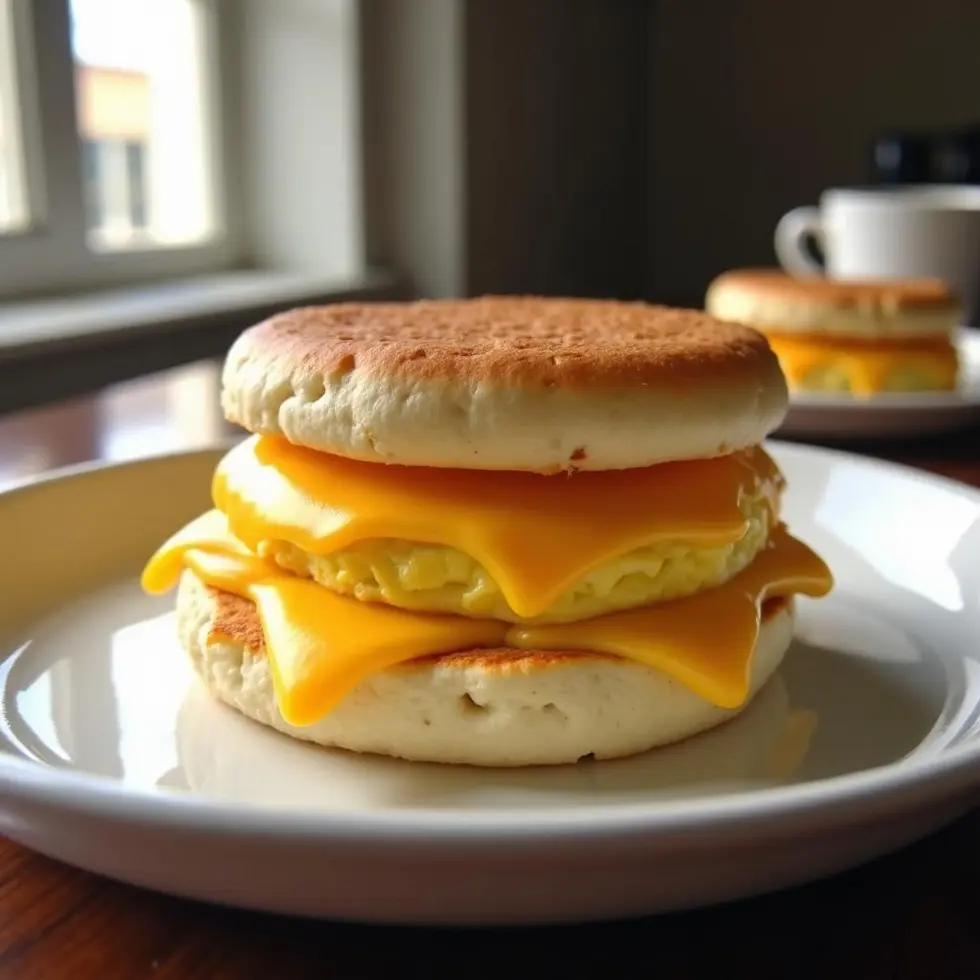
Toasted English muffins with a golden, crisp edge. Eggs cooked until the whites just set, the yolks still soft enough to break when you bite through. A slice of American cheese melting over the surface while the skillet is still warm. Butter spread on both halves, shiny and fragrant.
What makes this homemade version taste richer is the control you have over temperature and timing. Most fast-food versions use precooked eggs that sit under heat lamps, which dries out the texture. When you cook eggs in butter over medium heat and flip them at exactly 2 to 3 minutes, the whites stay tender and the yolk remains creamy. The cheese melts into the surface of the egg instead of sitting cold on top.
This easy breakfast sandwich recipe takes 15 minutes from start to finish and serves two people generously. You can double the batch, wrap extras in foil, and reheat them in the oven for a quick breakfast later in the week.
Why You’ll Love This Breakfast Sandwich
The Homemade Version Tastes Fresher
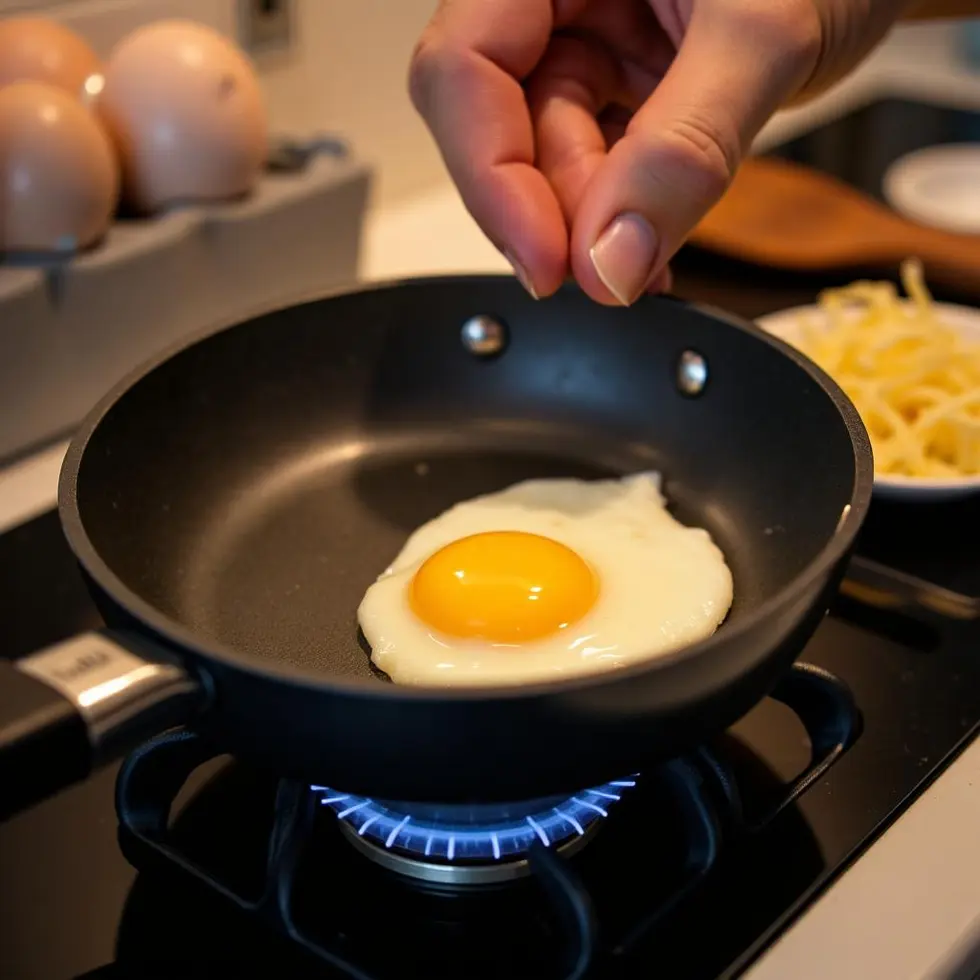
Restaurants often cook eggs in bulk and hold them warm, which changes the texture. At home, you crack each egg directly into the skillet and cook it for exactly 2 to 3 minutes until the whites set but the yolk stays soft. The difference is noticeable the moment you bite through.
American cheese slices melt better than cheddar or Swiss because of their higher moisture content and emulsifiers. When you place the cheese on the egg during the last 30 seconds of cooking, it melts evenly without separating into greasy pools. That’s the same technique diners rely on for smooth, creamy cheese that clings to every bite.
Quick Enough for Busy Mornings
The entire process takes 15 minutes, including toasting the muffins and cooking the eggs. Most of that time is hands-off. While the muffins toast, you can heat the skillet and prep the butter. Once the eggs hit the pan, you only need to watch them for about 3 minutes total before flipping.
One helpful tip: toast the English muffins in the skillet instead of a toaster if you want extra control over browning. Heat a dry skillet over medium heat, place the muffin halves cut-side down, and toast for 2 minutes until golden. This method also warms the muffin through, which keeps the sandwich warmer longer after assembly.
If you enjoy other quick morning options, you might also like this bagel with cream cheese breakfast that takes even less time.
Simple Fillings And Topping Options

How to Customize the Base Recipe
The recipe uses English muffins, eggs, American cheese, butter, salt, and black pepper. You can swap the English muffin for a toasted bagel, ciabatta roll, or whole wheat bread without changing the cooking method. Each option changes the texture slightly—bagels add chew, ciabatta adds airiness, and whole wheat adds a nutty flavor.
For the cheese, try sharp cheddar if you prefer a stronger flavor, or provolone if you want something milder. Both melt well when placed on the hot egg during the last 30 seconds of cooking. Avoid pre-shredded cheese, which contains anti-caking agents that prevent smooth melting.
Add-Ons That Work Well
Sliced tomato, fresh spinach, or arugula can be layered on top of the cheese before you close the sandwich. These add freshness without making the sandwich soggy. If you want something heartier, try adding a sweet component like maple syrup, which balances the salty cheese and buttery muffin.
A thin spread of hot sauce, Dijon mustard, or even a spoonful of salsa can replace the butter on the top muffin half if you prefer a spicier profile. Just use about half a teaspoon so it doesn’t drip out when you bite through.
One practical tip: if you’re making sandwiches for a crowd, cook all the eggs first, then assemble everything at once. Keep the cooked eggs warm by covering them loosely with foil while you finish toasting the muffins. This keeps the workflow smooth and prevents any part from cooling down too much before serving.
Serving this with simple sides makes it feel more complete—here are some easy side ideas that pair well without adding much time.
How To Make A Breakfast Sandwich Step By Step
Toasting and Cooking the Eggs
Start by splitting the English muffins and toasting them until golden and crisp. This takes about 2 minutes in a toaster or skillet. While they toast, heat 1 tablespoon of butter in a nonstick skillet over medium heat until it melts and starts to foam. The foaming stage means the butter has reached the right temperature—hot enough to cook the eggs without browning too fast.
Crack the eggs directly into the skillet, season each one with a pinch of salt and black pepper, and let them cook undisturbed for 2 to 3 minutes. You’ll know they’re ready to flip when the whites are fully set and no longer translucent. Flip each egg carefully and cook for 1 more minute. This timing keeps the yolk soft but not runny, which is ideal for sandwiches that need to hold together.
Melting the Cheese and Assembly
During the last 30 seconds of cooking, place one slice of American cheese on each egg. The residual heat from the skillet melts the cheese evenly across the surface. This technique works because the cheese doesn’t need direct heat—just enough warmth to soften and cling to the egg.
Spread the remaining tablespoon of butter on the toasted muffin halves while they’re still warm. The butter will melt slightly into the muffin’s nooks, which adds flavor and keeps the bread moist without making it soggy. Place one egg with melted cheese on each bottom half, then top with the remaining muffin halves.
One helpful tip: serve the sandwiches immediately while the cheese is still soft and the egg is warm. If you need to hold them for a few minutes, wrap each sandwich loosely in foil to trap heat without steaming the muffin. Avoid wrapping them too tightly, which can make the bread rubbery.
Understanding why the timing matters helps you adjust the recipe to your preference. Cooking the eggs for exactly 2 to 3 minutes before flipping ensures the whites set fully without overcooking the yolk. Flipping too early leaves raw whites, and flipping too late makes the yolk firm. The visual cue to watch for is when the edges of the whites turn opaque and pull away slightly from the skillet.
Before You Serve
If you’re making these ahead, cook the eggs and toast the muffins, then let everything cool completely before wrapping each sandwich individually in foil. Reheat them in a 350°F oven for 10 minutes, which warms them through without drying out the egg or making the muffin tough. This method works better than microwaving, which can make the egg rubbery.
Try adding a thin layer of fresh spinach or a slice of ripe tomato next time you make this. Both add texture and color without changing the cooking method, and they fit naturally between the egg and the top muffin half.
Frequently Asked Questions
Can I use a different type of cheese?
Yes, sharp cheddar, provolone, or Swiss all work well. American cheese melts the smoothest because of its emulsifiers, but other cheeses add more flavor depth. Place the cheese on the hot egg during the last 30 seconds of cooking for the best melt.
How do I keep the yolk from breaking when I flip the egg?
Use a wide, thin spatula and slide it fully under the egg before lifting. Flip gently in one smooth motion rather than trying to adjust mid-flip. Cooking the egg over medium heat instead of high heat also helps the whites set evenly, which makes flipping easier.
Can I make these sandwiches ahead and freeze them?
Yes. Assemble the sandwiches, let them cool completely, then wrap each one tightly in plastic wrap and foil. Freeze for up to one month. Reheat from frozen in a 350°F oven for 20 minutes, or microwave for 90 seconds on 50% power.
What can I serve with this breakfast sandwich?
Fresh fruit, hash browns, or a simple side salad all pair well. Crispy potato wedges or roasted sweet potato rounds add a savory contrast without much extra effort.
Why does my cheese sometimes separate into greasy pools?
This happens when the cheese gets too hot too fast. American cheese melts more smoothly than aged cheeses because of its moisture content and stabilizers. If you use cheddar or Swiss, remove the skillet from heat before adding the cheese and let it melt from residual warmth instead of direct heat.
Breakfast Sandwich
Ingredients
Method
- Toast the English muffin halves in a toaster or skillet until golden and crisp.
- Heat 1 tablespoon butter in a nonstick skillet over medium heat until melted and foaming.
- Crack the eggs into the skillet, season with salt and black pepper, and cook for 2 to 3 minutes until whites are set, then flip and cook for 1 minute more.
- Place one cheese slice on each egg during the last 30 seconds of cooking to melt.
- Spread the remaining butter on the toasted muffin halves, then place one egg with melted cheese on each bottom half.
- Top with the remaining muffin halves and serve immediately while warm.
