
Watching baking soda react with buttermilk while whisking this batter taught me exactly why these pancakes rise so much taller than standard recipes.
Most home cooks run into trouble when they don’t have buttermilk on hand. You can use regular milk mixed with a tablespoon of lemon juice or white vinegar per cup, left to sit for five minutes until it thickens slightly. The acidic environment still activates the baking soda, though the tang won’t be quite as pronounced.
This homemade version delivers the same pillowy texture and golden surface you expect from the restaurant, using ingredients you likely already stock in your pantry. The combination of baking powder and baking soda creates the lift, while buttermilk adds richness and helps develop that characteristic tender crumb.
You’ll have fresh pancakes on the table in 25 minutes, with better control over thickness, sweetness, and portion size than ordering out. The griddle temperature and gentle mixing technique matter more than any single ingredient swap.
Why IHOP Pancakes Are So Fluffy
The Double Leavener System
This recipe uses both baking powder and baking soda, which is what gives these pancakes their signature height. Baking powder provides an initial rise when the batter hits the hot griddle, while baking soda reacts with the acidic buttermilk to create additional lift and a tender interior. Most standard fluffy pancake recipes rely on one or the other, but the combination creates more air pockets and a lighter texture.
The ratio here matters: two teaspoons of baking powder to one teaspoon of baking soda balances the rise without leaving a metallic aftertaste. Too much baking soda turns pancakes bitter, while too little means they cook up dense and flat.
Buttermilk Makes the Difference
Buttermilk does more than add tang. Its acidity weakens the gluten structure in the flour, which prevents the pancakes from turning tough or chewy. This is why the homemade version tastes richer and softer than pancakes made with plain milk, even when both use the same amount of fat.
If you’re working with the lemon juice substitute mentioned earlier, expect a slightly less tangy flavor but similar texture. The acid is the crucial element, not the dairy culture itself. Whole milk creates a richer result than skim or low-fat versions.
Why You Should Leave Lumps in the Batter
Overmixing activates gluten and produces tough, rubbery pancakes. The batter should look slightly lumpy after you fold the wet ingredients into the dry. Those small pockets of flour will hydrate as the batter rests for a minute or two, and they won’t affect the final texture.
Stirring until completely smooth guarantees flat, dense pancakes. Stop mixing as soon as you no longer see dry flour streaks. The first pancake off the griddle will show you whether you’ve achieved the right balance—if it’s thin and dense, you overmixed.
The griddle temperature also plays a role, which becomes even more apparent once you start cooking the batter.
How to Make Copycat Pancakes
Getting the Griddle Temperature Right
Heat your griddle or nonstick pan to 350°F, which is medium heat on most stovetops. If you don’t have a thermometer, flick a few drops of water onto the surface—they should sizzle and evaporate within two seconds. Too hot, and the pancakes brown before the centers cook through. Too cool, and they turn pale and rubbery.
Lightly grease the surface with butter or neutral oil, wiping away any excess with a paper towel. A thin film prevents sticking without creating greasy edges. Reapply a small amount between batches if the pancakes start to stick.
Pour and Watch for Bubbles
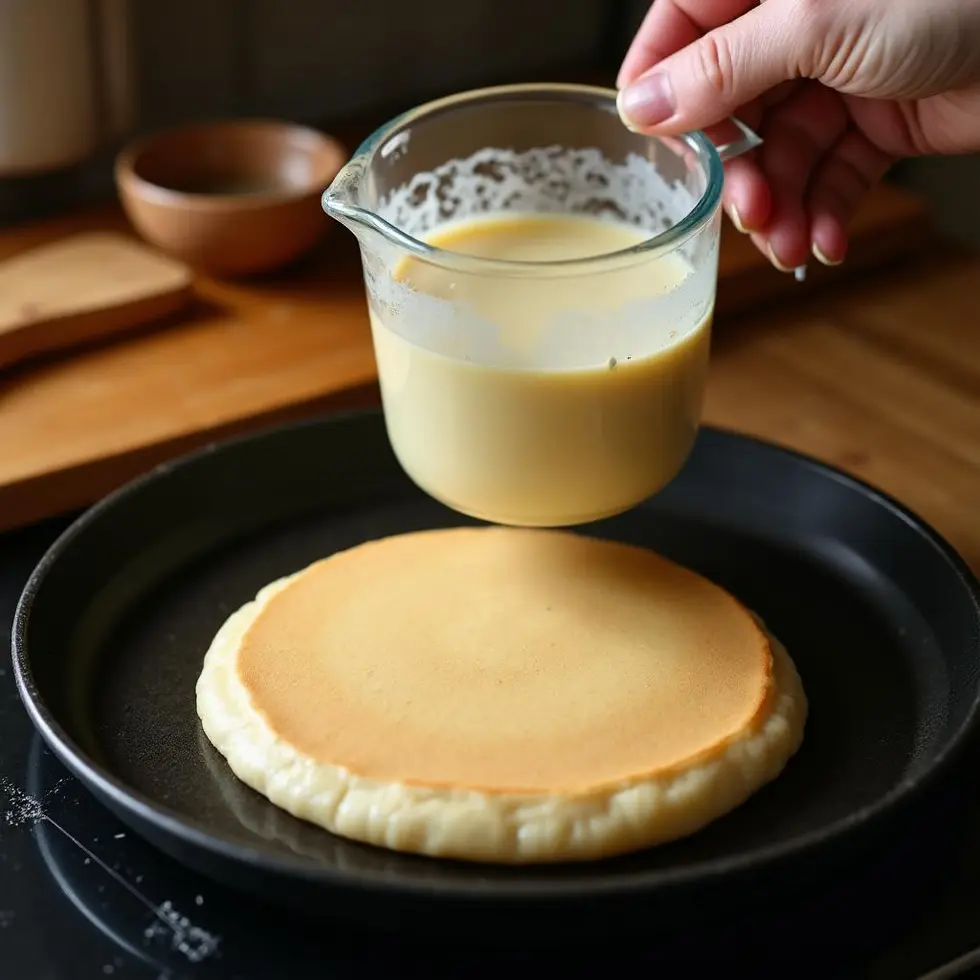
Use a 1/4 cup measure to pour batter onto the griddle, spacing pancakes at least two inches apart. The batter should spread into a circle about four inches wide. Within two to three minutes, you’ll see bubbles form across the surface and the edges will look dry and set.
This is your visual cue to flip. If you flip too early, the center stays raw. Wait until most of the bubbles have popped and the uncooked surface looks matte rather than wet. The first side should be golden brown with a few darker spots.
The Second Side Cooks Faster
After flipping, the second side needs only one to two minutes. It won’t develop as many bubbles because the batter is already partially cooked. Press gently on the center with your spatula—if it springs back, the pancake is done. If it feels squishy or wet, give it another 30 seconds.
According to Inspired Taste, resting the batter for a few minutes before cooking can improve texture, though it’s not required for this recipe. Stack finished pancakes on a plate and cover loosely with foil to keep them warm while you finish the batch.
Once you’ve mastered the cooking technique, you can adjust toppings and storage methods to fit your routine.
Toppings, Freezing and Reheating Tips
Classic and Creative Topping Ideas
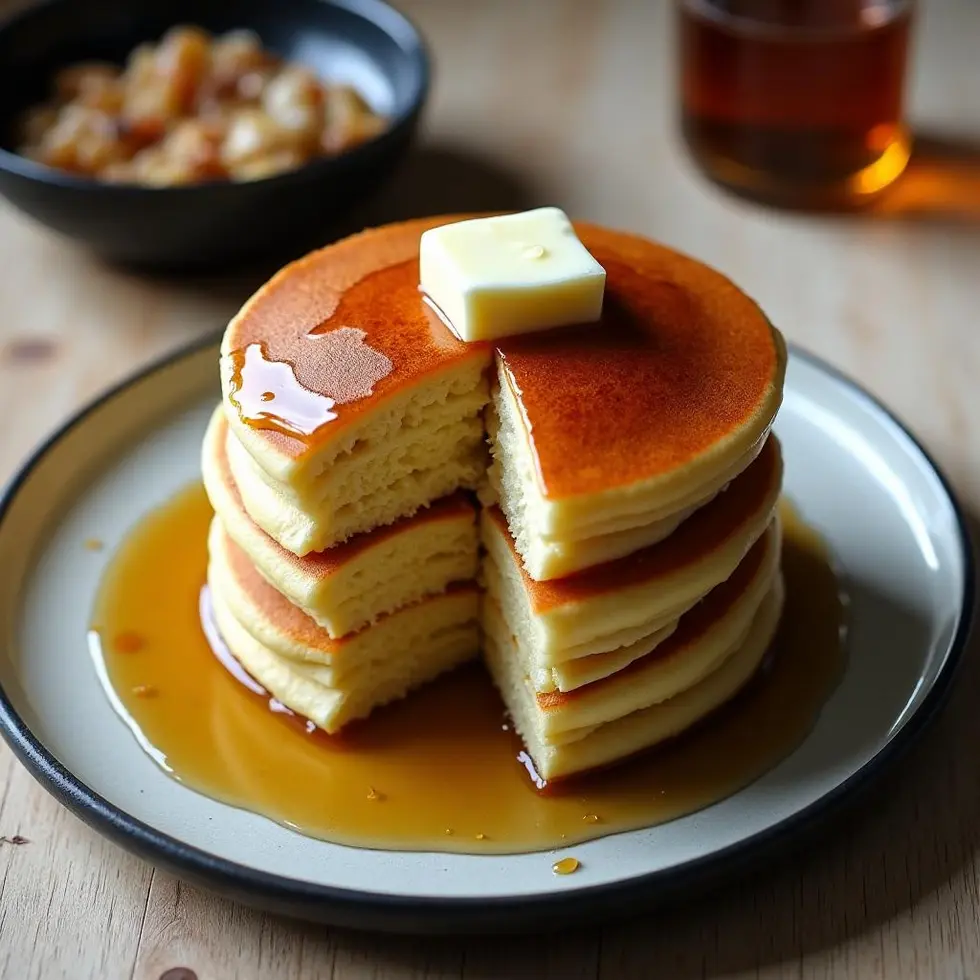
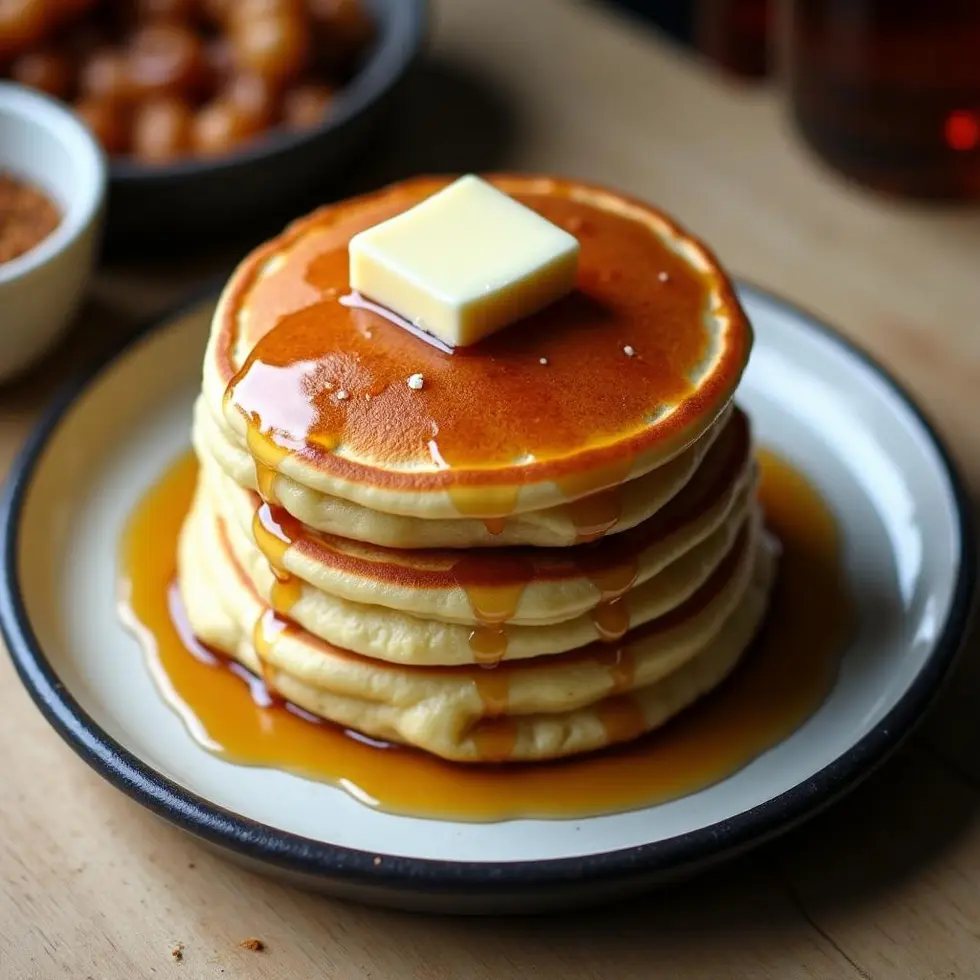
Butter and maple syrup are the standard, but you can also top these pancakes with fresh berries, whipped cream, sliced bananas, or a dusting of powdered sugar. For a richer option, try a drizzle of warm peanut butter or a dollop of Greek yogurt with honey.
If you want to replicate the experience from the IHOP breakfast menu, serve them with a side of scrambled eggs and turkey sausage. The fluffy texture pairs well with savory sides, and the mild sweetness in the pancakes balances saltier breakfast proteins.
Freezing for Meal Prep
Let pancakes cool completely on a wire rack, then stack them with a small piece of parchment paper between each one. Place the stack in a freezer-safe bag, pressing out as much air as possible. They’ll keep for up to two months.
Reheat frozen pancakes directly in the toaster on medium heat, or microwave for 30 to 45 seconds. The toaster method restores a bit of the surface crispness, while the microwave is faster but leaves them softer. Avoid reheating in a skillet unless you add a small amount of butter, or they’ll dry out.
Adjusting Sweetness and Portion Size
The recipe uses two tablespoons of sugar, which creates a mildly sweet base. If you prefer less sweetness, reduce it to one tablespoon—the buttermilk and vanilla still provide plenty of flavor. For a sweeter pancake, increase to three tablespoons, though anything beyond that starts to interfere with browning.
Each 1/4 cup pour makes one standard pancake. For larger diner-style pancakes, use 1/3 cup of batter and increase the first-side cooking time by about 30 seconds. Smaller silver-dollar pancakes cook faster and are easier to flip, but you’ll need to adjust the timing to 60 to 90 seconds per side.
Freezing extra pancakes means you can pull out just what you need on busy mornings without reheating an entire batch.
As written, these copycat ihop pancakes serves 4; scale the seasoning with the batch.
Batter Consistency Decides Everything
The batter should be thick enough to hold its shape when poured but still flow slowly off the spoon. If it’s too thick, the pancakes will be dense and won’t spread properly on the griddle. Thin it with a tablespoon of buttermilk at a time until it reaches the right consistency.
If the batter is too thin, the pancakes will spread too wide and cook up flat. Whisk in a tablespoon of flour at a time to thicken it, though this is rarely necessary if you measure the flour correctly. Spooning flour into the measuring cup and leveling it off prevents you from adding too much, which is the most common cause of thick, heavy batter.
Frequently Asked Questions
Can I make this batter the night before?
You can mix the dry ingredients and wet ingredients separately the night before, then combine them in the morning. Avoid mixing the full batter ahead of time, as the leavening agents will start reacting immediately and lose their strength. The pancakes won’t rise as high if the batter sits for more than 15 minutes.
Why are my pancakes turning out flat?
Flat pancakes usually result from expired baking powder or baking soda, overmixing the batter, or cooking at too low a temperature. Check the expiration date on your leavening agents, stir the batter only until just combined, and make sure your griddle reaches 350°F before you start cooking.
Can I use a different type of milk?
Regular milk won’t activate the baking soda the same way buttermilk does, so the pancakes will be less fluffy and slightly denser. If you don’t have buttermilk, mix one cup of milk with one tablespoon of lemon juice or white vinegar and let it sit for five minutes. This creates the acidity needed for proper lift.
How do I prevent pancakes from sticking to the griddle?
Use a nonstick pan or a well-seasoned griddle, and grease the surface lightly with butter or oil before each batch. Too much grease causes uneven browning, while too little causes sticking. Wipe the surface with a paper towel after greasing to leave only a thin film.
Copycat IHOP Pancakes
Ingredients
Method
- Whisk together flour, sugar, baking powder, baking soda, and salt in a large bowl.
- In a separate bowl, whisk buttermilk, eggs, melted butter, and vanilla extract until smooth.
- Pour the wet ingredients into the dry ingredients and stir gently until just combined with small lumps remaining.
- Heat a lightly greased griddle or nonstick pan over medium heat to 350°F / 175°C.
- Pour 1/4 cup batter per pancake onto the griddle and cook for 2 to 3 minutes until bubbles form and edges look set.
- Flip and cook for 1 to 2 minutes more until golden brown and cooked through.
- Serve warm with butter and maple syrup.
