
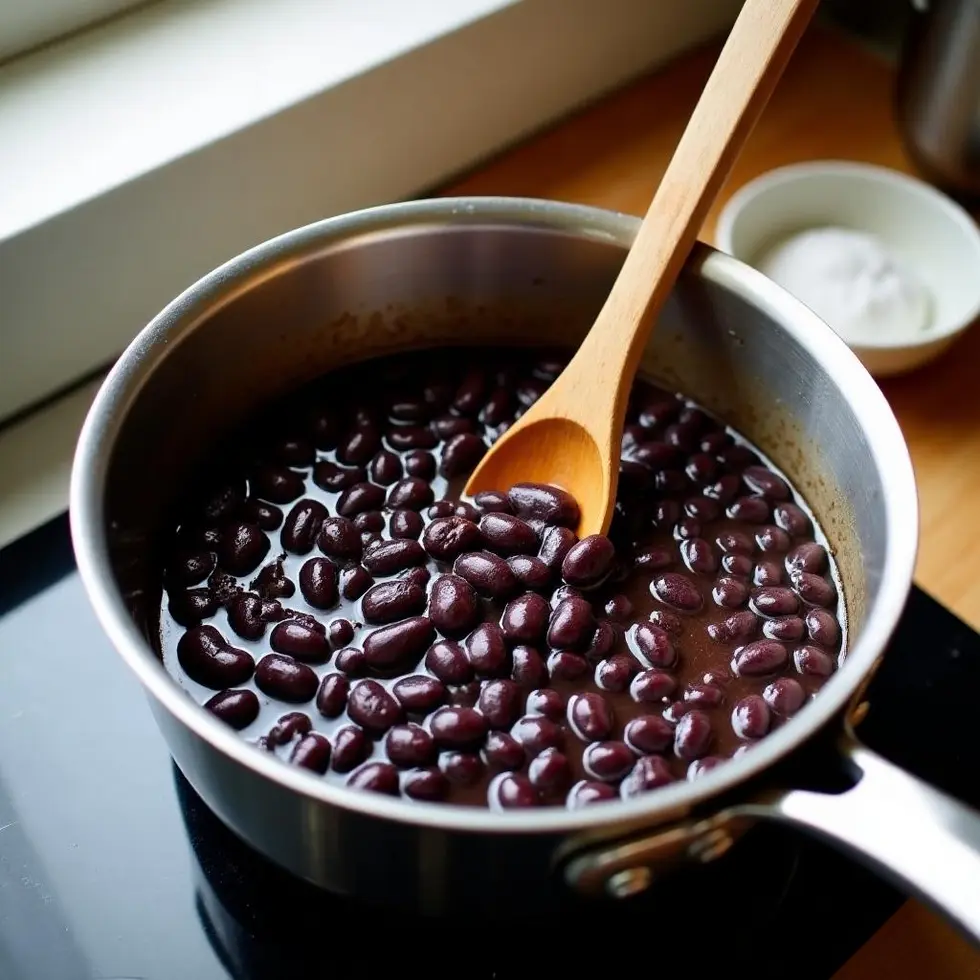
Mashing one-quarter of the beans after they simmered turned the thin cooking liquid into something thick enough to coat the back of the spoon.
Start with the cooked black beans, drained and rinsed; the rest of this Chipotle black beans copycat follows quickly.
The restaurant-style texture you recognize in burrito bowls depends on partial mashing during the final minutes of cooking. That step breaks down just enough starch to bind the liquid without turning the beans into mush. The homemade version gives you better control over the creamy-to-whole bean ratio, and you can adjust salt and cumin before the mixture cools and firms up.
Active time stays under 5 minutes since you start with cooked beans. The entire process takes 20 minutes, and the beans hold their shape while developing a sauce that clings to rice and grilled vegetables without pooling at the bottom of the bowl.
Why These Beans Work in Bowls
The Spice Blend Creates Familiar Warmth
Restaurant-style beans often rely on a combination of cumin, garlic powder, and oregano to build layered flavor without overwhelming the natural earthiness of black beans. Ground cumin provides warmth, while garlic and onion powder dissolve quickly into the cooking liquid and distribute evenly. Dried oregano adds a subtle herbaceous note that complements the beans without tasting Mediterranean.
Using ground spices instead of fresh aromatics means you skip the step of sweating onions or toasting whole cumin seeds. The result is consistent seasoning in every bite, which matters when you’re building a bowl with multiple components.
Partial Mashing Builds Body
Mashing one-quarter of the beans after they simmer releases starch granules that thicken the cooking liquid into a sauce. The texture becomes creamy without losing the satisfying pop of whole beans. According to Parade’s Cuban black beans guide, this technique prevents the watery consistency that happens when beans sit in plain cooking liquid.
Mash the beans directly in the pot with the back of a wooden spoon or a potato masher. You want some beans to stay intact so the dish holds visual interest and varied texture in every spoonful.
Lime Juice Balances Starch
Stirring in lime juice after you remove the pan from heat brightens the flavor and cuts through the starchy richness of the beans. Acid also sharpens the cumin and oregano, making the spices taste more pronounced without adding more. Add the lime juice at the end to preserve its fresh citrus aroma, which fades quickly under sustained heat.
The cooking liquid reduces enough during the simmer that the beans stay moist without becoming soupy, and the lime juice ties the seasoning together.
How to Make Chipotle Black Beans
Start With Drained Cooked Beans
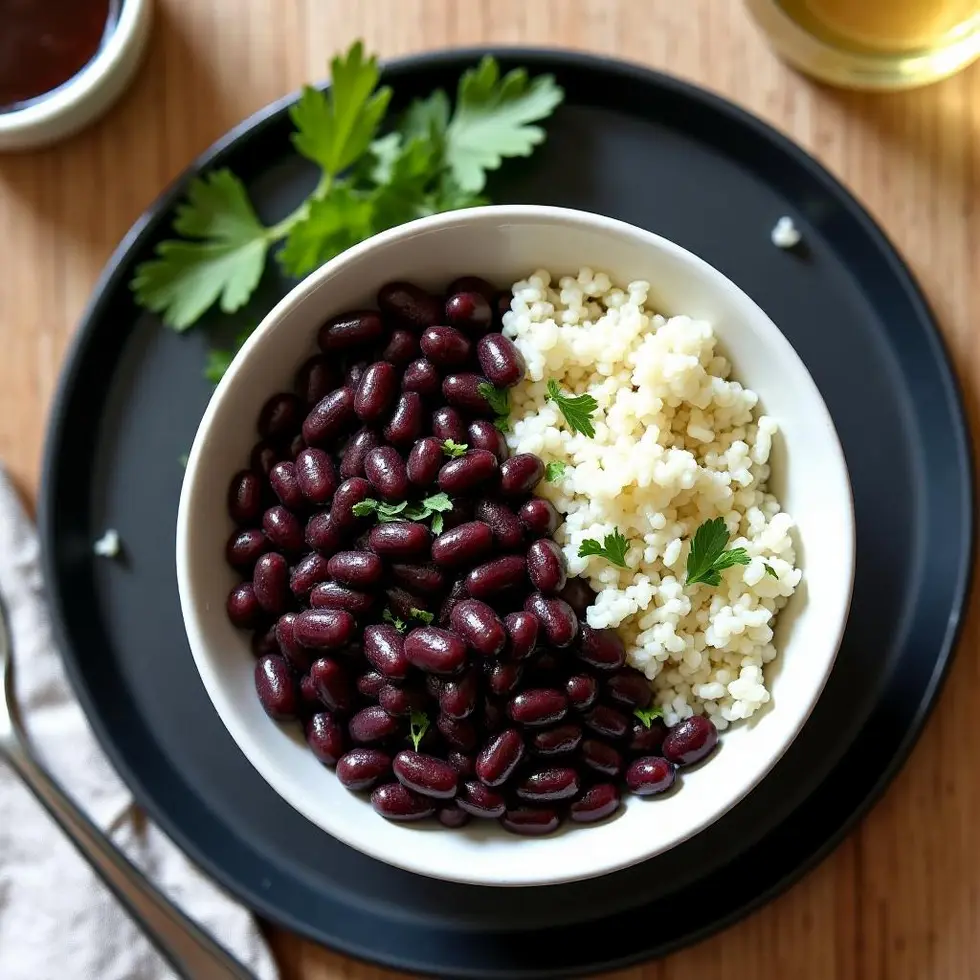
Use canned black beans or beans you cooked ahead and stored in the refrigerator. Drain and rinse them to remove excess sodium and the thick starchy liquid that can make the final dish taste flat. Two cups of drained beans yield four generous side servings or enough to fill two large burrito bowls.
Cold beans from the refrigerator take an extra minute to heat through, but they won’t affect the final texture as long as you bring the mixture to a steady simmer.
Simmer Until the Liquid Reduces
Combine the beans, water, cumin, garlic powder, onion powder, oregano, and salt in a medium saucepan over medium heat. Bring the mixture to a gentle simmer and cook for 12 to 15 minutes, stirring every few minutes to prevent sticking. The water will reduce by about half, concentrating the spices and creating a light coating around the beans.
You’ll know the beans are ready when the liquid no longer pools at the bottom of the pan and the mixture looks glossy. The Laura Fuentes burrito bowl guide emphasizes simmering long enough to let the flavors meld, which takes at least 12 minutes at medium heat.
Mash and Finish With Lime
Use the back of a wooden spoon to mash about one-quarter of the beans against the side of the pan. Stir the mashed beans into the liquid to thicken the mixture. Remove the pan from heat and stir in one tablespoon of fresh lime juice.
Taste the beans and adjust salt if needed. The lime juice should brighten the flavor without making the beans taste sour.
Meal Prep and Serving Ideas
Store for Quick Bowls All Week
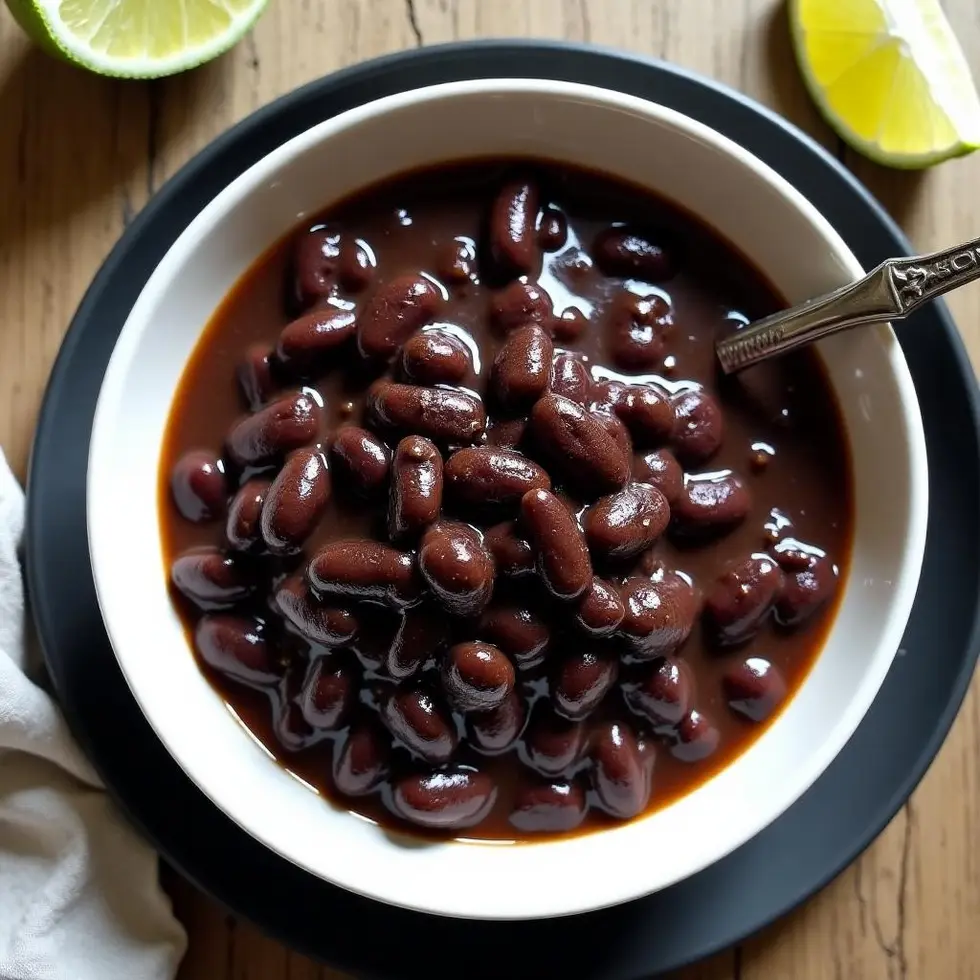
Refrigerate the beans in an airtight container for up to five days. They thicken as they cool, so add a tablespoon or two of water when you reheat them on the stovetop or in the microwave. Stir occasionally while reheating to restore the creamy texture.
Portion the beans into individual containers if you’re building meal-prep bowls. They pair well with shredded chicken breast recipes, cilantro lime rice, and roasted vegetables.
Adjust Spice and Texture
Add a pinch of smoked paprika or chipotle powder if you want smoky heat. Start with one-eighth teaspoon and taste before adding more, since chipotle powder can overpower the cumin if you use too much.
For a thinner consistency, reduce the simmering time to 10 minutes and skip mashing the beans. For a thicker, almost refried texture, mash half the beans instead of one-quarter. The Simply Copycat Recipes black bean guide suggests adjusting the mash ratio based on how you plan to use the beans.
Build Complete Bowls or Tacos
Serve the beans warm in burrito bowls with brown rice, shredded lettuce, pico de gallo, and sliced avocado. They also work as a taco filling, a side dish for grilled chicken, or a base layer for loaded nachos.
Spoon the beans over tortilla chips and top with shredded cheese for a quick appetizer. The creamy texture clings to each chip without sliding off.
Let the Beans Cool Slightly
The beans taste best when they’ve had a few minutes to rest after cooking. The starch from the mashed beans continues to thicken the mixture as it cools, and the flavors settle into a balanced profile without the raw edge that sometimes lingers in spices added at high heat.
Serve the beans warm but not steaming. That temperature gives you the best creamy texture without the thin, watery consistency that happens when the beans are too hot.
Frequently Asked Questions
Can I use dried beans instead of canned?
Yes, cook dried black beans until tender, then drain and use two cups in place of canned beans. The seasoning and simmering steps remain the same. Dried beans take longer to cook initially but give you more control over texture and sodium content.
Why do the beans taste bland even after adding the spices?
Beans need enough salt to bring out their natural flavor and activate the spices. Start with half a teaspoon and taste before serving. If the beans still taste flat, add another pinch of salt and a small squeeze of lime juice to sharpen the seasoning.
How do I prevent the beans from sticking to the pan?
Stir the beans every three to four minutes during the simmer. Use medium heat instead of high heat to avoid scorching the bottom layer. A saucepan with a heavy bottom distributes heat more evenly and reduces the risk of sticking.
Can I freeze these beans?
Yes, freeze the cooled beans in airtight containers or freezer bags for up to three months. Thaw in the refrigerator overnight and reheat on the stovetop with a splash of water to restore the creamy texture.
What if I don’t have fresh lime juice?
Bottled lime juice works in a pinch, but it lacks the bright citrus aroma of fresh lime. Use the same amount and add a small pinch of lime zest if you have it to boost the flavor.
How do I make the beans spicier?
Stir in a pinch of cayenne pepper or chipotle powder during the simmer. Start with one-eighth teaspoon and taste before adding more. You can also serve the beans with hot sauce or diced jalapeños on the side for adjustable heat.
Chipotle Black Beans
Ingredients
Method
- Combine the black beans, water, cumin, garlic powder, onion powder, oregano, and salt in a medium saucepan over medium heat.
- Bring to a gentle simmer and cook for 12 to 15 minutes, stirring occasionally, until the liquid reduces and the beans are creamy.
- Mash about one-quarter of the beans with the back of a spoon to thicken the mixture.
- Remove from heat and stir in the lime juice.
- Serve warm in burrito bowls, tacos, or as a side dish.
