Mixing buttermilk directly into the batter without overstirring gives pancakes a tender crumb and visible rise that stays consistent from edge to center.
The fluffiness in restaurant-style pancakes comes from carbon dioxide production triggered by the combination of baking powder and baking soda reacting with buttermilk’s acidity. Baking soda needs acid to activate, while baking powder contains both acid and base, creating a double lift that starts the moment liquid hits the dry ingredients and continues when heat reaches the griddle. Restaurants rely on this dual-leavening method because it tolerates resting time and delivers predictable volume batch after batch.
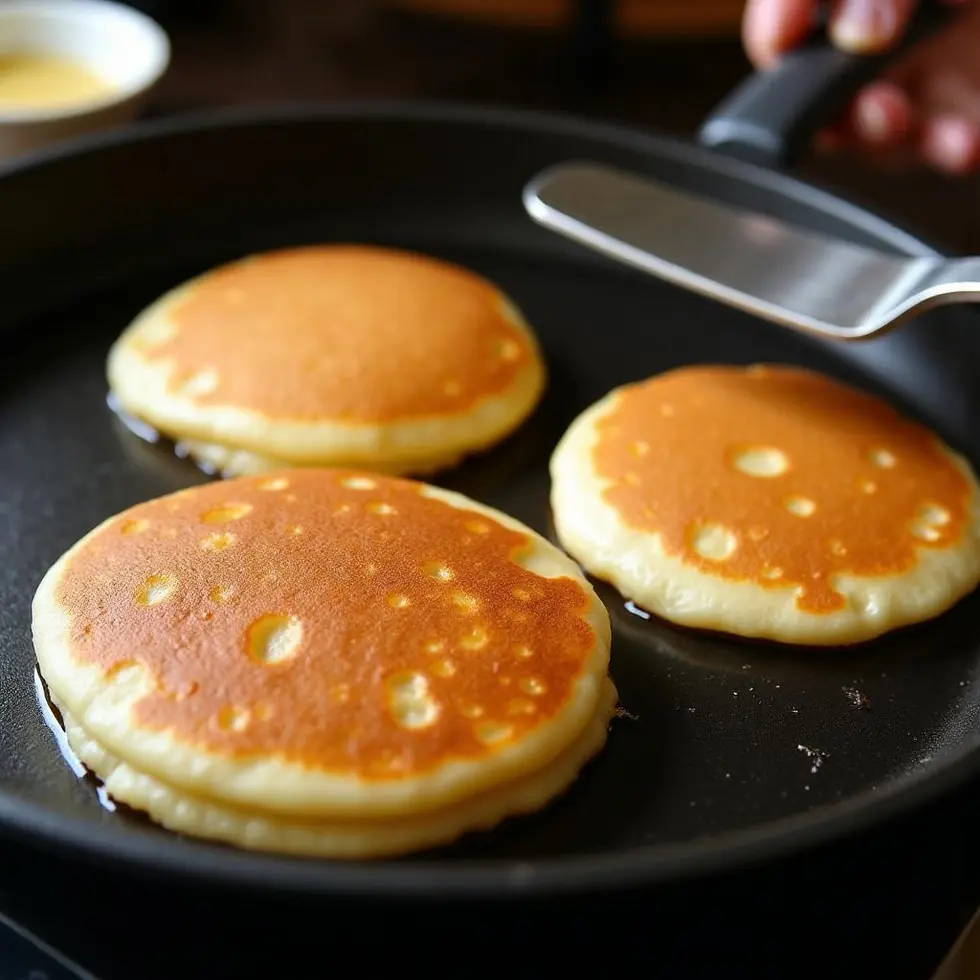
Thick pancakes hold air pockets better than thin ones. When you pour a quarter cup of batter onto a heated surface, the proteins in the eggs and flour begin setting while steam and carbon dioxide expand inside, pushing the batter upward before the exterior firms. Timing the flip right before the bubbles on the surface fully break ensures the second side cooks through without deflating the structure you’ve built.
Why IHOP Pancakes Are So Fluffy
The Role of Buttermilk and Double Leavening
Buttermilk does more than add tang. Its acid lowers the pH enough to activate baking soda instantly, creating fine bubbles that get trapped in the batter as soon as you combine wet and dry ingredients. Baking powder adds a second wave of lift once heat activates its acid component, giving each pancake two distinct moments of expansion: one at room temperature and one on the griddle. According to Inspired Taste, this dual-action method keeps pancakes tender without requiring precise timing or immediate cooking.
Using both leaveners in the same batter creates more consistent results than relying on baking powder alone. Baking soda works fast, so the batter starts rising before it hits the heat, while baking powder continues the process during cooking. The result is a pancake that rises evenly from the bottom up, with a soft interior and edges that set just enough to hold the shape without turning dense.
Why Lumps in the Batter Matter
Overmixing develops gluten, which turns pancakes chewy instead of tender. Stirring just until the dry ingredients disappear, leaving small lumps visible in the batter, preserves the delicate structure that makes copycat IHOP pancakes feel light on the fork. Most home cooks find that ten to twelve gentle folds with a spatula combine the ingredients without activating too much gluten. The lumps hydrate and smooth out slightly as the batter rests, so you don’t need to whisk them away.
Medium heat, around 350°F, gives the leaveners time to do their work before the surface sets. Pouring a quarter cup of batter per pancake ensures each one cooks through in two to three minutes per side without burning the exterior or leaving the center gummy.
How to Make Copycat Pancakes
Mixing Technique
Whisk the dry ingredients first: flour, sugar, baking powder, baking soda, and salt. In a separate bowl, whisk buttermilk, eggs, and melted butter until smooth. Pour the wet mixture into the dry ingredients and stir gently with a spatula just until combined. Small lumps should remain visible. The batter should look thick and slightly uneven, not smooth and pourable like crepe batter.
Letting the batter rest for five minutes allows the flour to hydrate fully and the leaveners to begin their work. During this time, you’ll see tiny bubbles forming on the surface, a sign that the baking soda is reacting with the buttermilk. This short rest also relaxes any gluten that formed during mixing, which keeps the final texture tender.
Griddle Temperature and Timing
Heat a nonstick griddle or skillet over medium heat and lightly grease with butter. Test the temperature by flicking a few drops of water onto the surface; they should sizzle and evaporate within two seconds. Pour a quarter cup of batter per pancake, leaving space between each one so they don’t merge as they spread.
Cook for two to three minutes without moving the pancake. Watch for bubbles to form across the entire surface and for the edges to look set and slightly matte instead of wet and shiny. Flip once, then cook for one to two minutes more until the second side turns golden brown. For a batch of eight to ten pancakes, the entire cooking process takes about fifteen minutes, assuming you cook three or four at a time on a standard griddle. This homemade version holds heat evenly because you control the temperature directly, unlike high-volume restaurant griddles that can develop hot spots.
Toppings, Freezing and Reheating Tips
Topping Variations
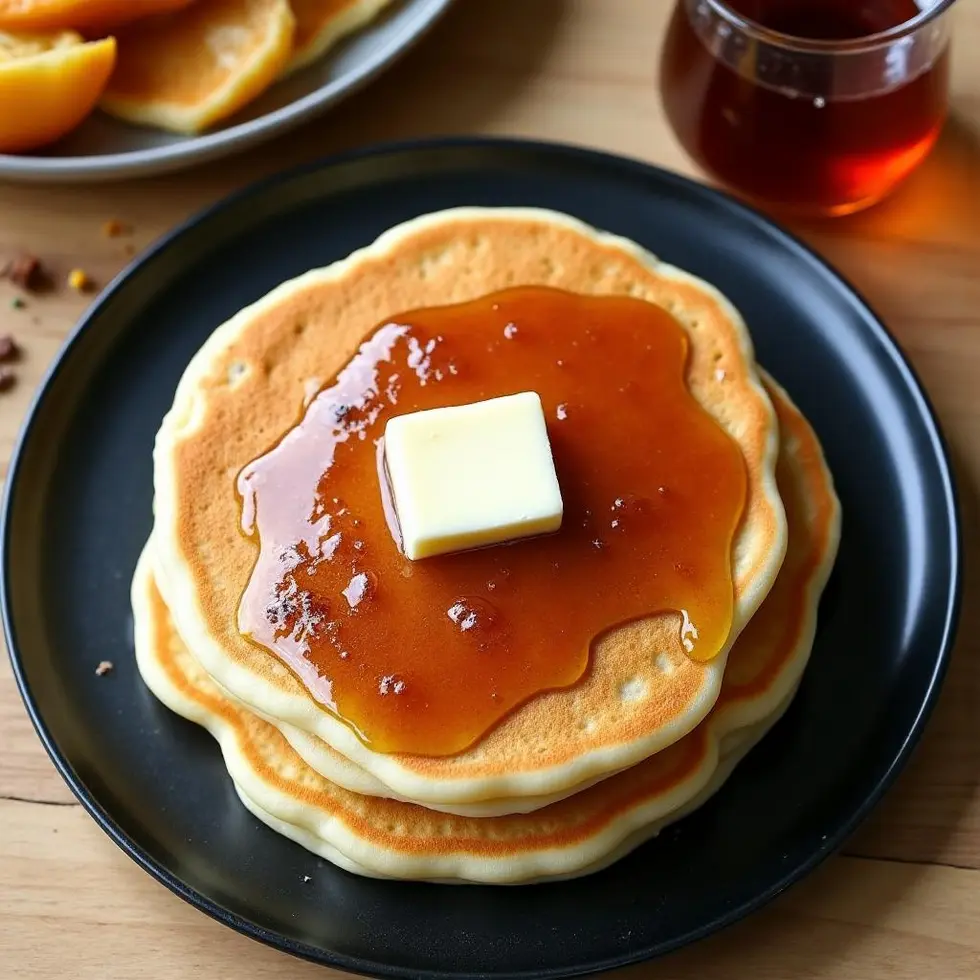
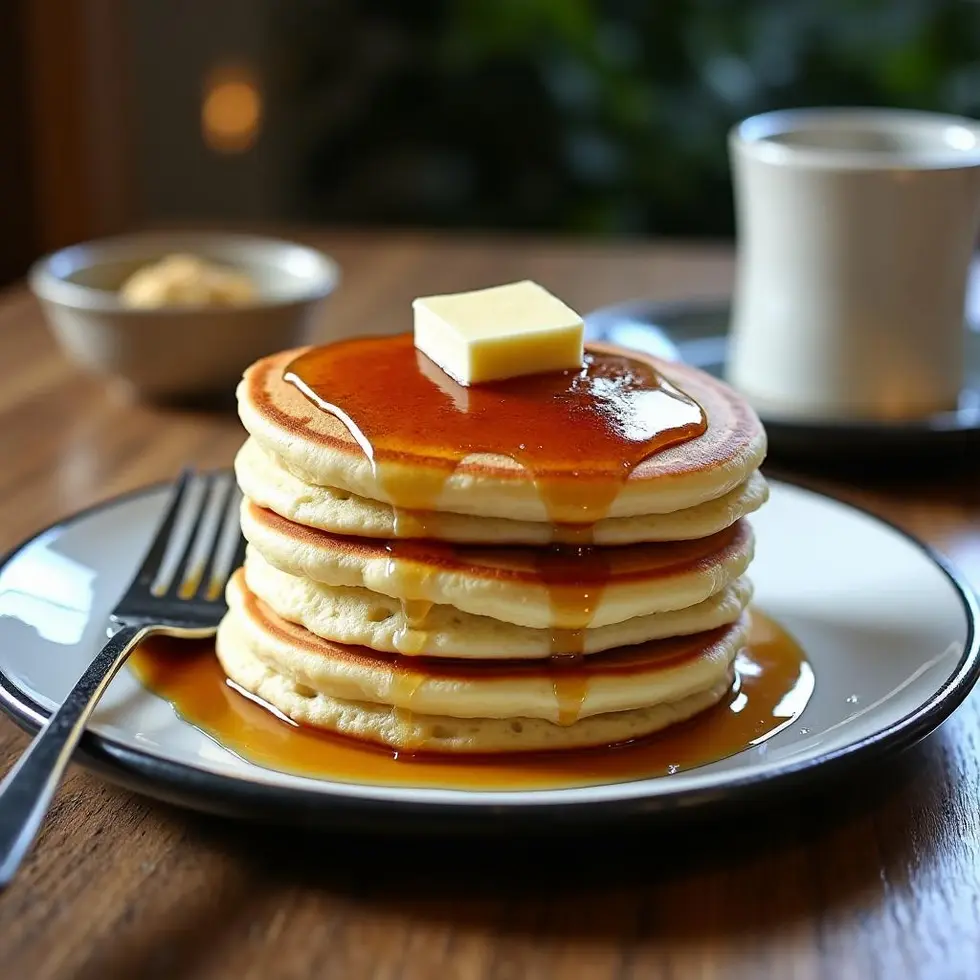
Butter and syrup are classic, but fresh fruit, whipped cream, or a dusting of powdered sugar all work well with this fluffy pancake recipe. Sliced bananas or blueberries added to the batter before pouring create fruit-studded pancakes that taste richer than plain ones. For a savory option, serve with a fried egg and a drizzle of hot sauce instead of syrup.
Chocolate chips, chopped nuts, or a spoonful of peanut butter folded into the batter before cooking add texture and flavor without changing the base method. Each variation cooks the same way, so you can adjust toppings based on what you have on hand without altering the timing or technique.
Freezing and Reheating
Cool pancakes completely on a wire rack before freezing. Layer them between sheets of parchment paper and store in a freezer-safe bag for up to two months. Reheat directly from frozen in a toaster or toaster oven at 350°F for three to four minutes, or microwave for thirty to forty seconds per pancake. Freezing doesn’t degrade the texture noticeably, and reheated pancakes taste nearly as fresh as those served immediately off the griddle.
If you plan to freeze a batch, undercook the pancakes slightly, pulling them off the heat when the second side is just set but not deeply browned. This prevents them from drying out during reheating. Simply Copycat Recipes suggests this approach for any restaurant-style breakfast item you want to make ahead.
Control the Heat, Control the Rise
The temperature of your griddle determines whether the pancakes rise evenly or turn dense on the outside and raw in the middle. Medium heat gives the baking soda and baking powder enough time to expand the batter before the proteins set, creating the light, airy texture that makes these copycat IHOP pancakes worth repeating. If the heat runs too high, the surface browns before the center cooks through, leaving you with flat, heavy discs instead of fluffy rounds.
Test your griddle with a thermometer or the water-drop method before you pour the first pancake. Consistency in temperature across every batch matters more than any single ingredient adjustment, and it’s the one variable you can adjust in real time based on how the first pancake looks and tastes.
Frequently Asked Questions
Can I use regular milk instead of buttermilk?
Buttermilk provides the acid needed to activate baking soda, so using regular milk will reduce the lift and change the texture. If you don’t have buttermilk, mix two cups of whole milk with two tablespoons of lemon juice or white vinegar, let it sit for five minutes, then use it as a substitute.
Why are my pancakes turning out flat?
Flat pancakes usually result from expired leaveners or overmixing the batter. Baking powder and baking soda lose potency over time, so check the expiration date before starting. Stir the batter just until combined, leaving small lumps visible, and avoid letting it sit for more than ten minutes before cooking.
Can I make the batter the night before?
The leaveners start reacting as soon as the wet and dry ingredients combine, so making the batter ahead reduces the rise. Mix the dry ingredients and measure the wet ingredients separately the night before, then combine them right before cooking for the best texture.
How do I know when to flip the pancake?
Flip when bubbles form across the entire surface and the edges look set and matte instead of shiny. If you flip too early, the center may stay gummy; too late, and the first side will turn too dark while the second side stays pale.
Can I add fruit directly to the batter?
Fresh blueberries, sliced bananas, or chopped strawberries can be added to the batter just before pouring it onto the griddle. Avoid stirring fruit into the entire batch at once, as the moisture can make the batter runny. Instead, pour each pancake, then press a few pieces of fruit into the top before the batter sets.
Copycat IHOP Pancakes
Ingredients
Method
- Whisk together flour, sugar, baking powder, baking soda, and salt in a large bowl.
- In a separate bowl, whisk buttermilk, eggs, and melted butter until smooth.
- Pour the wet ingredients into the dry ingredients and stir gently until just combined with small lumps remaining.
- Heat a nonstick griddle or skillet over medium heat and lightly grease with butter.
- Pour 1/4 cup batter per pancake onto the griddle and cook for 2 to 3 minutes until bubbles form on the surface and edges look set.
- Flip and cook for 1 to 2 minutes more until golden brown and cooked through.
- Serve immediately with butter and syrup or your favorite toppings.
