
Dill pickle juice soaking into raw chicken for thirty minutes breaks down the muscle fibers and seasons from the inside out, creating tenderness without any extra effort.
A home-friendly way to get this texture is brining in a salt-and-acid solution before coating. Most people skip that step at home and move straight to breading, which leaves the chicken bland inside even when the outside is golden. The acid in pickle juice tenderizes while the salt penetrates, so every bite carries flavor from the center outward. The thirty-minute rest in the fridge gives the brine time to work, and the coating sticks better to damp chicken than to dry pieces.
This chick fil a chicken nugget copycat recipe uses powdered sugar mixed into the flour to encourage even browning and a faintly sweet note that balances the savory garlic and smoked paprika. The sugar caramelizes as the nuggets fry, creating a golden crust without scorching. The oil holds at 350°F, hot enough to crisp the coating in three to four minutes per side without drying the meat.
The homemade version gives you control over coating thickness, spice level, and oil freshness, and the nuggets stay juicy because you can monitor the internal temperature and pull them at exactly 165°F. The entire process takes twenty-seven minutes, including fifteen minutes of active prep and twelve minutes of frying, though the thirty-minute brine sits in the fridge while you measure the coating ingredients.
Why These Copycat Nuggets Work
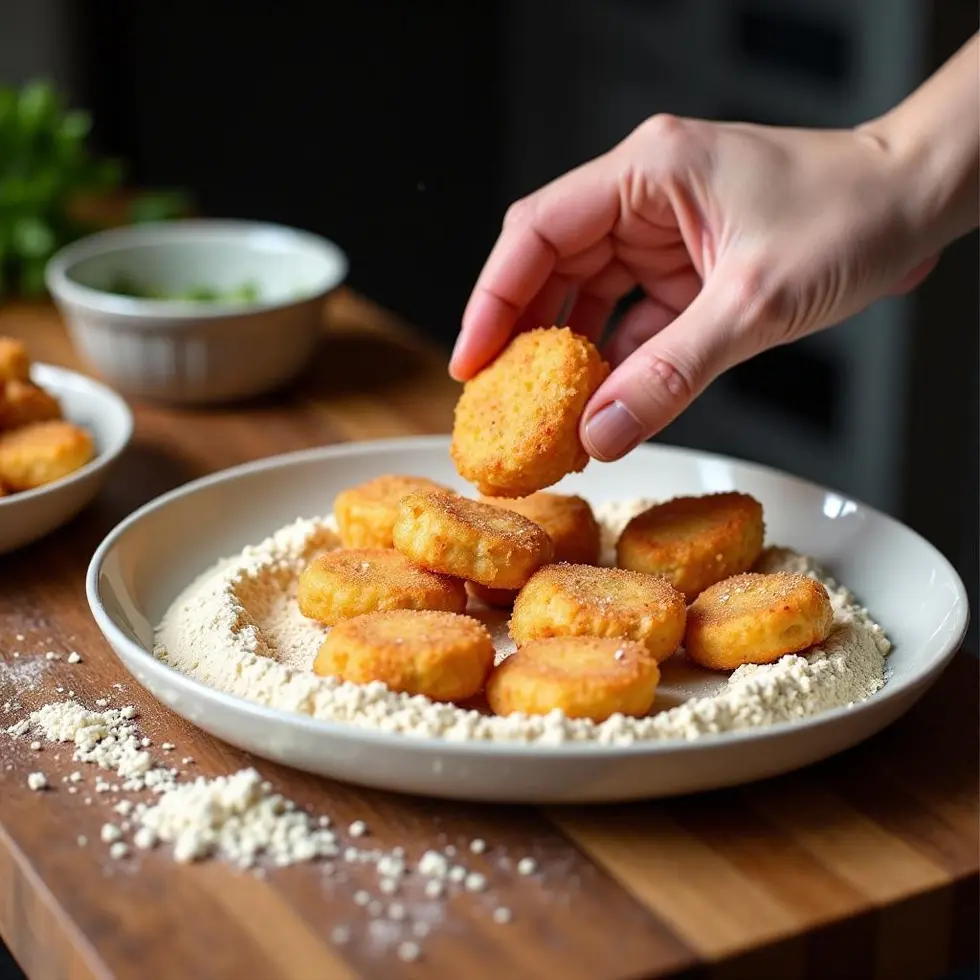
The dill pickle juice brine is the single element that creates the restaurant-style tenderness and mild tang. The acid denatures the proteins in the chicken, allowing them to hold more moisture during frying. The salt in the brine seasons the meat directly, so you taste savory flavor in the chicken itself, not just in the coating.
Powdered Sugar in the Coating
Powdered sugar dissolves quickly in the coating and browns faster than granulated sugar, giving the nuggets a consistent golden color without large sweet crystals. The small amount—just two tablespoons in one cup of flour—adds enough caramelization to create visual appeal and a subtle sweetness that complements the garlic and paprika. The sugar also helps the coating adhere to the damp chicken surface by creating a slightly tacky layer.
Smoked Paprika and Garlic Powder Balance
Smoked paprika contributes a mild, earthy warmth without heat, and garlic powder adds savory depth. Using one teaspoon of each keeps the flavor recognizable without overwhelming the chicken. The paprika also deepens the crust color, making the nuggets look richer even before they finish frying.
The coating sticks better to chicken that has been drained but not rinsed, so the surface remains slightly tacky from the brine. The flour mixture clings evenly when you press each piece into the blend, and the powdered sugar helps lock the coating in place as the oil heats.
How to Make Crispy Chicken Nuggets
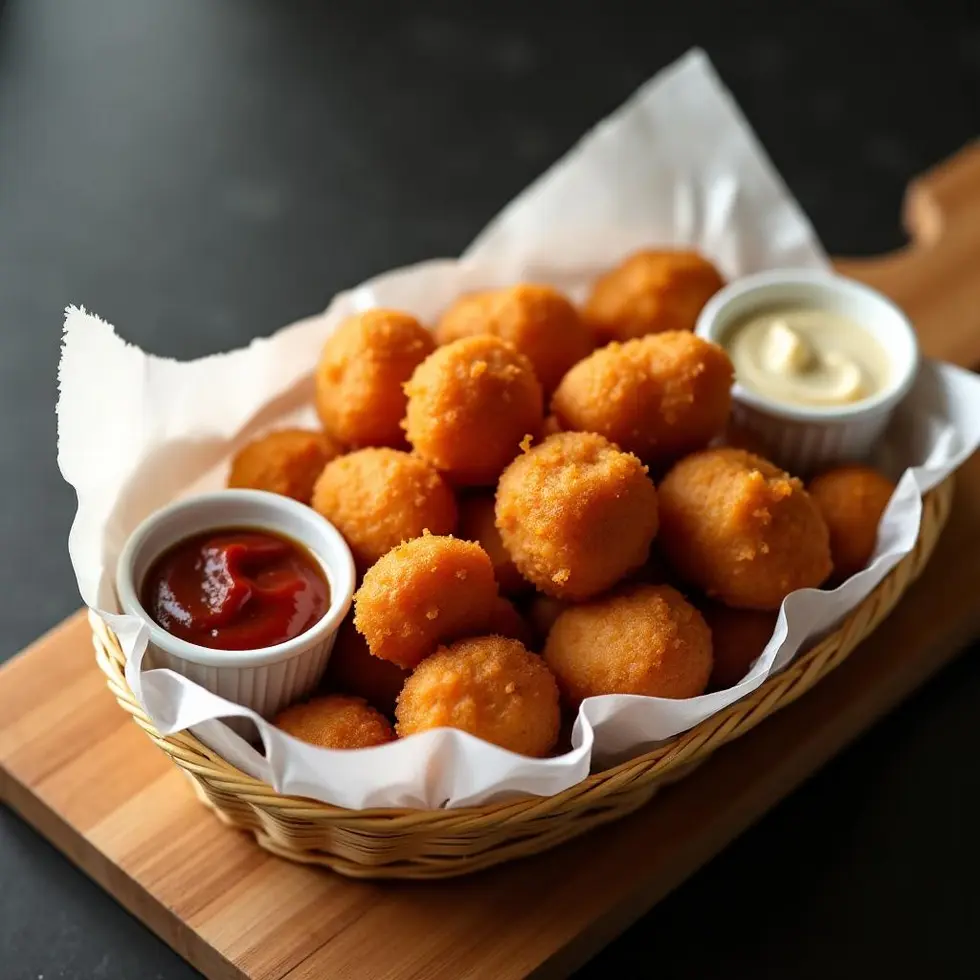
Start by cutting 680 grams of chicken breast into bite-size pieces, roughly one-and-a-half-inch chunks. Combine the chicken and one cup of dill pickle juice in a bowl, cover, and refrigerate for thirty minutes. The brine works at cold temperature, so you do not need to bring it to room temperature first.
Coating the Nuggets
Whisk together one cup of all-purpose flour, two tablespoons of powdered sugar, one teaspoon of smoked paprika, one teaspoon of garlic powder, and one teaspoon of salt in a shallow dish. Drain the chicken without rinsing, then press each piece into the flour mixture, turning to coat all sides. The coating should look thick and even, with no bare spots.
Heat two cups of peanut oil in a deep skillet to 350°F, measured with a thermometer. The oil depth should reach at least one inch so the nuggets can float and fry evenly. Fry the nuggets in batches, adding only enough pieces to leave space between them, and cook for three to four minutes per side until the coating turns golden brown and the internal temperature reaches 165°F.
Draining and Serving
Transfer the cooked nuggets to a plate lined with paper towels to drain excess oil. Serve immediately while the coating is still crisp and the chicken is hot. The nuggets hold their texture best within the first ten minutes after frying, though they remain juicy even after cooling slightly.
The oil temperature matters more than the timer—if the oil drops below 325°F, the coating absorbs grease and turns soggy. Frying in small batches keeps the temperature steady and ensures each nugget crisps evenly.
Dipping Sauces and Reheating Tips
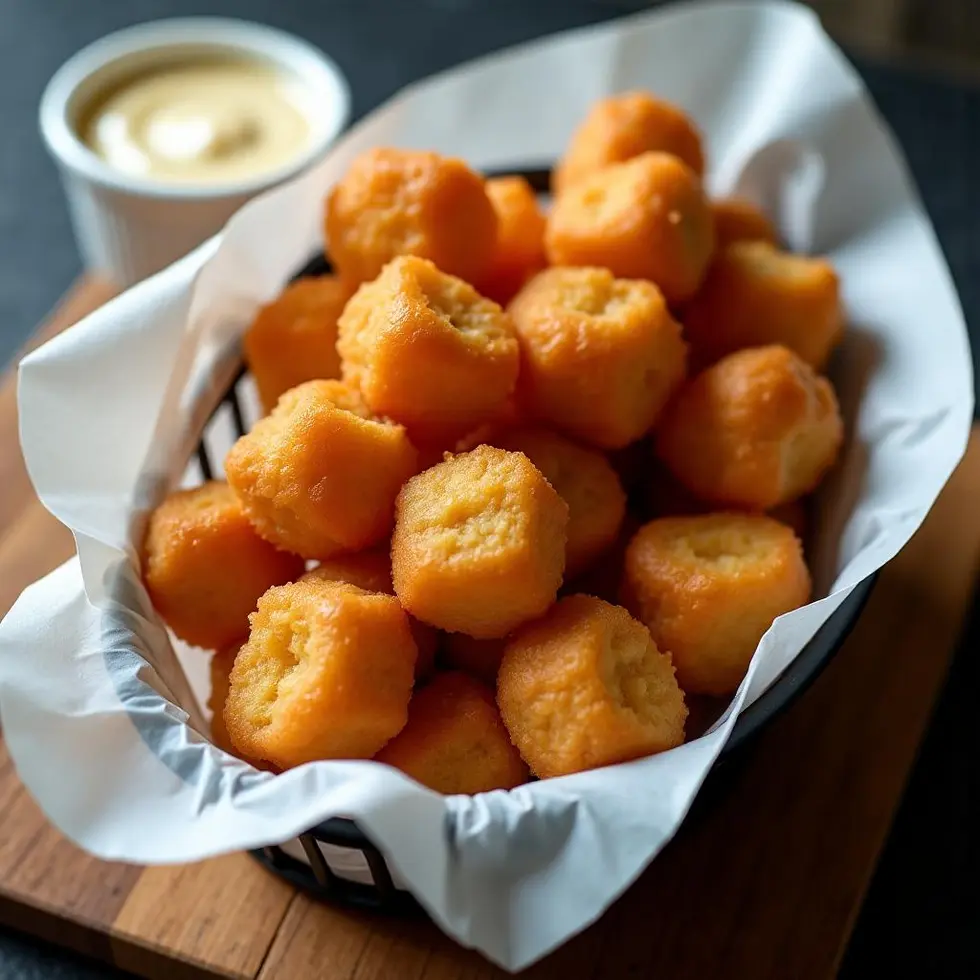
Chick fil a nuggets pair naturally with honey mustard, ranch, or a simple honey sauce. A honey mustard blend made from equal parts honey and Dijon mustard with a pinch of garlic powder complements the mild sweetness of the coating. Ranch dressing adds creaminess, while plain honey offsets the savory spices.
Customizing the Recipe
You can adjust the spice level by adding cayenne pepper to the flour mixture, starting with a quarter teaspoon for mild heat. For a stronger garlic flavor, increase the garlic powder to one and a half teaspoons. If you prefer a thicker coating, dredge the chicken twice, letting the first layer set for a minute before applying the second.
The recipe makes four servings, with each serving yielding roughly six to eight nuggets depending on how large you cut the chicken. For a smaller batch, halve the ingredients and use one cup of oil in a smaller skillet. The brine ratio stays the same—enough pickle juice to cover the chicken completely.
Storing and Reheating
Store leftover nuggets in an airtight container in the refrigerator for up to three days. Reheat them in a 375°F oven for eight to ten minutes to restore crispness, placing them on a wire rack over a baking sheet so air circulates around each piece. Microwaving makes the coating soft, so oven reheating is the better method for maintaining texture. The chick fil a chicken nugget copycat recipe also works well if you want to prep the chicken ahead. You can brine the chicken the night before and coat it just before frying, or coat the pieces and refrigerate them on a plate for up to two hours before cooking.
If you prefer a sandwich-style dish with a similar coating technique, the Chick Fil A Chicken Copycat Sandwich Recipe uses the same brining and seasoned flour method on larger chicken fillets.
Use the Oil Temperature as Your Guide
Holding the oil at 350°F throughout the frying process is the single factor that controls whether the coating crisps or absorbs grease. If you notice the nuggets browning too quickly, lower the heat slightly and wait for the temperature to stabilize before adding the next batch. If the coating looks pale after four minutes, raise the heat and give the oil thirty seconds to recover.
Fry one test nugget first to confirm your timing and temperature before committing the full batch. The coating should turn golden and crisp without scorching, and the chicken should reach 165°F at the center. Once you know the timing, the rest of the batch will cook consistently.
Frequently Asked Questions
Can I use chicken thighs instead of chicken breast?
Chicken thighs work well and stay juicier than breast meat, though they contain more fat. Cut them into similar-sized pieces and brine for the same thirty minutes. The coating adheres the same way, and the frying time remains three to four minutes per side.
What if I do not have dill pickle juice?
You can make a quick brine by dissolving one tablespoon of salt in one cup of water and adding one tablespoon of white vinegar. The flavor will be milder, but the tenderizing effect will be similar. Pickle juice adds a faint dill note that plain vinegar brine does not.
Can I bake these nuggets instead of frying?
Baking at 425°F for twelve to fifteen minutes produces a firm coating, but it will not be as crisp as the fried version. Spray the coated nuggets with a light mist of oil before baking to encourage browning. Turn them halfway through for even color.
How do I keep the coating from falling off during frying?
Press the flour mixture firmly onto each piece of chicken and let the coated nuggets rest for five minutes before frying. This allows the coating to adhere better. Do not overcrowd the skillet, as moving the nuggets too much can loosen the coating.
Can I freeze the cooked nuggets?
Freeze the cooked nuggets in a single layer on a baking sheet, then transfer them to a freezer bag once solid. Reheat from frozen in a 375°F oven for fifteen to eighteen minutes. The coating will crisp again, though the texture will be slightly less delicate than fresh.
What type of oil works best for frying?
Peanut oil has a high smoke point and a neutral flavor, making it ideal for frying at 350°F. Canola oil or vegetable oil also work well. Avoid olive oil, as it smokes at lower temperatures and can add a bitter taste.
Copycat Chicken Nuggets
Ingredients
Method
- Combine the chicken pieces and pickle juice in a bowl, cover, and refrigerate for 30 minutes.
- Whisk together the flour, powdered sugar, smoked paprika, garlic powder, and salt in a shallow dish.
- Drain the chicken, then dredge each piece in the seasoned flour mixture until fully coated.
- Heat the peanut oil in a deep skillet to 350°F / 175°C.
- Fry the nuggets in batches for 3 to 4 minutes per side until golden brown and cooked to 165°F / 74°C.
- Drain on paper towels and serve immediately with your favorite dipping sauce.
