
I tossed the oregano in too early once, and watched it brown unevenly against the hot pan before the vegetables were ready.
Building restaurant-style fajita veggies at home starts with dry heat and minimal ingredients. What creates the familiar charred edges and tender interior is the use of a hot skillet and patience during the sear. The strip cut keeps the vegetables uniform, which means they cook evenly without turning mushy.
Restaurant versions typically finish the vegetables with seasoning after the sear, not during. Oregano and salt go on at the very end so the herbs bloom without burning and the salt draws out moisture only after the surface has already developed color. This timing shift prevents the vegetables from steaming instead of browning.
The entire process takes 20 minutes from start to finish. The prep is straightforward — slicing bell peppers and onions into even strips — and the cooking happens in one pan. You can make a batch ahead and store it in the refrigerator for up to four days, which means you can add these chipotle fajita veggies copycat to bowls, tacos, or salads without starting from scratch every time.
The texture stays crisp-tender even after refrigeration. The charred edges hold their color, and the natural sweetness from the peppers and onions deepens slightly as the vegetables sit. You can reheat them quickly in a skillet or add them cold to a grain bowl.
Why Fajita Veggies Add Flavor
Charred Edges Create Depth
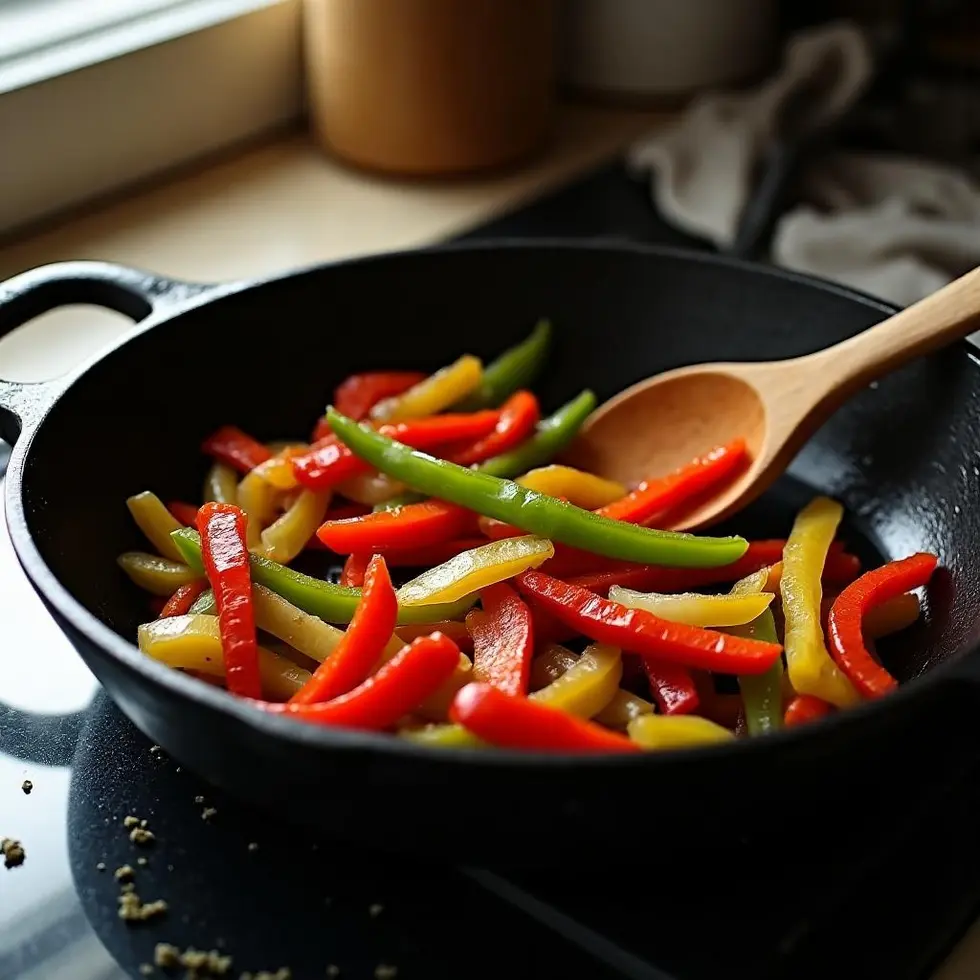
Restaurants achieve those dark, caramelized edges by using high heat and minimal stirring. The Maillard reaction begins around 300°F, and a cast iron pan over medium-high heat reaches that range quickly. When you leave the vegetables undisturbed for a few minutes, the sugars in the peppers and onions brown and develop a slightly sweet, smoky flavor.
Stirring too often prevents the char from forming. The goal is to let the vegetables sit in contact with the hot surface long enough to develop color before tossing them. You should see golden-brown spots on the edges before you move them.
Oregano Carries the Signature Taste
The dried oregano in this chipotle fajita veggies copycat is what makes the flavor profile recognizable. Oregano has a slightly bitter, earthy quality that balances the natural sweetness of the peppers and onions. When you add it at the end, the heat releases its essential oils without turning the leaves dark or acrid.
One teaspoon is enough to coat four servings evenly. If you add the oregano too early, the leaves will scorch and taste burnt rather than aromatic. The toss at the end distributes the seasoning and gives the vegetables just enough time to absorb the flavor without losing their crisp texture.
The salt works similarly. Adding it after the sear keeps the vegetables from releasing moisture too soon, which would create steam and soften the char. CopyKat offers a Chili’s Chicken Fajitas Easy Copycat Recipe that uses a comparable approach with seasoning timed to preserve texture.
The combination of charred sweetness and herbal bitterness is what makes these vegetables work well in a burrito bowl alongside rice, beans, and salsa.
How to Cook Peppers and Onions
Start With a Hot Pan
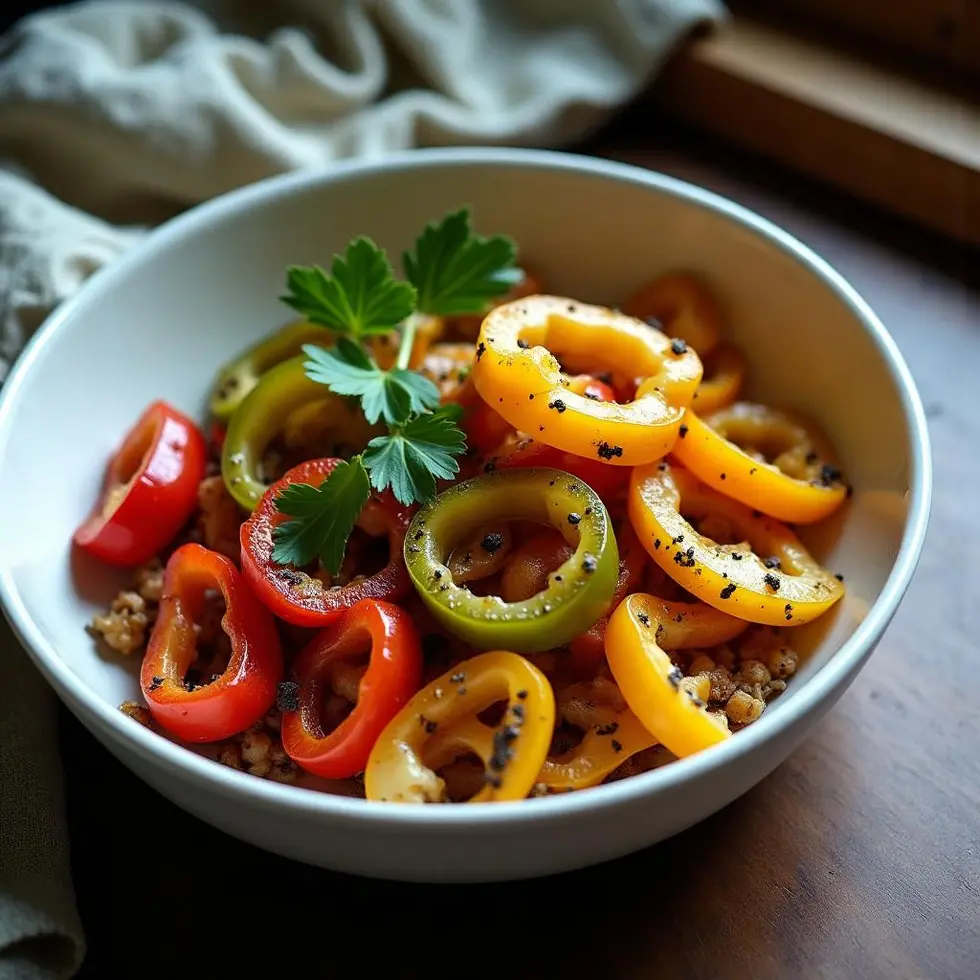
Heat two tablespoons of vegetable oil in a large skillet or cast iron pan over medium-high heat until the surface shimmers. The oil should move easily across the pan and look slightly fluid. If the oil smokes immediately, the heat is too high.
Add the red bell pepper, green bell pepper, and yellow onion strips in a single layer. You want as much surface contact with the pan as possible. If the vegetables are stacked, they will steam instead of sear. A 12-inch skillet works best for this quantity.
Cook for 8 to 10 minutes, stirring only every 2 to 3 minutes. You should hear a steady sizzle. When you stir, you should see dark brown edges forming on the peppers and onions. The texture should feel slightly softened but still firm enough to hold its shape.
Season After the Sear
Once the vegetables are tender with visible char marks, sprinkle the oregano and salt over the top. Toss everything for about 1 minute. The heat will release the oregano’s aroma without burning it, and the salt will season the surface evenly.
Remove the pan from the heat as soon as the seasoning is distributed. The residual heat will continue to cook the vegetables slightly, so you want to stop just before they reach the exact texture you prefer. They will soften a little more as they sit.
If you plan to use the vegetables immediately, transfer them to a serving bowl. If you are storing them, let them cool completely before sealing them in an airtight container. Condensation from hot vegetables will make them soggy.
The method relies on dry heat and precise timing to create the charred, tender result that makes these peppers and onions taste restaurant-quality.
Bowl Toppings and Storage
Build a Burrito Bowl
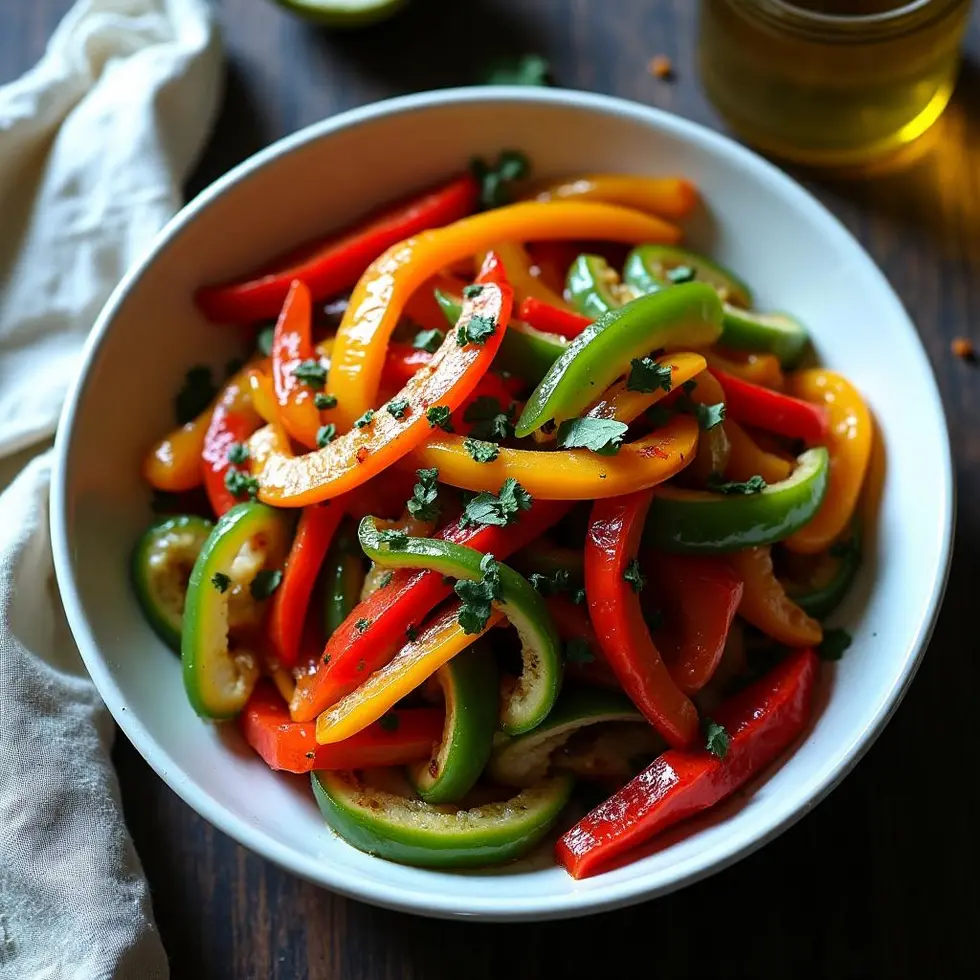
These vegetables fit naturally into a burrito bowl alongside cilantro lime rice, black beans, and salsa. The charred edges add texture contrast, and the oregano ties the components together without overpowering the other flavors. You can also add them to tacos, quesadillas, or grain salads.
For a complete bowl, start with a base of warm rice, add a scoop of beans, then pile the fajita vegetables on top. Finish with guacamole, which brings creaminess that balances the smoky char, and a spoonful of pico de gallo for brightness.
The vegetables also work cold. You can toss them into a grain bowl with quinoa or farro and a simple lime vinaigrette. The charred flavor holds up well without reheating.
Store and Reheat Properly
Store the cooled vegetables in an airtight container in the refrigerator for up to four days. The texture stays firm, and the seasoning flavor deepens slightly over time. When you reheat them, use a skillet over medium heat for 2 to 3 minutes rather than the microwave, which can make them watery.
You can also freeze the vegetables for up to one month. Spread them on a baking sheet in a single layer and freeze until solid, then transfer to a freezer bag. This prevents clumping and makes it easy to use only the amount you need.
If you want to adjust the spice level, add a pinch of smoked paprika or a few dashes of hot sauce when you toss the oregano and salt. The base recipe is mild, so you have room to layer heat without overwhelming the natural sweetness of the peppers and onions.
The simplicity of this chipotle fajita veggies copycat makes it easy to keep on hand and use throughout the week without extra effort.
Searing Temperature Matters
Medium-high heat keeps the vegetables tender inside while creating the dark, caramelized edges that define restaurant-style fajita veggies. If the heat is too low, the peppers and onions will soften before they brown. If the heat is too high, the outside will char before the inside becomes tender.
Watch the oil when you first heat the pan. The surface should shimmer and move freely, but it should not smoke. That visual cue tells you the pan is ready for the vegetables. Once you add the peppers and onions, the temperature will drop slightly, so resist the urge to turn the heat down immediately.
Make this once as written, then adjust the cooking time next time if your stove runs hotter or cooler than average. The charred edges and tender texture will guide you more reliably than the clock.
Frequently Asked Questions
Can I use a different type of onion?
Yellow onion works best because it has a balanced sweetness and holds its shape during high-heat cooking. Red onion will soften faster and taste sharper, while white onion will be milder but can turn translucent before developing char. Yellow onion creates the texture and flavor closest to the restaurant version.
Do I need to use a cast iron pan?
Cast iron holds heat evenly and creates better char marks, but a heavy stainless steel skillet will also work. Avoid nonstick pans for this recipe because they do not get hot enough to sear properly. A thin pan will lose heat too quickly when you add the vegetables, which leads to steaming instead of browning.
Can I add other vegetables to this recipe?
You can add mushrooms, zucchini, or poblano peppers if you slice them into similar-sized strips. Keep in mind that mushrooms release moisture and may require a slightly longer cooking time to develop char. Add them at the same time as the peppers and onions and cook until all the vegetables are tender with browned edges.
How do I prevent the vegetables from getting soggy?
Do not overcrowd the pan, and avoid stirring too often. The vegetables need direct contact with the hot surface to sear properly. If you pile them on top of each other, they will steam instead of char. Use a large skillet and cook in batches if necessary. Also, wait until the vegetables are fully cooled before storing them to avoid condensation.
Chipotle Fajita Veggies
Ingredients
Method
- Heat the vegetable oil in a large skillet or cast iron pan over medium-high heat until shimmering.
- Add the red bell pepper, green bell pepper, and onion strips to the hot pan in a single layer.
- Cook for 8 to 10 minutes, stirring occasionally, until the vegetables are tender with charred edges.
- Sprinkle the oregano and salt over the vegetables and toss for 1 minute until evenly coated.
- Serve immediately over burrito bowls, tacos, or salads, or store in an airtight container for up to 4 days.
