
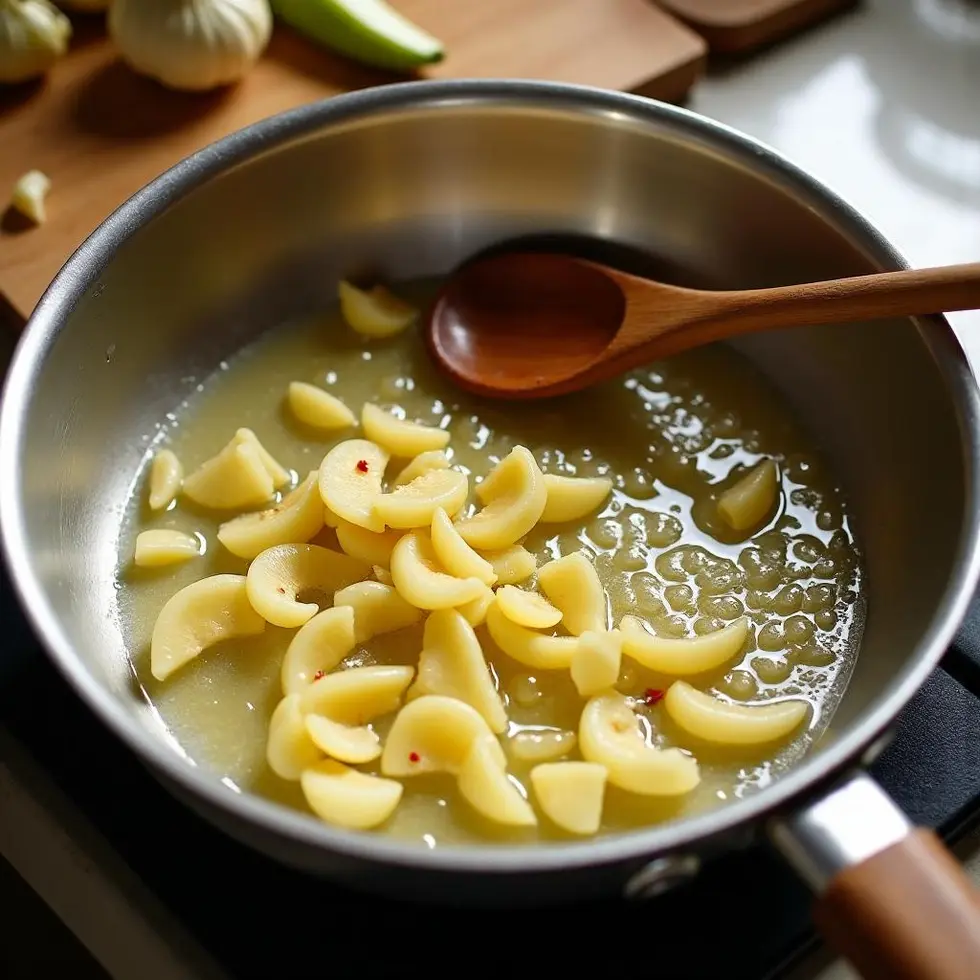
Slicing garlic thinly instead of mincing it kept the heat even through the skillet, preventing any bitter burnt edges in under two minutes.
This recipe costs around $1.75 per serving when you use standard grocery store ingredients: dried pasta, butter, garlic, parmesan, and a handful of parsley. Ordering a comparable dish from a casual Italian spot runs anywhere from $12 to $18 per plate. The pantry investment is minimal because most of the ingredients store well—dried pasta lasts months in the cupboard, butter freezes without issue, and parmesan keeps for weeks wrapped tightly in the fridge. The only ingredient you need fresh is garlic, and a single bulb covers multiple batches.
The 15-minute timeline holds because the pasta boils while you prep and cook the garlic butter sauce in parallel. No waiting, no downtime. The method relies on just one pot and one skillet, both of which you can clean in under three minutes once dinner is on the table. These easy garlic pasta recipes stretch further when you double the batch—the ingredient cost barely shifts, and leftovers reheat in a skillet with a splash of water in about two minutes.
Butter, garlic, and parmesan build a sauce that clings to hot noodles without needing cream or wine. The reserved pasta water carries enough starch to emulsify the fat, creating a glossy coating that tastes rich but uses only four tablespoons of butter for four servings.
Why Garlic Pasta Is So Easy and Flavorful
The Parallel Cooking Window Saves Time
Boiling pasta takes eight to ten minutes, which gives you enough time to melt butter, cook garlic, and warm the skillet without rushing. At the five-minute mark, the water is usually at a rolling boil, and the garlic should already be sliced and ready beside the stove. Once the pasta goes in, you start the butter in the skillet. By the time the noodles reach al dente, the garlic is golden and fragrant, and you toss everything together in under a minute.
This overlap means you never stand idle. The two processes run side by side, and the final assembly happens in the same skillet where the garlic cooked, so no extra pan sits dirty on the counter.
Pantry Staples Keep the Recipe Repeatable
Dried spaghetti or linguine, butter, garlic, parmesan, red pepper flakes, and parsley cover the entire ingredient list. You can swap parsley for basil or skip the herb entirely if your fridge is empty, and the dish still works. The starchy pasta water acts as the binding agent, so you do not need cream, stock, or wine. If you run out of parmesan, pecorino romano works just as well and costs about the same per ounce.
Slicing garlic instead of mincing it creates bigger pieces that release flavor more slowly, which prevents burning during the two-minute cook window. Thin slices also add texture, giving you soft, golden bites throughout the pasta rather than disappearing into the sauce.
The Starchy Water Creates the Gloss
Reserving a quarter cup of pasta water before draining gives you a built-in emulsifier. The starch in that water binds the melted butter and grated parmesan into a smooth coating that clings to each strand. Without it, the butter pools at the bottom of the skillet, and the cheese clumps instead of melting evenly.
Adding the pasta water while the skillet is still on medium heat helps the sauce come together faster. The heat activates the starch, and a quick toss distributes everything evenly. This technique also appears in noodle dishes where sauce consistency depends on starchy cooking liquid rather than added thickeners.
The butter and parmesan combination delivers richness without heaviness, and the garlic adds a sharp, savory edge that balances the fat.
Easy Garlic Pasta Recipes to Make Fast
The Step-by-Step Execution
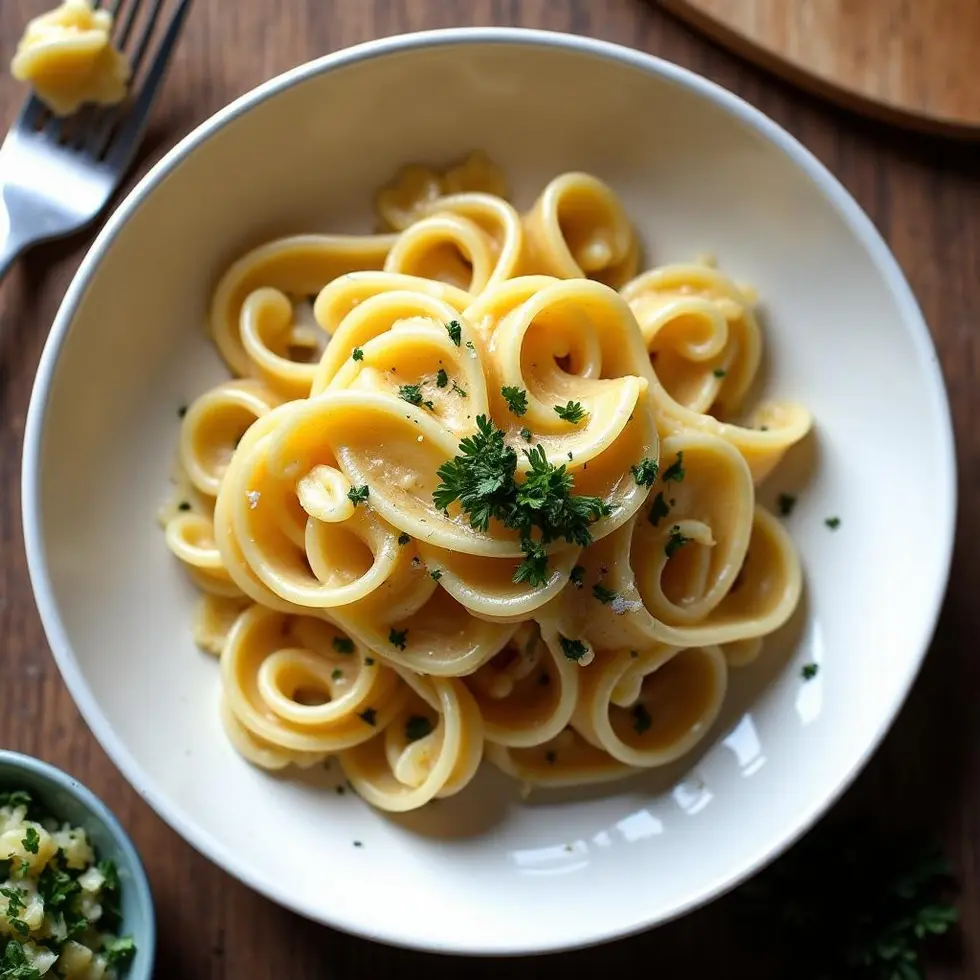
Bring salted water to a boil in a large pot, then add 340 grams of spaghetti or linguine. Set a timer for eight minutes if you prefer firmer noodles, or ten minutes if you want a softer bite. While the pasta cooks, melt four tablespoons of butter in a large skillet over medium heat for about one minute. Add six thinly sliced garlic cloves and a quarter teaspoon of red pepper flakes, then stir constantly for two minutes until the garlic turns golden and smells sharp and warm.
The garlic should sizzle gently in the butter without browning too fast. If the heat is too high, the garlic will burn before the pasta finishes cooking, leaving a bitter taste. Medium heat gives you control and keeps the butter from separating.
The Toss and Finish
Reserve a quarter cup of pasta water before draining, then add the drained noodles directly to the skillet with the garlic butter. Pour in the reserved water and toss everything together for one minute, using tongs or two forks to lift and turn the pasta so the sauce coats every strand. Remove the skillet from the heat, stir in half a cup of grated parmesan and two tablespoons of chopped fresh parsley, then season with salt and black pepper.
The cheese melts from the residual heat of the pasta, so you do not need to return the skillet to the burner. Serve immediately while the noodles are still glossy and warm. If the sauce thickens too much as it sits, add a tablespoon of warm water and toss again to loosen it.
Protein and Vegetable Swaps
Grilled chicken strips, sautéed shrimp, or pan-seared scallops all finish in under five minutes and can cook in the same skillet after you remove the pasta. Wipe the skillet, add a tablespoon of butter or oil, cook the protein until done, then slice or chop it and toss it with the finished pasta. Spinach, arugula, or halved cherry tomatoes can go into the skillet with the garlic for the last 30 seconds, wilting or softening without adding extra time.
These additions do not require separate pans or long prep, and they turn the base recipe into a more complete meal without pushing past the 15-minute window. Similar quick-cooking techniques work well for quick breakfast toasts where timing depends on layering components efficiently.
The method stays fast because every step overlaps with another, and nothing needs more than two minutes of solo attention.
Butter, Cream and Parmesan Variations
Adding Cream Without Losing Speed
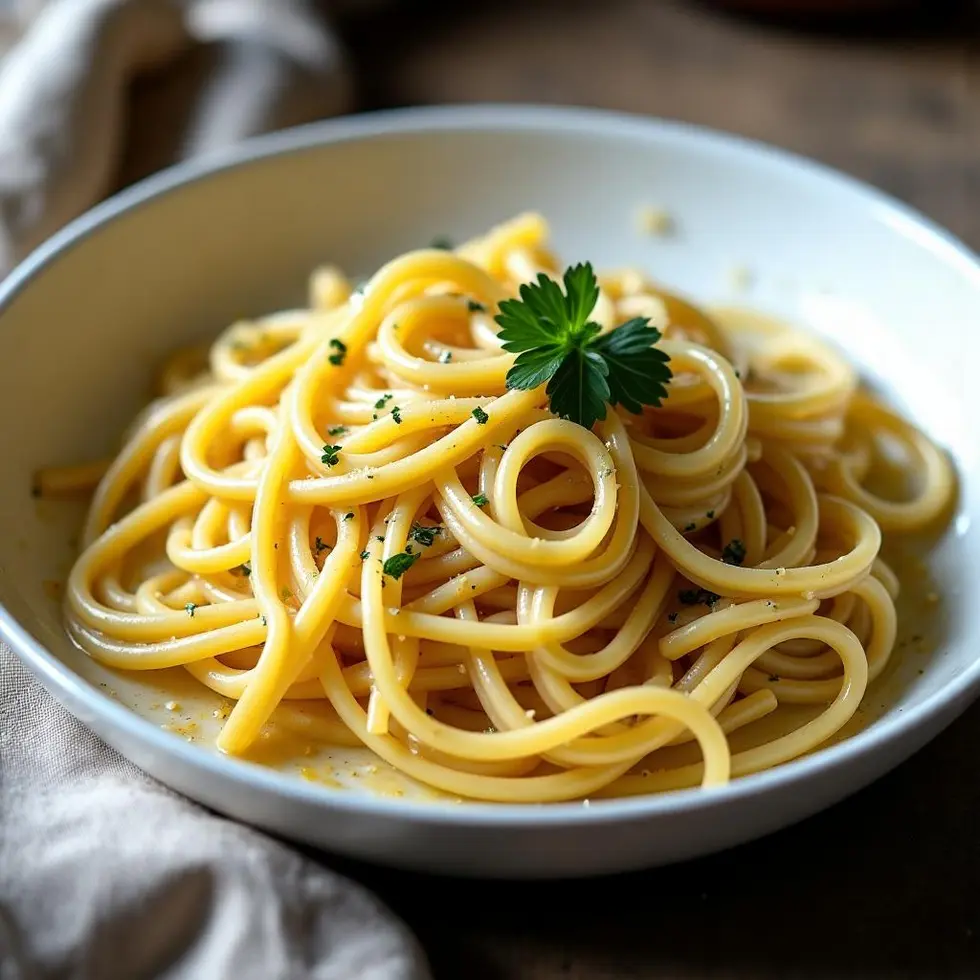
For a richer sauce, add a quarter cup of heavy cream to the skillet along with the reserved pasta water. The cream thickens slightly as it heats, blending with the butter and parmesan to create a smooth, velvety coating. This addition raises the cost per serving by about 40 cents but still keeps the dish under $2.50 per plate. The cream does not require extra cooking time—it warms in the same one-minute toss as the standard butter version.
Some cooks prefer a lighter finish and replace half the butter with olive oil, which cuts the richness without sacrificing the glossy texture. Olive oil also costs less per tablespoon than butter in most regions, shaving another 15 to 20 cents off the total batch cost. The flavor shifts slightly toward a sharper, more herbaceous profile, which pairs well with lemon zest or fresh basil if you have either on hand.
Stretching the Batch for Meal Prep
Doubling the recipe uses 680 grams of pasta, eight tablespoons of butter, 12 garlic cloves, one cup of parmesan, and four tablespoons of parsley. The ingredient cost rises to around $13 for eight servings, which breaks down to about $1.60 per serving. The cooking time stays the same because the pasta still boils in one large pot, and the garlic butter sauce scales without needing a bigger skillet or longer cook time.
Leftovers hold well in the fridge for up to three days. Reheat individual portions in a skillet over medium heat with a tablespoon of water to loosen the sauce, or microwave for 90 seconds and stir halfway through. The texture softens slightly after reheating, but the garlic and parmesan flavors remain strong. For a brighter variation, The Burnt Butter Table adds lemon juice and zest to a similar butter-based pasta, which keeps well and reheats cleanly.
Adjusting the Fat and Cheese Ratio
Reducing the butter to two tablespoons and increasing the parmesan to three-quarters of a cup keeps the sauce creamy while lowering the fat content slightly. The extra cheese thickens the sauce on its own, and the starchy pasta water still binds everything together. This swap works best with freshly grated parmesan rather than pre-grated, which often contains anti-caking agents that prevent smooth melting.
For a seafood variation that stays within the same time frame, Foodess combines garlic, cream, and quick-cooking seafood in a 20-minute format that uses similar parallel cooking steps. The technique translates across different proteins and sauce bases without adding complexity.
The base garlic butter method adapts to higher-priced ingredients or budget swaps without changing the cooking logic, which makes it practical for weekly rotation.
Toss While the Pan Is Still Warm
Removing the skillet from the heat before adding the parmesan prevents the cheese from seizing into clumps. The residual heat melts the parmesan smoothly, and the starchy pasta water keeps the sauce fluid enough to coat every strand. If the sauce looks too thick after the cheese goes in, add another tablespoon of reserved pasta water and toss again. The parsley adds a fresh, grassy note that cuts through the richness of the butter and cheese, but it is not structural—skip it if your fridge is empty.
Scaling this recipe up or down is purely a matter of adjusting quantities. The method does not change, and the timing stays reliable as long as you maintain the parallel cooking rhythm. The ingredient cost remains low even when you double the batch, and the leftovers reheat cleanly without turning greasy or dry.
Frequently Asked Questions
Can I use pre-minced garlic instead of slicing fresh cloves?
Pre-minced garlic works, but it burns faster than sliced garlic because the smaller pieces lose moisture and scorch within 30 seconds over medium heat. If you use jarred minced garlic, reduce the heat slightly and watch the skillet closely during the two-minute cook time. Fresh sliced garlic gives you more control and a cleaner, sharper flavor without the preservative taste that some jarred versions carry.
What happens if I forget to reserve the pasta water?
The sauce will still come together, but it will be thinner and less glossy because the starch in the pasta water acts as a natural thickener and emulsifier. If you drain the pasta without reserving any water, add a tablespoon of plain warm water to the skillet and toss the pasta for an extra 30 seconds to help the butter and parmesan bind. The texture will not be as smooth, but the dish will still taste good.
Can I make this ahead and reheat it later?
Yes, but the texture will soften after refrigeration. Store the finished pasta in an airtight container for up to three days, then reheat individual portions in a skillet with a tablespoon of water over medium heat for about two minutes, or microwave for 90 seconds and stir halfway through. The garlic and parmesan flavors hold up well, though the noodles lose some of their firm bite after reheating.
Why does my garlic turn bitter sometimes?
Garlic burns quickly when the heat is too high or when it sits in the butter for more than two minutes. Once garlic turns dark brown or black, it releases bitter compounds that spread through the sauce. Keep the heat at medium, slice the garlic thinly so it cooks evenly, and stir constantly during the two-minute window. If the garlic starts browning too fast, pull the skillet off the heat and let it cool for 20 seconds before continuing.
Garlic Butter Pasta
Ingredients
Method
- Bring a large pot of salted water to a boil and cook the pasta for 8 to 10 minutes until al dente, then reserve 1/4 cup pasta water and drain.
- While the pasta cooks, melt the butter in a large skillet over medium heat for 1 minute.
- Add the sliced garlic and red pepper flakes, then cook for 2 minutes, stirring constantly, until the garlic is golden and fragrant.
- Add the drained pasta and reserved pasta water to the skillet, toss for 1 minute until the sauce coats the noodles evenly.
- Remove from heat, stir in the parmesan cheese and parsley, season with salt and black pepper, and serve immediately.
