
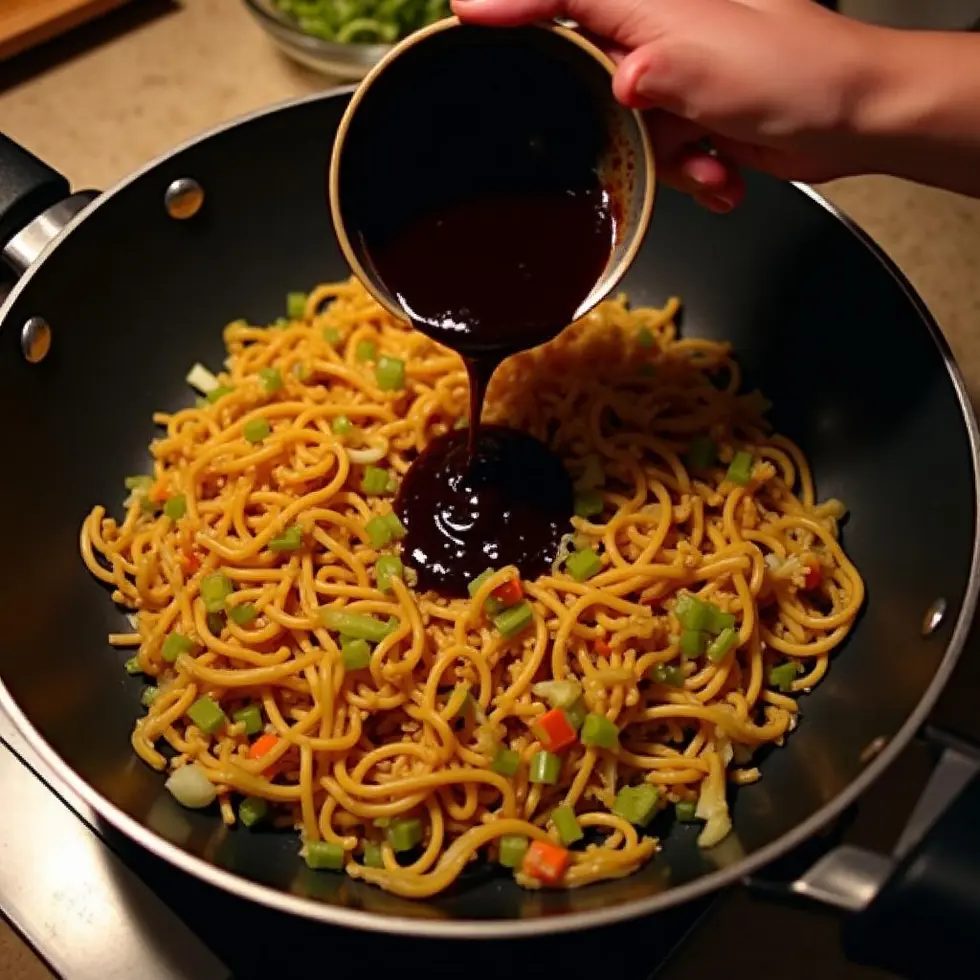
The noodles turned glossy within seconds once the sauce hit the hot wok, coating each strand evenly without clumping.
Fresh yakisoba noodles are not always stocked in every grocery store, but dried chow mein noodles work when boiled and drained thoroughly first. The texture differs slightly—fresh noodles stay springier, while dried ones soften more—but both carry the soy-sesame sauce well. If neither is available, thin lo mein noodles or even spaghetti cooked firm can step in, though the chew changes. Cabbage is the base vegetable here, and green cabbage, napa cabbage, or pre-shredded coleslaw mix all deliver the crisp-tender bite you expect. Celery adds crunch, but thinly sliced bell pepper or snap peas swap in cleanly without altering the sauce balance.
The cooking happens fast once the wok heats up. High heat keeps the vegetables crisp and prevents the noodles from turning mushy. The sauce—soy sauce, oyster sauce, sesame oil, and garlic powder—creates the savory, slightly sweet profile that tastes familiar without claiming to match the exact restaurant formula. Oyster sauce provides umami depth, while sesame oil adds a nutty finish that rounds out the soy base.
Timing matters more than technique. The vegetables stir-fry for 3 to 4 minutes, the noodles toss for 2 minutes, and the sauce coats everything in 1 to 2 minutes. Total active cooking time is under 10 minutes, which makes this a practical weeknight option when you want takeout flavor without leaving home.
Why Panda Express Chow Mein Is So Popular
The Sauce Does Most of the Work
Restaurants typically rely on a pre-mixed sauce that coats noodles evenly and quickly during the final toss. This homemade version uses soy sauce as the salty base, oyster sauce for sweetness and body, sesame oil for aroma, and garlic powder for background depth. The oyster sauce thickens slightly when heated, which helps the sauce cling to the noodles instead of pooling at the bottom of the pan. Whisking these ingredients together before cooking ensures even distribution, so every bite tastes balanced.
Garlic powder blends more smoothly into a liquid sauce than fresh garlic, which can scorch during high-heat stir-frying. Fresh minced garlic works if you add it with the vegetables and stir constantly, but powder keeps the process simpler and the flavor consistent. The sesame oil goes into the sauce, not into the wok as cooking oil, because its low smoke point makes it unsuitable for high heat. Used as a finishing oil, it delivers the nutty aroma without burning.
High Heat Preserves Texture
Stir-frying over high heat—around 400°F if you’re using an electric wok or a gas burner set to maximum—keeps the vegetables from releasing too much moisture. Cabbage, celery, and onion all contain water, and lower heat draws it out, turning the dish watery. High heat evaporates surface moisture quickly, leaving the vegetables softened but still crisp enough to snap when you bite them.
The noodles heat through in 2 minutes because they start fresh and pliable. Dried noodles need pre-boiling, and if you use those, drain them completely and shake off excess water before adding them to the wok. Wet noodles dilute the sauce and create steam instead of the glossy coating you want. Breaking up clumps by hand before tossing helps each strand separate and absorb the sauce evenly.
According to Panda Express Menus, the restaurant version uses a similar high-heat method to maintain the signature chewy texture and crisp vegetables.
The homemade version tastes fresher because the vegetables are cut minutes before cooking, not held in a steam table. You control the sauce ratio, so you can add an extra tablespoon if you prefer more glaze or hold back if you want a drier finish.
How to Make Copycat Chow Mein
Prepare the Sauce and Vegetables First
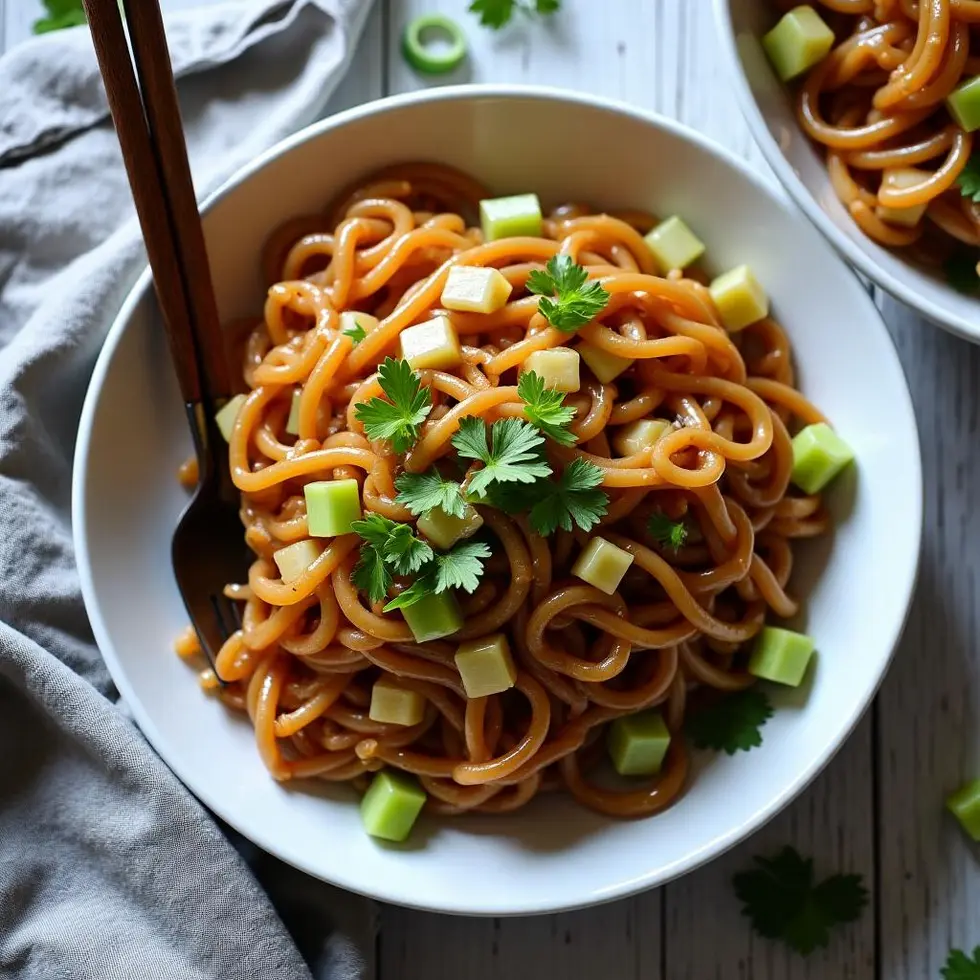
Whisk the soy sauce, oyster sauce, sesame oil, and garlic powder in a small bowl and set it within reach of the stove. Once the wok heats up, you will not have time to measure or mix. Shred the cabbage into thin ribbons, slice the celery on a diagonal to expose more surface area, and slice the onion into thin half-moons. Uniform cuts cook evenly, and thin slices soften faster than thick chunks.
If you are using dried noodles, boil them according to package directions, drain them thoroughly, and toss them with a teaspoon of vegetable oil to prevent sticking. Fresh yakisoba or chow mein noodles from the refrigerated section do not need boiling—just separate them gently with your hands before adding them to the wok.
Stir-Fry in Stages
Heat the vegetable oil in a large wok or a 12-inch skillet over high heat until it shimmers. Add the cabbage, celery, and onion, and stir-fry for 3 to 4 minutes, tossing constantly with a spatula or wooden spoon. The cabbage will wilt slightly, the onion will turn translucent, and the celery will soften but retain a crisp center. If the vegetables start to char, lower the heat slightly, but do not drop below medium-high or they will steam instead of sear.
Add the noodles and stir-fry for 2 minutes, breaking up any clumps and tossing to coat them with the oil and vegetable juices. The noodles should warm through but not dry out. Pour the sauce over everything and toss constantly for 1 to 2 minutes until the noodles and vegetables are evenly coated and the sauce has thickened slightly into a glossy sheen.
Constant tossing prevents the sauce from pooling in one spot and ensures every strand absorbs flavor. Use a lifting-and-folding motion instead of scraping the bottom of the pan, which helps the noodles stay intact.
For more inspiration on restaurant-style noodle dishes, Fork To Spoon offers a collection of tested copycat recipes.
The sauce should coat the noodles without leaving a puddle at the bottom. If it looks too dry, add a tablespoon of water and toss again. If it looks too wet, cook for an extra 30 seconds to evaporate excess liquid. The noodles finish glossy, not sticky.
Noodle Tips, Sides and Meal Pairings
How to Choose and Store Noodles
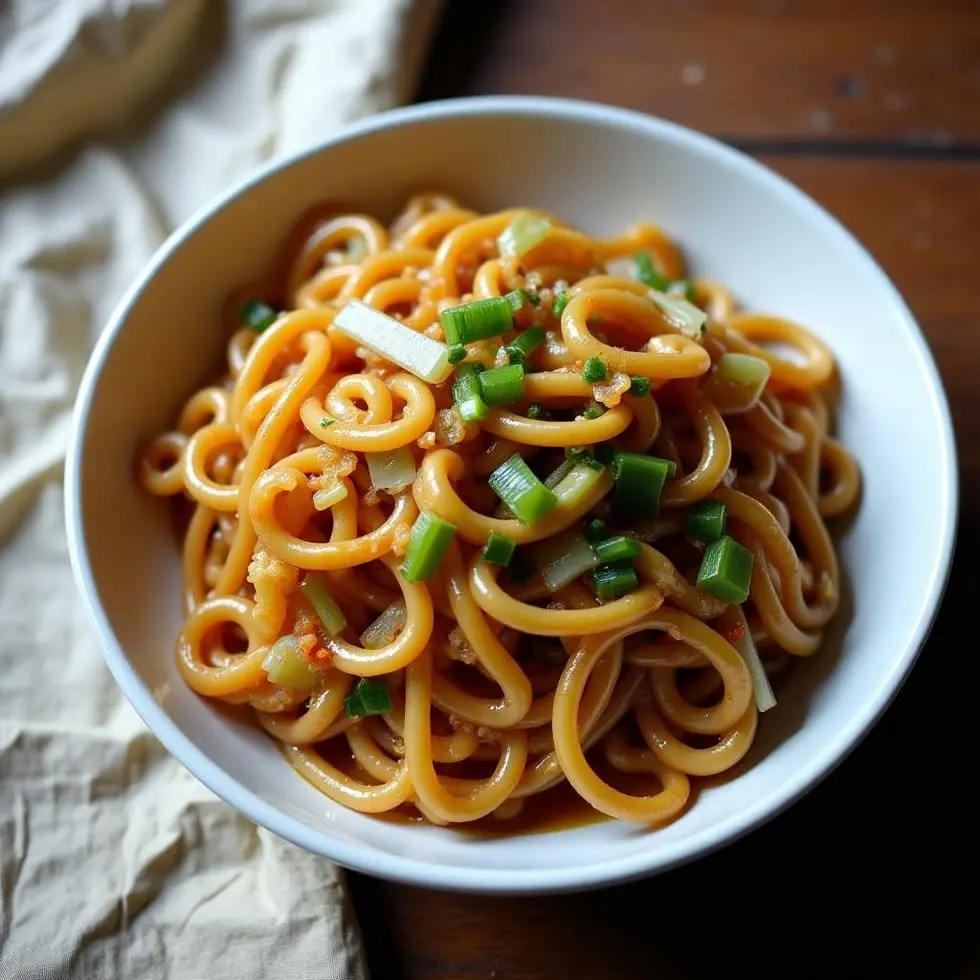
Fresh yakisoba noodles are sold in vacuum-sealed packages in the refrigerated section near tofu or wonton wrappers. They keep for about a week unopened and three days once opened. Dried chow mein noodles sit on the shelf near pasta or in the Asian foods aisle, and they store for months in a sealed container. Boil dried noodles until just tender, then drain and rinse under cold water to stop the cooking. Toss them with a small amount of oil to prevent clumping while you prepare the vegetables.
If you cannot find either type, thin spaghetti or linguine cooked one minute less than al dente works in a pinch. The texture is denser and less springy, but the sauce still clings well. Avoid thick udon or wide rice noodles, which absorb sauce unevenly and change the dish into something closer to pad see ew.
Serving Suggestions and Meal Add-Ons
This dish works as a side or a main depending on what you add. Serve it alongside grilled chicken, stir-fried tofu, or steamed shrimp for a complete meal. For a closer match to the takeout experience, pair it with orange chicken, broccoli beef, or kung pao vegetables. The noodles soak up sauces from other dishes, so they work well on a shared plate.
You can double the vegetable portion by adding sliced mushrooms, snap peas, or shredded carrots during the stir-fry step. Add them with the cabbage so they cook at the same rate. For extra protein, scramble an egg in the wok before adding the vegetables, then break it into small pieces and toss it back in at the end.
Leftovers keep in an airtight container in the refrigerator for up to three days. Reheat them in a wok or skillet over medium heat with a splash of water to loosen the sauce. Microwaving works but can make the noodles rubbery, so stovetop reheating preserves the texture better.
If you enjoy exploring other Panda Express-inspired dishes, Recipe Council shares a detailed mushroom chicken version that pairs well with this chow mein.
You can adjust the soy sauce level based on personal preference. Start with 3 tablespoons and taste a noodle strand after tossing. Add more soy sauce in half-tablespoon increments if you want a saltier finish, or add a pinch of sugar if the sauce tastes too sharp. The oyster sauce already contains sugar, so small adjustments go a long way.
Wok Heat Matters More Than You Think
High heat creates the slight char and glossy finish that defines restaurant-style stir-fry. If your burner does not reach high temperatures, preheat the wok for a full 2 minutes before adding oil. The wok should feel hot when you hover your hand above it, and the oil should shimmer within seconds of contact.
Use just enough oil to coat the bottom of the wok—2 tablespoons for a 14-inch wok or a 12-inch skillet. Too much oil makes the dish greasy, while too little causes the vegetables to stick. Toss the ingredients constantly to prevent burning, and work in batches if your wok is smaller than 12 inches. Crowding the pan lowers the temperature and steams the food instead of searing it.
Frequently Asked Questions
Can I use pre-shredded coleslaw mix instead of cutting fresh cabbage?
Pre-shredded coleslaw mix works well and saves time. Most mixes contain cabbage and carrots, which add color and sweetness. Drain any excess moisture from the bag before adding it to the wok, since pre-cut vegetables release more water than freshly shredded ones. The texture stays crisp as long as you stir-fry over high heat.
Choosing the fresh yakisoba noodles or chow mein noodles carefully makes this copycat Panda Express chow mein noticeably better.
What if I do not have oyster sauce?
Hoisin sauce is the closest substitute in terms of sweetness and body, though it tastes slightly fruitier. Use 1 tablespoon of hoisin mixed with 1 teaspoon of soy sauce to replace 1 tablespoon of oyster sauce. The sauce will be thicker, so you may need to add a splash of water when tossing. Avoid using fish sauce alone, since it lacks the sweetness and viscosity that oyster sauce provides.
How do I keep the noodles from sticking together?
Toss fresh noodles with your hands before adding them to the wok to separate any clumps. If you are using dried noodles, rinse them under cold water after boiling, then toss them with a teaspoon of vegetable oil. Stir-fry the noodles quickly and add the sauce while the wok is still hot, so the heat keeps them moving and prevents them from fusing together.
Can I make this dish ahead of time?
You can prepare the sauce and cut the vegetables up to a day in advance, but cook the noodles right before serving. Stir-fried noodles lose their texture when held for more than a few hours, even in the refrigerator. If you need to cook ahead, undercook the noodles slightly and store them with a light coating of oil. Reheat everything in a hot wok with a splash of water to refresh the sauce and texture.
Why did my noodles turn mushy?
Mushy noodles usually result from overcooking them before stir-frying or using too low a heat during the final toss. Fresh yakisoba noodles do not need boiling, so adding them directly to the wok keeps them firm. If you used dried noodles, make sure you drained them completely and did not boil them past the package time. Stir-frying over high heat for no more than 2 minutes after adding the noodles prevents them from softening further.
Copycat Panda Express Chow Mein
Ingredients
Method
- Whisk together soy sauce, oyster sauce, sesame oil, and garlic powder in a small bowl and set aside.
- Heat vegetable oil in a large wok or skillet over high heat until shimmering.
- Add cabbage, celery, and onion, and stir-fry for 3 to 4 minutes until softened but still crisp.
- Add noodles and stir-fry for 2 minutes, breaking up any clumps and tossing to heat through.
- Pour the sauce over the noodles and vegetables, tossing constantly for 1 to 2 minutes until evenly coated and glossy.
