
When I let shredded chicken cool for only two minutes instead of five, the mayonnaise thinned out and pooled at the bottom of the bowl.
Most homemade versions of this restaurant-style chicken salad turn out watery because the chicken releases steam into the dressing. The problem happens in the five-minute gap between simmering and shredding. If you rush it, the heat melts the mayonnaise coating. If you wait too long, the chicken dries out and refuses to shred cleanly.
The creamy coating holds together when the chicken reaches room temperature before dressing. You taste clean chicken flavor balanced with tangy lemon and mild garlic, not a puddle of separated mayo. This chicken salad chick classic carol recipe delivers that balance using precise cooling time and a mayonnaise-sour cream blend that stays thick.
The entire process takes 35 minutes from boiling water to finished salad. You get four servings that hold their texture in the refrigerator for three days without weeping or turning bland.
The homemade version tastes fresher because you control the chicken texture and the dressing ratio. Cooling the chicken to exactly the right temperature before mixing prevents the watery consistency that ruins most rushed batches.
Why Classic Carol Is So Loved
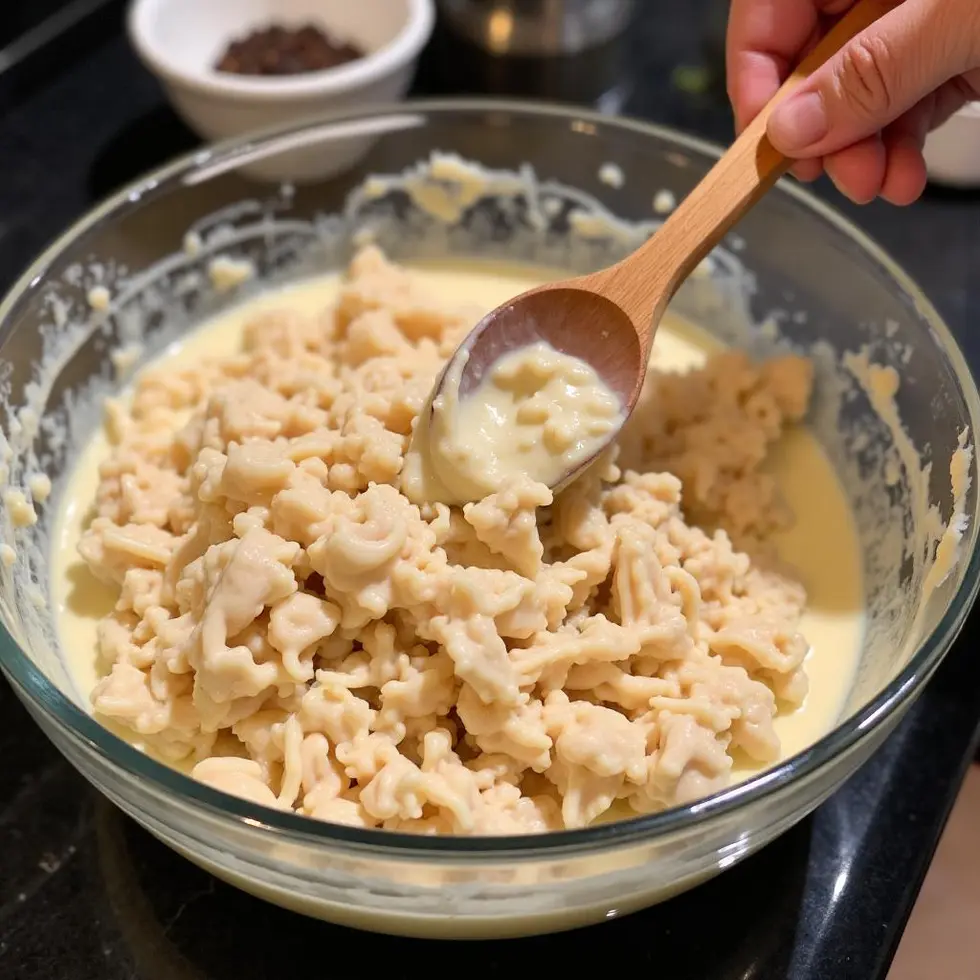
The Creamy Coating That Stays Put
Classic Carol relies on a mayonnaise and sour cream base that coats shredded chicken without separating. The sour cream adds tang and stabilizes the dressing so it clings to every piece instead of sliding off. Most versions use only mayonnaise, which breaks when it meets warm chicken.
The ratio matters: three parts mayonnaise to one part sour cream gives you enough richness without masking the chicken flavor. Lemon juice brightens the mixture and balances the fat. When you whisk these three ingredients first, the dressing emulsifies into a smooth coating that holds up under refrigeration.
Why Shredded Chicken Works Better Than Chopped
Shredding chicken with two forks creates irregular strands that catch the dressing in every crevice. Chopped chicken has smooth surfaces that let the coating slide off. Shredding also takes less time than knife work once the chicken cools to a safe handling temperature.
The texture difference shows up in every bite. Shredded chicken gives you tender pieces that mix with the dressing instead of sitting in it. The method also reveals any undercooked spots immediately, which diced chicken can hide.
The Seasoning Balance That Defines the Style
Garlic powder and onion powder season the dressing without adding moisture or sharpness. Fresh garlic releases water and overpowers the mild chicken flavor. Fresh onion does the same and leaves crunchy bits that clash with the creamy texture.
Black pepper and salt finish the blend with warmth and savory depth. You need exactly one-quarter teaspoon of each to balance the richness without turning the salad sharp or too heavily seasoned. The copycat chicken salad style depends on this restraint.
Other variations from The Food Hussy add jalapeños or pickles, but Classic Carol skips those to keep the flavor clean and the coating smooth.
How to Make the Copycat Salad
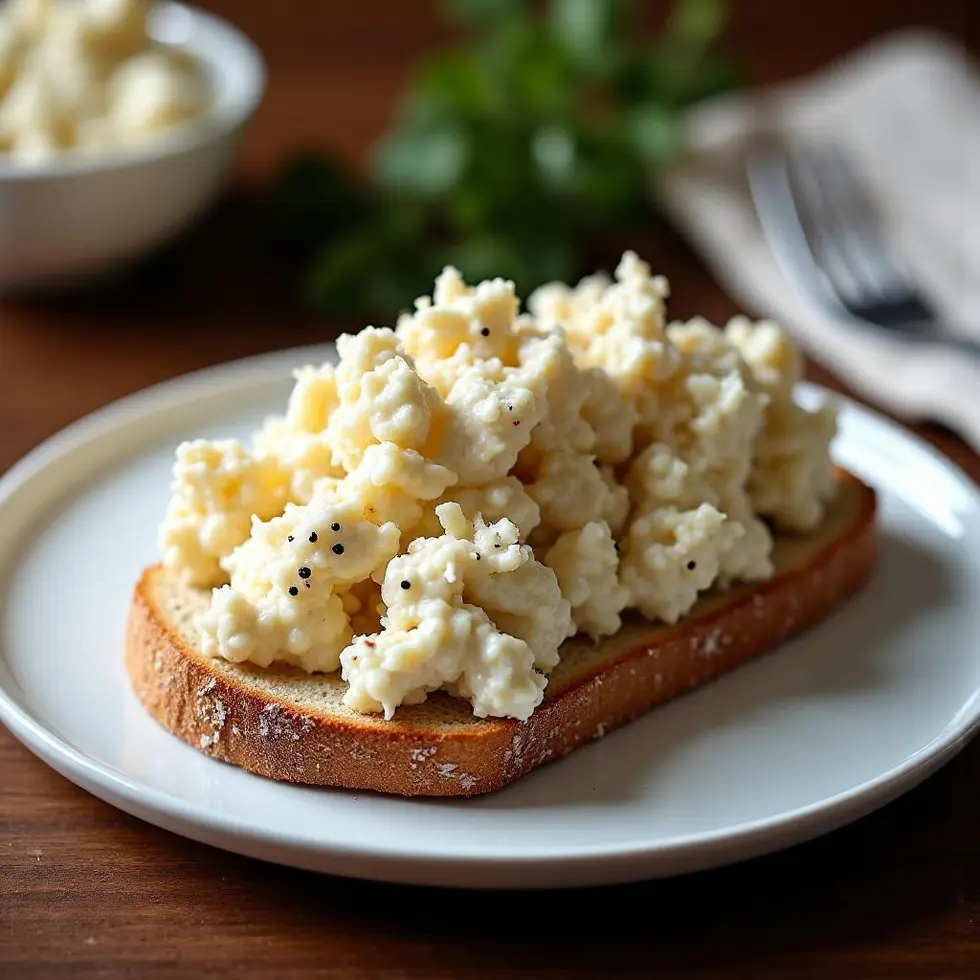
Cooking the Chicken to 165°F Without Drying It Out
Place 450 grams of chicken breast in a pot and cover it completely with cold water. Bring the water to a full boil over high heat, then reduce to a gentle simmer. Cook for 18 to 20 minutes until the internal temperature reaches 165°F (74°C) when measured with a digital thermometer in the thickest part.
Overcooking past 165°F squeezes moisture out of the chicken and makes shredding difficult. Undercooking leaves raw spots that ruin the texture. A digital thermometer removes the guesswork and gives you consistently tender chicken every time.
Remove the chicken from the pot and let it cool on a plate for exactly five minutes. This step prevents the mayonnaise from melting when you mix the salad. If the chicken still feels too hot to handle comfortably, wait another minute before shredding.
Shredding and Coating the Chicken Evenly
Use two forks to pull the chicken apart into bite-size strands. Work in the same direction the muscle fibers run to create long, clean pieces. Cross-grain shredding gives you short chunks that feel dry and don’t hold the dressing as well.
In a large bowl, whisk together three-quarters cup of mayonnaise, two tablespoons of sour cream, one tablespoon of lemon juice, one-half teaspoon each of garlic powder and onion powder, and one-quarter teaspoon each of black pepper and salt. Whisk until the mixture looks completely smooth with no streaks of sour cream.
Add the shredded chicken to the bowl and toss with a spoon or spatula until every strand is coated. The dressing should cling to the chicken without pooling at the bottom. If you see liquid collecting, you either added the chicken too hot or didn’t whisk the dressing enough before mixing.
Fixing the Texture When Things Go Wrong
If the salad turns out watery, the chicken was too warm when you mixed it. Drain the excess liquid and add one tablespoon of mayonnaise to rebind the coating. Stir gently and refrigerate for 30 minutes to let the dressing thicken.
If the salad tastes bland, add a pinch more salt and a squeeze of fresh lemon juice. Taste after every addition. Oversalting is harder to fix than underseasoning.
The chicken salad chick recipe depends on this precise sequence: cook, cool, shred, dress, and serve or refrigerate immediately.
Serving and Storage Tips
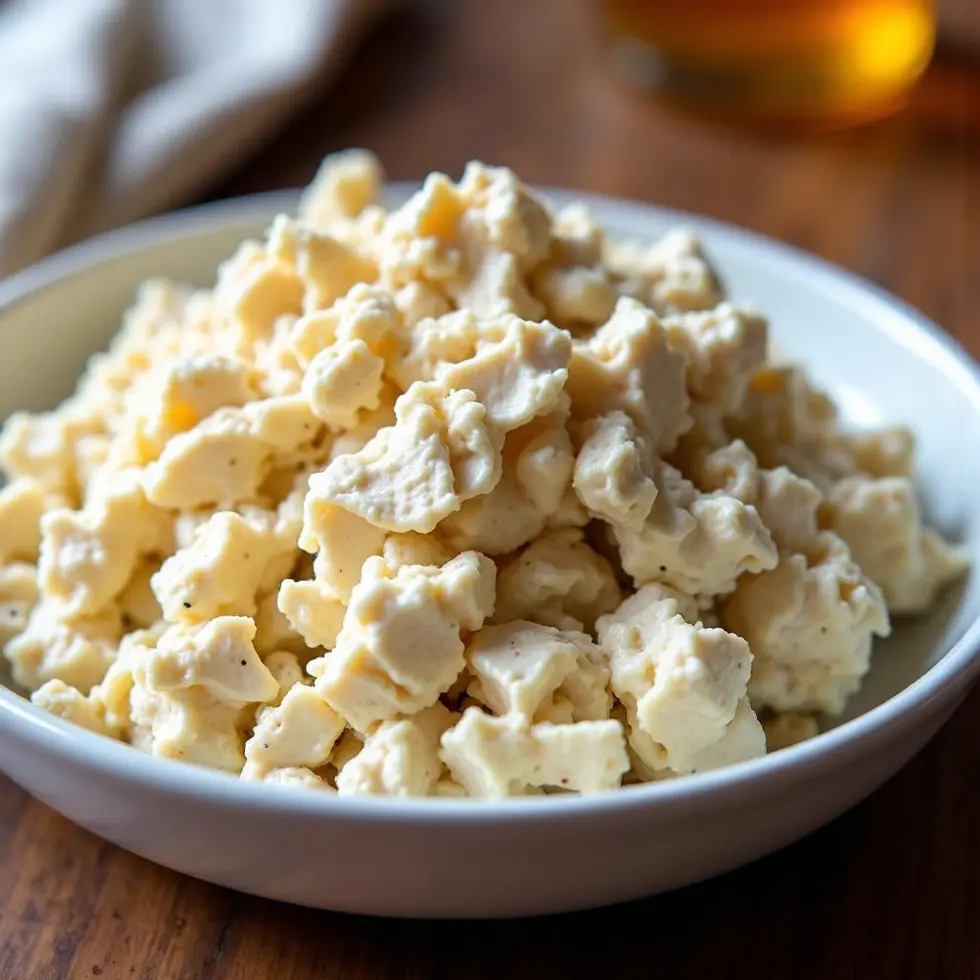
How to Serve Classic Carol Chicken Salad
Serve the salad immediately on toasted whole grain bread, crackers, or a bed of crisp lettuce. Toasting the bread keeps the bottom slice from turning soggy when the dressing soaks in. Crackers give you a crunchy contrast to the creamy texture.
For a lighter meal, scoop the salad onto butter lettuce leaves or romaine hearts. The mild lettuce flavor lets the chicken and dressing stand out. You can also fill halved avocados or hollowed tomatoes for a low-carb option.
Storing Leftovers Without Losing Texture
Transfer the salad to an airtight container and refrigerate for up to three days. The dressing holds its texture better when the container is filled nearly to the top, which reduces air exposure. Do not freeze this salad; the mayonnaise separates when thawed and turns grainy.
Stir the salad gently before serving leftovers. Some liquid may settle at the bottom overnight, but a quick stir redistributes the dressing. If the salad tastes less tangy on day two, add a half teaspoon of lemon juice and a pinch of salt.
Adjusting the Recipe for Meal Prep or Larger Batches
Double the recipe to feed eight people or to prep lunches for the week. Use a larger pot for the chicken and extend the simmering time by two minutes to ensure even cooking. The dressing ratio scales proportionally, so multiply every ingredient by two.
Store individual portions in small containers to keep the salad fresh longer. Opening one large container daily exposes the entire batch to air and shortens its shelf life.
Proper cooling and immediate refrigeration prevent the mayonnaise from breaking and the chicken from drying out between servings.
Shredding the Chicken Correctly
The single check that prevents watery dressing is shredding the chicken only after it cools to a temperature you can comfortably hold in your hand. Press your palm against the chicken for two seconds. If it feels too hot, wait another minute and test again.
The classic carol chicken salad texture depends on this one step. Hot chicken melts the mayonnaise and creates the pooling liquid that most homemade versions suffer from. Cool chicken accepts the coating and holds it through mixing and refrigeration.
Frequently Asked Questions
Can I use rotisserie chicken instead of poaching my own?
You can use rotisserie chicken, but remove the skin and let the meat cool completely before shredding. Rotisserie chicken often carries extra seasoning that may clash with the garlic and onion powder in the dressing. Taste the salad before adding the full quarter teaspoon of salt, and adjust as needed.
Why does my chicken salad taste bland even after adding all the seasonings?
Bland chicken salad usually means the dressing needs more lemon juice or salt. Add one teaspoon of lemon juice first, stir, and taste again. If it still tastes flat, add a pinch of salt. The acidity from the lemon brightens the creamy base and makes the other seasonings come forward.
How do I keep the chicken salad from getting watery in the refrigerator?
Watery chicken salad happens when you mix the dressing while the chicken is still warm, or when you store the salad in a container with too much air space. Cool the chicken to room temperature before mixing, and use a container that fits the portion snugly to minimize air exposure.
Can I make this chicken salad ahead of time for a party?
Make the chicken salad up to two days ahead and store it in an airtight container in the refrigerator. Stir it gently before serving to redistribute any dressing that settles. Do not add the salad to bread or crackers until just before serving, or the bread will turn soggy.
Classic Carol Chicken Salad
Ingredients
Method
- Place the chicken breast in a pot, cover with water, bring to a boil, then reduce heat and simmer for 18 to 20 minutes until cooked to 165°F / 74°C.
- Remove the chicken, let it cool for 5 minutes, then shred it into bite-size pieces using two forks.
- In a large bowl, whisk together mayonnaise, sour cream, lemon juice, garlic powder, onion powder, black pepper, and salt until smooth.
- Add the shredded chicken to the bowl and toss until every piece is evenly coated with the creamy dressing.
- Serve immediately on bread, crackers, or lettuce, or refrigerate for up to 3 days in an airtight container.
