
I added pickled jalapeño juice instead of plain vinegar, and the queso stayed pourable for twenty minutes without breaking.
Most homemade queso turns grainy or separates within minutes. The problem is almost always too much heat or the wrong cheese. White American cheese melts at a lower temperature than cheddar or Monterey Jack, which means it stays creamy without forming the fat pools or stringy clumps you see in failed batches. When you stir it constantly over medium-low heat, the proteins emulsify with the milk instead of seizing.
The entire process takes thirteen minutes from start to finish, and the yield is generous enough to serve ten people as a dip or drizzle over multiple burrito bowls. You can make it in advance and reheat it gently on the stovetop or in the microwave without the texture suffering.
The moment you pour this chipotle queso blanco copycat over warm tortilla chips, the consistency matches what you’d expect from the restaurant version: glossy, smooth, and just thick enough to cling without pooling. The pickled jalapeño juice adds a subtle tang that balances the richness of the cheese, and the green chiles provide mild heat without overwhelming the flavor.
Why Queso Blanco Is So Creamy
The Cheese Makes the Difference
White American cheese is the foundation of this restaurant-style dip. Unlike aged cheeses, it contains emulsifying salts that prevent fat separation when heated. That’s why it melts into a smooth, pourable consistency instead of breaking into grease and curds.
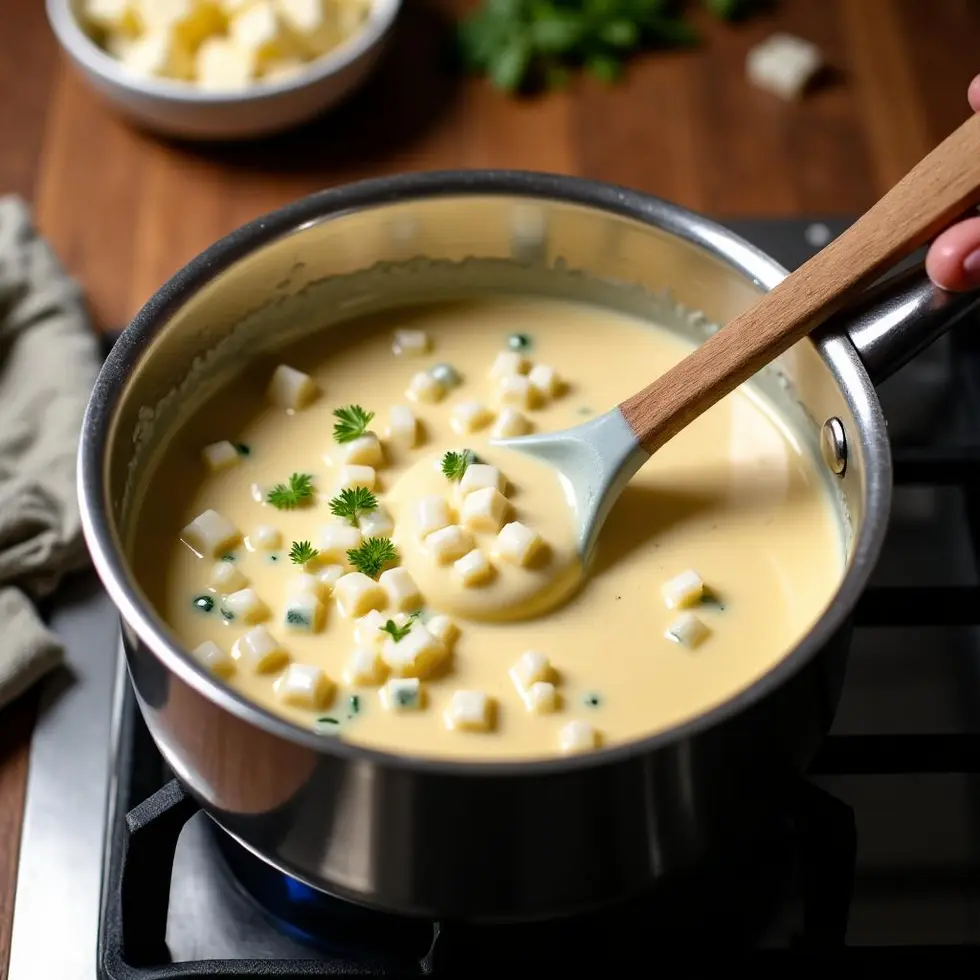
Cubing the cheese before you start ensures even melting. When you add large blocks, the outside melts before the center softens, which creates uneven texture and requires more stirring time. Half-inch cubes melt in five to seven minutes over medium-low heat.
Heat Control Prevents Grainy Texture
Medium-low heat is essential. If the temperature climbs too high, the proteins in the cheese tighten and expel moisture, leaving you with a gritty, separated dip. Constant stirring distributes heat evenly and keeps the mixture from scorching on the bottom of the pan.
The milk, green chiles, jalapeño juice, garlic powder, and cumin warm first, creating a flavorful base that seasons the cheese as it melts. This method prevents the spices from clumping or burning, which can happen if you add them directly to melted cheese.
Whole milk provides enough fat to keep the queso rich without making it heavy. Lower-fat milk produces a thinner consistency, while half-and-half or cream can make the dip too dense. The pickled jalapeño juice adds acidity that brightens the flavor and helps the emulsion stay stable.
How to Make Copycat Queso
Preparing the Base
Combine the half cup of whole milk, two tablespoons of diced green chiles, one tablespoon of pickled jalapeño juice, half a teaspoon of garlic powder, and a quarter teaspoon of cumin in a medium saucepan. Place it over medium-low heat and stir occasionally until the mixture is warm and fragrant, about two minutes.
The green chiles should already be diced and drained before you add them. If you use canned chiles straight from the can without draining, the extra liquid dilutes the final consistency. Pat them dry with a paper towel if they seem especially wet.
Melting the Cheese
Add the two cups of cubed white American cheese to the saucepan. Stir constantly with a wooden spoon or silicone spatula, scraping the bottom and sides to prevent sticking. The cheese will begin to soften within two minutes, and the mixture will become smooth and glossy as the cubes melt completely.
This step takes five to seven minutes. If you stop stirring, the cheese can settle on the bottom and scorch, which gives the queso a bitter taste. If the mixture looks too thick, add milk one tablespoon at a time until you reach a pourable consistency.
Remove the pan from heat as soon as the queso is fully melted and smooth. Overheating after this point can cause the proteins to tighten, which leads to graininess. The residual heat will keep the dip warm for serving.
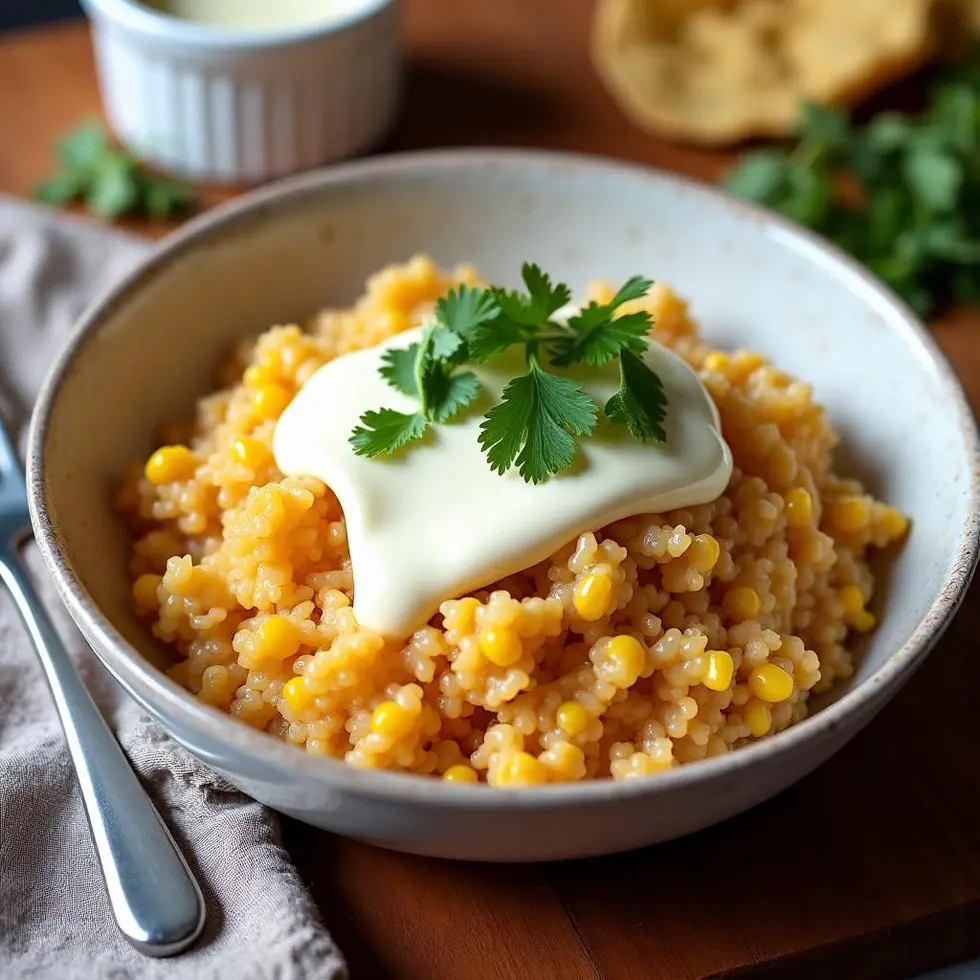
As The Girl on Bloor demonstrates with burrito bowl assembly, this queso blanco recipe works well as a drizzle over rice and protein.
Serving and Reheating Tips
Serving Ideas Beyond Chips
Serve the queso warm with tortilla chips for dipping, or drizzle it over burrito bowls, tacos, nachos, or baked potatoes. It pairs well with grilled vegetables, roasted chicken, or black beans. For a sharper flavor, stir in a tablespoon of diced pickled jalapeños just before serving.
If you’re serving it as a party dip, transfer the queso to a small slow cooker set on the warm setting. This keeps it at the ideal temperature without scorching. Stir it every twenty minutes to maintain even consistency.
For burrito bowl toppings similar to what Easy Family Recipes features, pair the queso with fresh corn salsa and cilantro lime rice.
Storing and Reheating
Store leftover queso in an airtight container in the refrigerator for up to four days. The texture will thicken as it cools, which is normal for cheese-based dips. To reheat, transfer the queso to a small saucepan over low heat and stir constantly until smooth, adding one to two tablespoons of milk if needed to restore the original consistency.
You can also reheat it in the microwave in fifteen-second intervals, stirring between each interval. Avoid high heat, which causes the cheese to separate. If the queso breaks during reheating, whisk in a splash of warm milk to bring the emulsion back together.
This chipotle queso copycat freezes well for up to three months. Thaw it overnight in the refrigerator, then reheat gently on the stovetop with a small amount of added milk.
The Stirring Step You Can’t Skip
Constant stirring during the melting phase prevents the cheese from settling and scorching on the bottom of the pan. If you walk away for even a minute, the proteins can tighten unevenly, which creates lumps and a grainy texture that won’t smooth out.
If you see the queso starting to thicken too much or lose its gloss, pull it off the heat immediately. You can always return it to the burner if it cools too much, but once the proteins seize, the damage is permanent.
Frequently Asked Questions
Can I use a different type of cheese?
White American cheese is essential for the smooth, creamy texture. Other cheeses like cheddar or Monterey Jack contain less emulsifying salt and will separate or turn grainy when melted. If you can’t find white American cheese, use yellow American cheese, though the color will differ.
How do I make the queso spicier?
Add one to two tablespoons of diced pickled jalapeños or a pinch of cayenne pepper when you melt the cheese. You can also use hot green chiles instead of mild ones. Taste as you go to control the heat level.
Why did my queso turn grainy?
Graininess happens when the cheese is heated too quickly or at too high a temperature. The proteins tighten and expel moisture, leaving a separated, gritty texture. Always use medium-low heat and stir constantly to prevent this.
Can I make this queso ahead of time?
Yes. Make the queso up to four days in advance and store it in the refrigerator. Reheat gently on the stovetop over low heat, stirring constantly and adding milk one tablespoon at a time to restore the smooth consistency.
What if I don’t have pickled jalapeño juice?
You can substitute white vinegar or fresh lime juice. Start with one teaspoon, then add more to taste. The acidity helps balance the richness of the cheese and keeps the emulsion stable.
Copycat Queso Blanco
Ingredients
Method
- Combine the milk, green chiles, jalapeño juice, garlic powder, and cumin in a medium saucepan over medium-low heat.
- Add the cubed white American cheese and stir constantly until fully melted and smooth, about 5 to 7 minutes.
- Remove from heat once the queso reaches a creamy, pourable consistency.
- Serve warm with tortilla chips, drizzle over burrito bowls, or spoon onto tacos.
