
I watched the buttermilk drip off a drumstick before the second flour dredge, and that wet layer turned into the shaggy, thick crust I was after.
Most home cooks skip the double dip because it feels redundant. The reason restaurants rely on it is physical, not mystical: buttermilk hydrates the first layer of seasoned flour into a paste, and when you dip the coated chicken back into buttermilk and then flour again, that paste grabs the second coating and holds it during frying. The result is a crust that stays attached, crisps deeply, and builds texture in layers rather than in one thin shell.
The homemade version of this copycat Popeyes chicken delivers more control over spice level, fresher oil, and chicken pieces you can choose yourself. You work with a spice blend that balances paprika, cayenne, garlic powder, onion powder, black pepper, and salt—each one contributing a distinct layer of heat, sweetness, or depth rather than a single flat note.
What Makes Popeyes Chicken So Crispy
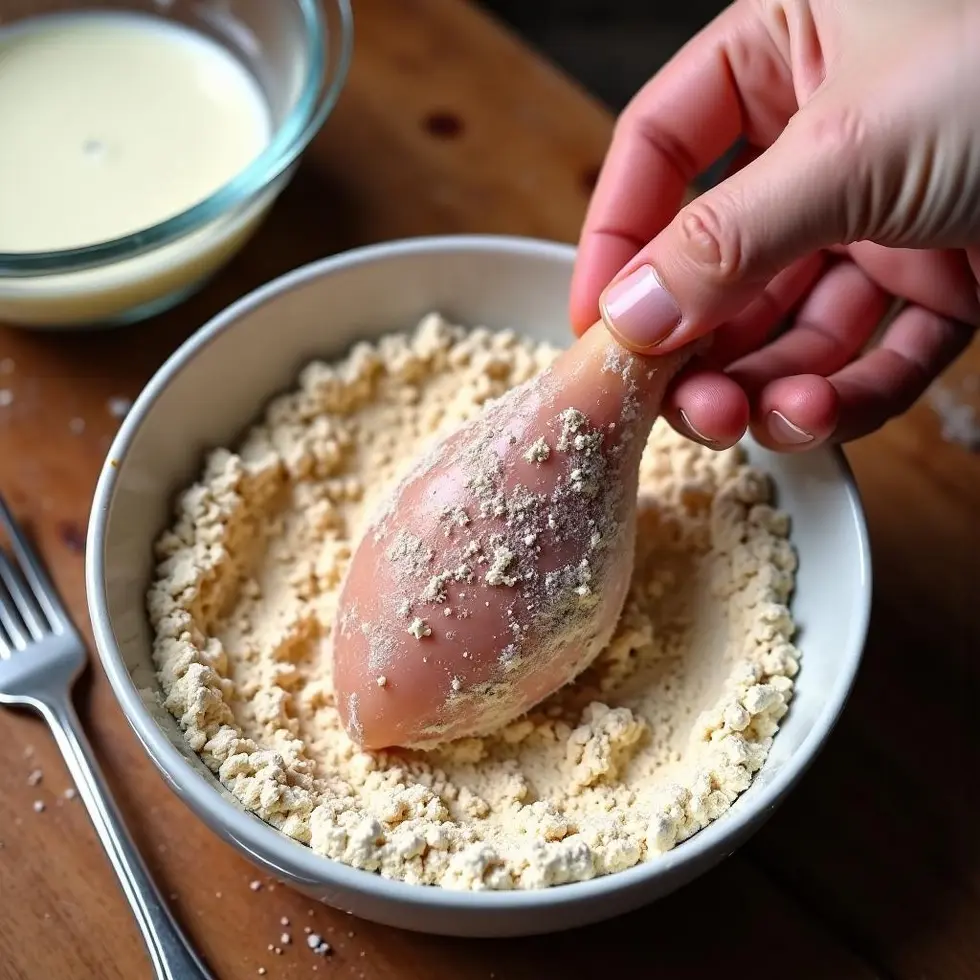
The Double-Dredge Coating Technique
The coating process follows a specific rhythm: buttermilk, seasoned flour, buttermilk again, then flour again. Each dip serves a structural purpose. The first flour layer clings to the wet chicken skin and absorbs moisture from the buttermilk, forming a tacky base. When you dip the piece back into buttermilk, that base softens slightly, and the second flour layer bonds to it, creating a thicker, more textured crust that doesn’t peel off during frying.
Most fried chicken recipes stop at one dredge, which produces a thinner, more uniform crust. The double method builds irregularity—those ridges and flakes that crisp into shards when they hit 350°F oil.
Why Buttermilk Works Better Than Plain Milk
Buttermilk contains lactic acid, which tenderizes the chicken surface and adds a subtle tang that balances the cayenne heat. The acidity also helps the flour coating adhere more firmly than whole milk or water would. Plain milk lacks the acidity, so the crust tends to slide more easily and the chicken stays slightly tougher.
The thickness of buttermilk matters, too. It coats the chicken more evenly than thin liquids, which means every inch of the piece carries enough moisture to activate the flour.
The Spice Blend Ratio That Delivers Heat and Depth
Paprika provides color and mild sweetness. Cayenne pepper delivers direct heat. Garlic powder and onion powder add savory depth without the moisture raw aromatics would introduce. Black pepper contributes a sharp, peppery bite that’s distinct from cayenne’s slower burn. Salt pulls all the flavors forward and seasons the chicken as it fries.
Using two teaspoons of paprika against one teaspoon of cayenne keeps the heat noticeable but not overwhelming. If you prefer a milder version, drop the cayenne to half a teaspoon. If you want more heat, raise it to one and a half teaspoons, but go no higher unless you’re prepared for serious spice.
That balance of spices gives the fried chicken a layered flavor profile that builds as you chew, rather than hitting you all at once.
How to Make Copycat Fried Chicken
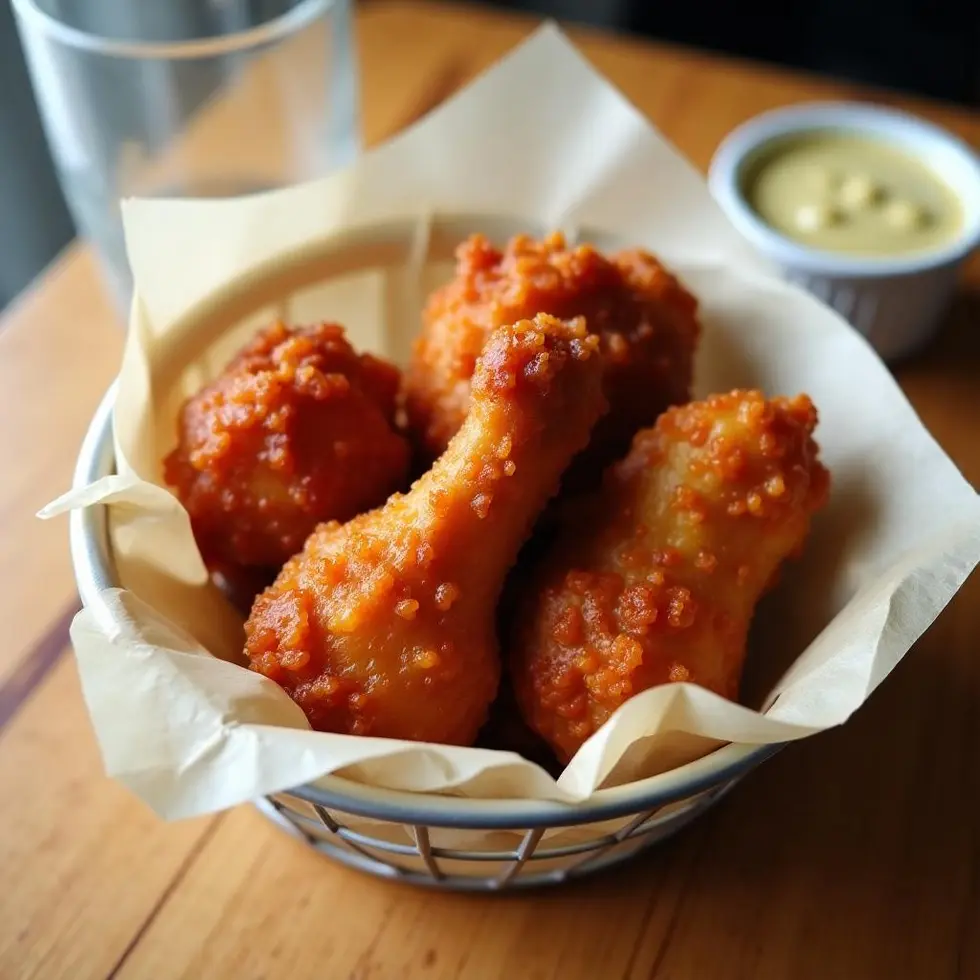
Preparing the Spice Blend and Coating Station
Combine two cups of all-purpose flour with two teaspoons of paprika, one teaspoon each of cayenne pepper, garlic powder, onion powder, black pepper, and salt in a large bowl. Whisk the mixture until the spices distribute evenly—any clumps of cayenne will create hot spots on individual pieces.
Pour one cup of buttermilk into a shallow dish. Set the seasoned flour bowl and the buttermilk dish side by side, leaving room for a plate or tray to hold the coated chicken before frying. This assembly-line setup keeps the process efficient and prevents cross-contamination between wet and dry stations.
Coating the Chicken in Two Layers
Pat the chicken thighs and drumsticks dry with paper towels. Excess surface moisture dilutes the buttermilk and weakens the first flour layer. Dip one piece into the buttermilk, turning it to coat all sides. Let the excess drip off for two seconds, then press the piece into the seasoned flour, turning and pressing gently to cover every surface.
Dip the floured piece back into the buttermilk, making sure the flour layer gets wet again. The coating will look rough and slightly clumpy—that’s the texture you want. Dredge the piece in flour one final time, pressing firmly to build a thick, uneven crust.
Repeat with the remaining chicken pieces. Let the coated chicken rest on a wire rack for five minutes before frying. This rest allows the coating to set slightly, which reduces the chance of it sliding off when the chicken hits the oil.
Frying at the Right Temperature for Crispy, Juicy Chicken
Heat four cups of vegetable oil in a deep skillet or Dutch oven over medium-high heat until a thermometer reads 350°F. If you don’t have a thermometer, drop a pinch of flour into the oil—if it sizzles immediately without smoking, the oil is ready.
Fry the chicken in batches, placing three or four pieces in the oil without crowding. Crowding lowers the oil temperature too much, which makes the crust absorb oil instead of crisping. Fry for 14 to 18 minutes, turning the pieces once halfway through, until the crust turns deep golden brown and the internal temperature reaches 165°F.
Use a slotted spoon or tongs to transfer the fried chicken to a wire rack set over a baking sheet. The rack allows air to circulate underneath, which keeps the bottom of the crust crispy instead of steaming against the surface.
Seasoning, Frying and Serving Tips
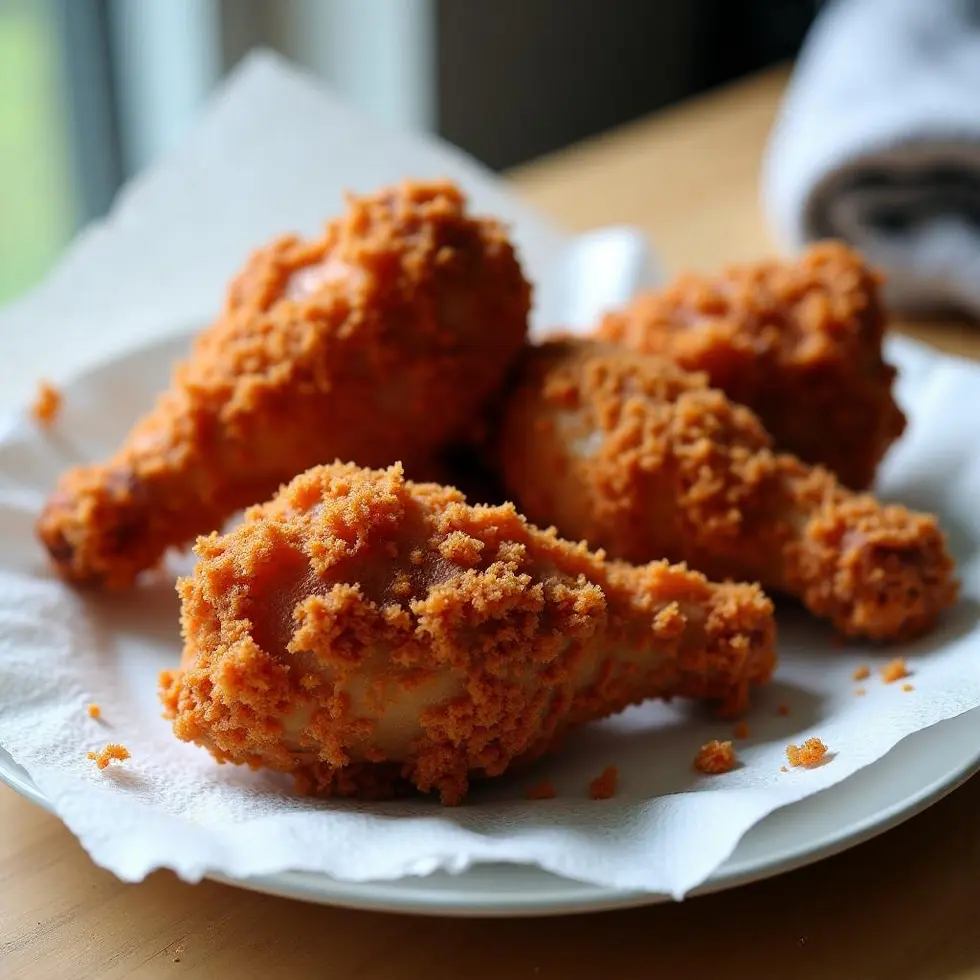
Adjusting the Spice Level
The base recipe delivers moderate heat. To make it milder, reduce the cayenne to half a teaspoon or omit it entirely, relying on black pepper and paprika for warmth. To increase the heat, add an extra half teaspoon of cayenne or a quarter teaspoon of ground white pepper, which contributes a sharper, more immediate burn.
You can also season the buttermilk with a quarter teaspoon of cayenne before dipping the chicken. This distributes heat more evenly through the crust rather than concentrating it on the surface.
Oil Temperature and Frying in Batches
Maintaining 350°F throughout frying is critical. If the temperature drops below 325°F, the crust absorbs oil and turns greasy. If it climbs above 375°F, the outside burns before the chicken cooks through. After adding a batch of chicken, the temperature will drop by 20 to 30 degrees. Wait until it recovers to 350°F before adding the next batch.
Frying in batches rather than all at once keeps the temperature stable and gives each piece enough space to brown evenly. Plan for about 20 minutes of total frying time if you’re working with two batches.
Serving Suggestions and Storage
Serve the popeyes chicken recipe with coleslaw, biscuits, or hot sauce on the side. The acidity of coleslaw cuts through the richness of the fried crust, while biscuits soak up any drippings on the plate. Hot sauce adds another layer of heat for those who want it.
Store leftover chicken in an airtight container in the refrigerator for up to three days. Reheat it in a 400°F oven for 10 minutes to restore some of the crust’s crispness. Avoid microwaving, which makes the coating soft and chewy. Many home cooks have found success recreating restaurant-style fried chicken using double-dredge techniques similar to those shared on copycat recipe resources.
The chicken tastes best within two hours of frying, when the crust is still crisp and the meat is still warm.
Why the Coating Holds During Frying
The coating stays attached because the double dredge creates mechanical grip. When the first flour layer gets wet from the second buttermilk dip, it swells and becomes sticky. The second flour layer presses into that sticky surface and locks in place as the proteins in the flour gelatinize in the hot oil.
If you skip the second dredge, the coating remains thin and smooth, which makes it more likely to peel away during frying or when you bite into the chicken. The irregularity of the double-dredged crust also increases surface area, which means more edges that can crisp and brown. That’s why the texture feels so different from single-coated fried chicken—it’s not just thicker, it’s structurally more complex.
Fry the chicken as soon as possible after coating. If the coated pieces sit for more than 15 minutes, the moisture from the buttermilk starts to dissolve the flour, which weakens the crust and makes it soggy before it even reaches the oil.
Frequently Asked Questions
Can I use chicken breasts instead of thighs and drumsticks?
You can, but breasts dry out more easily during frying because they contain less fat. If you use breasts, cut them into smaller pieces and reduce the frying time to 12 to 14 minutes to avoid overcooking. Check the internal temperature with a thermometer to ensure it reaches 165°F without going higher.
The quality of the chicken thighs and drumsticks sets the tone for this copycat popeye’s chicken.
What kind of oil is best for frying chicken?
Vegetable oil, canola oil, or peanut oil all work well because they have high smoke points above 400°F. Avoid olive oil or butter, which burn at frying temperatures. The oil should be neutral in flavor so it doesn’t compete with the spice blend.
Why does my coating sometimes fall off during frying?
The coating falls off if the chicken is too wet when you start the dredging process, if you skip the second dredge, or if you move the chicken too much during frying. Pat the chicken dry before coating, press the flour firmly into each piece, and let the coated chicken rest for five minutes before frying. Once the chicken is in the oil, turn it only once.
Can I make this spicier without adding more cayenne?
Yes. Add a quarter teaspoon of ground white pepper to the flour mixture for sharper heat, or mix a teaspoon of hot sauce into the buttermilk before dipping. You can also serve the fried chicken with a spicy dipping sauce on the side, which lets each person control the heat level.
Copycat Popeyes Chicken
Ingredients
Method
- Combine flour, paprika, cayenne pepper, garlic powder, onion powder, black pepper, and salt in a large bowl.
- Dip each chicken piece in buttermilk, then dredge in the seasoned flour, dip back in buttermilk, and coat again in flour for a thick crust.
- Heat vegetable oil in a deep skillet or Dutch oven to 350°F / 175°C.
- Fry chicken pieces in batches for 14 to 18 minutes, turning once, until golden brown and the internal temperature reaches 165°F / 74°C.
- Drain on a wire rack or paper towels and serve hot.
