
Whisking lemon juice into honey and mayonnaise creates a pale yellow base that stays smooth instead of breaking into separated pools.
If you don’t have Dijon mustard, yellow mustard alone works fine — but the final dip leans slightly sweeter and loses some of the tangy depth. That’s the ingredient most home cooks are short on, and the one that makes the biggest difference. The Dijon brings a sharper, more complex mustard flavor that balances the honey’s sweetness. Without it, you can add an extra half tablespoon of yellow mustard and a tiny squeeze of lemon juice to restore some of the brightness, though the texture will be thinner.
The restaurant-style dipping sauce many people recognize pairs a creamy base with a balanced sweet-tangy punch. The homemade version delivers that same familiar flavor profile, but you control the honey-to-mustard ratio and the texture stays consistent because you’re whisking fresh ingredients instead of relying on a pre-mixed formula. The 30-minute refrigeration isn’t optional — it allows the garlic powder to hydrate and the flavors to settle into a unified sauce rather than tasting like separate components.
This copycat raising cane’s honey mustard uses six pantry staples and comes together in one bowl. The chilling step does the blending work, so you’re not stirring endlessly to combine thick honey with acidic mustard.
Why This Sauce Works With Tenders
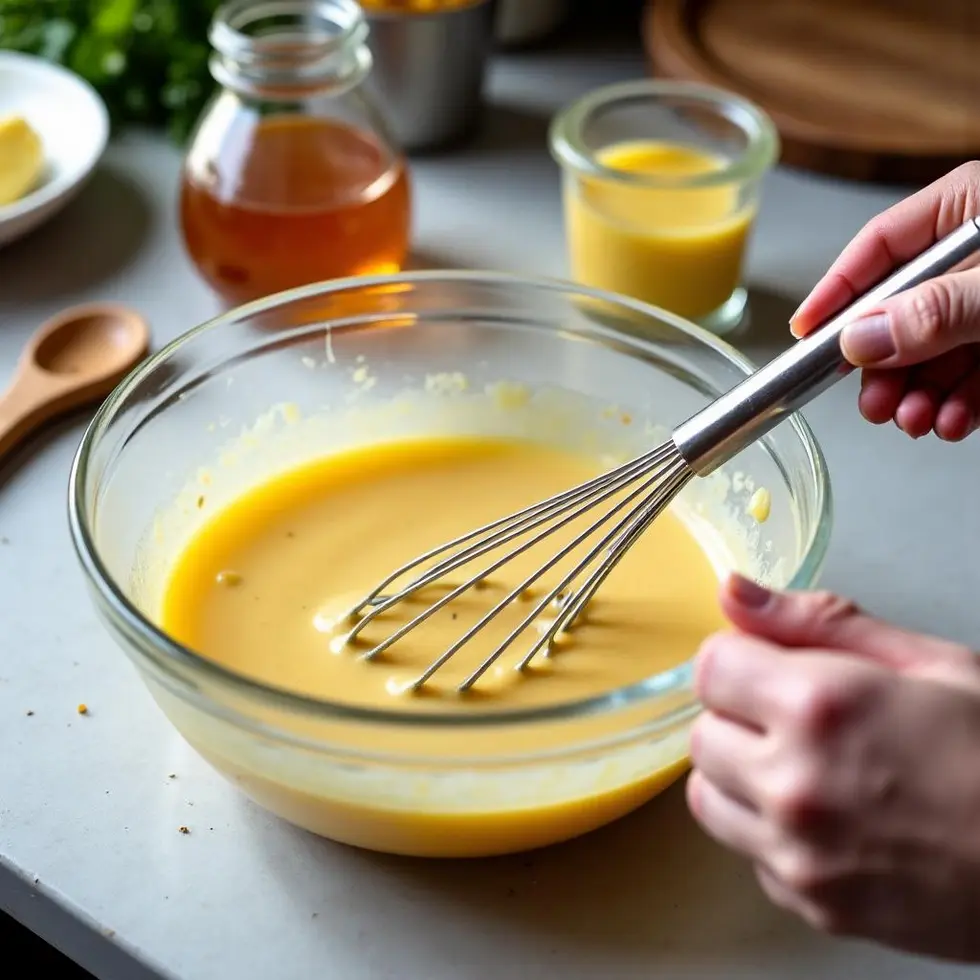
The Mayo Base Holds Everything Together
Mayonnaise acts as an emulsifier, suspending the honey and mustard in a stable creamy mixture. Without it, honey and lemon juice would separate. The fat in the mayo coats your palate, which is why the sauce clings to hot chicken instead of sliding off. Half a cup creates a thick dip, not a pourable dressing.
If you prefer a lighter texture, swap two tablespoons of the mayonnaise for plain Greek yogurt. The sauce becomes tangier and slightly thinner, but it still holds its shape on a spoon.
Two Mustards Build Complexity
Yellow mustard brings bright acidity and a familiar sharpness, while Dijon mustard adds a richer, earthier bite. The combination mimics the layered mustard flavor in the restaurant-style version. Using only yellow mustard results in a one-dimensional tang; using only Dijon makes the sauce too assertive for mild chicken tenders.
The three-to-one ratio of yellow to Dijon keeps the sauce approachable. If you only have one type, stick with yellow mustard and add a pinch of white pepper to restore some complexity.
Honey Sweetness Balances the Acid
A quarter cup of honey tempers the sharp mustard and lemon juice without turning the sauce into a dessert topping. Honey also thickens the dip slightly as it blends with the mayo. The viscosity matters: a thinner sauce drips off crispy tenders, while a thicker dip clings to every ridge of breading.
If your honey has crystallized, microwave it for 10 seconds before whisking. Cold, solid honey won’t incorporate smoothly and will leave sticky lumps in the finished sauce.
The garlic powder hydrates during the chill, so the sauce tastes more rounded after 30 minutes than it does fresh from the bowl.
How to Make Honey Mustard Dip
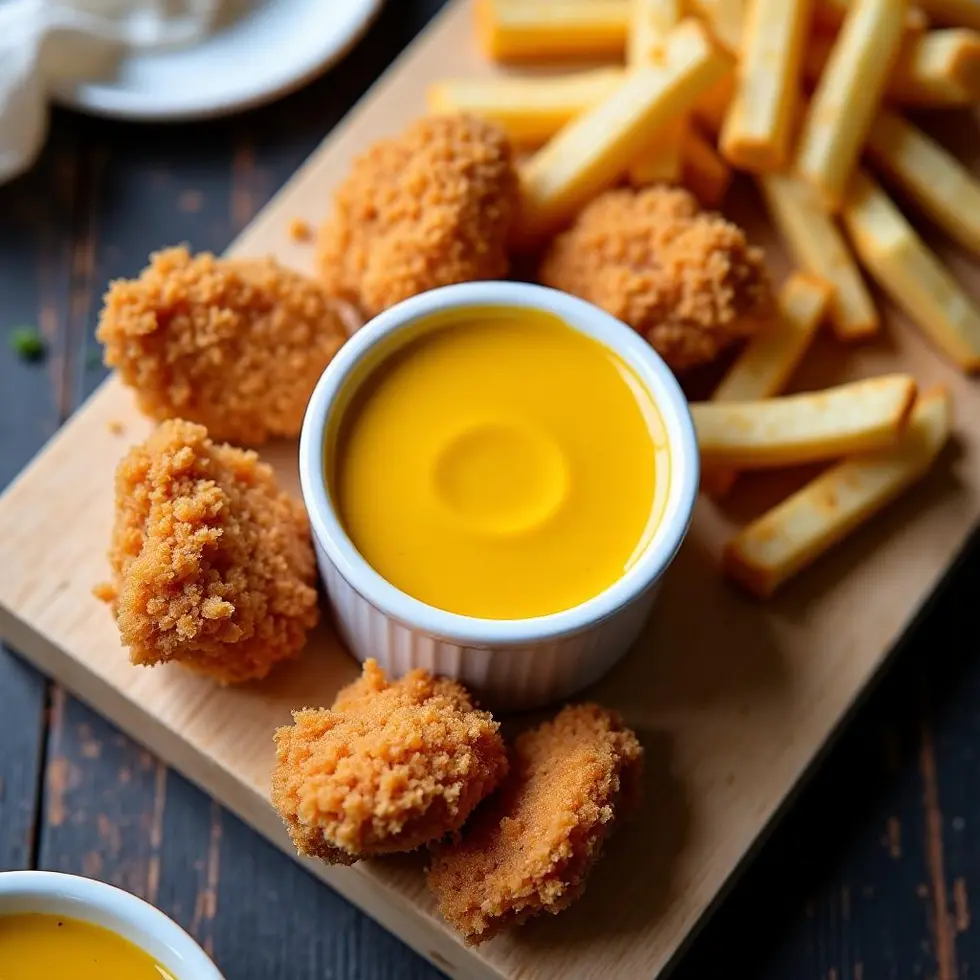
Whisk Until Completely Smooth
Combine half a cup of mayonnaise, a quarter cup of honey, three tablespoons of yellow mustard, one tablespoon of Dijon mustard, one teaspoon of lemon juice, and a quarter teaspoon of garlic powder in a medium bowl. Whisk steadily for about one minute until no streaks of honey or mustard remain. The sauce should look pale yellow and uniform.
If you see separated pools of honey, keep whisking. Stopping too soon leaves pockets of pure sweetness that throw off the balance when you dip.
Chill for Flavor Development
Cover the bowl with plastic wrap or transfer the sauce to an airtight container. Refrigerate for 30 minutes. This resting period allows the garlic powder to dissolve fully and the mustard’s acidity to mellow slightly. The sauce thickens as it cools, reaching the ideal scoopable consistency.
If you’re in a rush, you can use the sauce immediately, but the flavor will taste sharper and less cohesive. The full 30 minutes makes a noticeable difference.
Stir Once Before Serving
Give the chilled sauce a quick stir before serving to restore a smooth, even texture. Refrigeration can cause slight separation, especially if your mayonnaise has a high oil content. One or two firm stirs bring it back together.
Serve the copycat raising cane’s honey mustard alongside chicken tenders, french fries, or sandwich wraps. It also works as a dressing for shredded lettuce or coleslaw, though you may want to thin it with a teaspoon of water for easier drizzling.
The sauce tastes richer when made at home because you’re using fresh lemon juice instead of bottled citric acid, and the honey flavor comes through more clearly.
Storage and Serving Tips
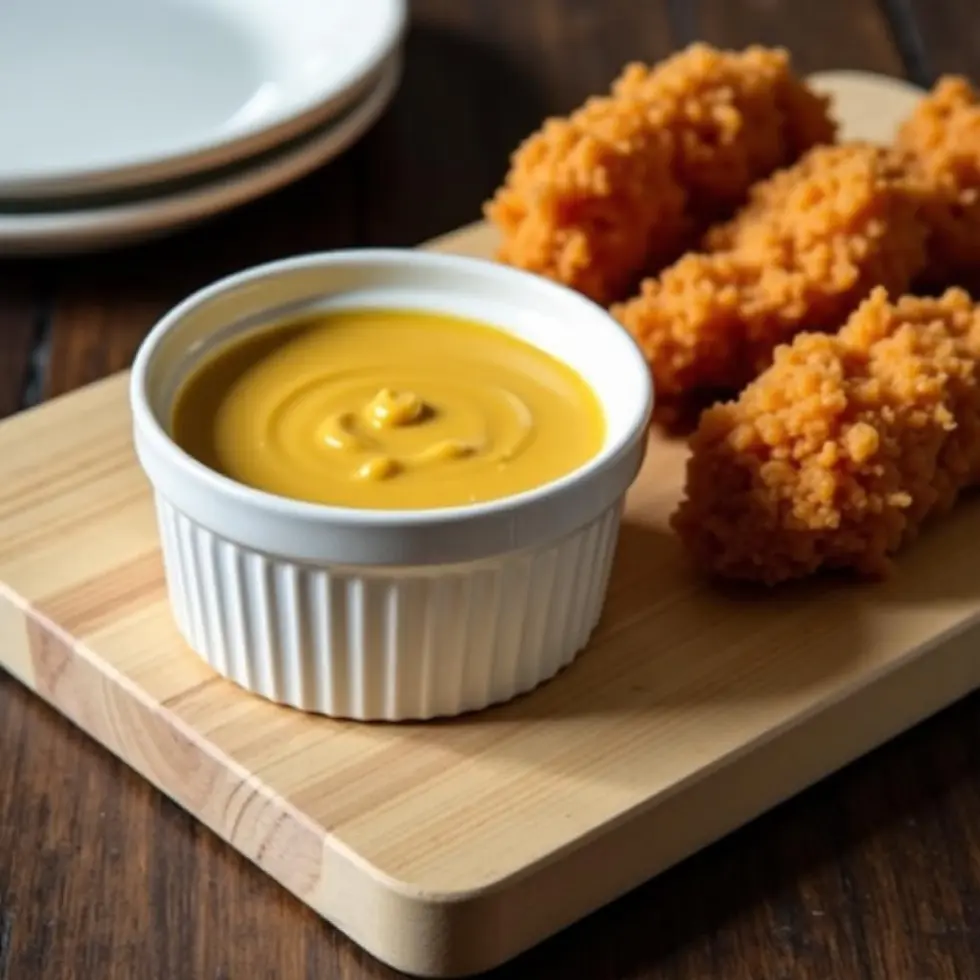
Keep It Cold and Covered
Store the honey mustard in an airtight container in the refrigerator for up to seven days. The mayonnaise base means the sauce must stay cold to remain food-safe. After three days, the lemon juice may cause the sauce to taste slightly more acidic, but the texture holds steady.
If the sauce thickens too much after a few days, whisk in a teaspoon of water to loosen it. Do not leave the sauce at room temperature for more than two hours.
Scale the Recipe for Parties
This recipe yields about three-quarters of a cup, enough for ten servings when paired with chicken tenders. For a larger batch, double or triple the ingredients and whisk in a large mixing bowl. The sauce doesn’t lose quality when scaled up, and the proportions stay consistent.
Pour individual portions into small ramekins for a party spread, or keep the full batch in a serving bowl with a spoon. According to Tasting Table, condiment etiquette at Raising Cane’s includes asking for extra sauce containers, so offering plenty at home matches the restaurant experience.
Pair With More Than Tenders
This chicken dipping sauce complements crispy foods that need a creamy contrast. Use it with baked fish sticks, roasted potato wedges, grilled chicken skewers, or soft pretzel bites. It also works as a spread for turkey sandwiches or a dip for raw vegetables like carrot sticks and bell pepper strips.
For a tangier variation, add an extra teaspoon of lemon juice and a pinch of black pepper. For a sweeter version, increase the honey by one tablespoon and reduce the yellow mustard by half a tablespoon.
The same mayonnaise-based technique works for other A Beautiful Mess copycat sauces, where the ratio of sweet, tangy, and creamy elements determines the final flavor.
Start With What You Already Have
If Dijon mustard isn’t in your fridge, the sauce still works with yellow mustard alone — it just tastes a bit brighter and less nuanced. The mayo and honey combination creates the creamy sweetness, and the garlic powder adds a subtle savory note that rounds out the profile. A 30-minute chill turns six pantry ingredients into a dip that clings to hot tenders without dripping.
The version you make at home uses fresh lemon juice instead of preservatives, so the brightness comes from real citrus rather than shelf-stable acidity. That small difference makes the flavor cleaner and the texture silkier.
Frequently Asked Questions
Can I use honey mustard dressing instead of making this from scratch?
Bottled honey mustard dressing contains stabilizers and extra sugar that change the texture and sweetness. Making this copycat sauce from scratch gives you control over the honey-to-mustard ratio and results in a thicker, creamier dip that better matches the restaurant-style version.
Why does my sauce taste too sweet?
You may have used more than a quarter cup of honey, or your honey variety is sweeter than average. Add an extra half tablespoon of yellow mustard and a quarter teaspoon of lemon juice to rebalance the acidity. Whisk thoroughly and chill for another 15 minutes before tasting again.
Can I skip the refrigeration step?
You can serve the sauce immediately, but it will taste sharper and the garlic powder won’t fully hydrate. The 30-minute chill allows the flavors to blend and the sauce to thicken to the proper consistency. If you’re short on time, 15 minutes is better than none.
What can I use instead of garlic powder?
Onion powder works as a substitute in the same amount, though the flavor shifts slightly savory. Avoid using fresh garlic, which introduces moisture and changes the sauce’s texture. If you want a stronger garlic presence, increase the garlic powder to half a teaspoon.
How do I thin the sauce for use as a salad dressing?
Whisk in one to two teaspoons of water or white vinegar until the sauce reaches a pourable consistency. Start with one teaspoon, stir well, and add more only if needed. The thinned version works well drizzled over chopped romaine or shredded cabbage.
Can I make this sauce dairy-free?
Use vegan mayonnaise in the same amount as regular mayo. The rest of the ingredients are already dairy-free. The texture and flavor will be nearly identical, though some vegan mayos taste slightly tangier depending on the brand.
Copycat Honey Mustard Sauce
Ingredients
Method
- Whisk together mayonnaise, honey, yellow mustard, Dijon mustard, lemon juice, and garlic powder in a medium bowl until smooth and fully combined.
- Cover the bowl and refrigerate for 30 minutes to let the flavors blend.
- Stir once before serving to restore a smooth texture.
- Serve alongside chicken tenders, fries, sandwiches, or snack plates.
