
Spraying frozen breaded fish fillets with cooking oil before air frying creates a golden, audibly crispy coating that sounds like it was deep-fried, without the oil or the mess.
Making this at home costs about $2.50 per sandwich when you use store-brand frozen breaded fillets, compared to $4 to $6 for a fast-food fish sandwich. You already own the air fryer, and the tartar sauce ingredients are pantry staples that stretch across multiple meals. The four-fillet package yields two complete sandwiches, or four servings if you skip the buns and serve the fish over salad or with rice.
Rapid hot air circulation dries the breading surface fast, which triggers Maillard browning at 400°F without submerging the fish in oil. A light mist of cooking spray replaces the traditional deep-fryer bath, cutting cost and calories while producing the same crisp texture. Most people skip preheating, but running the basket empty for three minutes stabilizes the temperature and shortens overall cooking time.
This version uses a simple mayonnaise-based tartar sauce mixed in one bowl while the fish cooks, eliminating the need to buy a separate bottle of sauce or hunt for capers and fresh dill. The lemon juice and sweet pickle relish provide enough acidity and texture to balance the richness of the fish and mayo without adding extra cost or prep work.
Why You Should Cook It Straight From Frozen
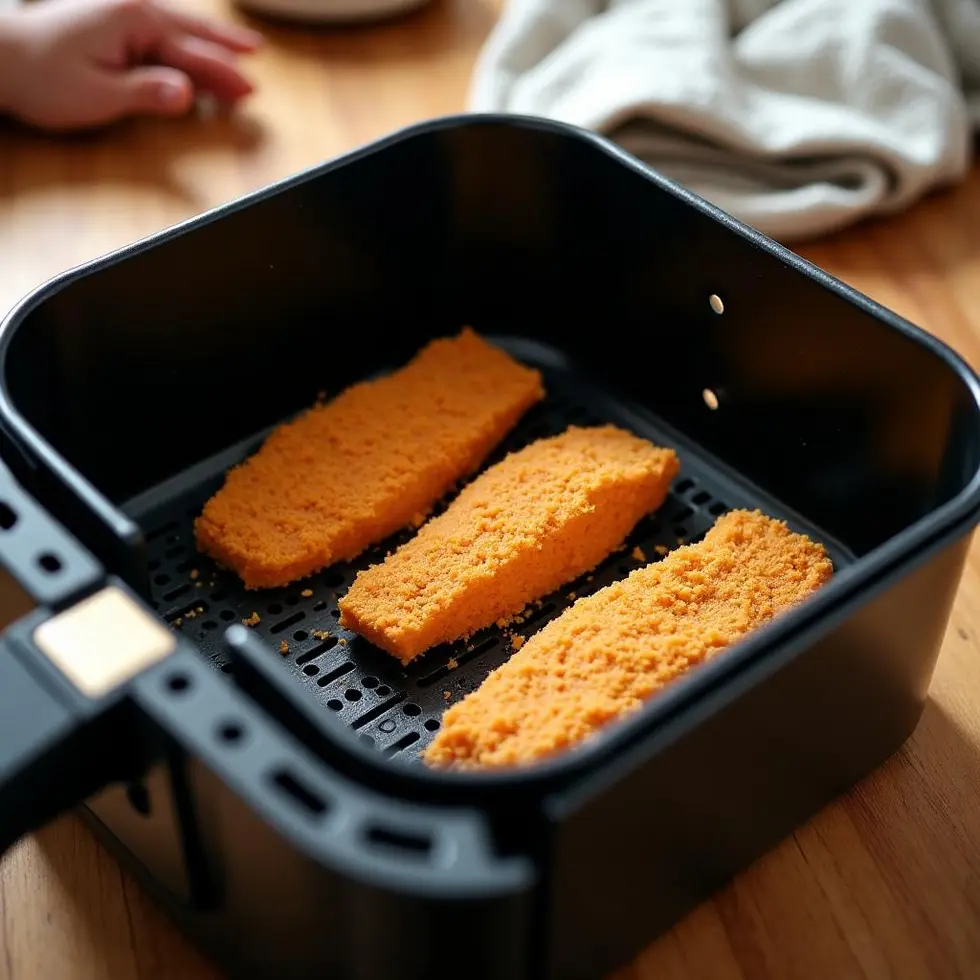
How Frozen Fish Stays Together Better
Thawing frozen breaded fish fillets before air frying introduces moisture between the breading and the fish, which loosens the coating and makes it more likely to crack or peel during cooking. When you cook from frozen, the breading heats faster than the interior, forming a sealed crust that locks in steam and keeps the fish flaky.
The temperature gradient works in your favor. The exterior hits 400°F / 200°C while the center remains cold, giving the breading time to crisp before the fish overcooks. Thawed fillets heat evenly, which means the fish reaches doneness at the same moment the breading finishes browning, leaving less margin for error.
Why the Air Fryer Beats the Oven for Speed
Air fryers heat faster and circulate air more aggressively than standard ovens, cutting total cook time by about 40 percent. A conventional oven set to 400°F takes 18 to 22 minutes to produce comparable browning, while the air fryer delivers golden, crisp frozen fish fillets air fryer style in 10 to 12 minutes from a cold start after a three-minute preheat.
The compact basket design holds heat more efficiently than a large oven cavity, and the forced convection moves hot air around each fillet rather than relying on radiant heat from top and bottom elements. This means you flip the fillets once instead of rotating a baking sheet twice, and the breading crisps on all sides without needing extra oil.
One fillet per serving keeps the basket from crowding, which maintains air circulation and prevents soggy spots where fillets touch.
Times and Temps for Fillets and Fish Sticks
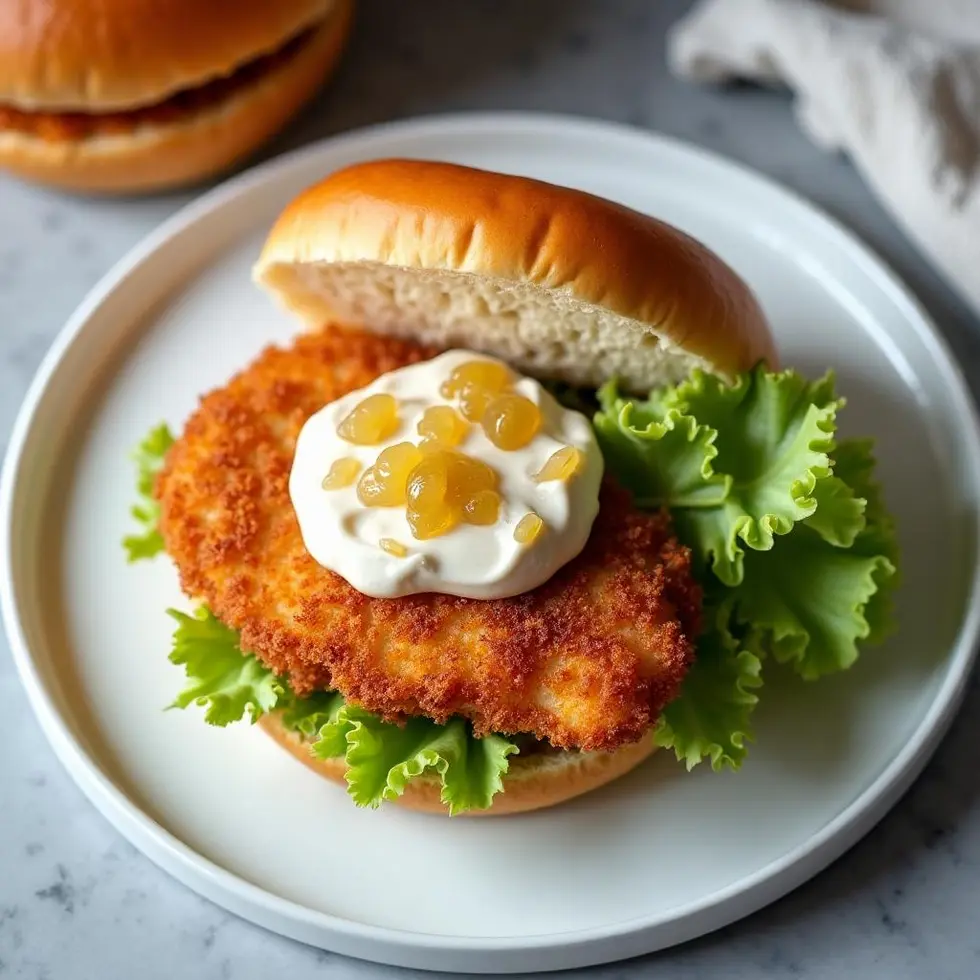
Exact Settings for Standard Breaded Fillets
Set the air fryer to 400°F / 200°C and preheat for three minutes. Arrange frozen fillets in a single layer with at least half an inch of space between each piece, then spray the tops lightly with cooking oil. Air fry for 10 to 12 minutes, flipping halfway through.
Check at eight minutes. If the coating looks pale or the edges are still soft, add two more minutes and check again. The breading should be deep gold and firm to the touch, with visible bubbling along the edges where moisture has evaporated. The internal temperature should reach 145°F, but breaded fillets are fully cooked when the breading is crisp and the fish flakes easily with a fork.
Most beginners skip the cooking spray, which leads to uneven browning and a dry, powdery crust. A one-second mist adds just enough fat to encourage even color without making the coating greasy.
Adjusting for Fish Sticks and Smaller Portions
Fish sticks cook faster because of their smaller size and thinner breading. Use the same 400°F / 200°C temperature, but reduce the total time to 8 to 10 minutes, flipping once at the five-minute mark. Check at seven minutes, and if the sticks are golden and firm, pull them out to avoid drying the fish.
For crispy air fryer fish sticks, spacing matters even more than with fillets. Arrange them in a single layer with no overlap, and shake the basket gently at the halfway point instead of flipping each stick individually. According to All Kitchen Tips, air fryer models with perforated trays allow better air circulation than solid baskets, which can shorten cooking time by one to two minutes.
Preheating eliminates the variability between different air fryer models, which range from 1200 to 1800 watts and produce noticeably different results at the same temperature setting.
Fish Sandwiches, Tartar Sauce and Sides
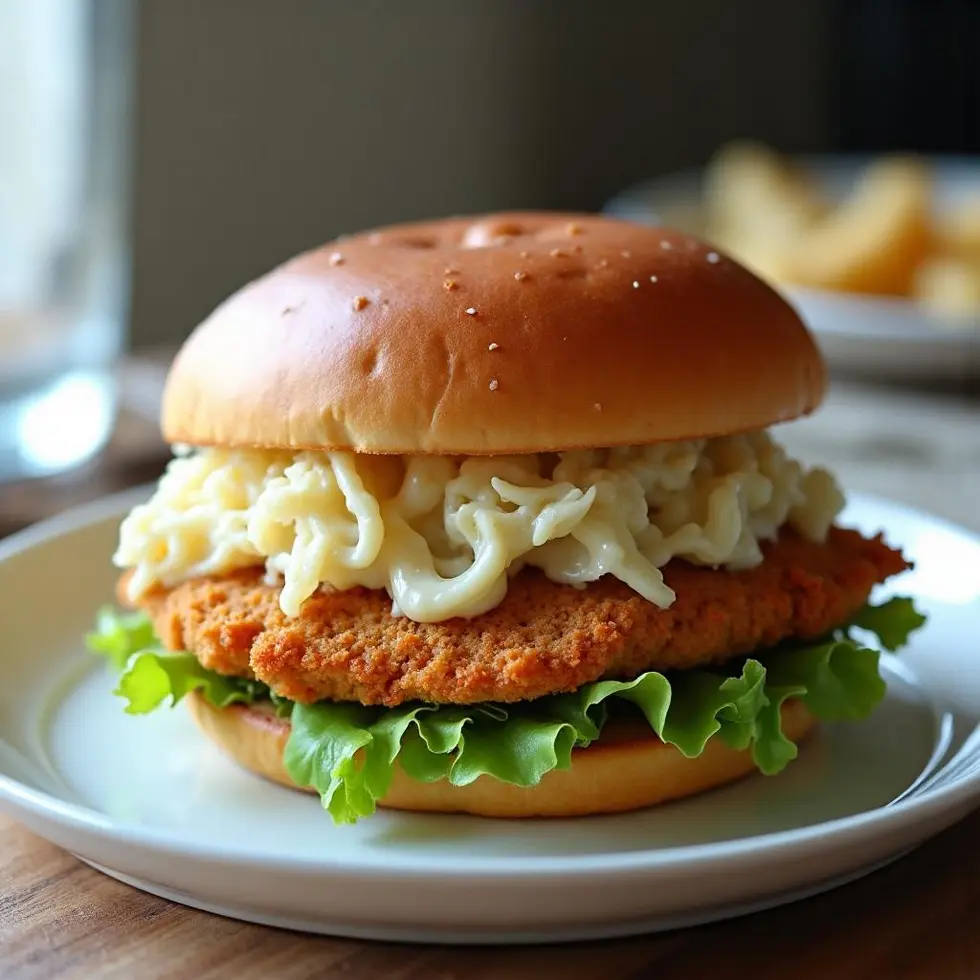
Making Tartar Sauce While the Fish Cooks
Mix one-quarter cup of mayonnaise, two tablespoons of sweet pickle relish, and one teaspoon of lemon juice in a small bowl while the fish is in the air fryer. Stir until smooth, then taste and add a pinch of salt if the relish is mild. The sauce thickens slightly as it sits, so if you mix it first and refrigerate it while the fish cooks, the texture will be closer to restaurant-style tartar sauce.
Sweet pickle relish costs about $2 per jar and lasts for months in the refrigerator, making it more economical than buying pre-made tartar sauce at $4 to $5 per bottle. The lemon juice brightens the mayonnaise and balances the sweetness of the relish without requiring fresh herbs or capers, which add cost and spoil quickly.
Building the Sandwich and Choosing Sides
Toast the hamburger buns cut-side down in the air fryer for one minute at 350°F after the fish is done, or toast them in a dry skillet over medium heat for 30 seconds. Spread tartar sauce on the bottom bun, add the hot fish fillet, top with shredded lettuce, and close the sandwich immediately so the steam softens the lettuce slightly without wilting it completely.
Serve with frozen french fries cooked in the air fryer after the fish, using the residual heat and any remaining cooking spray. A batch of fries takes 12 to 15 minutes at 400°F, so you can cook the fish first, hold it on a plate tented with foil, then run the fries while you assemble the sandwiches. The total active time stays under 30 minutes, and you use one appliance for the entire meal.
For a lighter side, serve the fish over a simple green salad dressed with lemon juice and olive oil, or pair it with coleslaw made from a store-bought bag of shredded cabbage and two tablespoons of the same tartar sauce thinned with a splash of white vinegar.
Getting Consistent Browning Every Time
Temperature accuracy varies between air fryer models, so if your first batch comes out pale after 12 minutes, increase the temperature to 410°F and check at 10 minutes next time. If the breading burns before the fish cooks through, drop the temperature to 390°F and extend the time by two minutes.
The quickest way to stretch this recipe is to double the tartar sauce and refrigerate half for later use. It keeps for five days in a sealed container, and you can mix one batch to cover four servings of fish or use it as a dip for vegetables, fries, or grilled chicken. The per-serving cost drops further when you buy larger packages of frozen fillets on sale and store them in the freezer for months without quality loss.
Frequently Asked Questions
Can I cook frozen fish in the air fryer without oil?
Yes, but the breading will brown unevenly and may taste dry. The cooking spray adds just enough fat to promote even Maillard browning and prevent the coating from turning dusty. One second of spray per fillet is enough.
Do I need to flip the fish fillets halfway through?
Yes. Flipping ensures both sides of the breading crisp evenly, because the side facing the heating element browns faster. Without flipping, the top may be golden while the bottom stays pale and soft.
Why is my air fryer frozen fish soggy in the center?
Overcrowding the basket traps steam between fillets, which softens the breading. Leave at least half an inch of space around each piece, and cook in batches if necessary rather than stacking or overlapping fillets.
Can I use fresh fish instead of frozen breaded fillets?
Fresh fish requires different timing and breading steps. If you coat fresh fillets yourself, pat them dry, dredge in flour, dip in beaten egg, then coat with breadcrumbs before air frying at 375°F for 8 to 10 minutes, flipping once.
Air Fryer Frozen Fish
Ingredients
Method
- Preheat the air fryer to 400°F / 200°C for 3 minutes.
- Arrange the frozen fish fillets in a single layer in the air fryer basket and spray lightly with cooking spray.
- Air fry for 10 to 12 minutes, flipping halfway, until the coating is golden and crisp.
- Mix mayonnaise, pickle relish, and lemon juice in a small bowl to make tartar sauce.
- Assemble sandwiches by placing fish on toasted buns with tartar sauce and shredded lettuce, then serve immediately.
