
Adding milk to the eggs before scrambling keeps them soft instead of rubbery, even on medium heat.
Out of bread? This approach works with whatever you have: soft sandwich loaves, sourdough slices, English muffins, or bagels. The technique stays the same because the eggs and cheese adapt to almost any base. If you’re missing butter, a neutral oil works for scrambling, though butter adds richer flavor. No cheddar on hand? Swiss, American, or even a sharp white cheese melts just as smoothly over the warm eggs.
The homemade version tastes fresher than most grab-and-go options because you control the egg texture and cheese melt. Restaurants often scramble eggs in large batches under heat lamps, which dries them out. Cooking two servings in a nonstick skillet over medium heat, around 300°F, for 2 to 3 minutes gives you soft curds with no browning. Turning off the heat before adding the cheese prevents overcooking and lets residual warmth melt the slices evenly.
Why You’ll Love This Breakfast Sandwich
Fluffy Eggs Without Overcooking
Whisking the eggs with milk before cooking creates a looser mixture that stays tender even after the heat is off. Two tablespoons of milk for four eggs is enough to keep the curds soft without making them watery. The milk proteins interfere with the egg proteins’ ability to bond tightly, which is why restaurant-style scrambled eggs often feel creamier than home versions cooked without it.
Scrambling over medium heat for 2 to 3 minutes gives you large, soft curds instead of small, dry pieces. High heat firms up the eggs too fast, leaving no time to fold them gently. The skillet should be warm enough to set the eggs but cool enough that you can still see movement in the pan. When small curds start to form, use a spatula to push the eggs from the edge to the center, letting the uncooked portion spread out.
Cheese That Melts Without Reheating
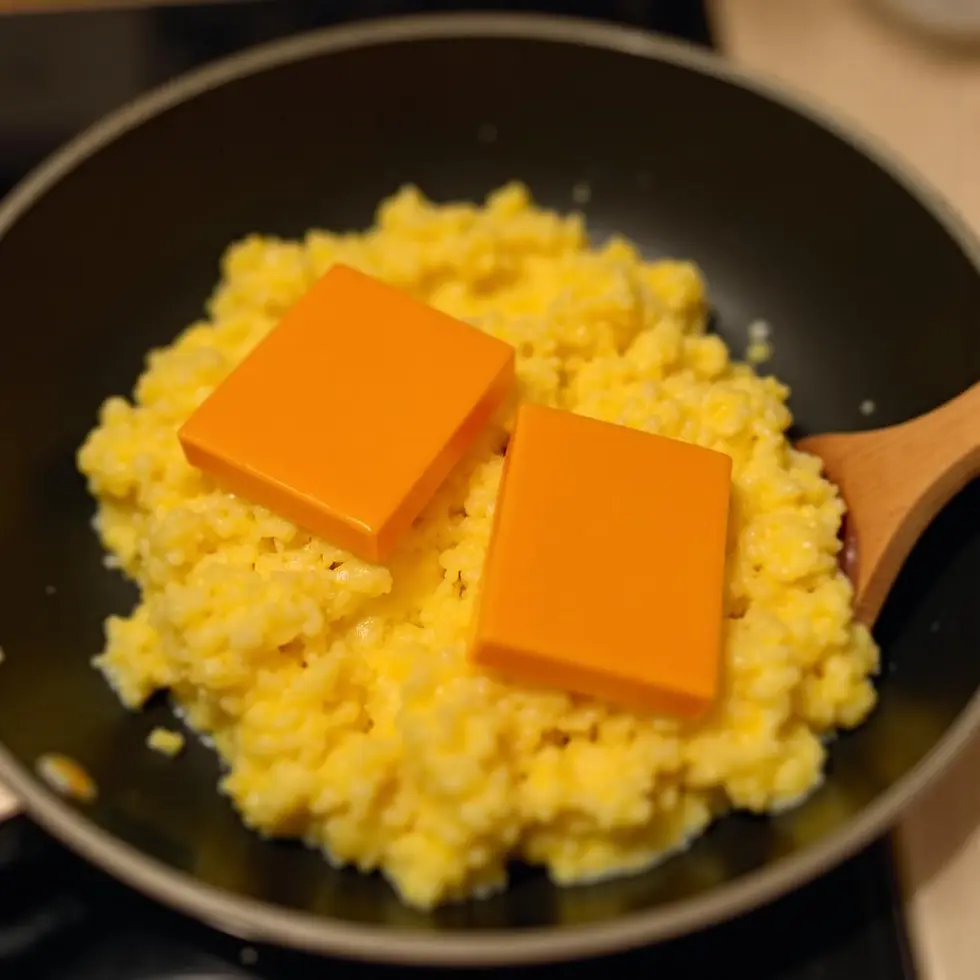
Placing the cheese slices directly on the eggs in the skillet, then turning off the heat, uses residual warmth to melt the cheese without overcooking the eggs underneath. Thirty seconds is enough for cheddar to soften and stick to the eggs. If you add the cheese after plating, it won’t melt fully and can slide off the bread.
The reason this works is that the eggs hold heat for a short time after you stop cooking. Cheddar melts at around 150°F, and the eggs stay above that temperature for about a minute once the burner is off. This method also prevents the cheese from turning oily, which happens when it’s exposed to direct heat for too long.
Simple Fillings And Topping Options
Bread And Base Swaps
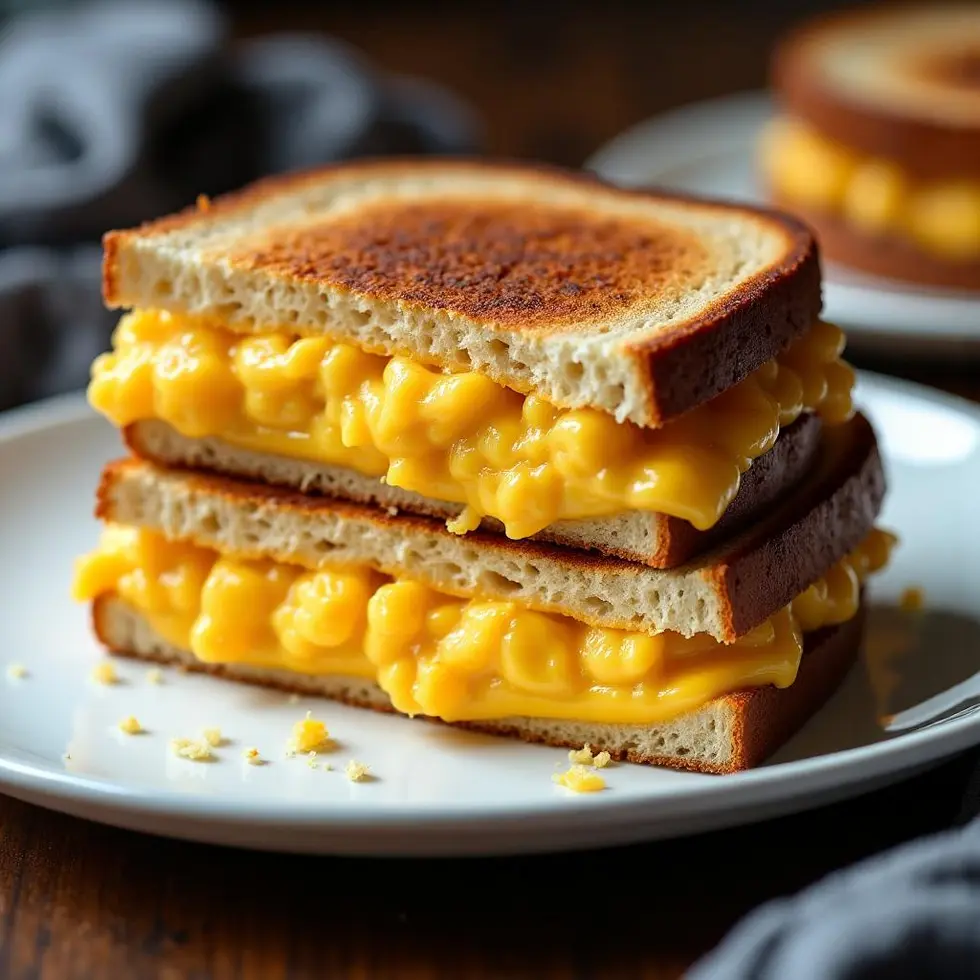
Standard sandwich bread toasts quickly and holds the eggs without getting soggy. If you prefer a sturdier base, English muffins or bagels work well because they have more surface texture to grip the filling. Sourdough adds a tangy flavor that balances the mild eggs and cheese. Toast the bread in a toaster or skillet until both sides are golden, which takes about 2 minutes per side in a dry skillet over medium heat.
Whole wheat bread, brioche, or even a croissant split in half can replace standard white bread. Brioche adds a slight sweetness, while whole wheat gives a nutty flavor. If you’re using a dense bread like sourdough, slice it thinner so the sandwich stays easy to bite through.
Cheese And Flavor Additions
Cheddar is sharp and melts evenly, but Swiss, American, or provolone also work. American cheese melts faster and creates a creamier texture because of the added emulsifiers. Swiss has a milder flavor and melts without becoming oily. If you want a stronger flavor, try pepper jack for a spicy kick or smoked gouda for a subtle smokiness.
For extra flavor, add a thin layer of sliced tomato, avocado, or sautéed mushrooms between the eggs and the top slice of bread. A small handful of fresh spinach wilts slightly from the warm eggs and adds color. If you like heat, a few dashes of hot sauce or a smear of spicy mustard on the bread before assembly brings sharpness without overpowering the eggs. According to Honest Cooking, layering fillings in the right order keeps the sandwich from falling apart.
How To Make A Breakfast Sandwich Step By Step
Toasting The Bread First
Toast all four slices before you start cooking the eggs so everything is ready at the same time. If you toast the bread after scrambling the eggs, the eggs cool down and lose their fluffy texture. A toaster works fine, but a skillet gives you more control over the color. Place the slices in a dry skillet over medium heat and flip them once the bottom turns golden, which takes about 90 seconds per side.
If you’re using butter on the bread, spread it thinly on one side and toast that side down in the skillet. The butter browns faster than plain bread, so watch it closely. Toasted bread holds up better against the moisture from the eggs and cheese, preventing the sandwich from getting soggy.
Scrambling And Melting In One Pan
Whisk the eggs, milk, salt, and black pepper together in a bowl until the yolks and whites are fully combined. The mixture should look uniform with no streaks of white. Heat one tablespoon of butter in a nonstick skillet over medium heat until it melts and coats the bottom evenly. Pour in the egg mixture and let it sit undisturbed for about 10 seconds, then use a spatula to gently push the eggs from the edge toward the center.
Scramble for 2 to 3 minutes total, folding the eggs rather than stirring them, until soft curds form and no liquid remains. The eggs should still look slightly wet when you turn off the heat because they continue cooking for a few seconds. Lay two cheese slices on top of the eggs, turn off the burner, and let the cheese melt for 30 seconds without stirring. This method keeps the eggs soft and the cheese evenly melted.
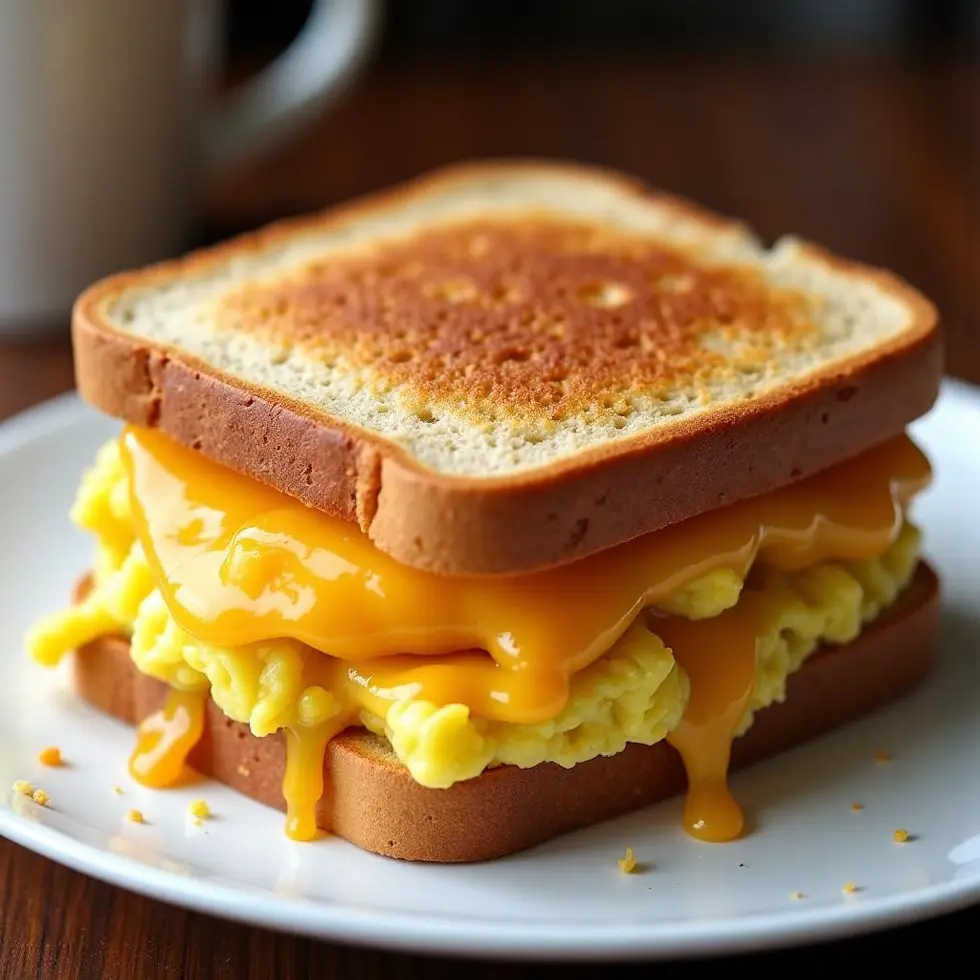
Divide the cheesy scrambled eggs between two toasted bread slices using the spatula, then top each with the remaining bread slice. Serve immediately while the eggs are warm and the cheese is still gooey. The contrast between the crisp toast and the soft eggs makes each bite satisfying. Urban Bliss Life suggests prepping ingredients the night before if you’re making this on a busy morning.
Getting The Eggs Just Right
The difference between creamy eggs and dry eggs comes down to heat control and timing. Medium heat, which registers around 300°F on an infrared thermometer, gives you enough warmth to set the eggs without forcing them to firm up too fast. If the skillet is too hot, the eggs at the bottom cook before the top layer has a chance to move, leaving you with a rubbery bottom and a runny top.
Whisking the milk into the eggs before cooking is a step many people skip, but it’s the reason restaurant-style scrambled eggs feel lighter. The milk dilutes the egg proteins slightly, so they don’t bind as tightly when they cook. This creates a softer texture and a slightly richer flavor. Folding the eggs instead of constantly stirring them also keeps the curds larger and more distinct, which improves both texture and appearance.
Frequently Asked Questions
Can I use a different type of bread?
Yes, any bread that toasts well works. English muffins, bagels, sourdough, whole wheat, and brioche all hold the eggs and cheese without getting soggy. Toast the bread until both sides are golden for the best texture.
How do I keep the eggs from sticking to the pan?
Use a nonstick skillet and make sure the butter is fully melted before adding the eggs. Medium heat prevents the eggs from setting too fast, which reduces sticking. If you’re using a stainless steel pan, add a little more butter.
Can I make this ahead of time?
You can scramble the eggs and toast the bread up to one day ahead, then reheat the eggs gently in a skillet over low heat before assembling. The sandwich tastes best when served fresh, but reheating for 30 seconds keeps the eggs soft.
What cheese melts the fastest?
American cheese melts the fastest because it contains emulsifiers that help it soften evenly. Cheddar, Swiss, and provolone also melt well with residual heat. Avoid hard cheeses like Parmesan, which don’t melt smoothly.
Breakfast Sandwich
Ingredients
Method
- Toast the bread slices in a toaster or skillet until golden brown on both sides.
- Whisk the eggs, milk, salt, and black pepper in a bowl until well combined.
- Melt the butter in a nonstick skillet over medium heat, pour in the egg mixture, and scramble gently for 2 to 3 minutes until soft curds form.
- Place 2 cheese slices on the eggs in the skillet, turn off the heat, and let the cheese melt for 30 seconds.
- Divide the cheesy scrambled eggs between 2 toasted bread slices, top each with the remaining bread slice, and serve immediately.
