
The moment I whisked softened cream cheese with sour cream, the mixture turned smooth without any lumps.
The restaurant-style grape salad relies on a physical process that happens when cream cheese is softened to room temperature before whisking. At around 70°F, the fat crystals in cream cheese soften enough to break apart evenly, allowing air to incorporate and the proteins to disperse smoothly. That is why rushing with cold cream cheese produces a lumpy dressing that never coats the grapes evenly, while softened cream cheese emulsifies quickly into a stable, glossy base that clings to every piece of fruit.
The combination of sour cream and granulated sugar balances the rich fat with enough acidity and sweetness to keep the dressing from tasting heavy. Vanilla extract adds a subtle aroma that registers more as warmth than as obvious flavor, and the brown sugar pecan topping provides a crunchy contrast that changes the texture with every bite.
Why This Grape Salad Is Popular
Emulsification Creates the Creamy Texture
The dressing forms an emulsion when the fat from cream cheese disperses into the liquid from sour cream. Whisking incorporates air, which lightens the texture and prevents the mixture from feeling dense. That is why the recipe calls for whisking until smooth rather than stirring, because vigorous agitation creates the structure that holds the dressing together even after the grapes release their juice during chilling.
The homemade version delivers a creamier texture because you control the ratio of cream cheese to sour cream, and you can whisk it fresh rather than relying on stabilizers or thickeners that some commercial versions use to extend shelf life.
Sugar Balances Acidity and Fruit Sweetness
Granulated sugar dissolves completely in the dressing, sweetening it without adding graininess. Sour cream brings lactic acid, which would taste sharp without enough sugar to balance it. The grapes themselves vary in sweetness depending on the season, but the dressing compensates with a consistent level of sugar that rounds out the overall flavor.
The brown sugar on the pecans adds a molasses note that contrasts with the clean sweetness of the dressing, creating two layers of flavor that register separately on your palate.
Halving the grapes exposes more surface area, which means more dressing clings to each piece and the fruit releases a small amount of juice that thins the dressing slightly during refrigeration. That dilution is predictable and built into the recipe, which is why the dressing starts thick and ends at the perfect coating consistency after an hour in the fridge.
How to Make the Copycat Side
Softening the Cream Cheese Matters
Leave the cream cheese at room temperature for 30 to 45 minutes before whisking. Cold cream cheese resists breaking apart, which means you will end up with lumps no matter how long you whisk. Softened cream cheese, around 70°F, blends in seconds and creates a smooth base that holds air evenly.
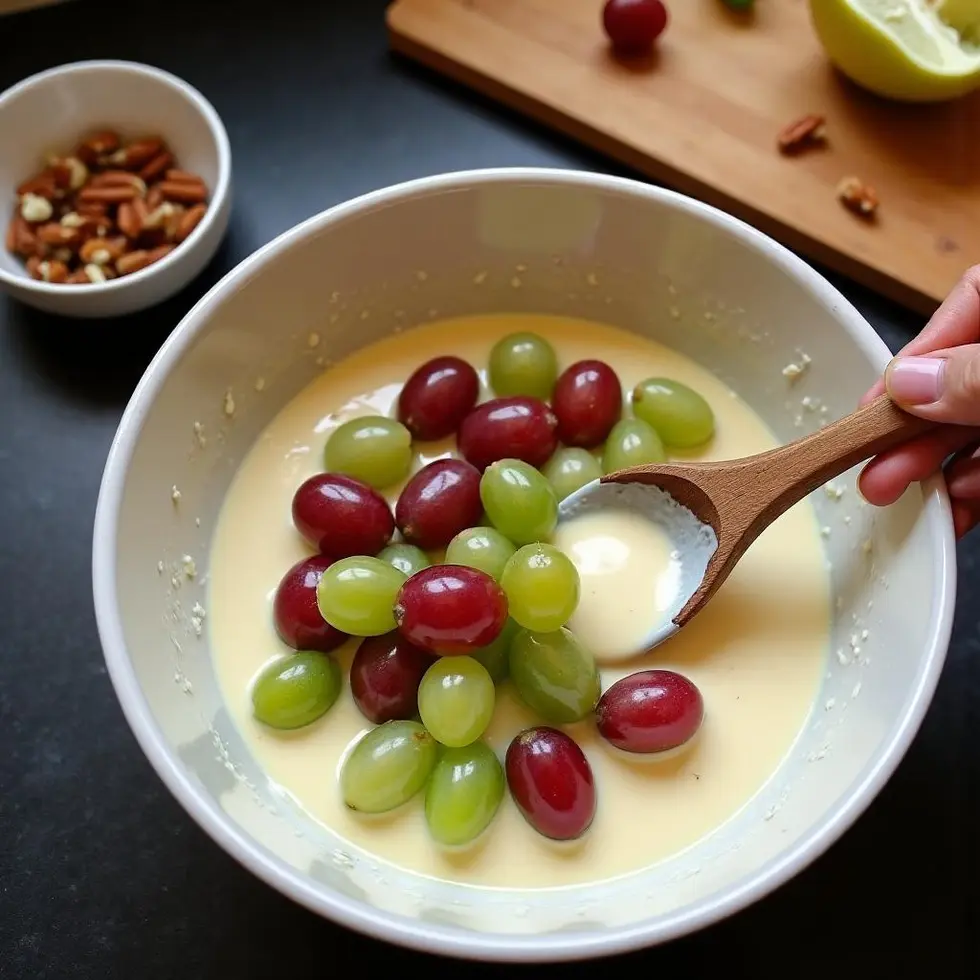
Combine the softened cream cheese, sour cream, granulated sugar, and vanilla extract in a large bowl. Whisk vigorously for about one minute, until the mixture looks glossy and no streaks remain. The air you incorporate now lightens the dressing and improves the mouthfeel.
Fold the halved red and green grapes into the dressing with a silicone spatula, turning gently to coat every piece without crushing the fruit. Grapes are firm enough to handle folding without breaking, but aggressive stirring can split the skin and release too much juice too early.
Chilling Allows the Flavors to Blend
Cover the bowl and refrigerate for one hour. During this time, the dressing sets slightly as the fat in the cream cheese cools, and the grapes release a small amount of juice that thins the dressing to the right consistency. The vanilla and sugar also meld with the sour cream’s acidity, creating a more cohesive flavor than the dressing had when first mixed.
Toss the chopped pecans with brown sugar in a small bowl. The sugar coats the nuts and adds a caramelized flavor without any heat. Sprinkle this mixture over the chilled salad just before serving, because adding it too early will make the pecans lose their crunch as they absorb moisture from the dressing.
The chicken salad chick grape salad recipe takes 10 minutes of active work and delivers a restaurant-style texture that depends entirely on the emulsion and the one-hour rest. If you prefer a richer version, increase the cream cheese by two ounces, but keep the sour cream the same to maintain the balance between fat and acidity. For a lighter dressing, swap half the sour cream for plain Greek yogurt, which adds protein and tang without changing the whisking process.
Chilling and Serving Tips
Serve It Cold for the Best Texture
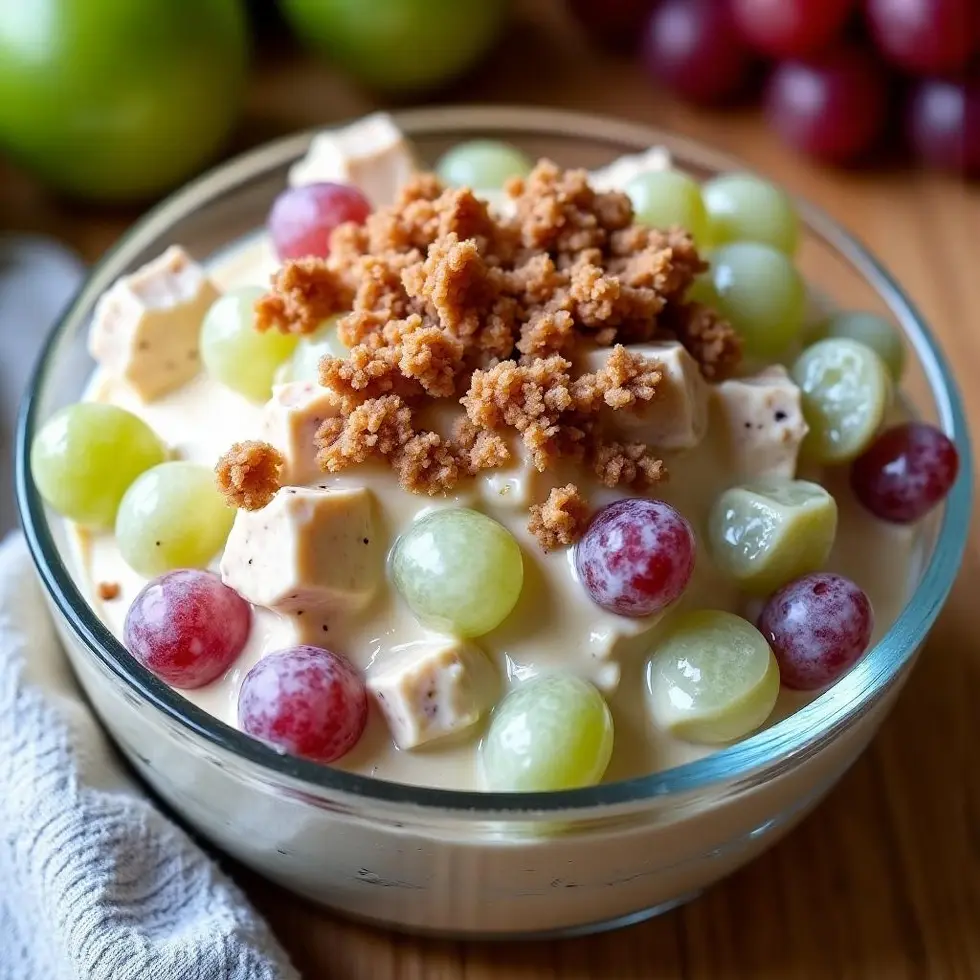
The dressing tastes sweetest and creamiest when served between 35°F and 40°F, straight from the refrigerator. At room temperature, the fat in the cream cheese softens too much and the dressing slides off the grapes instead of clinging to them. If you are transporting the salad, keep it in a cooler with ice packs and add the pecan topping only after you arrive.
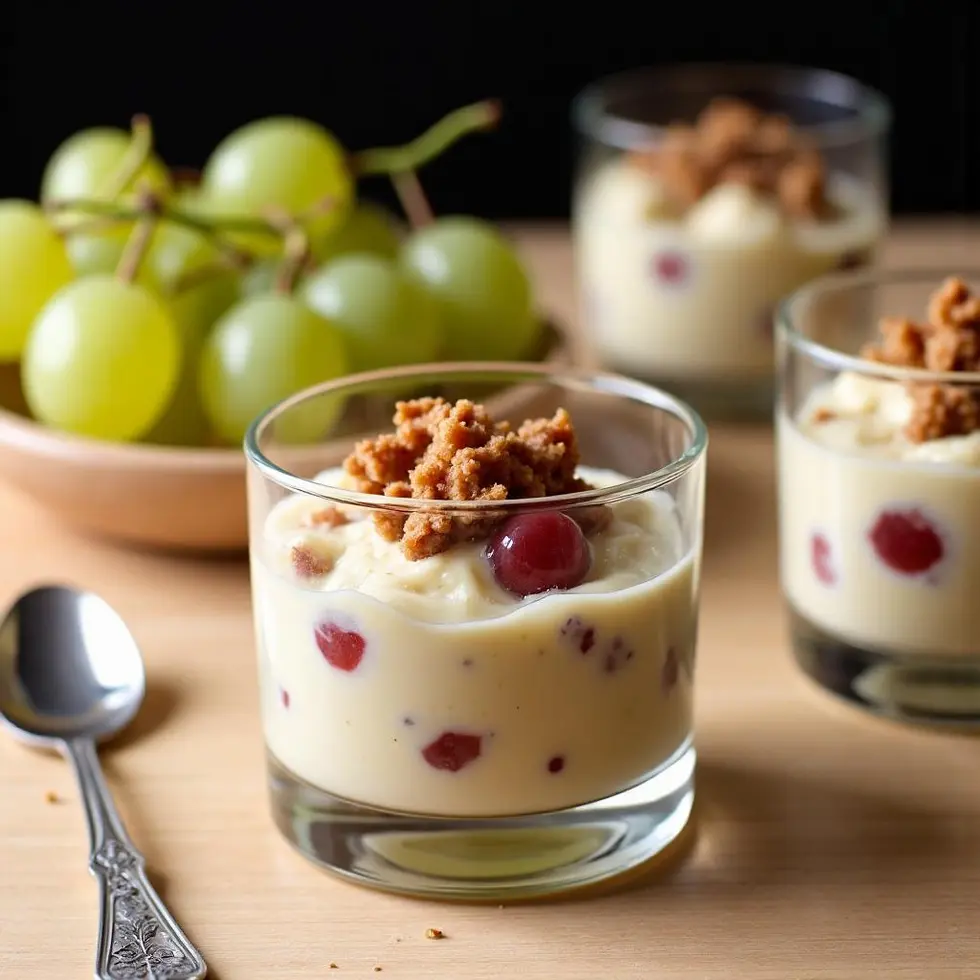
This dish works well as a side for grilled chicken, roasted turkey, or baked ham, and it also functions as a dessert when served in individual cups. The sweet dressing and crunchy topping make it versatile enough to appear on a brunch table or a holiday spread.
Store Leftovers Without the Topping
Store the dressed grapes in an airtight container in the refrigerator for up to two days. The dressing will thin slightly as the grapes continue to release juice, but the flavor remains balanced. Do not add the pecan topping until just before serving, because the nuts will soften and lose their crunch if they sit in the dressing overnight.
If you want to make this ahead, prepare the dressing and halve the grapes up to 24 hours in advance, but keep them separate until the morning of serving. Combine them, refrigerate for one hour, then add the topping right before you bring the salad to the table. Many home cooks appreciate this kind of make-ahead timing because it spreads the workload across two days without compromising texture.
For a different flavor, substitute walnuts for pecans or add a pinch of cinnamon to the brown sugar. You can also use only red grapes or only green grapes instead of a mix, depending on what is available or which variety tastes sweeter at the market.
How Refrigeration Sets the Dressing
The one-hour chill is not optional, because it controls the final consistency of the dressing. When the fat in cream cheese cools below 40°F, it firms slightly, which thickens the dressing and helps it coat the grapes evenly. The sugar also dissolves more completely during refrigeration, and the vanilla flavor becomes more rounded as the cold slows the evaporation of volatile compounds.
Skipping the chill leaves the dressing too loose and the flavor less integrated, which is why the restaurant-style version always tastes more cohesive than a batch served immediately after mixing. The most important variable in this chicken salad chick grape salad recipe is temperature, both when softening the cream cheese and when setting the dressing, because texture and flavor depend on fat behavior at specific points in the process.
Frequently Asked Questions
Can I use light cream cheese instead of regular cream cheese?
Light cream cheese contains more water and less fat, which makes the dressing thinner and less stable. It will still emulsify, but the texture will be closer to a yogurt-based dressing than a creamy coating. If you prefer a lighter option, use regular cream cheese and substitute Greek yogurt for half the sour cream instead.
Set aside about 70 minutes for this chicken salad chick grape salad recipe, most of it hands-off.
How do I prevent the grapes from releasing too much juice?
Halve the grapes cleanly with a sharp knife and pat them dry with a paper towel before folding them into the dressing. Excess surface moisture dilutes the dressing faster. Refrigerate the finished salad for only one hour, because longer chilling times allow more juice to seep out and thin the mixture.
Can I make this salad the night before?
You can prepare the dressing and halve the grapes up to 24 hours in advance, but keep them separate in the refrigerator. Combine them one hour before serving, then add the pecan topping right before you bring the salad to the table. This prevents the dressing from thinning too much overnight and keeps the pecans crunchy.
What type of grapes work best for this recipe?
Red and green seedless grapes are the standard choice because they have firm flesh and a balanced sweetness. Cotton Candy grapes or Concord grapes are too sweet and will make the dressing taste cloying. Choose grapes that are crisp and free of soft spots for the best texture.
How long does this salad last in the refrigerator?
Store the dressed salad in an airtight container for up to two days. The dressing will thin as the grapes release juice, but the flavor remains balanced. Do not add the pecan topping until just before serving, because it will lose its crunch if stored with the dressing.
Copycat Grape Salad
Ingredients
Method
- Whisk the cream cheese, sour cream, granulated sugar, and vanilla extract in a large bowl until smooth and creamy.
- Fold the halved red and green grapes into the cream cheese mixture until evenly coated.
- Cover and refrigerate for 1 hour to let the flavors blend and the dressing set.
- Toss the chopped pecans with brown sugar in a small bowl.
- Sprinkle the pecan mixture over the chilled grape salad just before serving.
