
Peanut oil reaches 350°F / 175°C without smoking, holds a steady frying temperature even after you add cold chicken, and gives the breading a lighter texture than vegetable or canola oil.
The entire process takes about two and a half hours, but only twenty minutes of that requires active work. The rest is brine time in the refrigerator and a quick fry at the end. Making this chickfila sandwich recipe on a weekend means you control the seasoning depth, the oil temperature, and the exact moment the chicken comes out of the pan.
Most homemade versions skip the pickle brine or leave out the powdered sugar in the coating, which changes both the moisture level and the crust color. This version keeps those details intact and uses a deep skillet instead of a deep fryer, which gives you better control over the oil temperature without needing specialized equipment.
The brioche bun matters more than most people expect because it absorbs less oil than a standard hamburger bun and stays soft without getting soggy. Toasting it lightly adds structure, and the slight sweetness balances the tangy brine and the peppery breading.
The Three Details Most Copycats Miss
Pickle Brine as a Marinade
Dill pickle brine contains both salt and vinegar, which means it seasons the chicken and tenderizes the protein at the same time. Submerging the chicken breasts in one cup of brine for two hours gives the liquid enough time to reach the center of the meat without over-salting the exterior.
The acidity in the brine breaks down some of the muscle fibers, which keeps the chicken moist even after frying. You do not need to add extra salt to the flour mixture because the brine already provides enough seasoning.
Pat the chicken completely dry after removing it from the brine. Excess moisture prevents the flour from adhering evenly and creates steam pockets during frying, which makes the crust less uniform.
Powdered Sugar in the Breading
Two tablespoons of powdered sugar mixed into the flour helps the crust brown faster at 350°F / 175°C without burning. Sugar caramelizes during frying, which creates the golden color you see on the Chick-fil-A menu version without needing a longer cooking time.
The sweetness balances the tanginess from the pickle brine and the slight heat from the black pepper and paprika. It does not make the chicken taste dessert-sweet; it just rounds out the savory spices and adds complexity to the flavor.
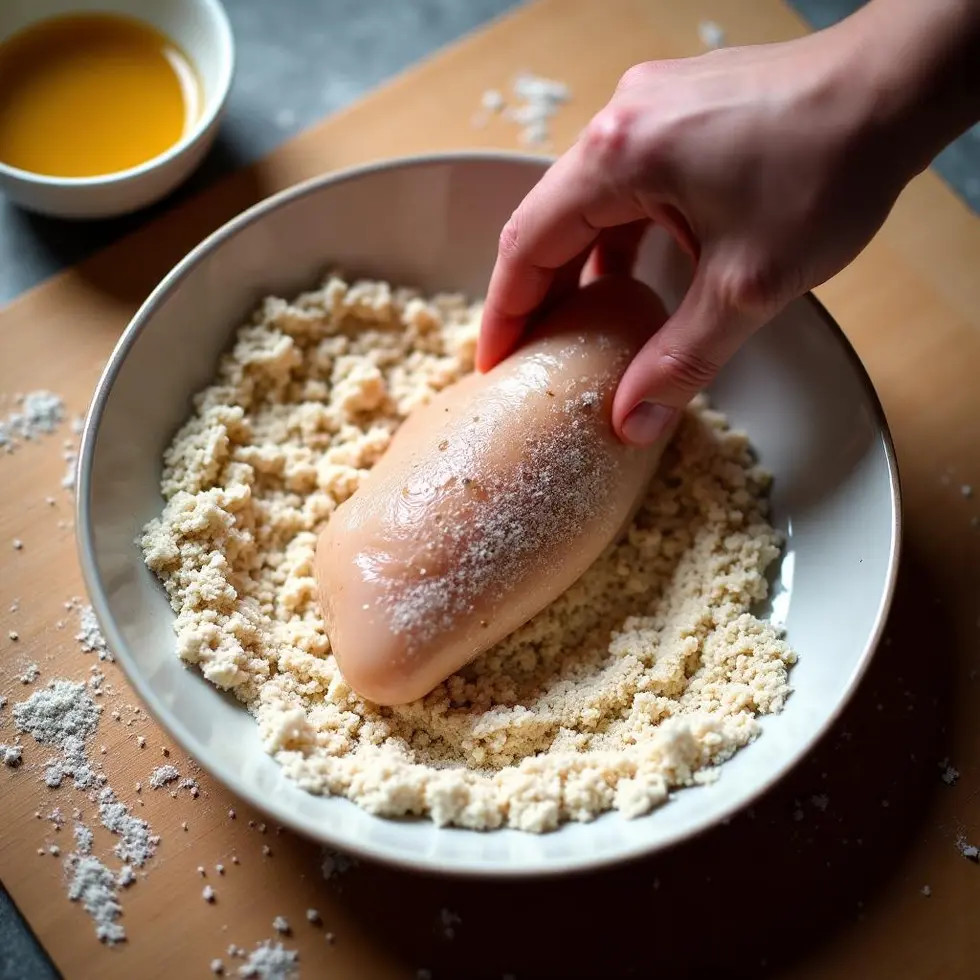
Combine the flour, powdered sugar, paprika, garlic powder, and black pepper in a shallow dish and whisk them together before you start dredging. Clumps of powdered sugar leave uneven spots on the crust.
Temperature Control in a Deep Skillet
A deep skillet holds enough peanut oil to cover the chicken halfway without needing the volume of a stockpot. Heat two cups of peanut oil to 350°F / 175°C using a clip-on thermometer, and keep the heat at medium once you add the chicken.
The oil temperature will drop about 25 degrees when you add the first piece of chicken, which is normal. If the temperature falls below 325°F / 163°C, the crust absorbs more oil and becomes greasy instead of light.
Fry each chicken breast for seven to eight minutes per side, flipping once. The crust turns golden brown, and the internal temperature reaches 165°F / 74°C at the thickest part. A wire rack set over a sheet pan lets the excess oil drip off without trapping steam under the chicken.
How to Fry the Chicken Perfectly
Pounding the Chicken to Even Thickness
Boneless, skinless chicken breasts vary in thickness, which means the thin end overcooks while the thick end reaches 165°F / 74°C. Pound each breast to a uniform half-inch thickness using a meat mallet or the bottom of a heavy skillet.
Place the chicken between two sheets of plastic wrap or parchment paper to prevent splattering. A consistent thickness ensures even cooking and reduces the total frying time, which keeps the meat tender.
Dredging Technique
Press the chicken firmly into the seasoned flour mixture on both sides, making sure the edges are fully coated. Shake off any loose flour before lowering the chicken into the hot oil to prevent excess flour from burning and clouding the oil.
Dredge each piece just before frying. If the coated chicken sits for more than a minute, the brine starts to soak through the flour and creates a gummy layer instead of a crisp crust.
Monitoring Oil Temperature
Use a thermometer clipped to the side of the skillet to track the oil temperature throughout frying. Adjust the burner heat as needed to keep the oil between 325°F / 163°C and 350°F / 175°C.
Fry only one or two pieces at a time depending on the size of your skillet. Crowding the pan drops the oil temperature too much and extends the cooking time, which dries out the chicken.
Watch for small bubbles forming steadily around the chicken. If the oil is too hot, the bubbles become large and violent, and the crust darkens before the interior finishes cooking. If the oil is too cool, the bubbles are sparse and the crust looks pale.
Resting After Frying
Transfer the fried chicken to a wire rack and let it rest for five minutes before assembling the sandwich. This resting time allows the juices to redistribute inside the meat and firms up the crust.
Cutting into the chicken immediately after frying releases moisture that would otherwise stay inside, leaving the meat drier. The crust also softens slightly during the first minute out of the oil, then crisps up again as it cools on the rack.
Spicy Version, Deluxe and Sides
Adding Heat
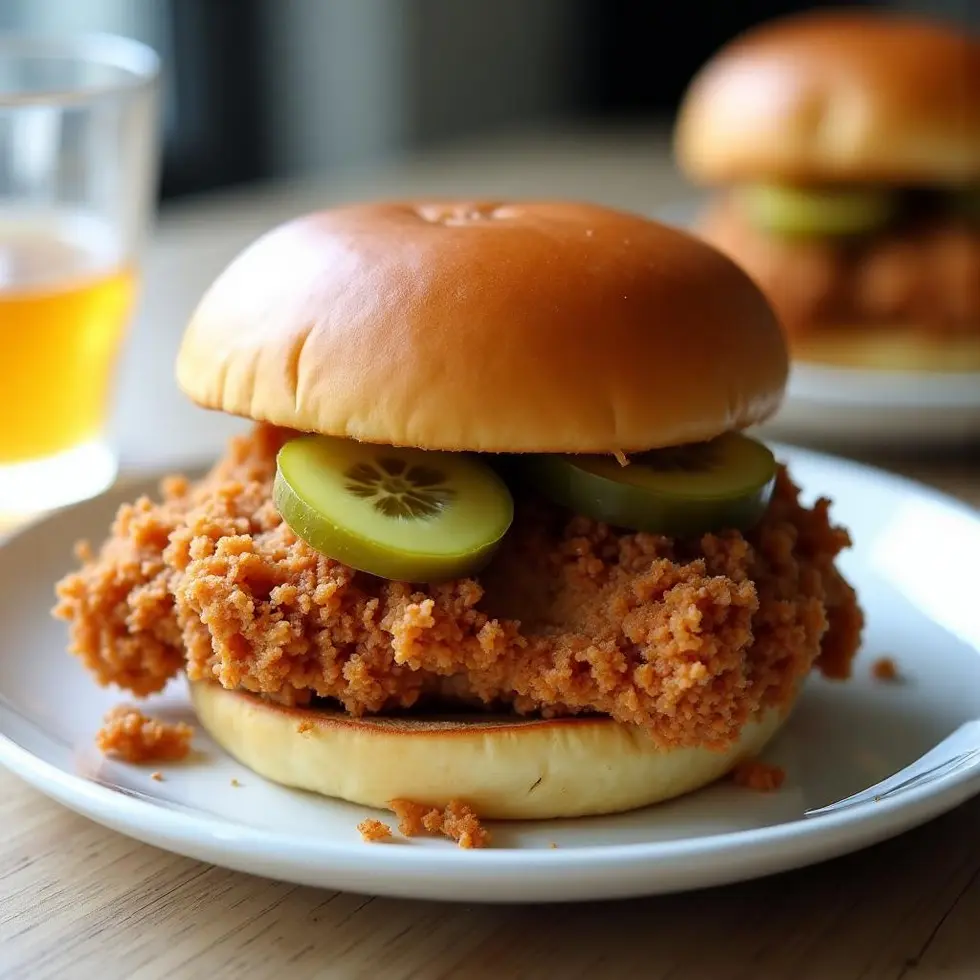
For a spicy chickfila sandwich recipe, add one teaspoon of cayenne pepper to the flour mixture and increase the black pepper to one full teaspoon. The cayenne provides direct heat, and the extra black pepper adds a sharper bite.
You can also coat the fried chicken with a spicy oil after it comes off the wire rack. Whisk together two tablespoons of peanut oil with one teaspoon of cayenne and half a teaspoon of smoked paprika, then brush it over the hot chicken before placing it on the bun.
Building a Deluxe Version
A copycat chick fil a deluxe adds lettuce, tomato, and cheese to the base sandwich. Use green leaf lettuce torn into bun-sized pieces, one thick tomato slice, and a slice of American or white cheddar cheese placed directly on the hot chicken so it melts slightly.
The vegetables add moisture and crunch, which changes the texture balance. If you are adding tomato, place it on the bottom bun underneath the chicken so the juice does not soak into the top of the crust.
Side Pairings
Waffle fries are the most common side for this sandwich, but roasted sweet potato wedges or a simple coleslaw also work. The coleslaw should be vinegar-based rather than mayo-heavy to avoid competing with the richness of the fried chicken.
Fruit cups or a small green salad balance the fried element without adding more starch. According to AllRecipes, side dishes that include acid or crunch help cut through the oil and keep the meal from feeling too heavy.
Make-Ahead Strategy
You can brine the chicken up to 24 hours in advance and store it covered in the refrigerator. The flavor deepens slightly with longer brining time, but the texture stays the same.
Mix the flour and spice coating ahead of time and store it in an airtight container at room temperature for up to one week. This saves time on busy evenings and ensures consistent seasoning across multiple batches.
Fried chicken tastes best within two hours of cooking. If you need to hold it longer, keep it warm in a 200°F / 93°C oven on a wire rack, but know that the crust will soften slightly after about 30 minutes.
Rest Before Assembly
The five-minute rest on the wire rack is not optional. Skipping it leaves the chicken juicier but makes the crust steam and lose texture once it is placed on the bun.
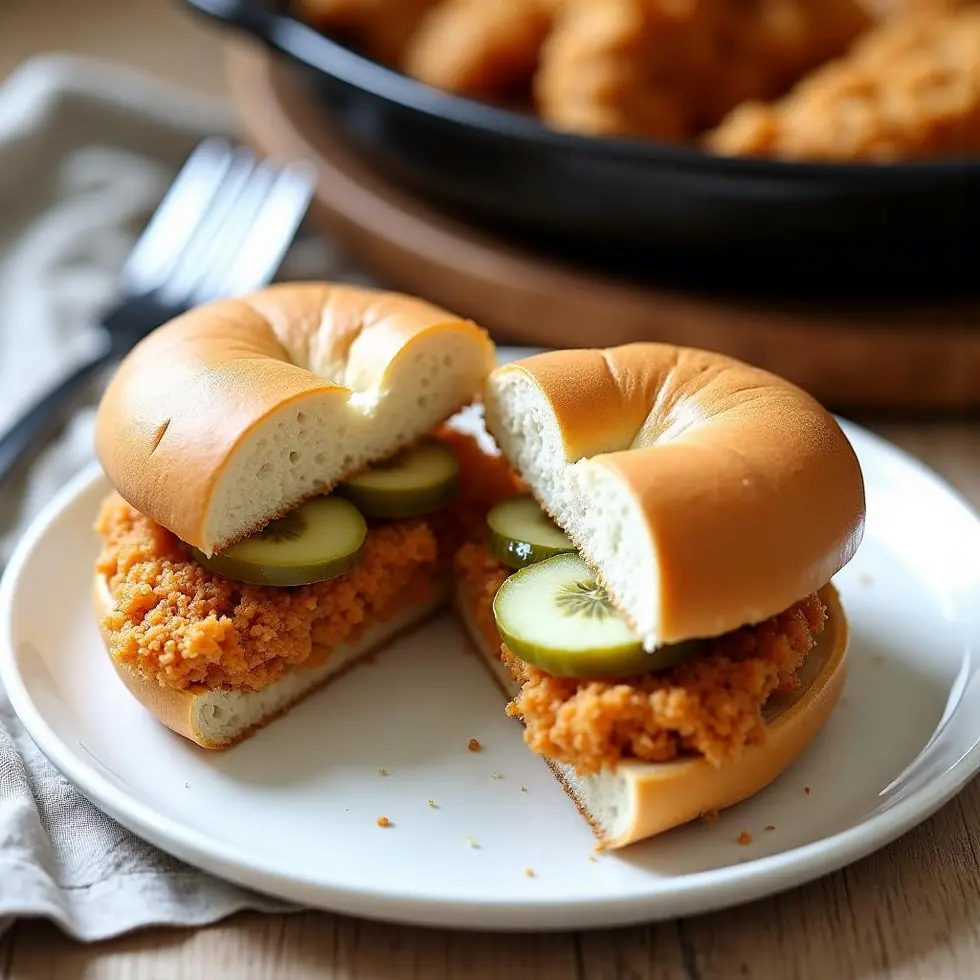
Toast the brioche buns lightly in a dry skillet or under the broiler while the chicken rests. The toasted surface provides a barrier that slows moisture absorption and keeps the bun from getting soggy. Place two pickle slices on top of each chicken breast immediately before serving so their brine does not soak into the crust during the resting period.
Frequently Asked Questions
Can I use a different oil for frying?
Peanut oil is preferred because it has a high smoke point and a neutral flavor that does not compete with the seasoning. Vegetable oil or canola oil will work, but they may leave a slightly heavier texture on the crust. Avoid olive oil because it smokes at temperatures below 350°F / 175°C.
What if I do not have pickle brine?
You can make a quick substitute by mixing one cup of water with two tablespoons of white vinegar and one tablespoon of salt. Stir until the salt dissolves, then use it the same way you would use pickle brine. The flavor will be less complex but still effective for tenderizing the chicken.
How do I keep the breading from falling off?
Pat the chicken completely dry after removing it from the brine, and press the flour mixture firmly onto both sides of each piece. Do not move the chicken around in the oil during the first three minutes of frying; the crust needs time to set before you flip it.
Can I bake the chicken instead of frying it?
Baking will not produce the same crust texture. If you want a lighter version, use an air fryer at 375°F / 190°C for 12 to 14 minutes, flipping halfway through. The crust will be drier and less golden than the fried version but still flavorful.
Why does my chicken turn out dry?
Overcooking is the most common cause. Use a meat thermometer to check that the internal temperature reaches exactly 165°F / 74°C, then remove the chicken immediately. Frying at too low a temperature also extends the cooking time and dries out the meat.
Can I prep the chicken the night before?
Yes. You can brine the chicken, pat it dry, and store it covered in the refrigerator overnight. Do not coat it in flour until just before frying, or the moisture from the chicken will make the breading gummy. Soaking chicken in pickle brine for longer than two hours deepens the flavor without changing the texture.
Copycat Fried Chicken Sandwich
Ingredients
Method
- Submerge the chicken breasts in pickle brine and refrigerate for 2 hours.
- Combine flour, powdered sugar, paprika, garlic powder, and black pepper in a shallow dish.
- Remove chicken from brine, pat dry, and dredge each piece in the seasoned flour mixture until fully coated.
- Heat peanut oil in a deep skillet to 350°F / 175°C and fry chicken for 7 to 8 minutes per side until golden brown and internal temperature reaches 165°F / 74°C.
- Transfer chicken to a wire rack and rest for 5 minutes.
- Place each chicken breast on a toasted brioche bun and top with 2 pickle slices before serving.
