
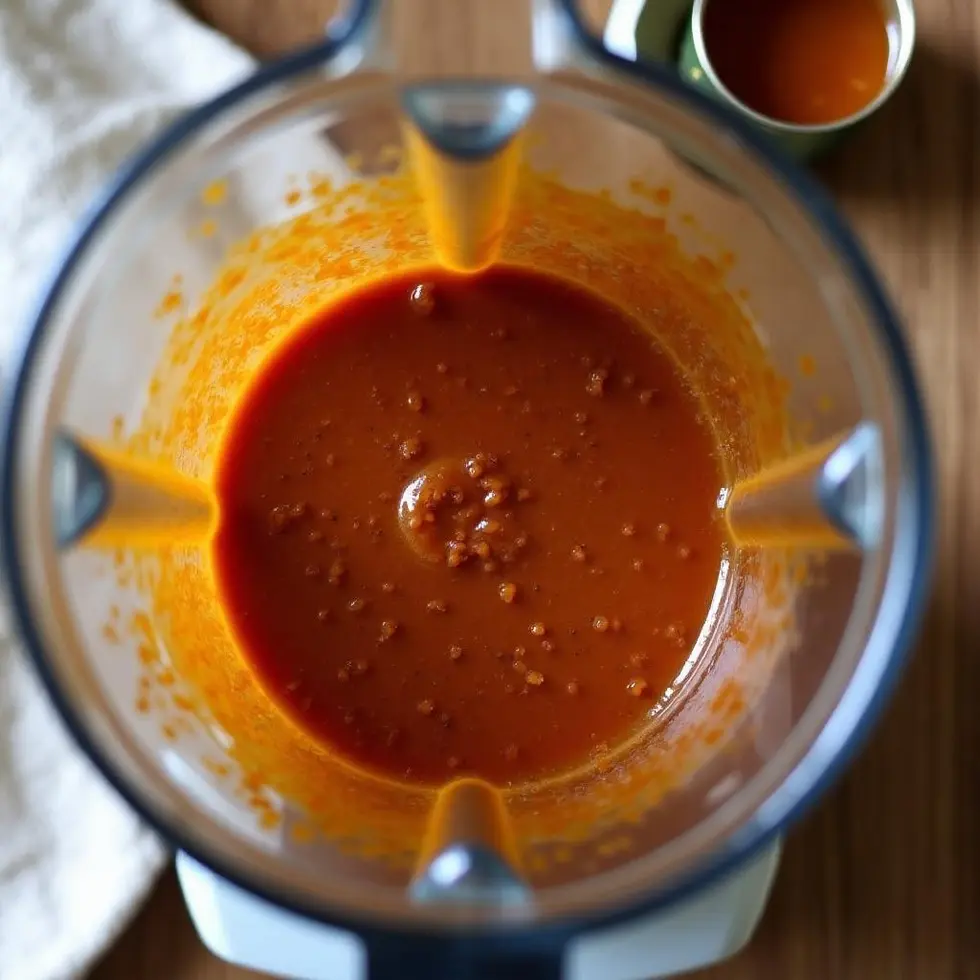
Blending red wine vinegar with adobo sauce for thirty seconds in a food processor turned the mixture glossy and smooth without separating, while honey kept the emulsion stable.
Most store-bought dressings thin out on salad greens or settle into layers after a few days in the fridge. This vinaigrette relies on a single blender step that emulsifies olive oil with smoky chipotle peppers in adobo, creating a dressing that clings to lettuce, grilled chicken, and roasted vegetables without pooling at the bottom of the bowl.
The homemade version delivers stronger smoky heat and brighter acidity than bottled alternatives because you control the ratio of adobo sauce to honey. With the chipotle peppers minced directly into the blend, every drizzle carries flecks of pepper and garlic powder without settling between uses.
Why This Vinaigrette Works on Everything
The Adobo Sauce Creates the Signature Smokiness
Most burrito bowl dressings get their depth from chipotle peppers packed in adobo sauce, which combines dried jalapeños with tomato paste, vinegar, and spices. Using both the minced peppers and a tablespoon of the sauce itself builds layers of smoky heat without adding extra ingredients.
The adobo sauce thickens the vinaigrette slightly while the honey balances the acidity from red wine vinegar. When blended on high speed for thirty to forty-five seconds, the oil and vinegar emulsify into a smooth, glossy texture that stays mixed in the fridge for up to seven days.
Garlic powder and ground cumin reinforce the restaurant-style profile without requiring fresh garlic or toasting whole spices. Cumin adds warmth that complements the smoky peppers, while garlic powder disperses evenly throughout the blend.
It Stays Thick Enough to Coat Without Weighing Down Greens
The ratio of oil to vinegar in this dressing sits at two parts oil to one part vinegar, which creates a lighter consistency than creamy dressings but clings better than a basic vinaigrette. Honey acts as both sweetener and stabilizer, helping the emulsion hold together when shaken.
After blending, the dressing should coat the back of a spoon without dripping off immediately. If it looks too thin, adding another half tablespoon of honey will thicken it slightly without making the flavor too sweet.
Refrigerating the finished vinaigrette for at least an hour before serving lets the flavors meld and the texture firm up slightly, though it remains pourable. Shaking the jar before each use redistributes the pepper flecks and keeps the emulsion smooth.
One Ingredient Swap Changes the Entire Balance
Red wine vinegar provides sharp acidity that cuts through the richness of olive oil and honey. Swapping it for white vinegar or apple cider vinegar shifts the flavor profile—white vinegar makes the dressing more piercing, while apple cider vinegar adds a fruity note that can overpower the smoky adobo.
The three tablespoons of honey in the base recipe create a balanced sweet-spicy finish. Reducing it to two tablespoons makes the heat more prominent, while increasing it to four tablespoons pushes the dressing into a sweeter territory that works better on Chick-fil-A’s Spicy Southwest Salad with corn and black beans.
The quarter teaspoon of salt amplifies the other flavors without making the dressing taste salty, but many canned chipotle peppers already carry salt in the adobo sauce, so tasting before adding more salt prevents over-seasoning.
How to Blend the Copycat Dressing
Starting with the Right Equipment
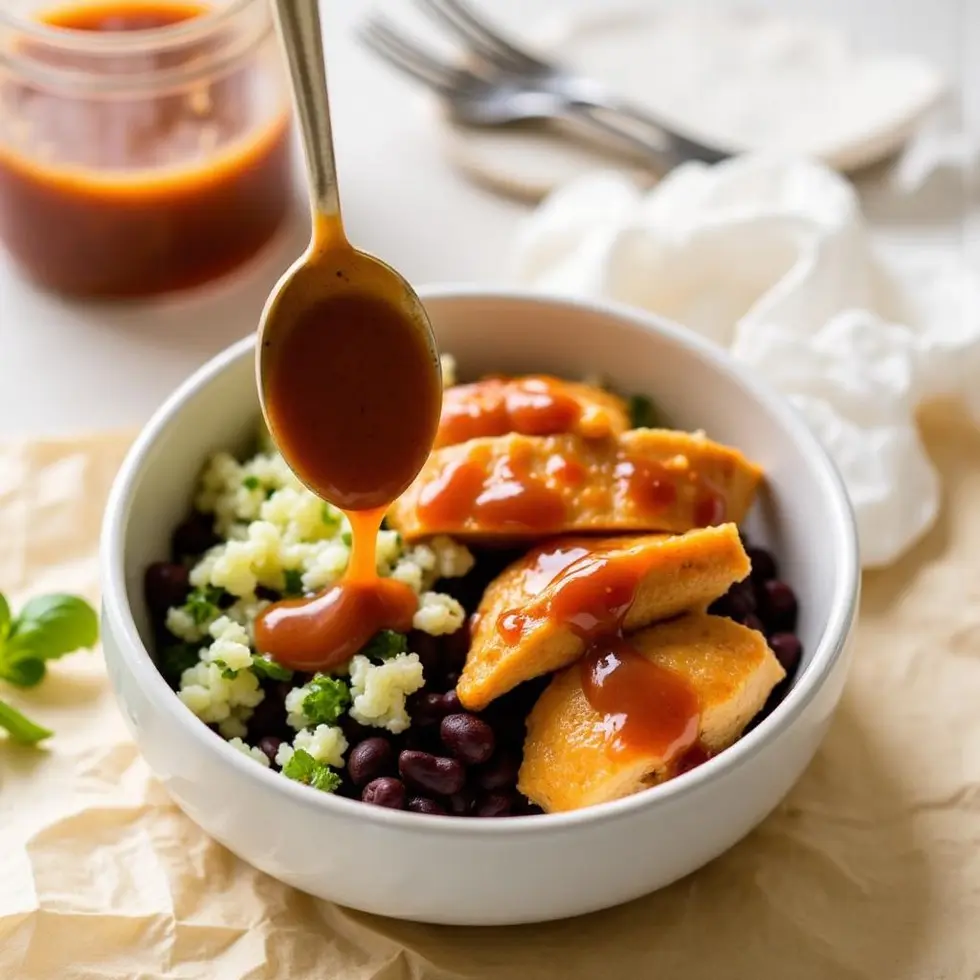
A standard blender or food processor emulsifies the oil and vinegar faster than whisking by hand, which can take several minutes and still risks separation. The high speed breaks down the minced chipotle peppers into smaller flecks that distribute evenly throughout the dressing.
If you prefer a chunkier texture, pulse the blender three or four times instead of running it continuously. This leaves larger pieces of pepper visible and creates a more rustic presentation, though the dressing may separate slightly faster in the fridge.
Mincing the chipotle peppers before adding them to the blender ensures they break down fully during the short blending time. Leaving them whole can result in uneven heat distribution, with some bites carrying intense spice and others tasting mild.
The Order of Ingredients Affects the Final Texture
Adding the olive oil first, followed by red wine vinegar, honey, minced chipotle peppers, adobo sauce, garlic powder, cumin, and salt, creates a stable base before blending. Pouring the oil in last can cause the mixture to splash out of the blender jar at high speed.
Blending for thirty to forty-five seconds turns the dressing opaque and slightly thickened. Stopping before thirty seconds can leave the oil and vinegar separated, while blending for more than a minute warms the mixture slightly without improving the texture.
After blending, taste the dressing directly from a spoon rather than drizzling it on food first. This makes it easier to judge whether the sweetness, heat, or acidity needs adjustment before transferring it to a storage jar.
If the dressing tastes too sharp, add another half tablespoon of honey and blend for ten seconds. If it needs more heat, stir in another half tablespoon of adobo sauce without blending again, so the smoky flavor remains concentrated in small pockets.
Storing It Without Losing Freshness
Transferring the finished vinaigrette to a glass jar or bottle with a tight-fitting lid prevents the olive oil from absorbing plastic odors during refrigeration. Mason jars work well because the wide mouth makes shaking easier.
The dressing keeps for up to seven days in the fridge, though the garlic powder and cumin flavors intensify slightly after the first day. Shaking the jar vigorously for five to ten seconds before each use reincorporates any oil that has risen to the top.
Bringing the dressing to room temperature for ten minutes before serving loosens the consistency, making it easier to drizzle over cold salad greens. Pouring it straight from the fridge works fine for warm Chipotle Chicken Salad Bowl Recipe components like grilled chicken or roasted vegetables.
After three days, check the dressing for any signs of separation or watery texture at the bottom of the jar. A quick shake usually fixes this, but if the emulsion breaks completely, blending it again for fifteen seconds restores the smooth consistency.
Heat Level, Swaps and Storage
Adjusting Spice Without Changing the Smoky Flavor
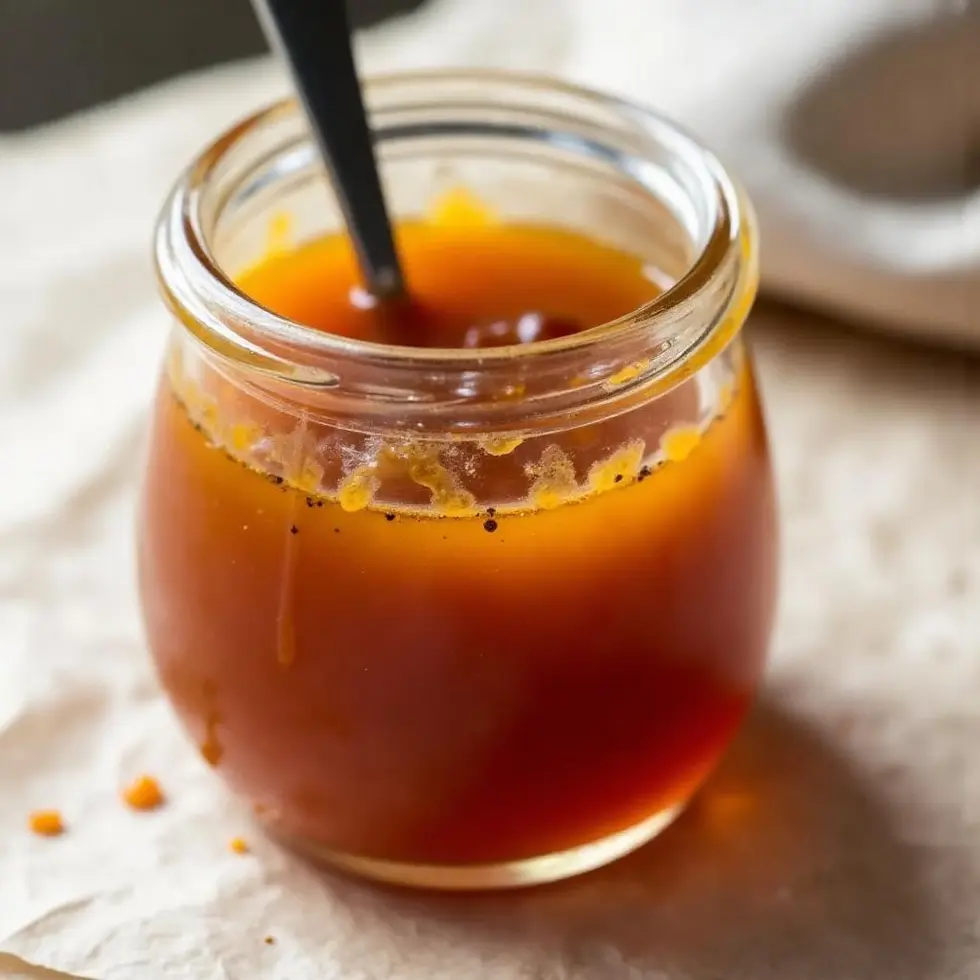
The two tablespoons of minced chipotle peppers and one tablespoon of adobo sauce create a medium heat level that most people find balanced with the honey. Reducing the adobo sauce to half a tablespoon lowers the heat while keeping the smoky flavor intact, making this suitable for anyone who finds restaurant-style dressings too spicy.
Increasing the adobo sauce to two tablespoons intensifies both heat and smokiness, which works well on heartier greens like kale or romaine that can handle a stronger dressing. Adding an extra minced chipotle pepper without additional adobo sauce raises the heat without thinning the dressing’s consistency.
If the finished dressing feels too hot after tasting, stirring in an extra tablespoon of honey and a teaspoon of olive oil dilutes the heat without requiring a full re-blend. This method works better than adding more vinegar, which would make the dressing too acidic.
Ingredient Swaps That Work and Ones That Don’t
Swapping extra virgin olive oil for a lighter olive oil or avocado oil reduces the grassy, peppery flavor that some people find too strong. Avocado oil creates a milder base that lets the chipotle and honey flavors stand out more.
Maple syrup can replace honey in equal amounts for a slightly earthier sweetness, though it makes the dressing darker and less glossy. Agave nectar works as a one-to-one swap and maintains the same smooth texture as honey.
Using white wine vinegar instead of red wine vinegar lightens the color slightly and creates a sharper, less rounded acidity. This works better on salads with delicate greens like butter lettuce or spring mix, where red wine vinegar might taste too bold.
Smoked paprika cannot replace chipotle peppers in adobo because it lacks the heat and the tangy depth from the sauce itself. If chipotle peppers are unavailable, mixing a teaspoon of smoked paprika with a pinch of cayenne and a tablespoon of tomato paste creates a mild approximation, though it will not taste the same as the chipotle salad dressing copycat profile.
Serving Ideas Beyond Burrito Bowls
This vinaigrette clings well to shredded cabbage for slaw, especially when paired with black beans and corn. The smoky heat complements grilled chicken thighs better than breasts because the fattier meat absorbs more flavor.
Roasted sweet potatoes and bell peppers benefit from the honey and cumin balance, which adds warmth without overwhelming the vegetables’ natural sweetness. Drizzling the dressing over warm Chipotle Black Beans Copycat Recipe creates a layered flavor that mimics the restaurant experience.
For meal prep, store the dressing separately from salad greens to prevent sogginess. Pack it in a small container and pour it over the bowl just before eating, so the lettuce stays crisp and the toppings remain distinct.
Freezing this dressing is not recommended because the emulsion breaks when thawed, leaving a watery layer and separated oil. If you need to extend the storage time, halving the recipe and making a fresh batch every five days keeps the flavor brighter than refrigerating a large batch for two weeks.
Why Adobo Matters More Than You Think
The tablespoon of adobo sauce does more than add heat—it provides the tangy, slightly sweet base that makes restaurant-style dressings taste cohesive. Without it, the chipotle peppers alone taste sharp and one-dimensional, missing the rounded smokiness that makes the vinaigrette recognizable.
Skipping the mincing step and adding whole peppers creates uneven heat pockets in the finished dressing, which can surprise you mid-bite. Taking thirty seconds to mince them finely before blending ensures consistent flavor in every drizzle.
Frequently Asked Questions
Can I make this dressing without a blender?
You can whisk the ingredients by hand, but the dressing will separate faster and the chipotle peppers will not break down as finely. Mincing the peppers very finely before whisking helps, and shaking the jar vigorously before each use reincorporates the oil.
How do I make the dressing thicker?
Adding another tablespoon of honey or reducing the red wine vinegar to three tablespoons thickens the consistency slightly. Blending in a teaspoon of Dijon mustard also helps emulsify the oil and vinegar more tightly, creating a creamier texture without dairy.
Does this dressing taste exactly like the restaurant version?
This chipotle honey vinaigrette copycat recreates the smoky, sweet, and tangy balance using similar ingredients, but restaurant recipes vary by location and may include proprietary blends. The homemade version gives you control over heat and sweetness, which many people prefer.
Can I use dried chipotle powder instead of peppers in adobo?
Chipotle powder adds smokiness but lacks the tangy, saucy depth of adobo. If substituting, use one teaspoon of chipotle powder plus one tablespoon of tomato paste and a pinch of brown sugar to approximate the flavor, though the result will be drier and less complex.
What happens if I skip the cumin?
The dressing will still work, but it loses the warm, earthy undertone that balances the vinegar’s sharpness and the honey’s sweetness. Cumin is a small addition that makes a noticeable difference in the overall flavor profile, so it is worth including.
Copycat Chipotle Honey Vinaigrette
Ingredients
Method
- Combine olive oil, red wine vinegar, honey, minced chipotle peppers, adobo sauce, garlic powder, cumin, and salt in a blender or food processor.
- Blend on high for 30 to 45 seconds until smooth and emulsified.
- Taste and adjust honey for sweetness or adobo sauce for heat if desired.
- Transfer to a jar or bottle and refrigerate for up to 7 days, shaking before each use.
- Drizzle over burrito bowls, salads, grilled chicken, or roasted vegetables.
