
Flank steak marinated in chipotle adobo for just 30 minutes developed charred edges over high heat without drying out at the center.
The proteins in flank steak tighten faster than proteins in tender cuts like ribeye or tenderloin. When heat reaches the surface of lean beef above 400°F, a Maillard reaction creates the browned crust while muscle fibers contract and push moisture toward the cooler center. That reaction happens in the first 90 seconds of contact with a hot grill pan or grate. The marinade in this copycat chipotle steak sits on the surface long enough to coat the fibers but stops before it starts breaking down too much structure, which preserves the chew you expect from the restaurant-style version.
The homemade version delivers more control over char and doneness because you choose the internal temperature and adjust the grill timing to match the thickness of your steak. Restaurant kitchens typically cook multiple cuts at once, which can result in uneven doneness. At home, you’re grilling one piece of meat at a time, so the heat stays consistent and the resting step becomes easier to manage.
Most burrito bowl meals depend on the beef staying juicy through slicing, assembly, and reheating. That outcome relies on three factors: the acid balance in the marinade, the surface temperature during grilling, and the resting period after cooking.
What Makes Chipotle Steak Flavorful
Chipotle Peppers in Adobo Create Layered Heat
Chipotle peppers are smoked jalapeños packed in a tomato-vinegar sauce called adobo. The smoking process concentrates capsaicin and adds a woody depth that fresh jalapeños lack. When you mince the peppers and mix them with the adobo sauce, you’re combining three flavor elements: smoky heat from the chipotle, tangy acidity from the tomato base, and a mild sweetness that balances the pepper’s bite.
The adobo sauce itself contains paprika, garlic, and sometimes a trace of sugar, which caramelizes during grilling and deepens the char. This combination gives the steak a flavor profile that reads as smoky and complex rather than simply spicy.
Restaurant versions typically use a blended marinade that distributes the chipotle evenly. Mincing the peppers by hand achieves a similar effect and allows small bits of pepper to cling to the meat, which intensifies the heat in certain bites.
Acid and Oil Balance Tenderization Without Mushiness
Lime juice provides acidity that starts to denature the proteins on the steak’s surface, which helps the marinade penetrate the first few millimeters of muscle fiber. Too much acid or too much time will turn the exterior gray and mealy. Two tablespoons of lime juice mixed with two tablespoons of oil creates a ratio that keeps the surface moist without over-tenderizing the meat.
The oil coats the steak and prevents the marinade from evaporating too quickly on the grill. It also raises the effective heat transfer, which helps the exterior char before the interior overcooks. Vegetable oil works because it has a high smoke point and a neutral flavor that doesn’t compete with the chipotle.
According to The Kitchn, blending the marinade creates a smoother coating, but whisking by hand leaves more texture, which some cooks prefer for a rustic finish.
Cumin and Oregano Add Earthy Warmth
Ground cumin releases a toasted, almost nutty aroma when it sits in the marinade, and that warmth becomes more pronounced once the steak hits the grill. Dried oregano contributes a slightly bitter, herbal note that cuts through the richness of the beef. Together, these two spices create a flavor base that many associate with Mexican and Tex-Mex cooking.
The spices don’t need to bloom in oil before marinating because the acid in the lime juice and the moisture in the adobo sauce activate their volatile compounds. A 30-minute rest in the refrigerator gives the cumin and oregano enough time to permeate the surface without requiring an overnight soak.
If you want a deeper spice layer, you can toast the cumin in a dry skillet for 20 seconds before adding it to the marinade, though the recipe works well without that step.
How to Make Copycat Chipotle Steak
Whisk the Marinade Until Smooth
Combine the minced chipotle peppers, adobo sauce, lime juice, vegetable oil, minced garlic, ground cumin, dried oregano, and salt in a bowl. Whisk for 15 to 20 seconds until the oil emulsifies slightly with the acid and the spices distribute evenly. The mixture should look thick and cohesive rather than separated.
Mincing the garlic releases its pungent oils, which blend more thoroughly into the marinade than sliced or crushed cloves. If you use jarred minced garlic, measure it carefully because the moisture content varies by brand and can dilute the marinade.
The marinade should taste bold and concentrated because it only coats the surface of the steak. If it tastes weak in the bowl, it will taste even milder once diluted by the beef’s natural juices.
Coat the Steak and Refrigerate for 30 Minutes
Place the flank steak or sirloin steak in a shallow dish and pour the marinade over it. Turn the steak several times to coat both sides and the edges. Cover the dish or transfer the steak and marinade to a resealable plastic bag, then refrigerate for 30 minutes.
This short marinating time prevents the acid from breaking down too much of the protein structure. Flank steak has long, tight muscle fibers that benefit from a brief soak but can turn mushy if left in acid for several hours. Thirty minutes is enough for the chipotle flavor to penetrate the surface without compromising the texture.
If you’re marinating multiple steaks, make sure they don’t overlap too much in the dish. Overlapping reduces the surface area exposed to the marinade and creates uneven flavor.
Preheat the Grill to High Heat
Preheat a grill or grill pan to high heat, around 450°F. If you’re using a charcoal grill, arrange the coals in an even layer and let them burn until they’re covered with white ash. If you’re using a gas grill, set all burners to high and close the lid for 10 minutes. If you’re using a grill pan on the stovetop, heat it over medium-high until a drop of water sizzles and evaporates in less than two seconds.
High heat creates the charred crust that defines the restaurant-style version. Lower heat will cook the steak through without developing enough browning, which leaves the exterior pale and the flavor one-dimensional.
The grill grates or pan surface should be clean and lightly oiled to prevent sticking. Use tongs to rub a paper towel dipped in vegetable oil across the grates just before adding the steak.
Grill the Steak for 3 to 4 Minutes Per Side
Remove the steak from the marinade and let the excess drip off. Place it on the preheated grill and cook for 3 to 4 minutes without moving it. Flip the steak once and cook for another 3 to 4 minutes until the internal temperature reaches 135°F for medium-rare.
The first side develops the most char because it sits on the hottest surface. Resist the urge to press down on the steak with a spatula, which squeezes out moisture and reduces the final juiciness. The marinade will smoke slightly as it hits the grill, which adds a faint campfire aroma to the finished steak.
Use an instant-read thermometer to check the thickest part of the steak. Pull it off the grill at 135°F for medium-rare or 145°F for medium. Carryover cooking will raise the internal temperature by another 5 degrees during resting.
Rest the Steak Before Slicing
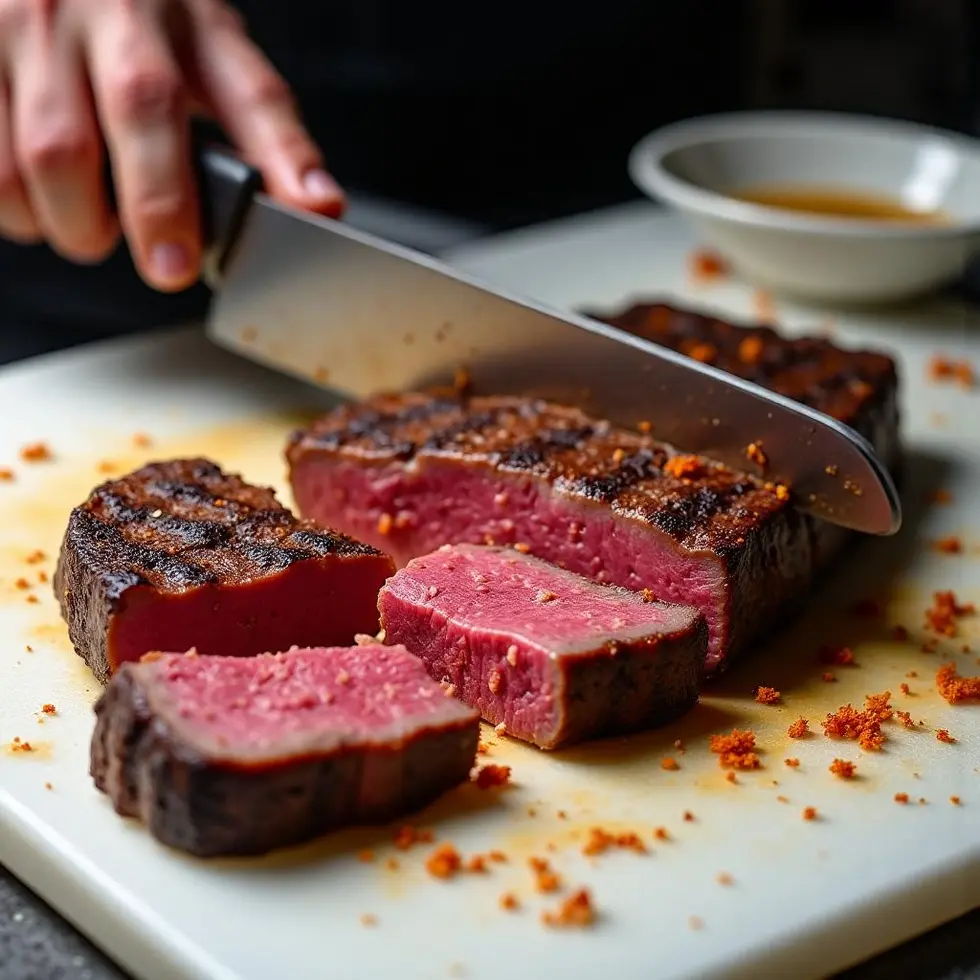
Transfer the steak to a cutting board and let it rest for 5 minutes. Resting allows the muscle fibers to relax and reabsorb some of the moisture that was pushed toward the center during cooking. If you slice immediately, the juices will run onto the board instead of staying in the meat.
Cover the steak loosely with foil if you want to keep it warm, but don’t wrap it tightly or the steam will soften the crust. The crust should stay dry and slightly crisp on the outside.
After resting, slice the steak thinly against the grain. The grain refers to the direction of the muscle fibers, which run lengthwise on flank steak. Cutting perpendicular to those fibers shortens them, which makes each bite more tender.
Bowl Ideas, Marinade Tips and Storage
Build a Steak Burrito Bowl
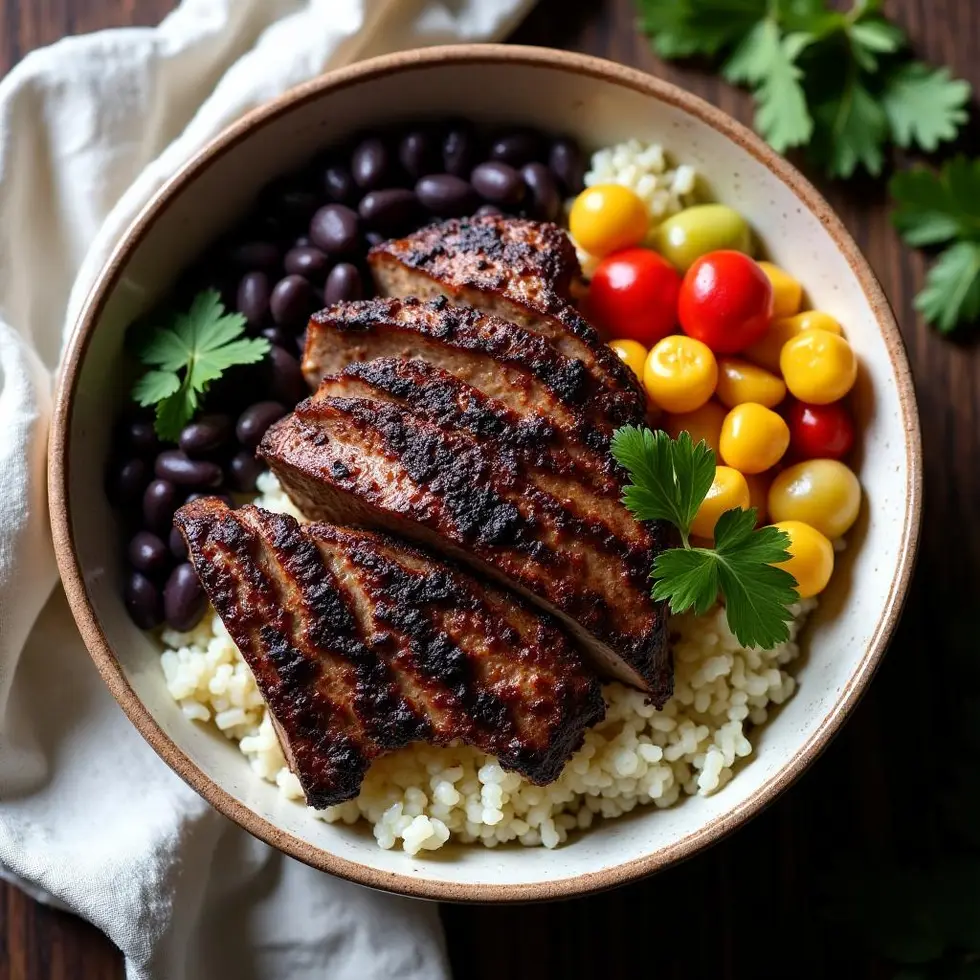
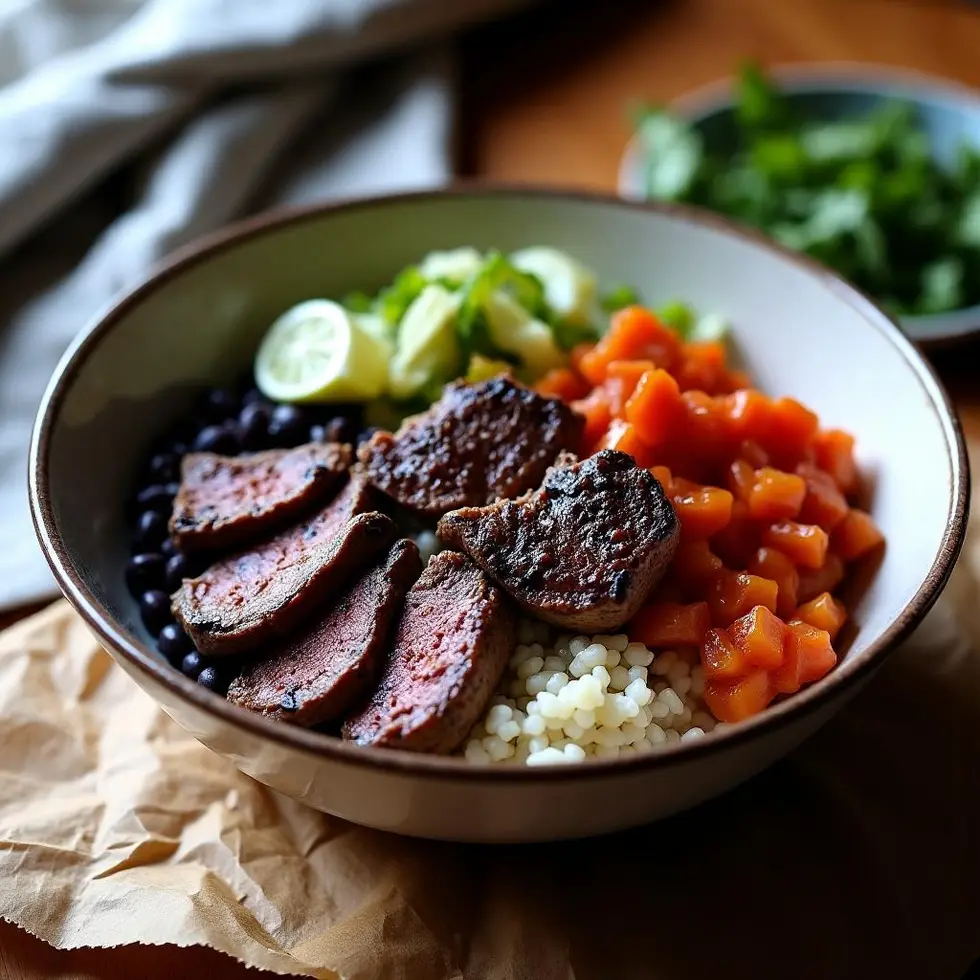
Serve the sliced steak over cilantro-lime rice with Chipotle black beans, fresh salsa, shredded lettuce, and a spoonful of sour cream. The warm rice soaks up the steak juices and the bean liquid, which ties the bowl together. Add cheese, corn, or guacamole if you want more richness.
The steak also works well in tacos, quesadillas, or served alongside roasted vegetables. If you’re meal-prepping, divide the sliced steak into individual containers with rice and beans, then add fresh toppings just before eating.
For a lower-carb option, skip the rice and build the bowl on a base of shredded cabbage or romaine lettuce. The chipotle marinade provides enough flavor that you don’t need a heavy dressing.
Adjust the Marinade for Heat and Smoke
If you prefer a milder version, use only one tablespoon of chipotle peppers and increase the adobo sauce to two tablespoons. The sauce carries the smoky flavor with less direct heat. If you want more spice, add a pinch of cayenne or a few drops of hot sauce to the marinade.
You can also replace the chipotle peppers with smoked paprika if you want the smoke without the heat, though the flavor profile will shift slightly. One teaspoon of smoked paprika mixed with a tablespoon of tomato paste mimics the adobo base, but the result tastes less complex than using the actual canned peppers.
Fork to Spoon offers a blended marinade variation that uses a food processor to create a smoother consistency, which some home cooks find easier to work with for meal prep.
Store Cooked Steak for Up to Four Days
Refrigerate the sliced steak in an airtight container for up to four days. The slices reheat best in a skillet over medium heat for about 90 seconds per side, which warms them through without drying them out. You can also microwave the steak in 20-second intervals, though the texture will be slightly softer.
Freeze the cooked steak for up to two months. Separate the slices with parchment paper before freezing so you can remove only the portions you need. Thaw overnight in the refrigerator and reheat in a skillet.
The marinade itself keeps in the refrigerator for up to one week in a sealed jar. Make a double batch and use half for steak and half for chicken or pork.
Grill Heat Decides the Char
The single factor that determines whether this recipe delivers restaurant-style flavor is the grill temperature during the first minute of contact. If the heat drops below 400°F, the steak will cook through before the surface develops a deep char, and the flavor will taste more like roasted beef than grilled meat. Preheat the grill fully and resist the urge to lower the heat once the steak is on.
High heat creates the caramelization and smoke that define this chipotle steak recipe. The marinade provides the flavor base, but the grill turns that base into the charred, juicy result you recognize from the burrito bowl.
Frequently Asked Questions
Can I use a different cut of steak for this recipe?
Yes, sirloin, skirt steak, or flat iron steak work well because they have enough texture to hold up to the marinade and high-heat grilling. Avoid thick cuts like ribeye or New York strip unless you adjust the cooking time to account for the extra thickness.
How do I know when the steak is done without a thermometer?
Press the center of the steak with your finger. If it feels soft and squishy, it’s rare. If it feels slightly firm with some give, it’s medium-rare. If it feels firm with little give, it’s medium. A thermometer is more accurate, but the finger test works in a pinch.
Can I marinate the steak for longer than 30 minutes?
You can marinate for up to two hours, but beyond that the acid in the lime juice will start to break down the protein too much and the texture will become mealy. If you want to prep ahead, marinate for 30 minutes, then drain and refrigerate the steak until you’re ready to grill.
What should I do with leftover adobo sauce?
Store it in a small jar in the refrigerator for up to two weeks. Use it to season rice, stir it into mayo for a smoky sandwich spread, or add a spoonful to chili or soup for extra heat and depth.
Can I cook this steak in a regular skillet instead of a grill?
Yes, use a cast-iron skillet heated over high heat until it just starts to smoke. Cook the steak for 3 to 4 minutes per side without moving it, then rest and slice as directed. The char won’t be identical to a grill, but the flavor will still be bold and smoky.
Copycat Chipotle Steak
Ingredients
Method
- Whisk together chipotle peppers, adobo sauce, lime juice, vegetable oil, garlic, cumin, oregano, and salt in a bowl.
- Place the steak in a shallow dish, pour the marinade over it, and turn to coat evenly, then refrigerate for 30 minutes.
- Preheat a grill or grill pan to high heat, about 450°F / 230°C.
- Grill the steak for 3 to 4 minutes per side until charred and cooked to 135°F / 57°C for medium-rare.
- Rest the steak for 5 minutes, then slice thinly against the grain.
- Serve the sliced steak in burrito bowls with rice, beans, and your favorite toppings.
