
The panko breadcrumbs stayed crisp through the entire bake instead of turning soft and greasy.
Grated Parmesan cheese mixed with panko breadcrumbs creates a crust that bakes into a golden, textured layer. The ranch seasoning mixed with mayonnaise acts as both a moisture layer and a flavor carrier that stays creamy underneath the crust. Garlic powder blended into the topping brings a savory note that makes each bite taste richer without adding complexity.
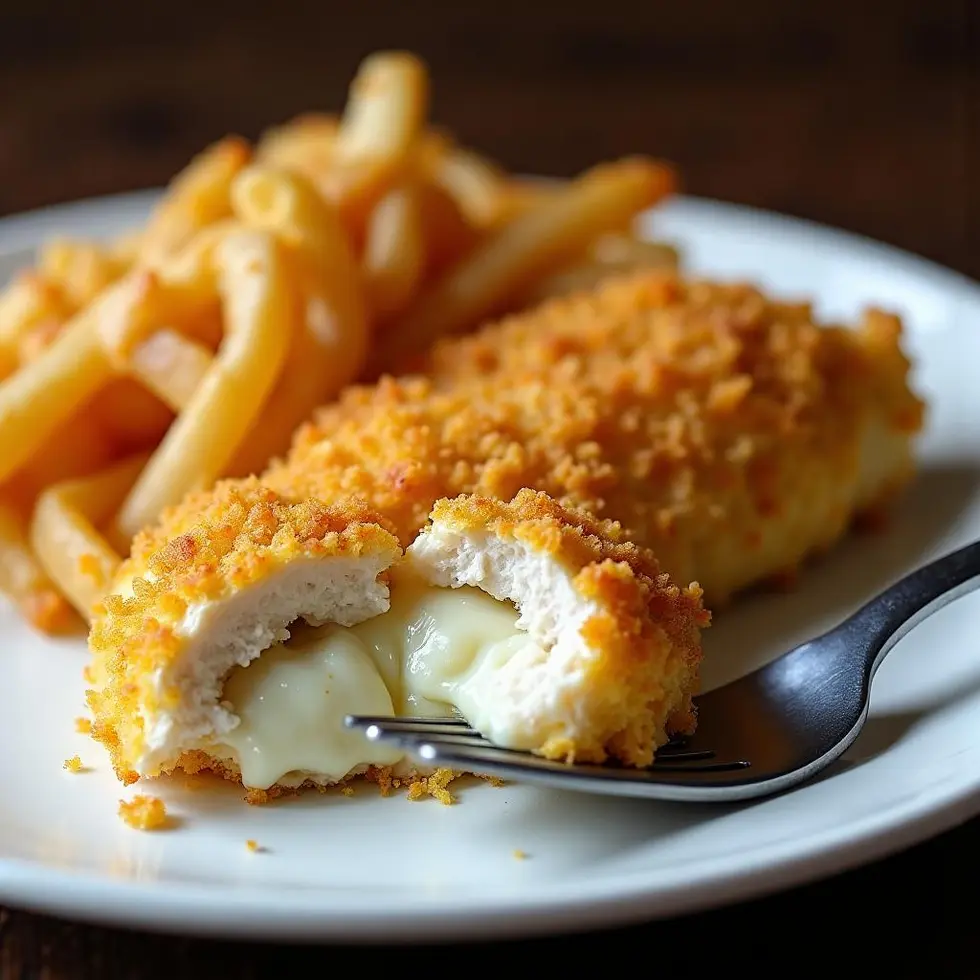
The mayonnaise in the ranch mixture doesn’t just add tang. It creates a barrier between the chicken and the crust, keeping the meat moist while the Parmesan and breadcrumbs toast in the oven. That’s why the homemade version often delivers juicier chicken than versions made without a moisture layer.
The aroma of toasted Parmesan hits you the moment you open the oven door at the 22-minute mark. That’s your cue that the crust has developed the right color and texture. When you make this copycat longhorn parmesan crusted chicken, the timing matters more than any other single step because the crust can go from golden to too dark in under two minutes.
Why This Longhorn Chicken Is So Craveable
The Ranch and Parmesan Combination
Restaurant-style versions of this dish depend on a creamy coating that stays put during baking. The mayonnaise and ranch seasoning blend creates that coating. The fat in the mayonnaise protects the chicken from drying out while the ranch seasoning adds onion, garlic, and herb notes that make the dish taste layered.
Grated Parmesan melts slightly as it bakes, binding the panko breadcrumbs into a cohesive crust. Panko breadcrumbs have larger, airier flakes than regular breadcrumbs, which means they toast more evenly and create more surface area for browning. That’s why the crust on this longhorn parmesan crusted chicken turns golden and crisp instead of dense and soft.
The homemade version tastes brighter because you control the salt level in the ranch seasoning and the freshness of the Parmesan. Pre-made versions often use pre-grated cheese with anti-caking agents that affect melt and flavor.
Baking at 400°F gives the crust enough heat to brown without drying out the chicken. If you bake below 375°F, the crust stays pale and the chicken releases more moisture, making the coating soggy. Above 425°F, the crust browns too fast and the interior doesn’t reach 165°F evenly.
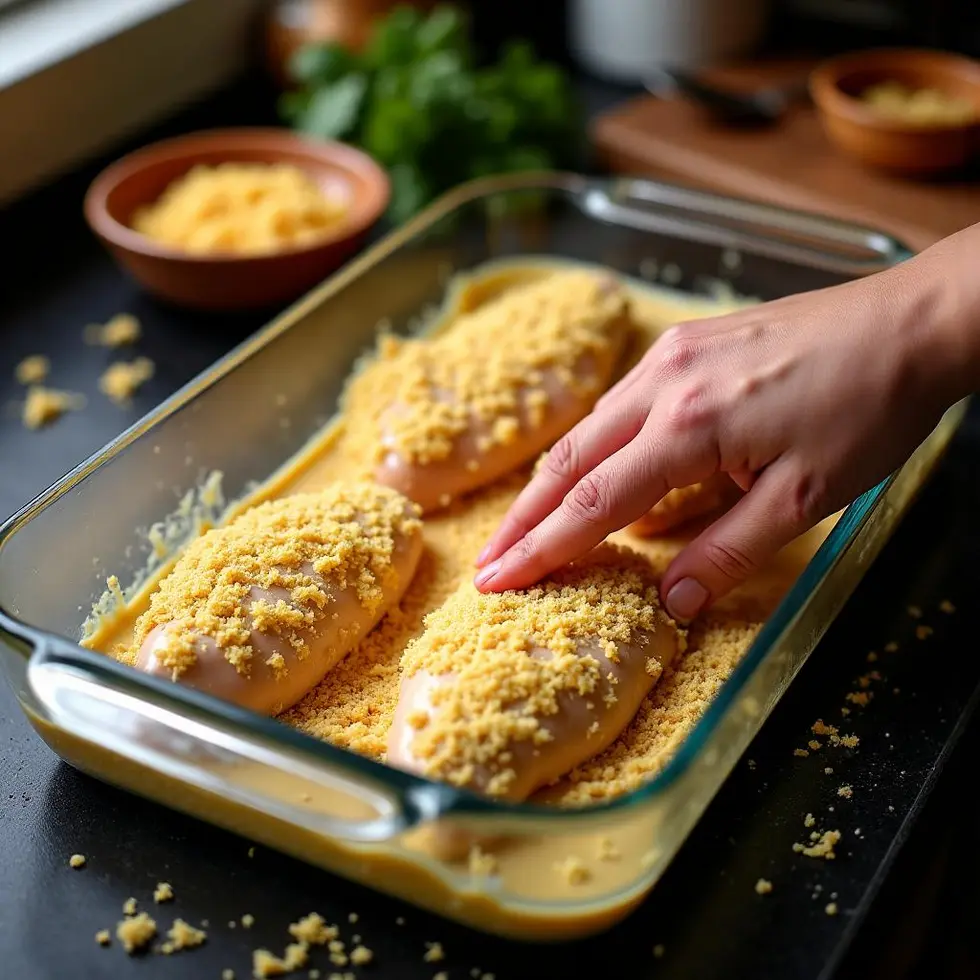
Press the Parmesan mixture firmly onto the ranch-coated chicken so it adheres during baking. If you sprinkle it loosely, the crust will slide off when you slice the chicken. A gentle press with your palm creates contact that holds through the entire bake.
Real Housemoms suggests an air fryer Parmesan crusted chicken method that crisps the coating even faster, though the oven method here delivers more even browning across all four breasts at once.
How to Make the Parmesan Crust
Preparing the Ranch Coating and Crust Mixture
Mix the mayonnaise and ranch seasoning in a small bowl until smooth. You need a spreadable consistency that coats the back of a spoon. If the mixture feels too thick, it won’t spread evenly. If it’s too thin, it will run off the chicken before you add the crust.
Combine the grated Parmesan, panko breadcrumbs, and garlic powder in a separate bowl. Stir the mixture with a fork to distribute the garlic powder evenly. You want every pinch of the crust to carry the same seasoning.
Place the chicken breasts in a lightly greased baking dish. Spread the ranch mixture over each piece using the back of a spoon or an offset spatula. Aim for an even layer that covers the entire surface. Bare spots will result in dry patches once the chicken bakes.
Press the Parmesan crust mixture onto the ranch-coated chicken. Use your fingers to pat it down gently, creating a layer about a quarter-inch thick. The mixture should stick immediately because of the mayonnaise underneath.
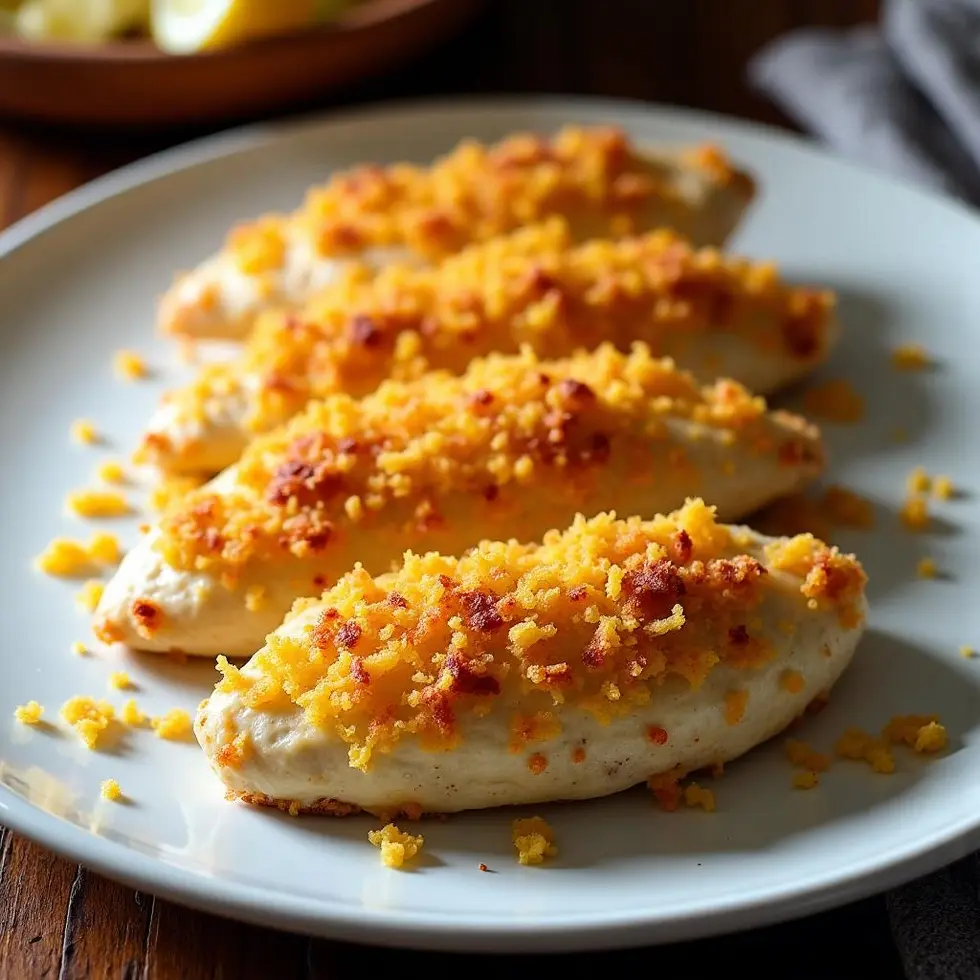
Bake the chicken for 22 to 25 minutes. Check the internal temperature at the thickest part of the largest breast using an instant-read thermometer. You’re looking for 165°F. The crust should be golden brown with darker edges where the Parmesan has caramelized.
Let the chicken rest for three minutes before slicing. This rest period allows the juices to redistribute so they don’t pool on the cutting board when you slice. The crust also sets during this time, making it easier to cut clean slices without the topping crumbling off.
If you’re interested in adding more steakhouse-style seasoning, Fork To Spoon offers a copycat LongHorn Prairie Dust seasoning blend that pairs well with this chicken.
Side Dishes, Reheating and Variations
What to Serve with Parmesan Crusted Chicken
Roasted vegetables work well because they match the oven temperature and baking time. Toss broccoli florets, sliced bell peppers, or trimmed green beans with olive oil and place them in a separate baking dish. They’ll finish at the same time as the chicken.
Mashed potatoes, rice pilaf, or a simple green salad round out the meal without competing with the rich, cheesy crust. If you want starch, choose something neutral that lets the Parmesan flavor stand out.
Store leftover chicken in an airtight container in the refrigerator for up to three days. The crust will soften as it sits, but you can revive the texture by reheating in a 375°F oven for eight to ten minutes. Avoid the microwave if you want to preserve any crispness.
For a lighter version, use Greek yogurt in place of half the mayonnaise. The crust will still adhere, but the ranch coating will have a tangier flavor and fewer calories. The texture stays creamy because the yogurt provides enough fat to protect the chicken.
Add a pinch of smoked paprika to the crust mixture if you want a subtle smoky note. It doesn’t change the cooking time or method, but it does deepen the flavor in a way that makes the dish taste more complex.
You can prep the chicken up to four hours ahead. Coat the breasts with the ranch mixture and press on the Parmesan crust, then cover the baking dish with plastic wrap and refrigerate. Bake straight from the fridge, adding two to three extra minutes to account for the cold start.
If you’re feeding more than four people, double the recipe and use two baking dishes. The oven space allows for even heat circulation, which keeps the crust from steaming instead of crisping.
Making the Crust Stick
The ranch coating must be thick enough to hold the Parmesan mixture in place. If the chicken looks wet after you spread the ranch layer, you’ve used too much mayonnaise or the seasoning hasn’t thickened the base. Blot the surface lightly with a paper towel before adding the crust.
When you press the Parmesan and panko onto the chicken, apply even pressure across the entire surface. Uneven pressing creates thick spots that stay soft and thin spots that burn. A consistent layer browns uniformly and delivers the same texture in every bite of this copycat longhorn parmesan crusted chicken.
Frequently Asked Questions
Can I use pre-shredded Parmesan cheese?
Pre-shredded Parmesan contains anti-caking agents that prevent it from melting and binding as smoothly as freshly grated cheese. For the best crust texture, grate a block of Parmesan yourself using the medium holes of a box grater. The difference in melt and flavor is noticeable.
Why is my crust soggy after baking?
Soggy crust usually comes from too much moisture in the ranch layer or baking at too low a temperature. Make sure the mayonnaise and ranch seasoning are well mixed and spreadable but not runny. Bake at 400°F to give the crust enough heat to crisp while the chicken cooks through.
Can I make this with chicken thighs instead of breasts?
Boneless, skinless chicken thighs work well with this method. They have more fat, so they stay juicier, but they also take a few extra minutes to reach 165°F. Check the thickest part of each thigh with a thermometer and expect a total bake time closer to 28 to 30 minutes.
How do I prevent the crust from falling off when I slice the chicken?
Let the chicken rest for three minutes after baking so the crust sets and the juices redistribute. Use a sharp knife and slice with a smooth, steady motion instead of sawing back and forth. Pressing down too hard or using a dull blade will tear the crust away from the meat.
Parmesan Crusted Chicken
Ingredients
Method
- Preheat the oven to 400°F / 200°C and lightly grease a baking dish with olive oil.
- Mix mayonnaise and ranch seasoning in a small bowl to create the creamy ranch topping.
- Combine Parmesan cheese, panko breadcrumbs, and garlic powder in another bowl for the crust mixture.
- Place chicken breasts in the baking dish, spread the ranch mixture evenly over each piece, then press the Parmesan crust mixture on top.
- Bake for 22 to 25 minutes until the crust is golden brown and the chicken reaches 165°F / 74°C at the thickest part.
- Rest for 3 minutes before serving to let the juices redistribute and the crust set.
