
The smooth blend of mayonnaise and minced jalapeños creates a creamy sauce that stays spreadable even after refrigeration, which is why the jalapeño sauce in this copycat taco bell chicken quesadilla recipe holds up better than most cheese-only versions.
What makes the restaurant-style quesadilla distinctive is the creamy jalapeño sauce that sits between the tortilla and the filling. Most people skip this step at home and go straight for cheese and chicken, but that sauce is what creates the rich, tangy base that holds every bite together. The sauce uses just three ingredients — mayonnaise, pickled jalapeños, and cumin — whisked until smooth. The mayonnaise stays creamy without separating, the pickled jalapeño brine adds acidity and mild heat, and the cumin brings earthy warmth that balances the richness.
The entire process takes 18 minutes from start to finish, with 10 minutes of prep and 8 minutes on the stovetop. You need cooked chicken, shredded Mexican cheese blend, and four flour tortillas. The sauce comes together in less than two minutes, and each quesadilla cooks for 3 to 4 minutes per side over medium heat. There’s no marinating, no resting, and no complicated timing.
The reason the cheese melts evenly without the tortilla burning is the medium heat setting combined with just enough vegetable oil to crisp the surface. High heat would scorch the outside before the cheese softens, and low heat would make the tortilla soggy instead of golden. Medium heat gives the cheese time to melt while the tortilla develops a light, crispy shell that holds its shape when you cut it into wedges.
How to Make the Creamy Jalapeño Sauce
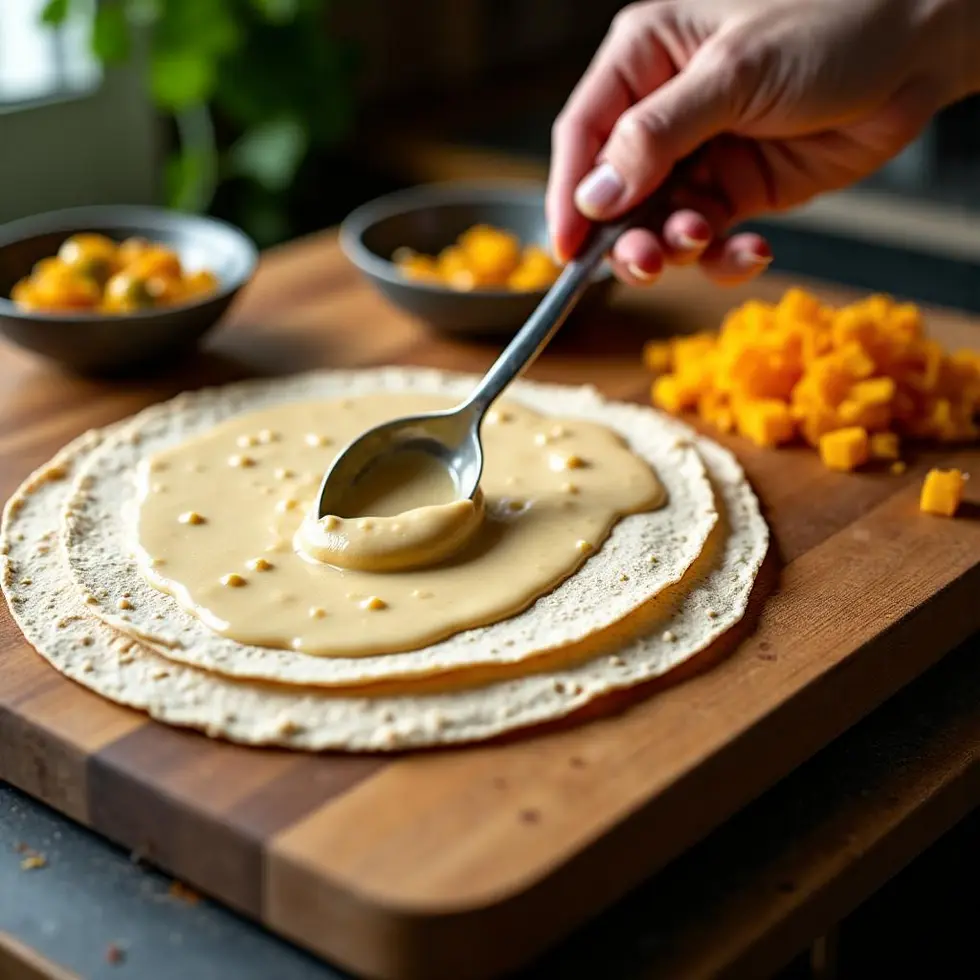
The creamy jalapeño sauce is the foundation of this copycat Taco Bell chicken quesadilla recipe, and it’s built on three ingredients that balance richness, acidity, and warmth. Mayonnaise creates the creamy base, pickled jalapeños add tangy heat, and cumin brings earthy depth. The sauce stays smooth and spreadable because the mayonnaise emulsion holds the jalapeño liquid without breaking.
Why Pickled Jalapeños Work Better Than Fresh
Pickled jalapeños deliver consistent heat and acidity without the variability of fresh peppers. Fresh jalapeños can range from mild to very hot depending on the crop, and they release moisture that can make the sauce watery. Pickled jalapeños are brined in vinegar, which stabilizes their heat level and adds tanginess that complements the mayonnaise. The brine also thins the sauce slightly, making it easier to spread evenly across the tortilla without tearing the surface.
Mince the jalapeños finely so every spoonful of sauce carries a bit of heat. Larger chunks create uneven flavor distribution, and some bites will taste bland while others feel too spicy. The smaller you chop them, the more consistent the sauce becomes. If you enjoy a bit of texture, leave a few small pieces visible, but most of the jalapeño should blend into the mayonnaise.
The Role of Cumin in Balancing the Sauce
Cumin adds warmth without competing with the jalapeño heat. It’s earthy, slightly smoky, and rounds out the tangy mayonnaise base. Without cumin, the sauce tastes flat and one-dimensional. One teaspoon is enough to create noticeable depth without overwhelming the other flavors. The cumin also ties the sauce to the Mexican cheese blend, which often includes cheddar and Monterey Jack, both of which carry a mild, buttery flavor that benefits from a bit of spice.
Whisk the mayonnaise, jalapeños, and cumin together in a small bowl until the sauce looks smooth and uniform. The whisking distributes the jalapeño pieces and cumin evenly, so you won’t get concentrated pockets of spice. The sauce should coat the back of a spoon without dripping off immediately. If it looks too thick, add a teaspoon of the pickled jalapeño brine to loosen it slightly.
This copycat jalapeño sauce also works as a dip for chips or drizzled over tacos, and it keeps in the refrigerator for up to five days in a sealed container. The sauce thickens slightly when chilled, but it softens back to spreadable consistency at room temperature in about ten minutes. That versatility makes it useful beyond quesadillas, similar to how Copycat Chipotle Corn Salsa can move from burrito bowls to taco toppings without changing the flavor balance.
How to Get the Cheese Melted Without Burning the Tortilla
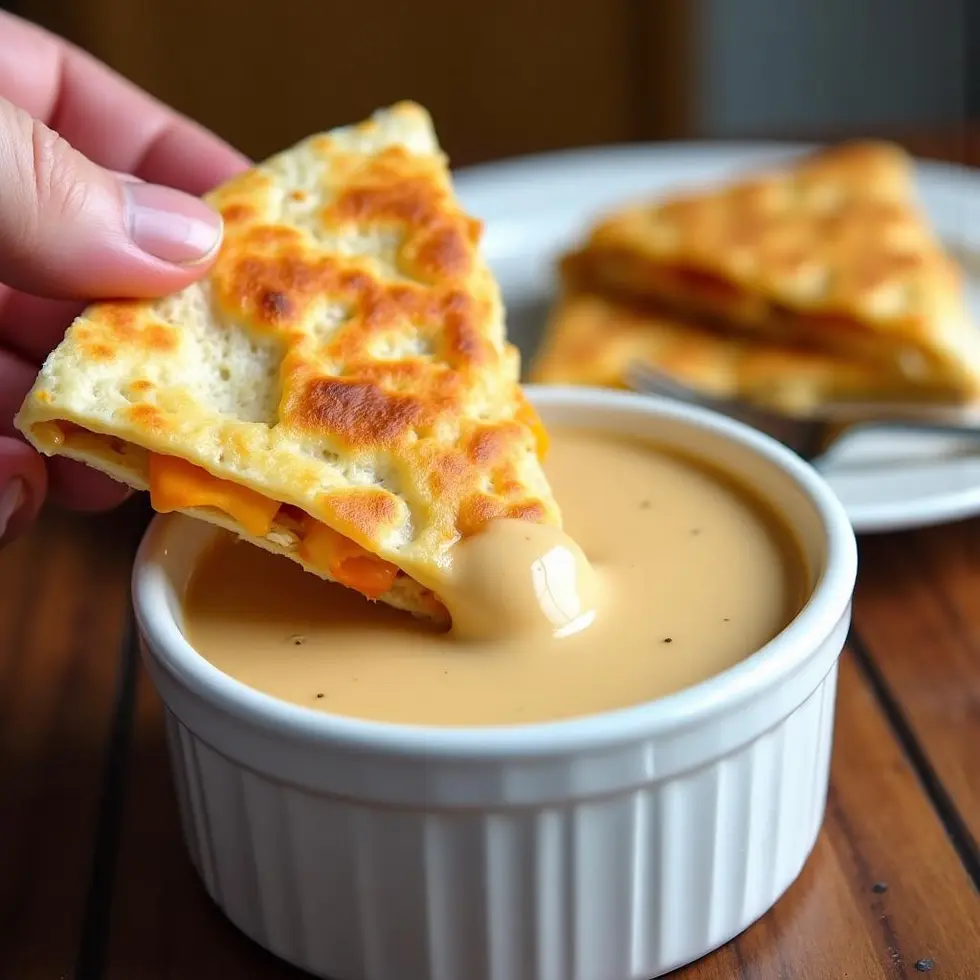
The key to evenly melted cheese and a golden tortilla is controlling the heat and the oil. Medium heat creates a steady environment where the cheese has time to soften while the tortilla crisps without scorching. One tablespoon of vegetable oil distributed across the skillet surface keeps the tortilla from sticking and promotes even browning. Too much oil makes the quesadilla greasy, and too little causes dry spots that burn before the cheese melts.
Why Medium Heat Matters More Than High Heat
High heat might seem faster, but it creates an uneven result. The tortilla burns before the cheese in the center reaches melting temperature, and you end up with a blackened shell and cold, firm cheese inside. Medium heat allows the warmth to move gradually through the layers, softening the cheese from the outside in. The tortilla develops a light golden color and a crisp texture that holds its shape when you cut it into wedges.
Heat the vegetable oil in a large skillet over medium heat until it shimmers but doesn’t smoke. The shimmer indicates the oil is hot enough to crisp the tortilla, but not so hot that it will scorch immediately. Place the assembled quesadilla in the skillet and cook for 3 to 4 minutes on the first side. You’ll see the edges of the tortilla turn golden, and the cheese will start to soften around the perimeter. Flip carefully using a wide spatula, then cook the second side for another 3 to 4 minutes until the cheese is fully melted and the tortilla is evenly browned.
How to Tell When the Cheese Has Melted Completely
The cheese is ready when you see it oozing slightly at the seam between the two tortillas, and the quesadilla feels flexible when you press it gently with the spatula. If the tortilla feels stiff and the cheese doesn’t shift when you press, it needs more time. According to Food Network, most cheese blends melt fully at around 150°F, which medium heat achieves in about 6 to 8 minutes total.
Avoid pressing down on the quesadilla while it cooks. Pressing squeezes out the sauce and cheese, making the filling sparse and the tortilla dry. Let the heat do the work, and only flip once. Multiple flips reduce the crispness and make the tortilla soggy because the steam trapped inside can’t escape.
Once both sides are golden and the cheese is melted, transfer the quesadilla to a cutting board and let it sit for about one minute before slicing. The brief rest allows the cheese to set slightly, so it doesn’t pour out when you cut into wedges. Use a sharp knife or a pizza cutter to divide the quesadilla into four equal pieces, and serve immediately while the tortilla is still crisp.
Common Mistakes That Make Quesadillas Soggy
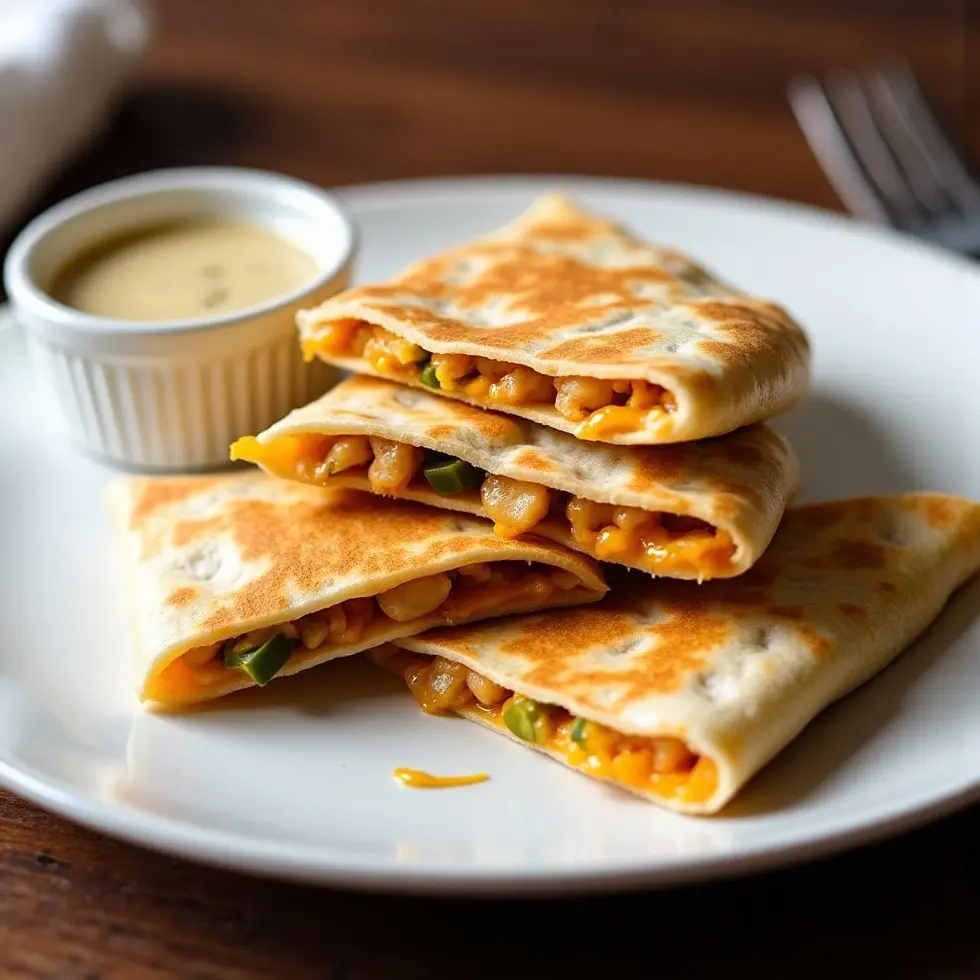
Soggy quesadillas happen when excess moisture from the filling seeps into the tortilla during assembly or while it sits after cooking. The most common culprit is using too much sauce or adding wet ingredients like tomatoes or salsa directly into the filling. The jalapeño sauce in this recipe is thick enough to spread without soaking through the tortilla, but using more than half the batch for the two quesadillas can create a slippery layer that prevents proper crisping.
Why Cooked Chicken Matters More Than Raw
This recipe calls for cooked, diced chicken, which is drier and firmer than raw chicken. Raw chicken releases moisture as it heats, and since quesadillas cook quickly, the chicken won’t have time to cook through before the tortilla burns. Cooked chicken stays compact and doesn’t add extra liquid to the filling. If you use leftover rotisserie chicken or grilled chicken breast, pat it dry with a paper towel before dicing to remove any surface moisture or marinade.
Shred or dice the chicken into small, uniform pieces so it distributes evenly across the tortilla. Large chunks create thick spots that prevent the top tortilla from lying flat, and those raised areas don’t make full contact with the skillet, so they stay pale and soft while the rest of the quesadilla browns. Pieces about half an inch wide work best because they cover the surface without piling up.
How Skipping the Oil Creates Dry Spots
Some recipes suggest using a dry skillet to reduce calories, but that approach creates uneven browning and sticking. The tortilla needs a thin layer of fat to crisp properly and develop flavor through the Maillard reaction, which happens when proteins and sugars brown in the presence of heat and fat. Without oil, the tortilla dries out instead of crisping, and it often sticks to the pan, tearing when you try to flip it.
One tablespoon of vegetable oil is enough for two quesadillas if you spread it evenly across the skillet surface. You can also use a paper towel to wipe the oil around the pan, creating a thin, uniform layer. If the skillet looks dry after the first quesadilla, add another teaspoon of oil before starting the second one. The oil should sizzle gently when the tortilla touches the pan, but it shouldn’t pool or smoke.
Pressing the assembled quesadilla down with a spatula while it cooks is another mistake that leads to soggy results. Pressing forces the melted cheese and sauce out from between the tortillas, and it compresses the layers, making them dense instead of light. The quesadilla should cook undisturbed except for the single flip halfway through. If you want extra weight to help the tortilla make full contact with the skillet, place a second smaller pan on top of the quesadilla instead of pressing with a spatula. The gentle, even pressure improves contact without squeezing out the filling.
Melted Cheese and Crisp Tortillas
The balance between melted cheese and a crisp tortilla depends on timing and heat control. Medium heat for 3 to 4 minutes per side creates a golden shell and a fully melted interior without burning or leaving cold spots. The jalapeño sauce adds tang and creaminess, the cooked chicken stays tender, and the cheese binds everything together without leaking out.
Serve the quesadilla wedges warm, with the remaining jalapeño sauce on the side for dipping. The sauce adds extra flavor to each bite, and it stays smooth and spreadable even after sitting at room temperature for a few minutes. Pair the quesadilla with a simple side like tortilla chips or a fresh salad to balance the richness of the cheese and sauce.
Frequently Asked Questions
Can I use a different type of cheese?
Yes, but the Mexican cheese blend melts more evenly than single-cheese options. The blend usually contains cheddar, Monterey Jack, and sometimes queso quesadilla, which all melt at similar temperatures. If you use only cheddar, the quesadilla may taste sharper and less creamy. Monterey Jack alone creates a milder, stretchier texture.
How do I store leftover quesadillas?
Wrap cooled quesadilla wedges individually in aluminum foil or plastic wrap, then refrigerate for up to two days. Reheat in a skillet over medium heat for about 2 minutes per side to restore the crisp texture. Microwaving makes the tortilla soft and chewy instead of crisp.
Can I make the jalapeño sauce ahead of time?
Yes, the sauce keeps in a sealed container in the refrigerator for up to five days. Whisk it briefly before using if it separates slightly during storage. The flavors deepen after a few hours, so making it a day ahead can improve the taste.
What if I don’t have pickled jalapeños?
Fresh jalapeños won’t create the same tangy flavor, but you can mince them finely and add a teaspoon of white vinegar to mimic the acidity of the brine. The heat level will vary more with fresh peppers, so start with half a jalapeño and taste the sauce before adding more.
Why does my quesadilla fall apart when I flip it?
The most common reason is flipping too early, before the cheese has started to melt and bind the layers together. Wait the full 3 to 4 minutes on the first side, and use a wide spatula that supports the entire quesadilla when you flip. Pressing gently on the top tortilla before flipping also helps the layers stick together.
Copycat Taco Bell Chicken Quesadilla
Ingredients
Method
- Whisk together mayonnaise, minced jalapeños, and cumin in a small bowl until smooth.
- Spread half the jalapeño sauce on two tortillas, then top each with half the chicken and half the cheese.
- Place the remaining tortillas on top and press gently to seal.
- Heat vegetable oil in a large skillet over medium heat until shimmering.
- Cook each quesadilla for 3 to 4 minutes per side until golden and the cheese is fully melted.
- Cut into wedges and serve with the remaining jalapeño sauce for dipping.
