
Six boneless thighs, a tablespoon of olive oil, and five pantry spices cost less than ten dollars and deliver three generous servings.
Buying rotisserie chicken or restaurant takeout pushes the price closer to fifteen or twenty dollars for the same amount of protein. Cooking skinless chicken thighs in air fryer yourself means spending half that amount while controlling the seasoning and avoiding the sodium load that comes with most prepared options. Active time sits at five minutes, and the machine handles the rest without babysitting.
The batch holds well for three days in the fridge, so you can make one round and stretch it across lunches, grain bowls, or wraps without cooking from scratch every time.
Why Chicken Thighs Stay Juicy in the Air Fryer
Higher Fat Content Protects Against Dryness
Chicken thighs carry more intramuscular fat than breasts, which means they forgive a minute or two of extra cooking without turning chewy. That built-in moisture cushion makes them a safer choice when you are learning air fryer timing or working with a model that runs slightly hotter than the dial suggests.
The fat also browns well under high heat, creating flavor compounds that lean savory rather than bland.
Rapid Air Circulation Drives Moisture to the Surface
Air fryers work by moving hot air at high speed around the food, which pulls moisture from the surface and evaporates it quickly. That process is what gives you the golden edges and slight crust without deep-frying. For thighs, the effect is balanced: the outside firms up while the interior stays tender because the shorter cooking time does not allow the center to dry out.
According to Seasonal Cravings, maintaining space between pieces is critical to preventing steam buildup that would soften the texture.
Light Oil Application Enhances Browning Without Adding Grease
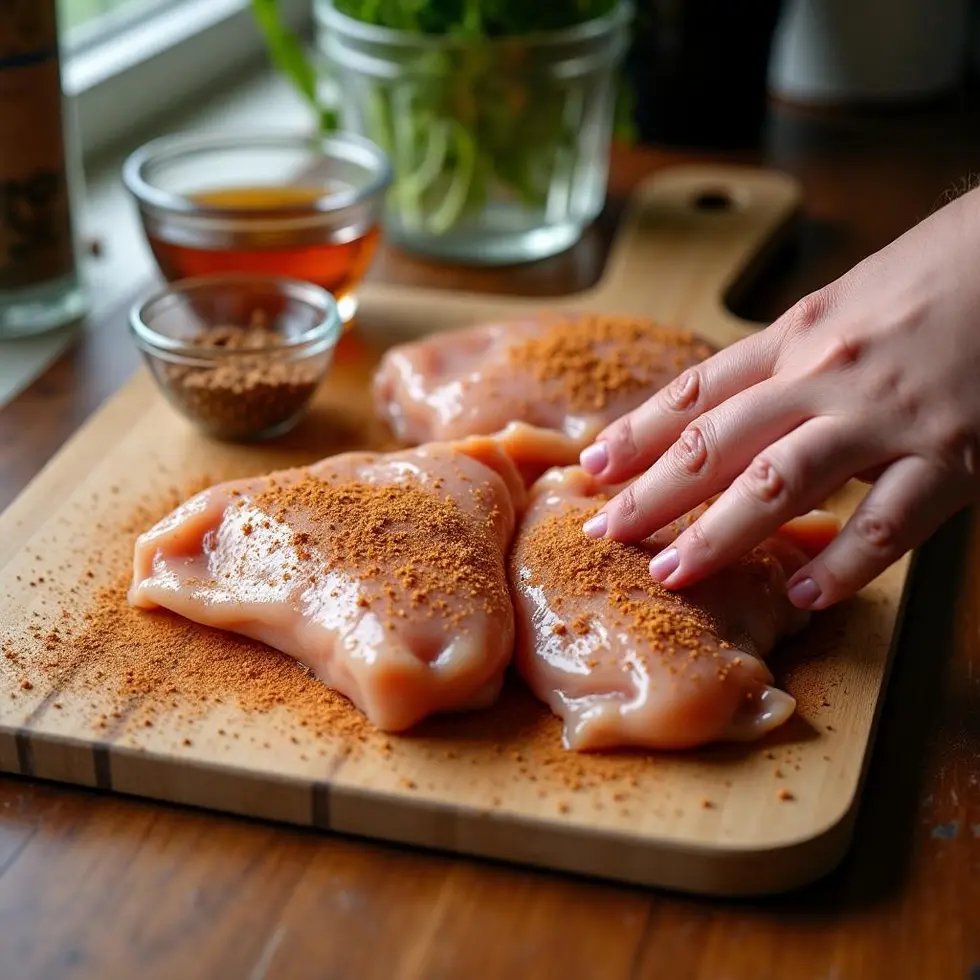
One tablespoon of olive oil rubbed across six thighs is enough to carry the spices and encourage Maillard browning at 400°F / 200°C. Unlike pan-searing, which demands enough oil to coat the bottom of the skillet, air frying uses just enough to activate the reaction. The difference saves you roughly 200 calories per batch compared to shallow-frying in a conventional pan.
Pat the thighs dry before applying the oil so the seasoning adheres and the surface moisture does not interfere with crisping. Doneness depends on internal temperature, not color alone, so knowing when to flip is half the job.
How to Cook Skinless Chicken Thighs
Preheat the Basket for Even Heat Distribution
Set the air fryer to 400°F / 200°C and run it empty for three minutes. Preheating ensures the thighs start cooking immediately when they hit the basket, which shortens total time and reduces the chance of uneven doneness. Some air fryer models heat faster than others, so if you skip this step, you may need an extra two to three minutes on the cook time.
If your model does not have a preheat function, simply run it at the target temperature for three minutes before adding food.
Season and Arrange Without Overlapping
Rub the thighs with one tablespoon of olive oil, then sprinkle garlic powder, smoked paprika, onion powder, black pepper, and salt evenly across all surfaces. Place them in a single layer in the basket with at least half an inch of space between each piece. Overlapping traps steam and prevents the edges from firming up, which is the main reason some air fryer chicken turns out pale and soft.
If you are cooking more than six thighs, work in batches rather than crowding the basket. The extra five minutes of effort delivers better texture than trying to stack everything at once.
Flip Halfway and Check Temperature at Sixteen Minutes
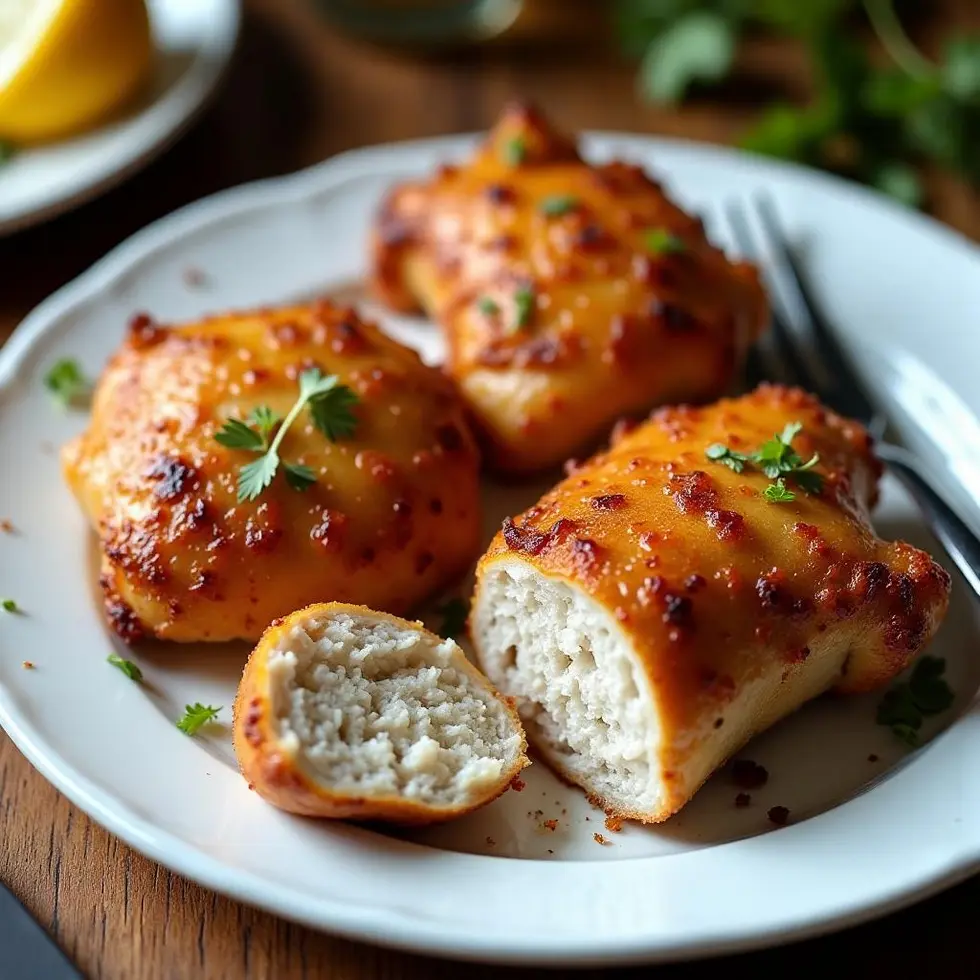
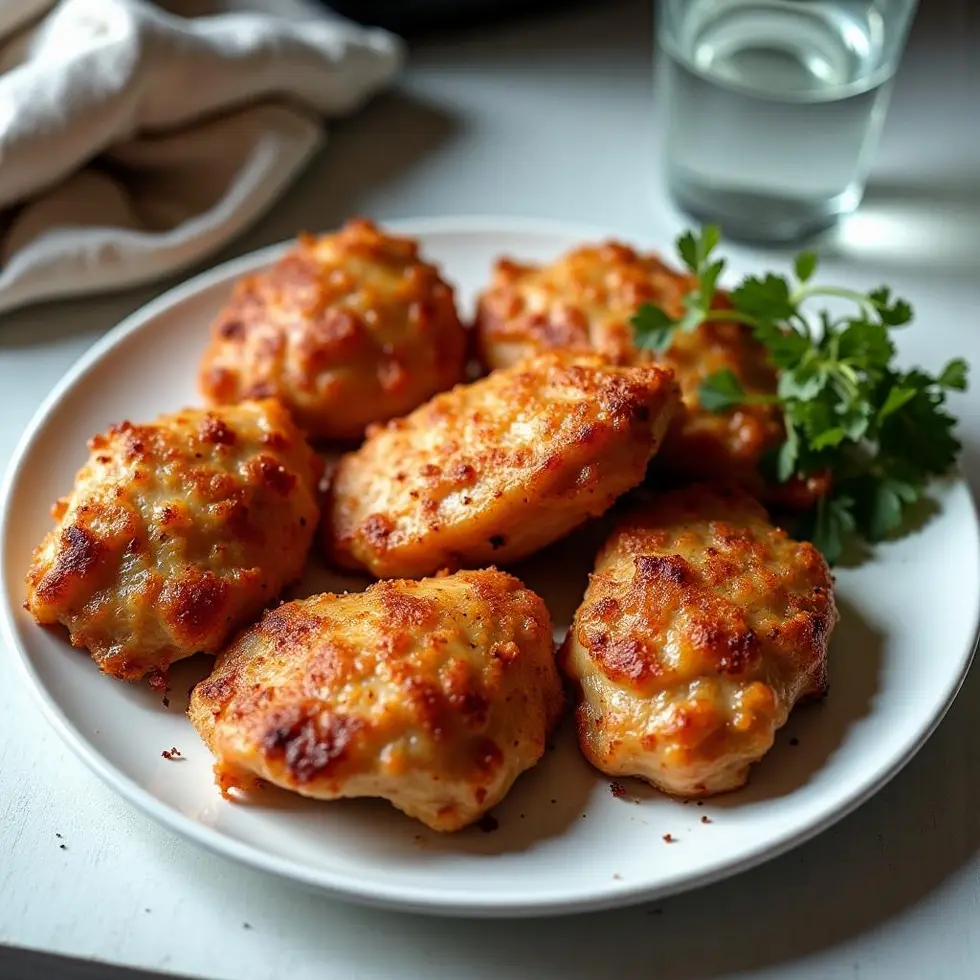
Cook for sixteen to eighteen minutes total, flipping the thighs at the halfway point so both sides develop color. Use a digital thermometer to check the thickest part of each thigh at sixteen minutes. The target is 165°F / 74°C. If the reading sits below that, add two more minutes and check again.
Visual cues help: golden brown edges and slightly firm texture when you press the surface with tongs. Rest the thighs for three minutes after removing them from the basket. This step lets the juices redistribute and prevents them from running out when you slice.
If you want to explore how this technique translates to other cuts, the air fryer chicken breast method uses similar timing but requires closer attention to avoid drying out the leaner meat. Resting time is not optional when you are working with boneless cuts that cook fast.
Flavor Ideas and Safe Cooking Tips
Swap Spices to Match What You Already Own
If you do not have smoked paprika, regular paprika works with a pinch of cumin to add depth. Garlic powder can be replaced with granulated garlic or onion powder in a one-to-one swap. The goal is to use what sits in your cabinet rather than buying a new jar for a single recipe.
Italian seasoning, za’atar, or curry powder all pair well with chicken thighs and cost the same per use as the spice blend listed here.
Why Internal Temperature Matters More Than Timer Settings
Air fryer wattage varies between brands, so a model rated at 1500 watts cooks faster than one at 1200 watts even when both are set to 400°F. That difference can mean the thighs reach 165°F in fifteen minutes or need the full eighteen. Relying on a timer alone risks undercooking or drying out the meat.
According to Time to Recipe, checking temperature at the thickest point removes guesswork and ensures food safety every time.
Store Cooked Thighs in Single Layers to Preserve Texture
Place cooled thighs in an airtight container with parchment paper between layers if you are stacking them. This setup prevents the pieces from sticking together and keeps the edges from softening in the fridge. Reheat in the air fryer at 350°F for four to five minutes to bring back the firmness without overcooking the interior.
Freezing works too: wrap each thigh individually in plastic wrap, then store in a freezer bag for up to two months. Thaw overnight in the fridge before reheating. If you plan to use the chicken in a quick chicken sandwich, slice the thighs while still slightly chilled so they hold their shape better.
Knowing how much space to leave between pieces and when to rely on temperature rather than color gives you control over the final result.
Space and Temperature First
The two factors that decide whether boneless chicken thighs air fryer batches turn out tender or tough are basket spacing and internal temperature verification. Crowding the basket traps steam and prevents browning, while pulling the chicken too early leaves you with undercooked centers. Set your air fryer to 400°F / 200°C, arrange the thighs with room to breathe, and check doneness at sixteen minutes with a thermometer.
This approach keeps cost per serving low and gives you a reusable method for other cuts. Make a batch on Sunday and stretch it across three meals without repeating the same plate twice.
Frequently Asked Questions
Can I cook frozen boneless chicken thighs in the air fryer?
Yes, but add five to seven minutes to the total cook time and check the internal temperature at twenty-two minutes. Frozen thighs release more moisture during cooking, so the exterior may not brown as evenly. For best results, thaw overnight in the fridge. Real Simple Good offers detailed guidance on timing adjustments for frozen poultry.
Do I need to flip the chicken thighs during cooking?
Flipping at the halfway point ensures both sides develop color and prevents one side from drying out while the other stays pale. Use tongs to turn each thigh gently without tearing the surface.
Why are my air fryer chicken thighs dry even when I follow the timing?
Overcooking past 165°F is the most common cause. Air fryer models vary in wattage, so a timer alone is not reliable. Always use a digital thermometer to check the thickest part of the thigh and pull the chicken as soon as it hits the target temperature.
Can I use bone-in chicken thighs instead of boneless?
Bone-in thighs need an extra eight to ten minutes and should reach the same internal temperature of 165°F. The bone slows heat transfer, so check doneness near the bone rather than at the edge.
How do I prevent the seasoning from falling off during cooking?
Pat the thighs completely dry before rubbing them with oil. The oil acts as a binder for the spices and helps them stick during the high-speed air circulation. Excess moisture causes the seasoning to slide off and pool in the basket.
Can I double the recipe if I have a larger air fryer?
Yes, as long as you maintain spacing between the pieces. A larger basket allows you to cook up to nine thighs in a single layer without overlapping. If you stack or crowd them, the texture will suffer and the cook time will increase unpredictably.
Air Fryer Chicken Thighs
Ingredients
Method
- Preheat the air fryer to 400°F / 200°C for 3 minutes.
- Pat the chicken thighs dry, then rub with olive oil and season evenly with garlic powder, smoked paprika, onion powder, black pepper, and salt.
- Arrange the chicken thighs in a single layer in the air fryer basket without overlapping.
- Air fry for 16 to 18 minutes, flipping halfway, until golden brown and the internal temperature reaches 165°F / 74°C at the thickest part.
- Rest for 3 minutes before serving to let the juices redistribute.
