
I mashed avocado with lime juice too early, then added cilantro and onion an hour before serving, and the dip turned brown around the edges.
The guacamole most people end up with at home looks gray, tastes flat, or sits in the fridge too long before anyone eats it. That happens because the lime juice gets added without the salt, the avocados are either rock-hard or mushy, or the cilantro and onion are chopped unevenly so every bite tastes different. The restaurant-style version avoids all of this by mashing the avocado with lime and salt immediately after cutting, which preserves the bright green color and locks in the creamy texture. The acid in the lime slows oxidation, and the salt pulls moisture from the avocado flesh, creating a smoother base that still holds visible chunks.
You taste brightness first, then the cilantro and the mild heat from jalapeño, then the sharp bite of red onion. The restaurant version works because every ingredient is added in the right proportion at the right moment, not tossed together in a food processor or left sitting in separate bowls. Texture matters as much as flavor: the dip should coat a tortilla chip without sliding off, and you should see flecks of green cilantro and red onion in every scoop.
The entire process takes ten minutes from start to finish, and this chipotle guacamole copycat recipe yields eight servings, enough for a burrito bowl dinner or a taco night with chips on the side. The homemade version stays bright green for about two hours at room temperature, and the flavor peaks within the first thirty minutes after mixing.
Why Chipotle Guacamole Tastes Fresh
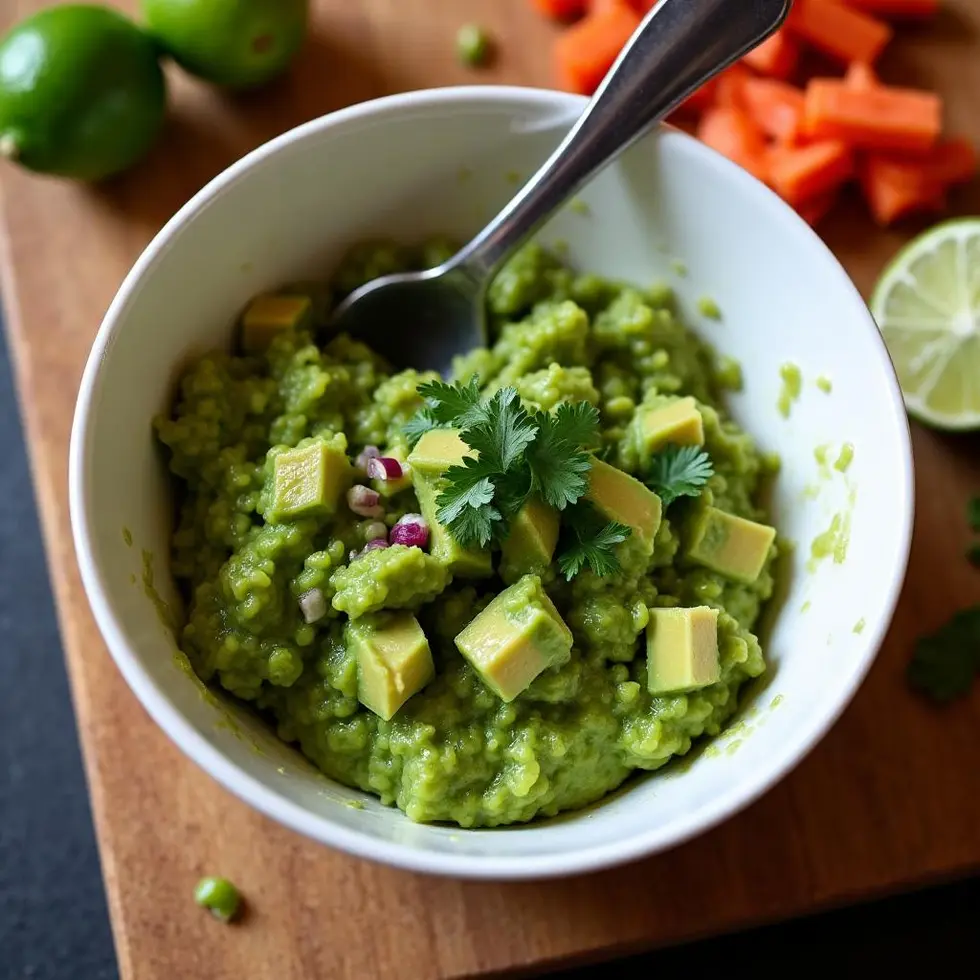
Lime Juice Added at the Right Moment
The lime juice hits the avocado flesh within seconds of scooping it from the skin, which stops enzymatic browning before it starts. Most home versions fail because the avocado sits exposed to air while you chop cilantro or dice onion, and oxidation begins immediately. Adding two tablespoons of fresh lime juice directly into the bowl with the avocado halves, then mashing immediately, creates an acidic environment that preserves the bright green color and adds a sharp citrus note that balances the richness of the fat.
The salt goes in at the same time, not after. Salt draws moisture from the avocado cells, which helps the mash reach a creamy consistency faster and distributes the seasoning evenly. If you add salt later, it sits on the surface and tastes uneven.
Visible Chunks Instead of Smooth Paste
The restaurant-style texture comes from mashing with a fork until mostly smooth, then leaving deliberate chunks of avocado throughout. A food processor or blender turns the dip into baby food, and hand-blending with a whisk creates an aerated texture that feels light but tastes weak. The fork method gives you control: press down on the avocado pieces until you see creamy streaks, then stop before everything turns into paste.
You want chunks between the size of a lentil and a pea. Those pieces carry concentrated avocado flavor and create contrast against the smoother base. Folding in the cilantro, red onion, and jalapeño after mashing ensures they stay visible and distribute evenly without breaking down.
How to Make Copycat Guacamole
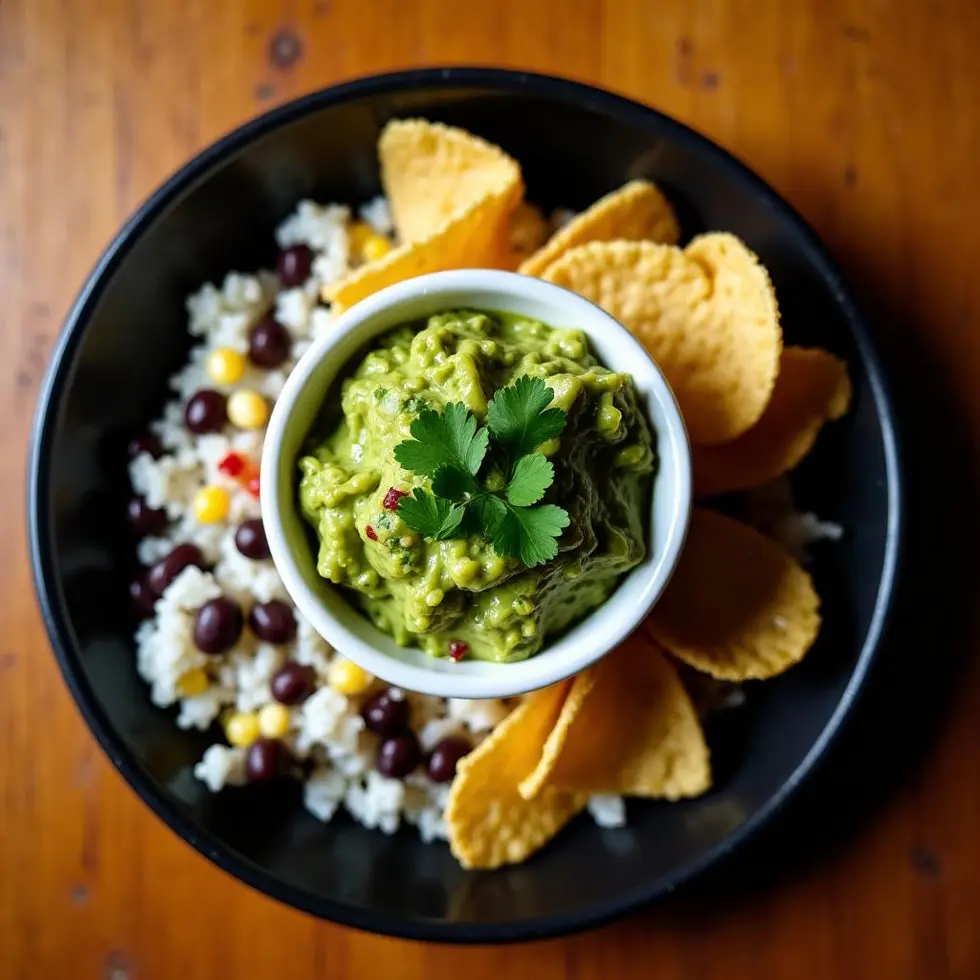
Choosing and Preparing Avocados
Ripe avocados yield slightly when you press the skin with your thumb, but they should not feel mushy or have dark sunken spots. Hard avocados will not mash smoothly, and overripe ones taste bitter and develop stringy fibers. Cut each avocado in half lengthwise, twist the halves apart, and remove the pit by tapping the blade of a knife into it, then twisting gently.
Scoop the flesh into a medium bowl using a spoon, keeping the pieces as intact as possible. Do not cut the avocado into cubes inside the skin, because you want larger chunks to mash, not pre-diced pieces that turn into mush.
Add the lime juice and salt immediately, then mash with a fork until you see a mix of creamy base and visible chunks. This takes about thirty seconds of steady pressing, not vigorous stirring. If the mixture looks too smooth, you have gone too far; if it looks entirely chunky, keep mashing for another ten seconds.
Folding in Aromatics and Heat
Dice the red onion into pieces no larger than a grain of rice. Larger pieces taste too sharp and dominate the bite. Mince the jalapeño after removing the seeds and white ribs, which hold most of the heat. If you want more spice, leave half the seeds in; if you want mild heat, remove all of them.
Chop the cilantro leaves and thin stems together, discarding only the thick lower stems. Chopping too finely releases moisture and makes the dip watery, so aim for pieces about the size of a fingernail. Fold the cilantro, onion, and jalapeño into the mashed avocado using a spoon or spatula, not a whisk. Folding preserves the texture and keeps the aromatics visible.
Taste the dip and adjust the salt or lime juice in small increments. Adding a quarter teaspoon of salt at a time prevents over-seasoning, and adding lime juice by the teaspoon keeps the flavor bright without turning acidic. The Girl on Bloor demonstrates how balancing these elements creates the restaurant-style burrito bowl experience at home. If you are assembling a full bowl, layer this guacamole over seasoned rice and beans, similar to the approach used in a chipotle chicken salad bowl, where smoky proteins and fresh toppings work together.
The dip is ready when you can taste cilantro, lime, onion, and jalapeño in every spoonful, without any single ingredient overwhelming the others.
Storage and Bowl Ideas
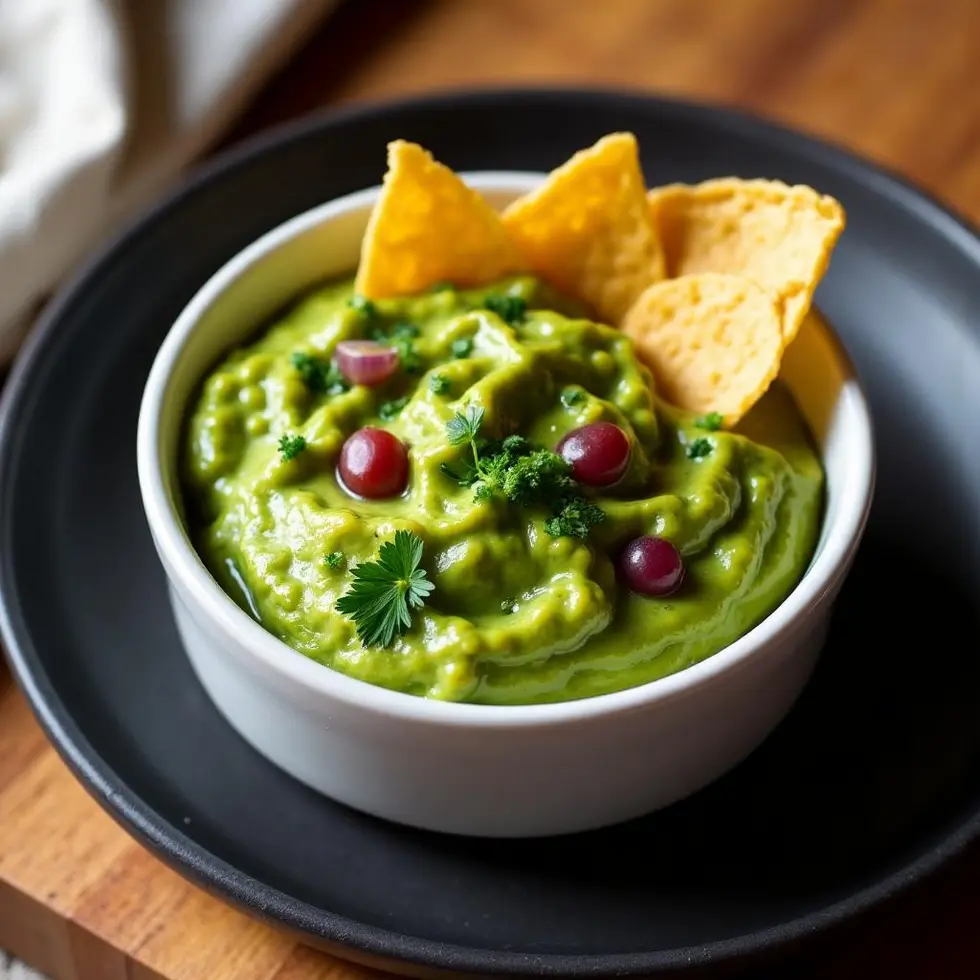
How to Store Guacamole Without Browning
Press plastic wrap directly onto the surface of the guacamole, eliminating air pockets, then refrigerate. The wrap creates a barrier that slows oxidation, keeping the dip green for up to twenty-four hours. Do not store in a container with a lid and an air gap, because the exposed surface will turn brown within two hours.
If you plan to serve the dip later, reserve a tablespoon of lime juice and drizzle it over the surface before wrapping. The extra acid layer provides additional protection. Stir the dip before serving to reincorporate any separated liquid.
The texture holds best when the guacamole is eaten within four hours of mixing. After that, the onion releases moisture and the cilantro wilts slightly, which changes the bite.
Serving Guacamole with Bowls and Tacos
Serve the guacamole as a burrito bowl topping alongside black beans, cilantro-lime rice, and grilled protein. The creamy texture balances the dry rice and adds richness to lean proteins like chicken or shrimp. Spoon it over tacos filled with carne asada or roasted vegetables, or use it as an avocado dip with thick-cut tortilla chips.
For a complete meal, pair this guacamole with a chipotle steak bowl where charred steak and smoky spices meet fresh toppings. If you enjoy tangy sauces, try layering it with a creamy jalapeño sauce for a double dose of heat and acidity.
Double the recipe for a party by using six avocados and scaling the other ingredients proportionally. The dip holds its texture in a serving bowl for about two hours at room temperature, so mix it close to serving time rather than hours in advance.
Watch for Mushy Avocados
The single failure that ruins most batches comes from using overripe avocados that mash into paste instead of holding chunks. Press the avocado gently before cutting: it should yield like the flesh of your palm, not your fingertip. If it feels soft enough to dent with light pressure, the inside will be brown-streaked and stringy, and no amount of lime juice will fix the flavor.
Perfectly ripe avocados bought the day before you plan to make the dip give you the most control. If you buy them hard, leave them on the counter for two to three days, checking daily. Once they reach the right softness, refrigerate them to pause ripening until you are ready to use them.
Frequently Asked Questions
Can I use bottled lime juice instead of fresh?
Fresh lime juice tastes brighter and has a sharper acidity that balances the richness of avocado better than bottled juice. Bottled lime juice often contains preservatives that add a metallic aftertaste. If you must use bottled, add an extra teaspoon to compensate for the weaker flavor.
How do I keep guacamole from turning brown?
Press plastic wrap directly onto the surface, eliminating all air pockets, then refrigerate. The lime juice in the recipe slows oxidation, but the wrap prevents oxygen from reaching the dip. Any exposed surface will oxidize within two hours.
Can I make this guacamole ahead of time?
You can prepare the chopped cilantro, onion, and jalapeño up to four hours ahead and refrigerate them separately. Mash the avocado and mix everything together within thirty minutes of serving for the best texture and color. The dip loses brightness and releases moisture if mixed too far in advance.
Why is my guacamole watery?
Watery guacamole comes from overripe avocados, too much lime juice, or chopping the cilantro too finely. Use avocados that yield slightly but do not feel mushy, measure the lime juice instead of pouring freely, and chop cilantro into visible pieces rather than mincing it into paste.
Can I freeze leftover guacamole?
Guacamole does not freeze well because the texture breaks down and separates when thawed. The avocado becomes watery and grainy, and the cilantro and onion lose their fresh bite. Make only as much as you plan to eat within twenty-four hours.
Chipotle Guacamole
Ingredients
Method
- Halve the avocados, remove the pits, and scoop the flesh into a medium bowl.
- Add the lime juice and salt, then mash with a fork until mostly smooth with some chunks remaining.
- Fold in the cilantro, red onion, and jalapeño until evenly distributed.
- Taste and adjust salt or lime juice if needed.
- Serve immediately with tortilla chips, burrito bowls, or tacos.
