
A jar of pickled jalapenos and its brine turned my basic mayo-and-sour-cream blend into a tangy sauce that tasted sharper and brighter than any version I’d made before. Making copycat Taco Bell creamy jalapeno sauce at home costs around $2.80 for ten servings, which breaks down to about 28 cents per portion. A small packet at the drive-through costs roughly 50 cents when purchased separately, and you never get quite enough for a full quesadilla. The homemade batch gives you control over heat level, texture consistency, and ingredient quality while stretching a single jar of pickled jalapenos across multiple uses.
This version relies on the same tangy foundation most restaurant-style sauces use: mayo for richness, sour cream for a lighter texture, and pickled jalapeno brine to deliver sharpness without adding more solids. The brine carries acid and salt in liquid form, which blends more smoothly than vinegar alone and distributes heat evenly throughout the sauce.
The entire process takes five minutes of active work plus thirty minutes in the refrigerator. One batch stores in an airtight container for up to seven days, which means you can prep it once and use it throughout the week on tacos, quesadillas, burrito bowls, or grilled vegetables. The flavor improves after the first day as the garlic powder and cumin fully hydrate and the jalapeno brine mellows slightly.
Why This Sauce Tastes Like Taco Bell
The Pickled Jalapeno Advantage
Most homemade versions call for fresh jalapenos, which deliver raw heat but lack the vinegary tang that defines the restaurant-style flavor. Pickled jalapenos already carry acidity, salt, and a slightly mellowed heat that blends into the sauce base without requiring extra vinegar or lemon juice. The pickling liquid itself acts as a seasoning shortcut, bringing sharpness and a hint of sweetness from the brine ingredients.
Chopping the pickled jalapenos finely ensures you get flecks of green in every spoonful rather than large chunks that concentrate the heat unevenly. A rough chop leaves some pieces too big, which can make the sauce feel chunky instead of creamy. Mincing them to about an eighth of an inch distributes the flavor and gives the sauce a smoother, more restaurant-like consistency.
The Mayo-to-Sour-Cream Ratio
Using twice as much mayonnaise as sour cream creates a richer, thicker base that clings to food instead of running off. Mayonnaise contains more fat, which carries flavor and gives the sauce body. Sour cream adds tang and lightens the texture just enough to keep the sauce from feeling heavy or greasy.
If you reverse the ratio and use more sour cream, the sauce becomes thinner and more tangy, closer to a drizzle than a dipping sauce. The half-cup of mayo to quarter-cup of sour cream balance produces a texture that holds its shape on a spoon but still spreads easily across a quesadilla or taco shell.
The Spice Blend That Makes It Work
Garlic powder, cumin, and cayenne pepper provide the warm, earthy background flavor that separates this sauce from plain jalapeno mayo. Garlic powder hydrates in the liquid base and distributes evenly, while cumin adds a toasted, slightly smoky note that complements the pickled jalapeno brine. Cayenne pepper boosts the heat without adding more jalapeno solids, which keeps the texture smooth.
The quarter teaspoon of salt might seem small, but the pickled jalapenos and their brine already contribute significant sodium. Adding too much salt up front can push the sauce into overly salty territory, especially after the flavors concentrate during the thirty-minute refrigeration period. You can always stir in more salt before serving if needed, but you cannot remove it once it’s mixed in.
How to Make Creamy Jalapeno Sauce

Whisking for a Smooth Texture
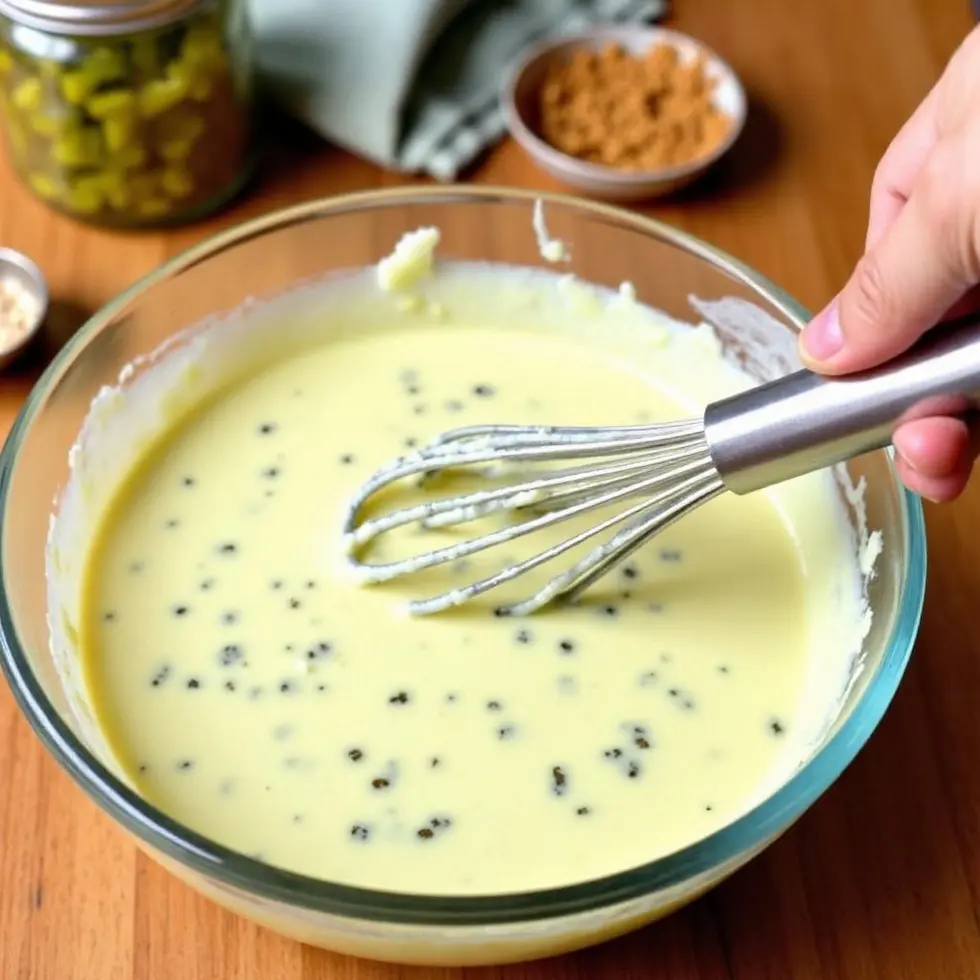
Combine the mayonnaise, sour cream, chopped pickled jalapenos, jalapeno brine, garlic powder, cumin, cayenne pepper, and salt in a medium bowl. Whisk steadily for about one minute until the mixture turns pale green and you no longer see streaks of white mayo or sour cream. The garlic powder and cumin need time to break down and distribute, so whisking longer than you think necessary ensures a smoother final texture.
If you see lumps of garlic powder or cumin floating on the surface, the spices have not fully hydrated yet. Keep whisking until the sauce looks uniform and slightly thickened. The emulsified fat from the mayonnaise will hold everything together, but only if you whisk thoroughly enough to incorporate air and create a stable blend.
The Refrigeration Step
Cover the bowl tightly with plastic wrap or transfer the sauce to an airtight container and refrigerate for at least thirty minutes. This chilling period allows the garlic powder and cumin to fully hydrate, which mellows their raw, powdery edge and blends their flavors into the creamy base. The sauce will also thicken slightly as it cools, making it easier to drizzle without running off food too quickly.
Skipping this step leaves you with a thinner, less flavorful sauce that tastes more like plain mayo with jalapeno chunks than a cohesive restaurant-style blend. The cold temperature also slows down any separation between the mayo and sour cream, which can happen if the sauce sits at room temperature for too long.
Adjusting Before Serving
Stir the sauce once before serving to redistribute any liquid that may have settled at the bottom. Taste it and add more salt if the flavor feels flat, or stir in another quarter teaspoon of cayenne pepper if you want more heat. The pickled jalapenos vary in spiciness depending on the brand, so some batches may need a small boost to reach the heat level you prefer.
If the sauce feels too thick after refrigeration, whisk in half a tablespoon of jalapeno brine at a time until it reaches the consistency you want. Adding more brine also sharpens the tangy edge, which works well if you plan to use the sauce as a drizzle over rice bowls or grilled vegetables. The sauce holds up better on warm food when you use it immediately after refrigeration, so avoid letting it sit at room temperature for more than an hour.
Ways to Use It in Meals
Quesadillas and Tacos
Drizzle the sauce over cheese quesadillas while they’re still warm so it softens slightly and soaks into the tortilla. The creamy texture contrasts with the crispy edges of the quesadilla and balances the richness of melted cheese. For tacos, spoon about a tablespoon onto each shell after adding your protein and toppings, which keeps the sauce from making the tortilla soggy.
If you’re making a Chipotle chicken salad bowl recipe, a drizzle of this creamy jalapeno sauce adds tangy heat that complements the smoky chicken and fresh vegetables without overpowering the other flavors. The sauce works as a lighter alternative to sour cream or guacamole when you want sharpness instead of richness.
Burrito Bowls and Rice Dishes
Spoon two tablespoons over a burrito bowl to add moisture and heat without the heaviness of cheese-based sauces. The tangy flavor cuts through seasoned rice and beans, which can sometimes taste flat on their own. The sauce also works well on grilled chicken, roasted vegetables, or black bean bowls when you need a quick flavor boost that doesn’t require heating or extra prep.
For rice dishes, stir a tablespoon of the sauce into warm cilantro-lime rice just before serving. The heat from the rice will thin the sauce slightly, making it easier to distribute evenly. This method adds flavor without turning the rice into a heavy, mayo-coated side dish.
Dipping and Storage
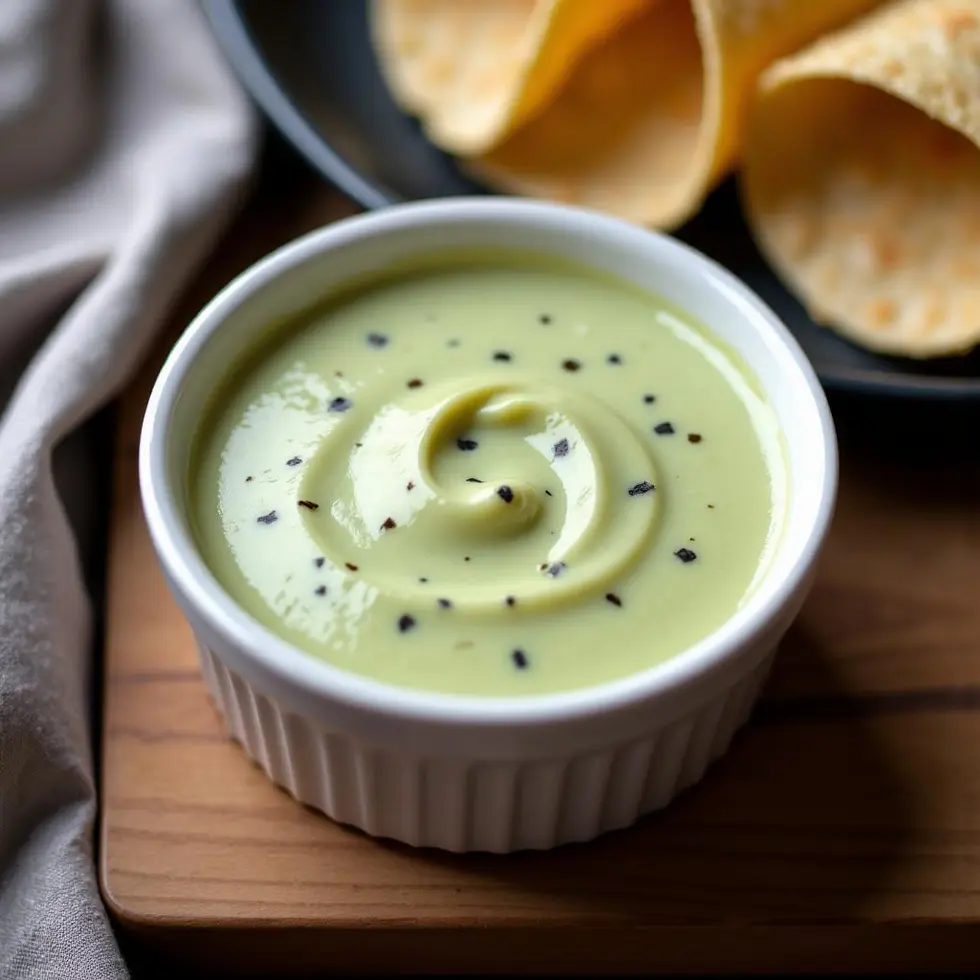
Serve the sauce in a small ramekin alongside tortilla chips, vegetable sticks, or crispy taquitos. The thick texture clings to chips better than thinner dips, and the pickled jalapeno flavor pairs well with salty, fried foods. You can also use it as a spread on wraps or sandwiches when you want a tangy kick without reaching for mustard or hot sauce.
Store the sauce in an airtight container in the refrigerator for up to seven days. The flavor will continue to develop over the first two days as the spices fully hydrate and the brine mellows. If you notice any liquid separation after a few days, stir the sauce thoroughly before using. The batch size makes enough for about ten servings, which means you can prep it once and use it throughout the week without waste.
Getting the Most from One Batch
A single jar of pickled jalapenos costs around $2.50 and yields enough chopped peppers for three batches of sauce, which means your per-batch ingredient cost drops even further if you make the sauce regularly. The brine stays good in the jar for weeks after you’ve used the peppers, so you can make multiple batches without buying a new jar each time.
If you want to stretch the sauce further without diluting the flavor, whisk in an extra tablespoon of sour cream and half a tablespoon of jalapeno brine. This increases the yield to about twelve servings while keeping the tangy heat intact. The sauce freezes poorly because mayonnaise separates when thawed, so plan to make smaller batches if you won’t use it within a week rather than trying to freeze leftovers.
Frequently Asked Questions
Can I use fresh jalapenos instead of pickled?
Fresh jalapenos will give you a different flavor because they lack the tangy, vinegary edge that pickled jalapenos provide. If you use fresh, you’ll need to add one tablespoon of white vinegar and a pinch of sugar to mimic the brine’s sharpness. The heat level will also be more unpredictable, so taste as you go.
How do I make the sauce thicker?
Add an extra tablespoon of mayonnaise and whisk thoroughly. The sauce will also thicken naturally after refrigeration as the mayo and sour cream firm up in the cold. If it’s still too thin after chilling, whisk in another tablespoon of mayo and refrigerate for another fifteen minutes.
Can I reduce the heat level?
Remove the seeds from the pickled jalapenos before chopping them, which cuts the heat by about half. You can also skip the cayenne pepper entirely and use only the pickled jalapenos for a milder version. The sauce will still taste tangy and flavorful without the extra heat boost.
Why does my sauce taste flat after refrigeration?
The cold temperature can dull the perception of salt and spice, so taste the sauce again after it comes out of the refrigerator and adjust the seasoning. Add a pinch of salt or another quarter teaspoon of cumin, then whisk and let it sit for five minutes before serving to allow the flavors to bloom.
Can I double the batch?
Yes, the recipe doubles easily. Use a larger bowl to give yourself enough room to whisk without splashing, and increase the refrigeration time to forty-five minutes to allow the larger volume to chill evenly. A double batch will stay fresh for the same seven-day period as a single batch.
Copycat Creamy Jalapeno Sauce
Ingredients
Method
- Combine mayonnaise, sour cream, chopped jalapenos, jalapeno brine, garlic powder, cumin, cayenne pepper, and salt in a medium bowl.
- Whisk until smooth and creamy with no lumps remaining.
- Cover and refrigerate for 30 minutes to let the flavors blend.
- Stir once before serving and adjust seasoning if needed.
- Drizzle over quesadillas, tacos, burritos, or use as a dipping sauce.
