
Comparing a grocery-store hamburger bun with fresh brioche is like tasting two completely different meals.
Bakery-style brioche buns bring a soft, buttery crumb and a golden crust that absorbs sauce without falling apart. The Guardian’s tasting panel found that even the best supermarket versions lack the tender structure and rich flavor you control when you bake at home. This brioche burger bun recipe uses whole milk, eggs, and butter to create that pillowy texture, plus an egg wash for shine and sesame seeds for the finish.
The enriched dough relies on butter and eggs to build structure while staying tender. Most lean doughs turn tough when overbaked, but the fat content in brioche keeps the interior soft even after toasting. That balance makes these buns strong enough to hold a thick patty and all the toppings without tearing or turning soggy halfway through the meal.
Why Brioche Buns Make Better Burgers
The Role of Butter and Eggs
Butter coats the flour proteins and slows gluten formation, which gives brioche its soft, almost cake-like crumb. Eggs add moisture and richness, plus lecithin that helps the dough hold together without turning dense. That combination creates a bun that stays tender even after grilling or toasting.
Most lean burger buns dry out quickly because they lack fat. Brioche holds moisture longer, which means the bun absorbs burger juices and condiments without disintegrating.
How Enriched Dough Handles Toppings
A standard white bun tears under the weight of thick sliced tomatoes, lettuce, and sauce. Brioche has enough structure to support heavy toppings while maintaining a light bite. The crumb stays cohesive because the fat lubricates the gluten network instead of creating long, stretchy strands.
Toast the cut sides lightly before assembly. The caramelized surface adds a subtle crunch and forms a barrier that slows sauce absorption, keeping the bottom bun intact through the last bite.
Why the Golden Crust Matters
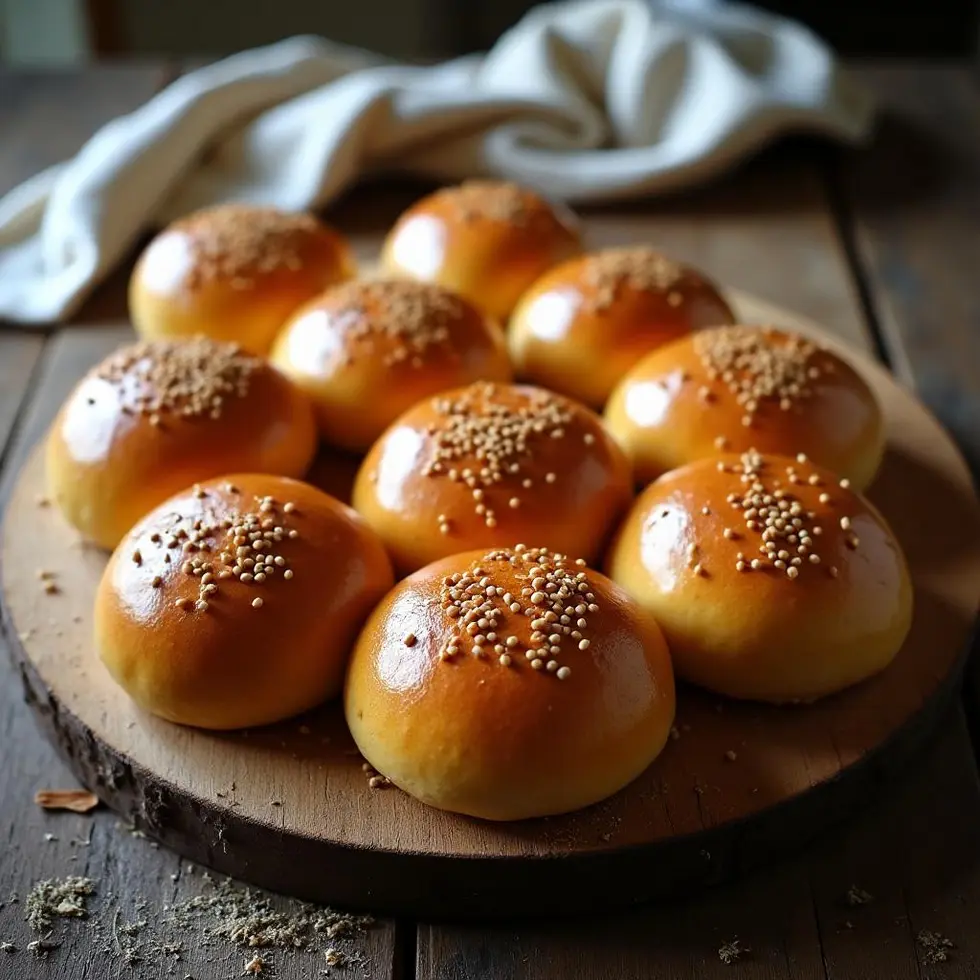
The egg wash creates a thin, glossy layer that browns evenly in the oven. That crust adds a slight chew without turning tough, and it holds sesame seeds in place. The contrast between the crisp exterior and the soft interior makes every bite texturally interesting.
Without the egg wash, the bun stays pale and dull. Brushing the shaped dough with egg yolk mixed with a tablespoon of water just before baking delivers the shine and color associated with bakery-style burger buns.
If you are planning a cookout and want a patty that matches the richness of these buns, this BBQ hamburger recipe uses smoked paprika and garlic powder to build bold flavor without overpowering the buttery dough.
How to Make Soft Brioche Burger Buns
Mixing and Kneading the Dough
Warm the milk to 110°F / 43°C before adding the yeast. Too hot kills the yeast; too cool slows fermentation. Combine the flour, sugar, yeast, warm milk, two whole eggs plus one egg white, softened butter, and salt in a stand mixer fitted with a dough hook.
Knead on medium speed for 8 to 10 minutes. The dough should pull away from the bowl and feel smooth but slightly tacky. Overkneading develops too much gluten and turns the crumb chewy instead of tender.
Cover the bowl and let the dough rise in a warm spot for 60 to 90 minutes until doubled. The butter slows yeast activity, so brioche takes longer to rise than lean doughs.
Shaping and Second Rise
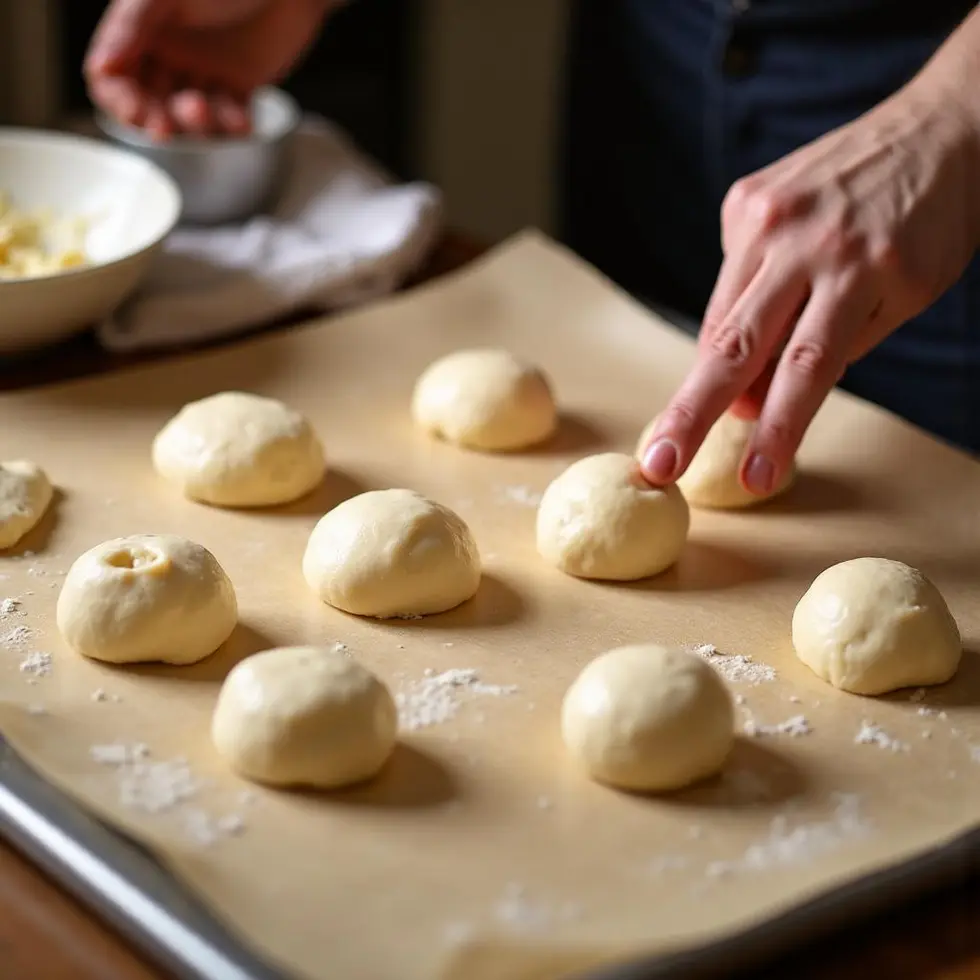
Divide the dough into eight equal pieces. Weigh them if you want uniform buns. Cup your hand over each piece and roll it in a circular motion against the counter until the surface is smooth and taut.
Place the shaped balls on a parchment-lined baking sheet, spacing them three inches apart. Cover loosely and let rise for 30 minutes until puffy. The second rise builds volume and ensures the buns expand evenly in the oven.
Preheat the oven to 375°F / 190°C while the dough rises. Brush each bun with the reserved egg yolk mixed with one tablespoon of water, then sprinkle sesame seeds on top.
Baking and Cooling
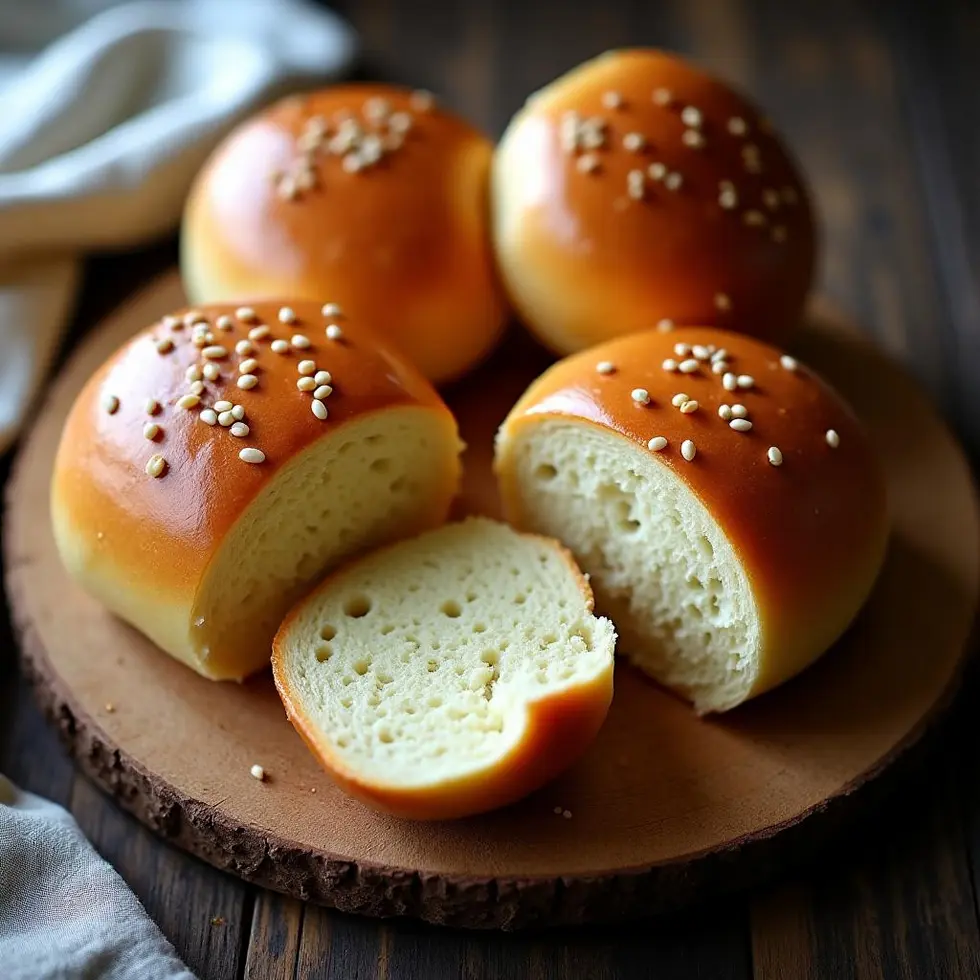
Bake for 16 to 18 minutes until the buns turn deep golden brown. Check the internal temperature with an instant-read thermometer; it should reach 190°F / 88°C. Underbaking leaves the center doughy; overbaking dries out the crumb.
Cool the buns on a wire rack for 10 minutes before slicing. Cutting them while still hot releases steam and makes the interior gummy. Once cooled, slice each bun horizontally and toast the cut sides lightly before building your burger.
Storage, Freezing and Burger Pairings
How to Store Baked Buns
Store cooled buns in an airtight container or resealable bag at room temperature for up to three days. The butter keeps them soft longer than lean buns, but humidity causes mold, so avoid plastic wrap that traps moisture against the surface.
For longer storage, freeze the buns individually in plastic wrap, then place them in a freezer bag. They keep for up to three months. Thaw at room temperature for an hour, or toast them directly from frozen for a quick refresh.
Toasting for Assembly
Slice each bun horizontally and toast the cut sides in a dry skillet over medium heat for one to two minutes. The edges should turn golden and slightly crisp without drying out the crumb. Toasting adds texture and creates a moisture barrier that prevents the bottom bun from turning soggy.
Brush the toasted surfaces lightly with melted butter if you want extra richness. Avoid over-toasting; the goal is a light crust, not a hard shell.
Pairing with Burgers and Toppings
Brioche buns work with thick beef patties, ground chicken, or turkey burgers. The soft crumb balances bold toppings like pickled jalapeños, caramelized onions, or thick slices of cheddar. Spread mayonnaise or mustard on the bottom bun first, then add lettuce to create a barrier between the sauce and the patty juices.
For sliders, divide the dough into twelve smaller pieces instead of eight. Bake for 12 to 14 minutes and check the internal temperature at 190°F / 88°C. The smaller size makes them ideal for parties or appetizers, and the buttery flavor pairs well with both simple and loaded burgers.
Why the Egg Wash Decides the Finish
The egg wash is not optional. Brushing the shaped dough with egg yolk mixed with water just before baking creates the glossy, golden crust that defines bakery-style brioche burger buns. Without it, the buns bake pale and matte, losing the visual appeal and the slight chew that contrasts with the tender crumb.
Use only the yolk, not the whole egg. The yolk contains more fat and produces a richer color. Whisk it with one tablespoon of water until smooth, then brush a thin, even layer over each bun. Too much egg wash pools in the creases and burns; too little leaves uneven browning.
Sprinkle sesame seeds immediately after brushing. The wet surface holds them in place during baking. If you wait too long, the egg wash dries and the seeds fall off after cooling. This simple step transforms homemade buns into something that looks and tastes like it came from a professional bakery.
Frequently Asked Questions
Can I make this dough by hand without a stand mixer?
You can mix and knead the dough by hand, but it takes longer. Combine the ingredients in a large bowl, then turn the dough onto a lightly floured surface and knead for 12 to 15 minutes until smooth and elastic. The dough will feel sticky at first because of the butter and eggs, but it firms up as you work it. Use a bench scraper to help fold and turn the dough if it sticks to the counter.
Why did my buns turn dense instead of soft?
Dense buns usually result from too much flour or insufficient rising time. Measure the flour by weight if possible; scooping directly from the bag packs too much into the cup. Make sure the dough doubles in size during the first rise and looks visibly puffy after the second rise. Cold room temperatures slow yeast activity, so place the covered bowl in a warm spot like an oven with the light on.
Can I use instant yeast instead of active dry yeast?
This recipe calls for active dry yeast, which needs to be mixed with warm milk to activate. Instant yeast works as a substitute, but it does not require blooming. Add the same amount directly to the flour mixture. Instant yeast ferments slightly faster, so check the dough after 50 minutes during the first rise instead of waiting the full 60.
How do I prevent the sesame seeds from falling off?
Brush the egg wash on the shaped dough right before baking, then sprinkle the sesame seeds immediately while the surface is still wet. The egg wash acts as glue, holding the seeds in place as the buns bake. If you brush the dough and wait too long, the wash dries and loses its adhesive quality. Press the seeds gently into the surface with your fingertips for extra security.
Can I make smaller buns for sliders?
Divide the dough into twelve pieces instead of eight for slider-sized buns. Shape each piece into a smooth ball and follow the same rising and baking steps, but reduce the baking time to 12 to 14 minutes. Check the internal temperature with an instant-read thermometer; it should still reach 190°F / 88°C. The smaller buns cool faster, so let them rest on the rack for only 5 to 7 minutes before slicing.
Brioche Burger Buns
Ingredients
Method
- Combine flour, sugar, yeast, warm milk, 2 whole eggs plus 1 egg white, softened butter, and salt in a stand mixer with dough hook and knead on medium speed for 8 to 10 minutes until smooth and elastic.
- Cover the dough and let rise in a warm place for 60 to 90 minutes until doubled in size.
- Divide the dough into 8 equal pieces, shape each into a smooth ball, place on a parchment-lined baking sheet spaced 3 inches apart, cover, and let rise for 30 minutes until puffy.
- Preheat the oven to 375°F / 190°C, brush the buns with egg yolk mixed with 1 tablespoon water, and sprinkle with sesame seeds.
- Bake for 16 to 18 minutes until deep golden brown and the internal temperature reaches 190°F / 88°C.
- Cool on a wire rack for 10 minutes, then slice horizontally and use for burgers or sliders.
